





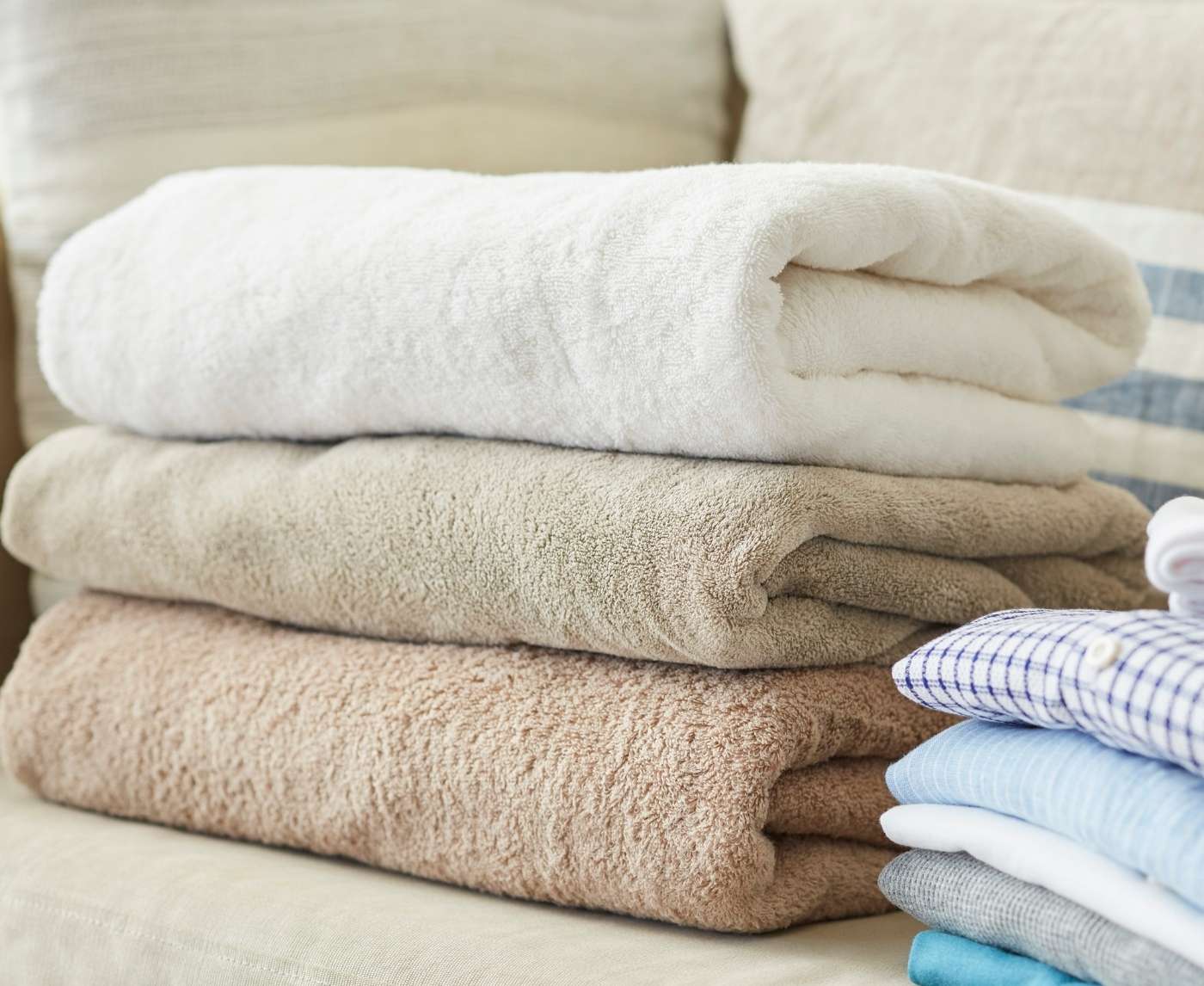

Quick Answer: Most STDs are spread through direct sexual contact, but under specific conditions, certain infections (like trichomoniasis or herpes) can potentially spread through shared towels, lube bottles, or bedding, especially if there's fresh fluid involved. It's rare, but not impossible.
“We Didn’t Even Have Sex”: The Silent Panic After Non-Sexual Contact
Kyle, 27, remembers the weekend like a blur. He’d gone home with a guy he met at a bar. Nothing major happened, they kissed, watched Netflix, and fooled around a bit. He used the lube his host handed him. “We didn’t even have sex,” he tells himself a few days later, staring at a red bump near his groin. But the worry creeps in anyway.
This kind of story plays out quietly all the time. People feel symptoms and start retracing every move. The towel they dried off with. The lube bottle passed back and forth. The shared sheets on someone’s bed after a sleepover. And because stigma is real, many don’t seek testing right away, if at all. They’re scared of being judged. Worse, they’re afraid no one will believe how it happened.
But here's the truth: while it's uncommon, indirect transmission of certain infections can happen. And if you’ve ever felt confused, ashamed, or doubted your own memory, this article is for you.
The Science Behind Surface Transmission: Can STDs Survive Outside the Body?
STDs aren’t ghosts. They don’t float around locker rooms or wait on a bedsheet hoping to infect someone. Most pathogens need very specific conditions to live, and even more specific ones to make you sick. But the tricky part is, those conditions can occasionally happen.
Let’s take trichomoniasis, for example. It’s caused by a protozoan parasite (not a bacteria or virus), and research shows it can live for up to 45 minutes on moist, warm surfaces like towels or sponges. That's why people have sometimes linked dirty bath items and communal showers to cases of non-sexual transmission, especially in places like dorms, prisons, or military barracks.
Herpes simplex virus is another one with surprising durability. While it breaks down quickly in dry air, it can survive longer in warm, damp environments, like a recently used towel. That doesn't mean you’ll catch it from every hotel robe, but if a person with an active outbreak used a towel and someone else rubbed it on broken skin or mucous membranes shortly after? Theoretically, yes, transmission could occur.
Compare that to something like chlamydia or gonorrhea. These bacteria die rapidly outside the body. They break down quickly after they leave the warm, wet environment of the genital or oral mucosa. The odds of picking them up from a sheet or a lube bottle nozzle are slim to none.
| STD | Surface Survival Time (Approx.) | Can It Spread from Objects? | Risk Level |
|---|---|---|---|
| Trichomoniasis | Up to 45 minutes | Yes, on moist items like towels | Low to Moderate |
| Herpes (HSV) | Few minutes to several hours (moisture-dependent) | Possible via fluids or sores on fabric/lube bottles | Low to Moderate |
| Chlamydia | Less than 1 minute | No reliable surface transmission | Negligible |
| Gonorrhea | Under 2 minutes | Extremely unlikely | Negligible |
| HPV | Several hours to days (depending on surface) | Theoretical via shared items, but not proven | Unclear |
Table 1: Approximate surface survival times and object-based transmission risks for common STDs.

People are also reading: Can Hepatitis C Be Cured After Cirrhosis Has Started?
The Lube Bottle Problem: A Hidden Risk No One Talks About
Lube bottles seem harmless, until you think about how they’re actually used. Passed between partners. Touched with fingers that may have just been inside someone. Sometimes used directly on genitals. If the nozzle touches bodily fluid, it can easily become a vehicle for transmission.
There’s a reason sex educators recommend “no double dipping.” The same goes for toys. If a person with an STD uses a toy or touches a bottle nozzle and it isn’t cleaned, and another person uses it shortly after, especially if they have tiny tears in the skin or mucous membranes, it’s not just gross hygiene. It can be risky.
Take HPV. Studies have found viral DNA on sex toys hours after use, even after washing. It’s not clear how infectious that material is, but it’s a sobering reminder that STDs don’t care whether something looks clean. If there’s biological residue and you’re exposed through mucosa or an open cut, there’s a window for trouble.
And yet, many people have never been taught this. Because so much STD education focuses on intercourse, these “side routes” often get ignored. Until someone like Kyle ends up on Google asking, “Can I get an STD from lube?”
Case Study: “We Only Slept in the Same Bed”
Sofia, 24, was visiting her ex in another city. They weren’t physical, just friends, supposedly. They shared a bed to save money. She used his towel after her shower. Nothing else happened. Or so she thought. A week later, she started feeling off. A slight burning sensation when she peed. A vaginal itch she couldn’t shake. By the time she saw her doctor, the test was positive for trichomoniasis.
“I swore I didn’t hook up with anyone,” she told her doctor, half expecting an eye roll. But the clinician didn’t dismiss her. They talked about surface transmission, especially for trich, and how shared wet items could pose a rare but real risk. Her partner had no symptoms, many men don’t, but they ended up getting treated together.
Stories like this aren’t about blame. They’re about possibility. About understanding that sexual health is more complex than most school curriculums ever taught us. And about reducing shame, not stoking it.
Check Your STD Status in Minutes
Test at Home with Remedium6-in-1 STD Test Kit
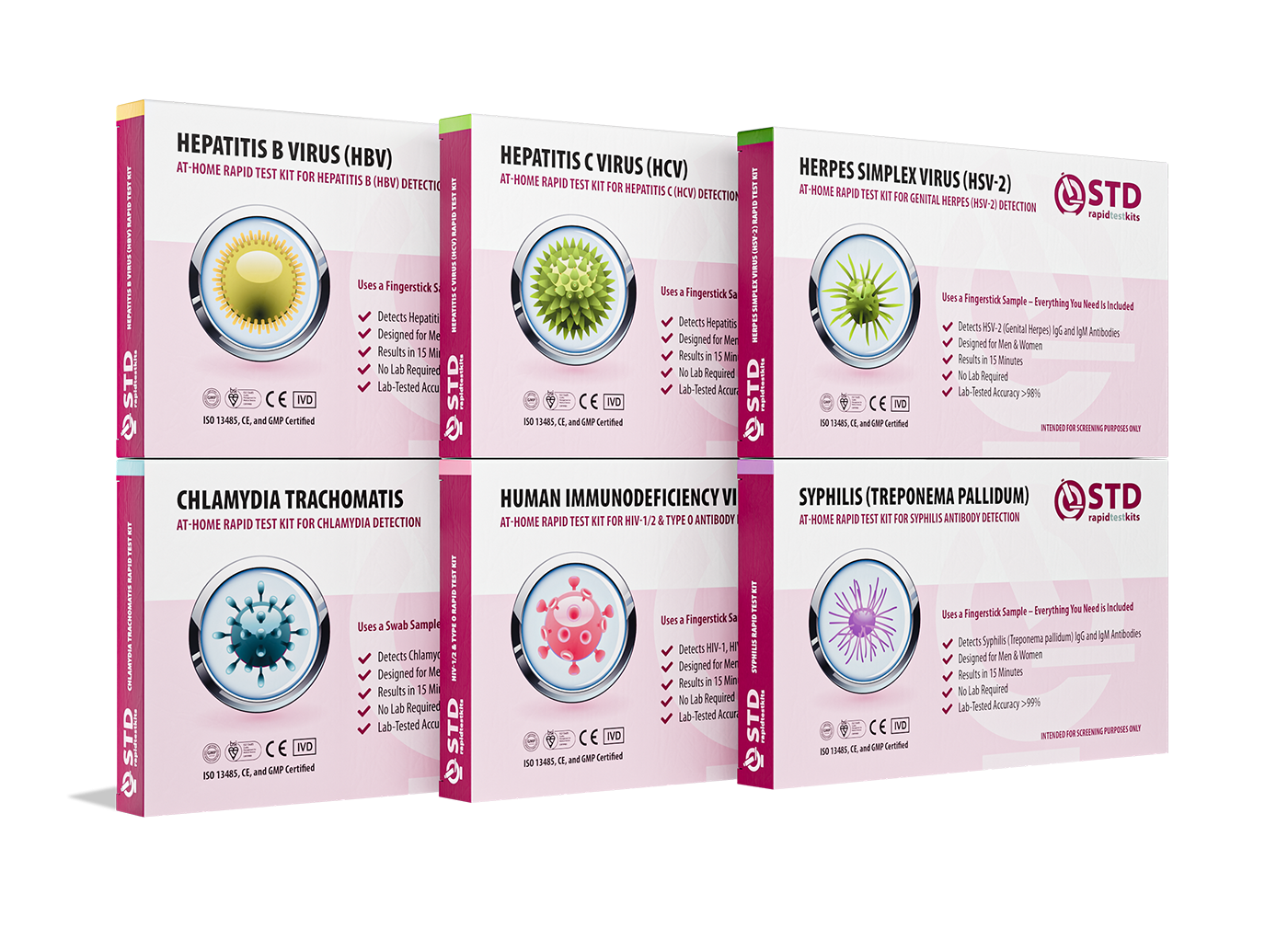
 For Men & Women
 Results in Minutes
 No Lab Needed
 Private & Discreet
Order Now $119.00 $294.00
For all 6 tests
When Clean Isn’t Clean Enough: What Makes Shared Items Risky?
Not all towels are created equal. A damp towel hanging in a humid bathroom is different from a fresh one pulled from a linen closet. Likewise, a lube bottle used solo versus one passed around at a party. The risk lies not just in the object, but in how, when, and where it's used.
Here’s what boosts risk:
- Time since last use. If the item was recently used by someone with an active infection and still damp, it’s more concerning.
- Body fluids involved. STDs ride on fluids, semen, vaginal fluid, even saliva or blood in some cases. If those fluids are present, risk rises.
- Type of material. Porous fabrics like towels can retain moisture longer. Hard surfaces (like toy plastic or bottle nozzles) can hold trace fluids if not cleaned.
So no, your chances of getting gonorrhea from a freshly laundered towel? Essentially zero. But drying off with a partner’s unwashed, damp towel minutes after they used it, especially if they have symptoms or a known STD, carries a different level of caution.
| Item Type | Risk Level | Why It Matters |
|---|---|---|
| Shared towel (recently used) | Low–Moderate | May retain moisture and fluids; trichomoniasis risk possible |
| Unwashed bed sheets | Low | Requires direct contact with contaminated fluid or sore |
| Lube bottle nozzle | Moderate | Direct genital contact with contaminated fluid residue |
| Sex toy shared without cleaning | High | Direct mucosal exposure; proven transmission route for several STDs |
| Toilet seat | Negligible | Viruses and bacteria degrade rapidly on dry, hard surfaces |
Table 2: Object-based exposure risks and what makes them more or less likely to transmit STDs.
What to Do If You’re Feeling Symptoms, But Didn't “Do Anything”
If you’re reading this because something feels off, itchy, burning, sore, but you didn’t have traditional sex, you’re not alone. And you’re not imagining it.
The best first step? Get tested. A comprehensive STD test can confirm or rule out infections like chlamydia, gonorrhea, herpes, or trichomoniasis. Don’t wait for symptoms to get worse, or disappear. Some infections cycle in and out of visibility but still cause long-term complications if untreated.
Not ready to go to a clinic? That’s okay. There are discreet, at-home options available. This combo test kit checks for the most common STDs using urine or blood samples you collect yourself. No awkward waiting rooms, no lectures, just answers.
If you’ve recently shared towels, sheets, or sex supplies and have symptoms, or even if you just want peace of mind, testing is care. It’s not an accusation. It’s not shame. It’s just the next step.
Testing Timelines: When to Check After Possible Indirect Exposure
Timing matters. If you’re testing too soon, your results might not reflect reality yet. Every STD has a “window period”, a stretch of time after exposure where the infection might not show up on a test, even if it’s there.
For object-based exposures (like lube bottles or towels), you’ll want to follow similar guidance as you would for unprotected sex, because the mechanism of infection (fluid to mucosa contact) can still apply. Here’s a quick reference:
| Infection | Earliest Testing Time | Ideal Retest Time |
|---|---|---|
| Trichomoniasis | 7 days after exposure | 14 days for highest accuracy |
| Chlamydia | 5–7 days | 14 days |
| Gonorrhea | 5–7 days | 14 days |
| Herpes (HSV) | 14–21 days (if no sores) | Retest at 12 weeks if negative |
| HPV | N/A for men; pap smear timing for women | Follow routine screening |
Table 3: Recommended testing windows for possible indirect STD exposure.
If you’ve already tested but symptoms are still present, or if you tested too early, it’s wise to do a follow-up test. False negatives can happen, especially if the infection hasn’t had time to replicate enough to be detected.

People are also reading: No, There’s No Vaccine for Chlamydia...Yet. Here’s What You Can Do Instead
“But I’m Not Promiscuous”: Why Shame Delays Testing
This is where it gets real. Many people don’t test after symptoms from “non-sexual” encounters, not because they don’t care, but because they feel like they’ll be judged. By their doctor. By their friends. Even by themselves.
“How would I even explain this?” is a question people ask us more than you’d think. A sore after sleeping in someone else’s bed. A burning sensation days after borrowing a towel. These scenarios sound minor. Embarrassing. Unbelievable. And so people wait. They downplay. They Google too much and test too little.
But here’s the thing: STDs don’t check your relationship status. They don’t care whether you had “real” sex. They only need the right conditions, a bit of contact, a moist surface, a crack in the skin, and they’re in.
Getting tested isn’t about confession. It’s about control. About listening to your body and saying, “I deserve to know.” And if you’re not comfortable going in person, you can still take action. STD Rapid Test Kits offers confidential, at-home options that come in discreet packaging. No one has to know. Except you, and your future self, who’ll thank you for doing it.
How to Keep Shared Items Safe: Prevention That Actually Works
Not everything needs to be scary. You don’t have to live in a sanitized bubble to reduce your risk. But if you’re sharing items, whether it’s towels in a house with roommates, lube at a party, or sheets after a hookup, here are some ways to stay smart without losing your mind.
- Use your own towel and wash it regularly in hot water. If you have to borrow one, ask when it was last cleaned.
- Never use lube bottles where the nozzle touches genitals directly. Pour onto a clean hand or surface first.
- If you share toys, use condoms on them and change the condom between partners. Clean them with soap and water and let them fully dry.
- Don’t assume someone looks “clean.” Many STDs show no symptoms.
- If you’re feeling symptoms, even small ones, test early, and test again later if needed.
These aren’t rules. They’re tools. Tools to help you navigate sex and intimacy with fewer unknowns, and a lot more peace of mind.
Reinfection, Retesting, and Talking to Partners
If your test does come back positive, even after what felt like a minor, nonsexual exposure, don’t panic. Most STDs are treatable. And you’re not dirty. You’re not reckless. You’re not “the kind of person” this happens to. You’re human.
Retesting depends on the infection. For trichomoniasis, many providers recommend retesting three months after treatment. For herpes, if you test during the first few weeks of symptoms and it’s negative, a follow-up test at 12–16 weeks can catch what the first one missed.
If you’re in a relationship, or even just casually seeing someone, it’s worth having a conversation. Not a confrontation, just a heads-up. Many people carry infections they don’t know about. And many want to do the right thing once they know.
You can say something as simple as: “I tested positive for [infection]. I’m letting you know so you can take care of yourself too. I’m not blaming anyone, I just want us both to be safe.”
You might be surprised how well people respond to honesty. Or you might use an anonymous notification tool. Either way, partner care is part of self-care. It’s not about guilt. It’s about empowerment.
Check Your STD Status in Minutes
Test at Home with Remedium8-in-1 STD Test Kit
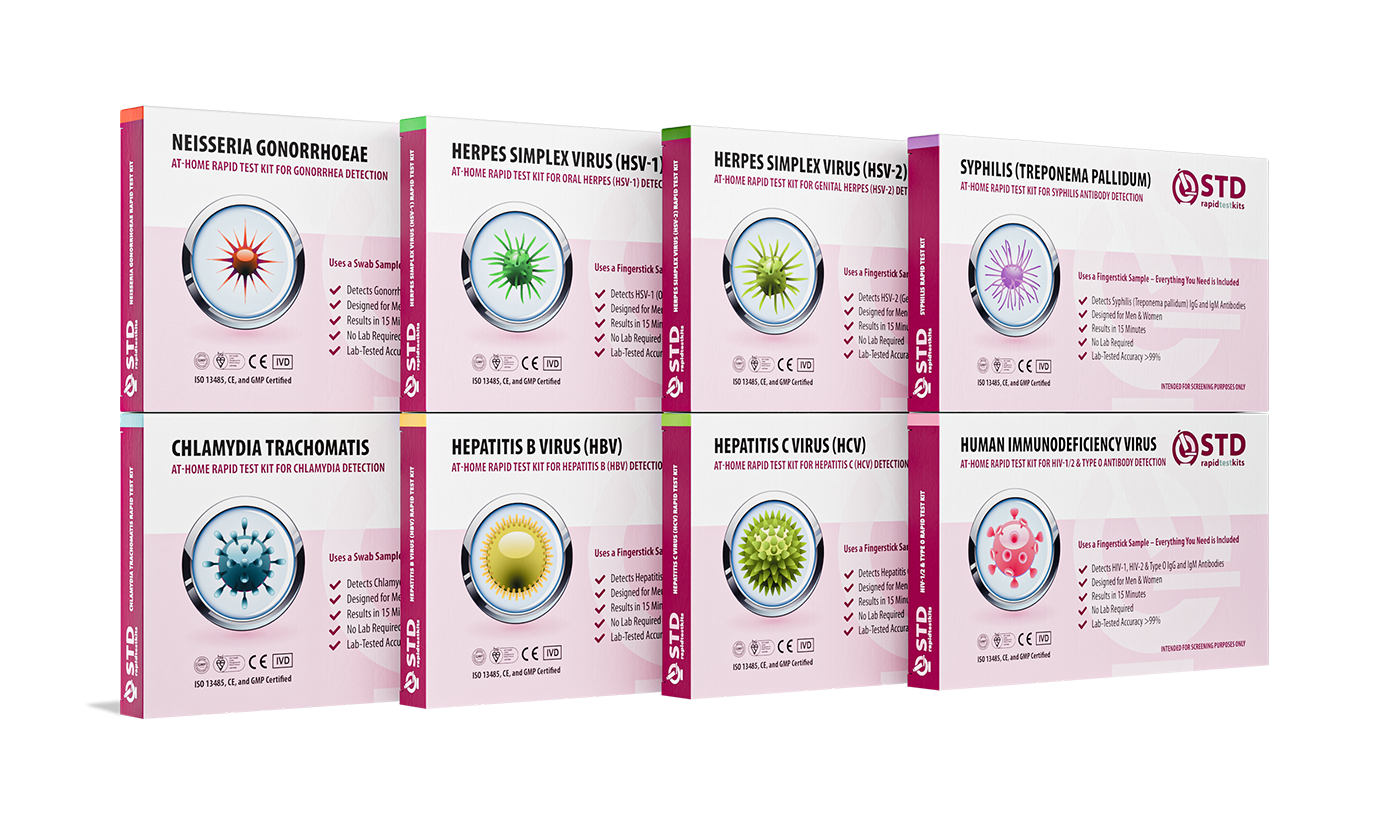 For Men & WomenResults in MinutesNo Lab NeededPrivate & Discreet
Order Now $149.00 $392.00
For all 8 tests
When to Seek In-Person Medical Care
Home tests are powerful. They’re discreet, fast, and accessible. But they’re not a replacement for everything. If you’re experiencing severe pain, persistent sores, discharge that won’t go away, or signs of fever or systemic infection, don’t wait. Call a clinic. Go to urgent care. Let a provider check you out.
Also, if you’ve tested positive and need treatment, clinics can prescribe antibiotics or antivirals. Some offer same-day treatment for common infections like chlamydia or gonorrhea. Telehealth services are also expanding, making it easier than ever to get care without sitting in a waiting room.
If finances or privacy are barriers, consider checking Planned Parenthood or local public health clinics. Many offer sliding-scale services or free testing days. What matters is starting the process. No shame. No delay. Just the next right step.
FAQs
1. Can you really get an STD from a towel?
It’s rare, but not impossible. Most STDs need body-to-body contact, not towel-to-body. That said, trichomoniasis can sometimes survive on a damp towel for a bit, especially in warm, humid places. If someone with an active infection just used it and it’s still moist, and you rub it on your genitals? Yeah… there’s a small chance. It’s low risk, but not zero.
2. Okay, but what about herpes on sheets or bedding?
Herpes doesn’t float in the air or crawl across fabric, but if there are active sores, and someone else comes into contact with them (say, same sheets, same spot, within a short time), transmission is theoretically possible. It’s super rare, but technically, yes. Damp, warm fabric holds more risk than crisp, clean linen.
3. Do STDs live on surfaces like lube bottles or toys?
Some do. Viruses like HPV and herpes can linger on surfaces for hours under the right conditions. And that’s especially true for shared lube bottles and toys that haven’t been washed, or worse, used on multiple people without condoms. Double dipping? Big no. If it touches fluids, clean it like it matters. Because it does.
4. What’s the riskiest shared item?
Honestly? Sex toys. If they go from one person to another without cleaning (or a fresh condom), they’re practically a front-row seat for transmission. Lube bottles are a close second if the nozzle gets genital contact. Towels and sheets? Lower risk, but context matters. Fresh fluids = more danger.
5. I’m having symptoms but didn’t have sex. Should I still test?
Yes, yes, a thousand times yes. STDs don’t care if you label it “real sex.” If there was skin-to-skin contact, fluid sharing, or even close body rubbing, it’s enough. You might’ve used a toy, shared lube, or slept in someone else’s bed. If you feel off, trust your body and get tested.
6. How soon should I test if I think I was exposed this way?
Most infections won’t show up right away. If it’s been a few days, you can test, but keep in mind, you might need a retest later. For something like trich, 7 to 14 days is usually a good window. Herpes? It’s trickier, if no sores appear, wait 2 to 3 weeks or even retest at 12 weeks for accuracy. When in doubt, test now and again later.
7. Could my symptoms be something else?
Definitely. STDs share symptoms with tons of other things: yeast infections, UTIs, allergic reactions, razor burn. But you don’t need to play symptom roulette. Testing gives you clarity. It's not about guessing, it’s about knowing.
8. Can I just wash things more carefully to avoid this?
It helps, a lot. Hot water and soap go a long way. But prevention also means not sharing certain things at all. Towels, lube, toys, keep them personal, or clean them like a surgeon. Not sexy, maybe, but way better than wondering “what if” later.
9. Should I tell someone if I test positive, even if we didn’t have sex?
If they were involved in the exposure, yes. You don’t need a script, just honesty. “Hey, I tested positive and think it might’ve been from [shared thing]. You might want to get checked too.” That’s not blaming, that’s protecting. Real talk goes a long way.
10. Do doctors even believe people get STDs this way?
The good ones do. And the rest should. Object-based transmission isn’t common, but it’s documented. If you feel dismissed, find a new provider. Your story matters, even if it doesn’t fit the textbook.
You Deserve Answers, Not Assumptions
You don’t need to explain your symptoms to anyone but yourself. Whether you had sex or just shared a towel, if something doesn’t feel right, your experience matters. Don’t let shame delay the clarity you deserve.
Most STDs are treatable. Many are curable. And testing is no longer something you have to do in public or with someone breathing down your neck. You can do it on your terms, in your space, and on your timeline.
Don’t wait and wonder, get the clarity you deserve. This at-home combo test kit checks for the most common STDs discreetly and quickly.
How We Sourced This Article: We combined current guidance from leading medical organizations with peer-reviewed research and lived-experience reporting to make this guide practical, compassionate, and accurate.
Sources
1. CDC – Trichomoniasis Fact Sheet
2. Mayo Clinic – Genital Herpes
3. CDC – Genital Herpes (HSV) Fact Sheet
4. WHO – Sexually Transmitted Infections (STIs)
6. Sexually Transmitted Diseases Journal – Survival of Trichomonas vaginalis on Moist Surfaces
7. Johns Hopkins Medicine – Genital Herpes
About the Author
Dr. F. David, MD is a board-certified infectious disease specialist focused on STI prevention, diagnosis, and treatment. He blends clinical precision with a no-nonsense, sex-positive approach and is committed to expanding access for readers in both urban and off-grid settings.
Reviewed by: J. Ruiz, MPH | Last medically reviewed: January 2026
This article is for informational purposes and does not replace medical advice.


