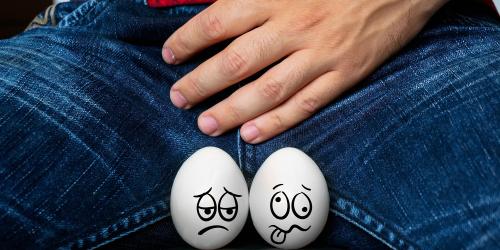
Pain in the testicles can be caused by a number of disorders, ranging from infections to medical emergencies. It's sometimes interlinked with another problem, such as kidney stones. Sometimes the pain isn't even directly related to your testicles but rather referred pain that's coming from elsewhere, like your kidneys. Pain in the testicles could at other times be related to an STD. Most of the time, this is due to having unprotected sex. The most common STDs to cause this kind of discomfort are gonorrhea and chlamydia. The severity of the pain, the appearance of the testicles, along with other symptoms may suggest the causative agent.
01 October 2024
4 min read
4690
Possible Causes of Testicle Pain
The pain in the testicles can appear either periodically or it can be constant; sometimes it can even be excruciating. Here are eight widely accepted causes of pain in the testicles. Most of these pathological conditions can affect a man at any age, though some of them are more characteristic of younger or older males.
Epididymitis
Epididymitis is the inflammation of the epididymis, a part of the male reproductive system which women do not have. It can cause pain in the testicles. The epididymis is the tube where sperm mature before leaving the body. STDs and urinary tract infections are frequent causes of epididymitis, and asymptomatic diseases such as chlamydia and gonorrhea have significant consequences if left untreated. Symptoms include a hot-feeling scrotum, testicles that are swollen and red, and possibly penile discharge. Treatment typically involves antibiotics.
Kidney Stones
Pain from kidney stones passing through your ureters can result in referred pain to your testicles. Though painful for you, the testicles usually appear normal and do not indicate any inflammation. The presence of kidney stones may also be manifested in the presence of bloody-tinged urine, a burning sensation while urinating, and at times sharp cramping pain that extends to the back. Extreme cases require surgical intervention or other invasive procedures such as shock-wave lithotripsy.
Inguinal Hernia
These weaker muscles can permit tissues to bulge in an area called a hernia. This may be extremely painful and can change the appearance of one or both of your testicles due to swelling. In some cases, this may require medical or surgical intervention to correct.
Orchitis
Orchitis is an inflammation of the testicle itself, usually brought on by untreated epididymitis. Symptoms include intense pain, swelling, fever, fatigue, nausea, and vomiting. Antibiotics are sometimes prescribed if an STD or other urinary tract infection is the causative agent of the condition.
Testicular Torsion
It is a medical emergency in which the testicle rotates around the spermatic cord and is more common among younger men. Symptoms include sudden, severe testicular pain, darkened scrotum, nausea or vomiting, and severe swelling of the scrotum. Typically, it requires surgical intervention as a first line of management.
Trauma to the Testis
Testicular trauma can be very painful and may involve swelling and bruising. It can result in a hematocele, a condition where blood collects around the testicle. Medical attention is urgent.
Testicular Tumors
Testicular tumors can also have symptoms similar to other conditions that cause painful testicles. A dull ache in the groin or a lump in the scrotum requires medical attention.
Varicoceles
They can also be caused by varicoceles, which are large or twisted veins in the testicles. Normally these do not have symptoms, but if they do, the pain usually is worse with increased activity. These are not curable and can lead to infertility. The best treatment currently is surgery.
Prevention Methods for Testicular Pain
Some causes of testicular pain, such as tumors and hernias, may not be prevented. However, one can prevent other conditions, such as trauma and the onset of epididymitis due to STDs by taking precautionary measures. The following are ways you can prevent the causes of testicular pain in your daily life:
Practicing Safe Sex
Having unsafe sex can put you at a higher risk of contracting an STD, which may cause pain in the testicles. Wearing a condom reduces your chances.
Regular STD Screenings
It is essential to detect an infection early through regular testing for STDs to enable early treatment. Home STD rapid kit tests in the comfort and privacy of your home, keep you ahead in sexual health.
During sporting activities, athletic supporters cushion your testicles from trauma and subsequent pain.
Self-Examinations
Regular examination of the testicles will help you to notice any unusual lumps or changes in size. Consult your health professional if you find anything unusual.
Good Urinary Hygiene
Urinating frequently and ensuring the bladder is fully emptied prevents urinary tract infections. Retaining urine supports bacterial growth and enhances the chances of infection.
In the end, painful testicles should be presented to a healthcare provider with urgency in relation to finding the cause and possibly commencing treatment. Good prevention regularly would also reduce the risk factors for some conditions that could result in this type of discomfort.








 For Men & Women
 Results in Minutes
 No Lab Needed
 Private & Discreet


