
Published: September 2025 | Last updated: May 2026 | Editorial review and quality control: Martina N.
Pain after orgasm is the thing nobody really warns you about. Sometimes it is a quick burn at the tip of the penis that fades in seconds. Sometimes it is a deep ache between the scrotum and rectum that lingers for hours. Sometimes discharge shows up. Often it does not. When the pain arrives unexpectedly, it raises the same question on a loop: is this an infection, the prostate, or something more ordinary?
The honest answer is that all three are real possibilities, and the right next move depends less on how bad the pain feels and more on the timing, the recent sexual history, and the other symptoms that show up alongside it. This guide walks through how clinicians usually sort through it, what an at-home test can and cannot do, and when the smarter move is to skip the internet and book a visit.
Key Takeaways
- Painful ejaculation has three common explanations: a sexually transmitted infection (most often chlamydia or gonorrhea), prostate inflammation, or non-infectious pelvic muscle tension. The right next step depends on whether you have had a recent sexual exposure.
- If pain started within a few weeks of a new partner, screen for chlamydia and gonorrhea first. If tests come back negative and pain continues, ask a clinician to evaluate the prostate and pelvic floor.
The Three Most Common Explanations
Reports of painful ejaculation usually trace back to one of three categories. The first is a sexually transmitted infection, with chlamydia and gonorrhea topping the list for sexually active men under 40. The second is prostatitis, an umbrella term for prostate inflammation that runs from sudden bacterial infection to chronic pelvic pain syndrome. The third is non-infectious irritation of the pelvic floor or urethra, often linked to muscle tension, dehydration, or vigorous activity.
The symptoms overlap more than people expect. Burning during urination can appear in both an STI and a prostate infection. A deep pelvic ache can come from prostatitis or from a chronically clenched pelvic floor. Even the timing of the pain (only after orgasm) is not specific enough to point at a single cause, because ejaculation contracts the prostate and surrounding muscles regardless of what is irritating them. The contraction itself is what makes inflamed tissue hurt.
| Feature | STI (chlamydia, gonorrhea) | Prostatitis | Non-infectious causes |
|---|---|---|---|
| Onset | Often 5 to 14 days after exposure | Sudden (acute) or gradual (chronic) | Gradual, stress or activity related |
| Pain location | Burning in the urethra or tip of the penis | Deep pelvic or perineal ache | Pelvic floor, groin, lower abdomen |
| Urinary symptoms | Burning during urination, sometimes | Frequent urge, weak stream, hesitancy | Usually minimal |
| Discharge | Sometimes present, often absent | Rare | No |
| Fever or chills | Uncommon | Possible in acute bacterial cases | No |
| Worse after ejaculation? | Often | Often | Variable |
When Chlamydia or Gonorrhea Is the Cause
Chlamydia and gonorrhea are the two infections clinicians look at first when a sexually active man reports new post-ejaculatory pain. Both infect the urethra and can ascend toward the prostate, epididymis, or testicles if left untreated. According to the CDC chlamydia fact sheet, most infected men have either no symptoms or very mild ones, which is why pain after ejaculation can be the only signal the body sends.
When symptoms do show up with chlamydia or gonorrhea, the most common ones in men are burning during urination, a clear or cloudy discharge, and a stinging or aching sensation at the tip of the penis after orgasm. When symptoms appear at all, they typically develop within one to two weeks of exposure, though many men have no symptoms.
A short five-second burn after orgasm is easy to brush off as friction. It is still worth taking seriously when it keeps happening, especially after a new partner. Urethral inflammation from a bacterial infection rarely resolves on its own in men, and waiting allows the infection to move further up the genital tract. The CDC urethritis treatment guidelines recommend a standard 7-day doxycycline course for chlamydial urethritis, with delayed treatment raising the risk of ascending complications such as epididymitis or epididymo-orchitis.
When It Is Prostatitis Instead of an Infection
The prostate sits just below the bladder and wraps around the urethra. When it is inflamed, ejaculation feels like pressure on a bruise deep inside the pelvis. Many men describe it as a sensation of a golf ball lodged behind the perineum. The pain often lingers for minutes or hours after orgasm instead of stinging briefly and fading.
Prostatitis is not one condition. The Mayo Clinic prostatitis overview describes four categories: acute bacterial prostatitis, chronic bacterial prostatitis, chronic prostatitis (also called chronic pelvic pain syndrome), and asymptomatic inflammatory prostatitis. Acute bacterial cases can cause high fever, chills, and severe urinary pain, and they need prompt antibiotic treatment. Chronic forms tend to wax and wane over months or years, with intermittent aching and urinary symptoms but no clear bacterial culprit.
Unlike most STIs, prostatitis often comes with urinary frequency, a sense of incomplete emptying, or a weak stream. Stress is a known amplifier. Pelvic muscles tighten under anxiety, blood flow to the pelvis drops, and the same orgasmic contraction that hurts a little when calm becomes sharper when the surrounding tissue is already on edge. Johns Hopkins Medicine notes that chronic pelvic pain syndrome accounts for the majority of prostatitis cases and frequently requires a combined treatment plan rather than antibiotics alone.
Acute bacterial prostatitis: sudden onset with fever, chills, and severe urinary pain. Needs prompt antibiotics.
Chronic bacterial prostatitis: recurrent UTI-like symptoms tied to a low-grade prostate infection that keeps coming back.
Chronic pelvic pain syndrome: persistent pelvic pain and urinary symptoms without an identifiable bacterial cause. The most common category by a wide margin.
Asymptomatic inflammatory prostatitis: inflammation found incidentally on lab work or biopsy, with no reported symptoms.
How the Timing Narrows the Picture
Timing is the single most useful clue. Pain that begins shortly after a new sexual exposure moves infection to the top of the list. Pain that builds gradually over months without any clear trigger pushes the picture toward chronic inflammation or pelvic floor dysfunction. Neither pattern is a diagnosis on its own, but together with the other symptoms in the table below, the timing usually points to the right first step.
| Scenario | More suggestive of STI | More suggestive of prostatitis |
|---|---|---|
| Pain started within 2 weeks of a new partner | Yes | Possible but less typical |
| Pain ongoing for months with fluctuations | Less common | Common in chronic cases |
| Associated fever or chills | Rare | Possible (acute bacterial) |
| No sexual exposure in many months | Unlikely | More likely |
| Symptoms improve with STI-targeted antibiotics | Yes | Only when bacterial |
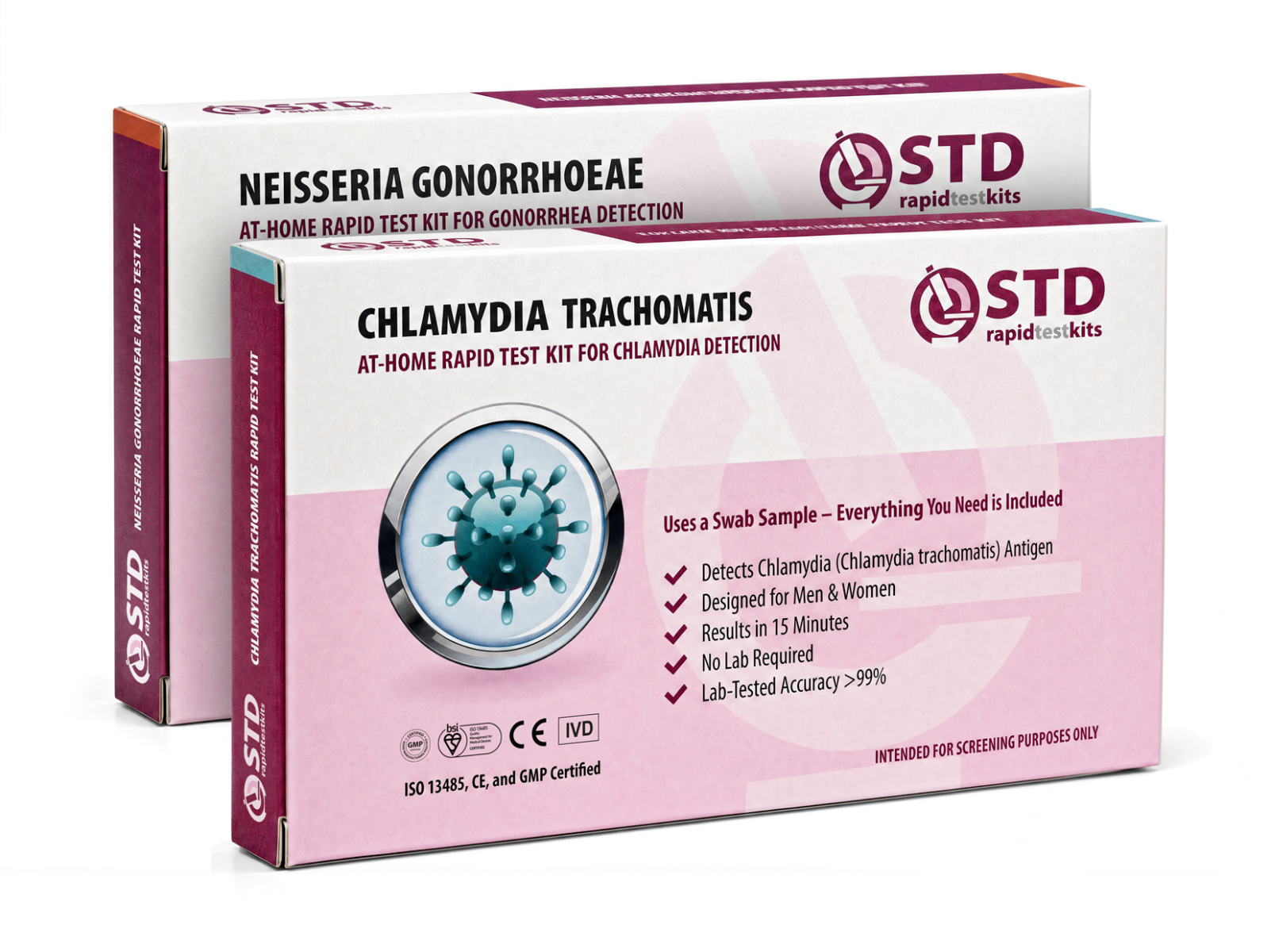
This site sells at-home rapid test kits. The kit below is one option relevant to this scenario; a clinic visit is an equally sensible first step, and we say so when it fits better.
Other Infections That Can Trigger Pain After Ejaculation
Chlamydia and gonorrhea get most of the attention because they are the most common bacterial STIs, but they are not the only infectious causes. When inflammation spreads beyond the urethra, the pain often shifts from a surface burn to a deeper, heavier ache.
Epididymitis is one of the more important spread patterns to know about. The epididymis is the coiled tube behind each testicle where sperm matures. The CDC epididymitis treatment guidelines identify C. trachomatis and N. gonorrhoeae among the sexually transmitted causes of acute epididymitis, alongside enteric bacteria such as E. coli in cases not associated with sexual transmission. Symptoms include testicular tenderness, mild swelling on one side, and pain that gets worse with ejaculation or with sustained activity like driving.
Urinary tract infections also overlap with prostate inflammation, especially in older men whose prostates are larger and can trap bacteria. The CDC urethritis treatment guidelines also identify Mycoplasma genitalium and Trichomonas vaginalis as urethritis pathogens in men, though both are tested for less often than chlamydia or gonorrhea. If pain comes alongside fever, chills, nausea, or severe pelvic pressure, that combination shifts the situation from at-home triage to urgent medical care.
What If There Is No Discharge?
This is one of the most common misconceptions about STIs in men. The assumption goes: no visible fluid, no sores, no redness, therefore not an infection. That assumption delays testing in a meaningful number of cases.
Many sexually transmitted infections in men are asymptomatic or only subtly symptomatic. The CDC estimates that the majority of men with chlamydia have no obvious symptoms, and a substantial share of men with gonorrhea fall into the same category. Inflammation on the inside of the urethra does not always produce visible fluid. It can simply irritate the lining enough to cause a burn when semen or urine passes through.
If someone is searching phrases like “STI symptoms in men no discharge” or “burning after ejaculation but no discharge,” the search itself is the signal. There is enough doubt to deserve an answer. A self-collected swab kit at home, or a clinic visit, beats weeks of mental loops about whether to worry.
Most men with chlamydia have minimal or no visible discharge, and many men with gonorrhea fall into the same pattern. If pain after ejaculation followed a new sexual partner, the absence of fluid is not reassurance. It is a reason to screen.
When the Cause Is Not Infection at All
Not every painful orgasm is a disease. The pelvic floor is a complex network of muscles that supports the bladder, prostate, and rectum. Stress, long stretches of sitting, intense workouts, or even unconscious clenching during sex can leave these muscles strained. When they contract during ejaculation, soreness follows.
This pattern is especially common in men with high baseline stress. The body holds tension in the jaw, the shoulders, and the pelvis. Chronic clenching restricts blood flow and sensitizes the nerves that share space with the prostate and urethra. Over time, ejaculation triggers pain because the surrounding muscles are already irritated, not because anything is infected. The Johns Hopkins prostatitis page groups much of this under chronic pelvic pain syndrome, treated with a mix of pelvic floor physical therapy, stress management, and sometimes anti-inflammatory medication.
Dehydration can make semen more concentrated and lead to brief burning. Prolonged abstinence followed by intense activity can briefly inflame tissues. These causes are real, and they are diagnoses of exclusion. A clinician confirms a non-infectious cause with a normal urinalysis, a urine culture, and a digital rectal exam that checks the prostate for tenderness and asymmetry.
When and How to Test at Home
If pain began after a new sexual encounter, the most efficient first step is to screen for chlamydia and gonorrhea. The window period matters. Testing very early can miss an infection that has not yet built up to detectable levels. Testing too late prolongs uncertainty. For chlamydia and gonorrhea, rapid tests are reliably accurate from about two weeks after exposure, with sensitivity rising the longer that interval becomes.
It is worth being precise about test technology. Laboratory testing for chlamydia and gonorrhea typically uses a NAAT (nucleic acid amplification test), often run on a urine sample. At-home rapid kits, including the swab-based test linked above, use lateral-flow immunoassays. The two are complementary rather than identical: rapid lateral-flow tests deliver a result in minutes from a self-collected swab, while lab NAATs offer higher analytical sensitivity, particularly for asymptomatic infections. A clear positive on a rapid test is worth acting on with a clinician, and a negative rapid result followed by persistent symptoms is worth confirming with a lab NAAT.
If symptoms continue after a negative rapid test (and especially after a confirmatory lab NAAT), the focus shifts toward the prostate. A healthcare provider may perform a physical exam, order a urine culture, or in some cases collect samples before and after a prostate massage to look for bacterial prostatitis specifically.
How a Provider Separates STI From Prostatitis
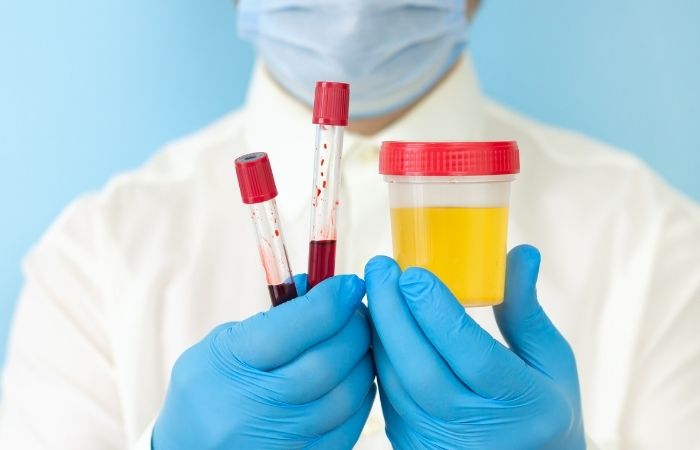
When someone walks into a clinic and says, “It hurts after I ejaculate,” the workup follows a pattern. Step one is the exposure history. Step two is the timing and character of the pain. Step three is targeted testing. This sequence keeps the evaluation from drifting into either over-treatment or premature reassurance.
If there has been recent unprotected sex, testing for chlamydia and gonorrhea is usually first. Both infections are common, often subtle in men, and straightforward to treat. A urine NAAT in a clinic, or a self-collected swab at home with lab confirmation if needed, can resolve the question quickly.
If STI testing is negative and symptoms persist, the focus shifts. A clinician checks for prostate tenderness during a digital rectal exam. When bacterial prostatitis is suspected, the standard sequence is a urine sample collected before prostate massage, then a second sample collected immediately after, with both sent for culture and microscopy. The post-massage sample is the one that confirms or rules out bacterial involvement inside the prostate. Chronic pelvic pain syndrome is the most common diagnosis once infection has been excluded and pain continues, and the Mayo Clinic prostatitis page outlines the rest of the workup.
If STD Tests Come Back Negative
A negative chlamydia and gonorrhea test answers one important question; it does not close the case. When infection is ruled out, the conversation moves to inflammation, muscle tension, and lifestyle. Chronic prostatitis and pelvic floor dysfunction are real diagnoses with real treatment paths, even when no bacteria can be found.
Hydration is part of the basic toolkit. Anti-inflammatory medications may be prescribed for short stretches to reduce flare-ups. Warm baths can relax the pelvic floor. In more persistent cases, pelvic floor physical therapy retrains muscle patterns that have been quietly clenching for months or years. This is not fringe care. Pelvic floor PT is a recognized component of chronic pelvic pain treatment and is covered by many insurance plans.
Stress reduction belongs on the list, even when it sounds soft. The nerves that supply the prostate, bladder, and pelvic floor share pathways with the autonomic nervous system that responds to stress. Men who carry tension in the body often notice that pain spikes during high-pressure work weeks and eases during calmer stretches. If symptoms persist after repeated negative STI tests, the next clinical step is usually a urinalysis with culture, a digital rectal exam, and a referral to a pelvic floor physical therapist for a baseline assessment.
Treatment toolkit for non-infectious pelvic pain
- Hydration, with reduced caffeine and alcohol, both of which can irritate the bladder and prostate.
- Short courses of anti-inflammatory medication during flare-ups, prescribed by a clinician.
- Warm baths or a heating pad over the perineum to relax the pelvic floor.
- Pelvic floor physical therapy to retrain muscles that have been chronically clenched.
- Stress management (sleep, breathwork, reducing sources of chronic anxiety), since pelvic floor tension tracks with overall nervous system load.
Red Flags That Need Urgent Care
There are moments when self-monitoring stops being the right move. Severe pelvic pain, fever, chills, nausea, blood in urine or semen, or sudden inability to urinate all need same-day medical evaluation. Acute bacterial prostatitis, kidney involvement, or severe genital tract infection can escalate quickly and require prescription treatment that is not available through any at-home kit.
Mild post-ejaculatory discomfort without systemic symptoms is a different situation from full-body illness. Testing first is reasonable for the former. The latter is an urgent care or emergency room visit.
Recent sexual exposure plus new post-ejaculatory pain: screen for chlamydia and gonorrhea. Negative result with ongoing pain: ask a clinician to evaluate the prostate and pelvic floor. Both clear: focus on hydration, sleep, and pelvic floor recovery.
The Anxiety Spiral Is Real
Sexual health anxiety sits on a different shelf than other medical worry. Pain after ejaculation feels personal in a way that a sore throat does not. It can attach itself to questions about identity, performance, and trust, and that emotional layer amplifies the physical sensation. Pain is a signal. The body rarely makes its source obvious in the moment, and sexual-health pain is no exception.
The fastest way out of the loop is information. If a possible exposure occurred, test. If tests are negative and symptoms continue, ask about the prostate and pelvic floor. If everything checks out, work on hydration, sleep, and muscle recovery. Each step answers one question and narrows what is left to check.
Bringing It All Together
Pain after ejaculation is not a diagnosis on its own. It is a crossroads symptom. The branches lead toward infection, prostate inflammation, or non-infectious pelvic tension, and the right path depends on timing, exposure history, and the symptoms that travel alongside the pain.
The short version: if a recent sexual exposure is in the picture, screen for chlamydia and gonorrhea first. If those come back negative and the pain stays, evaluate the prostate. If everything is clear and pain is mild, focus on the pelvic floor and on managing stress. Pain after orgasm can usually be sorted out with a structured approach, not panic.
FAQs
- It only hurts for a few seconds after I finish. Can that still be an STI?
- Yes. Brief burning is one of the more easily dismissed signs of urethral inflammation, particularly with chlamydia and gonorrhea. Short-duration pain that recurs after every orgasm, especially in the first few weeks after a new partner, is worth screening for even when nothing else looks wrong.
- There is no discharge at all. Does that rule out an STI?
- No. Discharge is not a required symptom. CDC data indicate that most men with chlamydia have minimal or no discharge, and a meaningful share of men with gonorrhea fall into the same pattern. When pain after ejaculation is the only signal, an STI is still on the differential and a test is the fastest way to settle it.
- How soon after unprotected sex would symptoms show up?
- For chlamydia and gonorrhea, symptoms (when they appear at all) typically show up within about 5 to 14 days. Some men feel something sooner, many feel nothing for weeks, and some never develop noticeable symptoms. If pain began inside that window after a new exposure, testing makes sense.
- What if I have not had a new partner in years?
- Then a recent STI becomes less likely, though older infections that were never treated can occasionally still cause symptoms. In a long-monogamous or no-recent-partner situation, prostatitis and pelvic floor dysfunction climb higher on the list. Building pain that fluctuates with stress and comes alongside urinary hesitancy leans toward the prostate side.
- Can anxiety actually make ejaculation hurt?
- Indirectly, yes. Chronic stress tightens the pelvic floor the same way it tightens the jaw and shoulders. Tight muscles restrict blood flow and sensitize nerves. When ejaculation triggers a strong muscular contraction in already-irritated tissue, the contraction registers as pain. The mechanism is real even when no infection is present.
- If STI tests are negative, is there nothing to do?
- There is plenty to do. Chronic prostatitis and pelvic floor dysfunction are both treatable conditions that do not show up on an STI swab. A clinician can evaluate both with a digital rectal exam and, when bacterial prostatitis is suspected, a urine culture collected before and after prostate massage. Pelvic floor physical therapy, short-course anti-inflammatory medication, and stress management are the most common next steps when no bacterial cause is found.
- Should I avoid sex until this is sorted out?
- If there is any reasonable chance of a current infection, pausing protects both partners until results are in. If testing has ruled out infection and the cause is muscular or inflammatory, a short break can still help irritated tissue calm down. Returning to activity once symptoms ease is usually fine.
- When does this become an emergency?
- When symptoms go beyond pelvic discomfort after orgasm and include systemic signs (fever, shaking chills, or inability to urinate), that combination warrants same-day urgent care rather than home monitoring. Mild post-ejaculatory aching without those systemic signs does not.
- U.S. Centers for Disease Control and Prevention. Chlamydia fact sheet. Source for asymptomatic prevalence in men and complications when untreated.
- U.S. Centers for Disease Control and Prevention. STI Treatment Guidelines: Urethritis and Cervicitis. Source for first-line urethritis evaluation in symptomatic men and for M. genitalium / T. vaginalis as urethritis pathogens.
- U.S. Centers for Disease Control and Prevention. STI Treatment Guidelines: Epididymitis. Source for C. trachomatis and N. gonorrhoeae as STI causes of acute epididymitis and enteric bacteria in non-STI cases.
- U.S. Centers for Disease Control and Prevention. Gonorrhea fact sheet. Source for symptom profile in men and treatment urgency.
- Mayo Clinic. Prostatitis: symptoms and causes. Source for the four-category classification of prostatitis and the stepwise diagnostic workup.
- Johns Hopkins Medicine. Prostatitis. Source for chronic pelvic pain syndrome as the most common prostatitis category and for its multi-modal treatment.
- World Health Organization. Sexually transmitted infections fact sheet. Source for general STI prevalence framing and global treatment context.
