







Quick Answer: Chlamydia is frequently misdiagnosed as a UTI in rural clinics due to overlapping symptoms, limited testing resources, and time-pressured care. Untested, it can silently spread and cause long-term damage.
Why This Happens More Than You Think
In large urban centers, STI testing is often part of the standard workup for pelvic pain or painful urination. But in rural and remote areas, things are different because of a lack of staff, old procedures, and worries about costs. Many providers think that urinary tract infections are the most likely cause, especially in women, and they may not test for STIs unless the patient insists or fits a narrow stereotype of "high risk."
Chlamydia and UTIs can look eerily similar on the surface. Both can cause burning urination, pelvic discomfort, and frequent urges to pee. But chlamydia is caused by a bacterial infection transmitted through sex, and unlike a UTI, it doesn’t always show up clearly on a standard urine dip test. Worse, many chlamydia infections cause only vague symptoms, or none at all, until complications arise. This makes it dangerously easy for busy or under-resourced clinics to miss.
A 2022 CDC surveillance report showed that chlamydia rates remained disproportionately high in rural counties, despite lower testing volumes. This suggests the issue isn’t that rural patients are having more unprotected sex, it’s that many aren’t being screened in the first place.
UTI or Chlamydia? When the Symptoms Blur
It’s not your imagination, chlamydia and UTIs often feel the same at first. That’s because both conditions affect the urogenital tract and trigger overlapping immune responses. But there are key differences if you know what to look for. Unfortunately, many patients don’t, and many providers don’t ask enough to tell.
| Symptom | Typical in UTI | Typical in Chlamydia |
|---|---|---|
| Burning with urination | Very common | Common |
| Increased urgency or frequency | Very common | Sometimes |
| Pelvic or lower abdominal pain | Occasional | Common |
| Vaginal discharge or odor | Rare | Common |
| Pain during sex | Rare | Common |
| Bleeding between periods | Not typical | Possible |
Table 1. Comparing common symptoms between UTIs and chlamydia. Overlapping signs often lead to misdiagnosis, especially when STI testing isn't performed.
Jessie, 32, remembers feeling like she was "crazy" for not getting better after two rounds of UTI antibiotics. She told her nurse she was still in pain, different pain this time. "They said it must be stress. I finally ordered a home STD test. It came back positive for chlamydia." By then, she’d been infected for over a month. She had to contact two partners, take a longer course of antibiotics, and sit with the fear she might now have permanent scarring.
Chlamydia isn’t rare. It’s the most reported bacterial STI in the U.S., but it’s also one of the easiest to miss. And when clinics assume UTI without STI screening, people like Jessie pay the price.

People are also reading: STD Bump, Pimple, or Herpes? How to Spot the Difference
How Rural Clinics Miss the Mark
Part of the problem lies in protocol. Many small-town providers default to what’s most statistically likely or cost-effective. If a woman reports burning when she pees, they assume UTI. And because the test is cheap and quick, a dipstick or basic culture, it’s easy to lean into that assumption. But that dipstick doesn’t test for STIs. In fact, it might show mild inflammation or even nothing at all, and the provider may still send a prescription for antibiotics.
Some clinics don’t stock STI tests at all. Others only offer them during annual exams or "when there’s a clear reason." And even when a patient asks, there can be barriers: out-of-pocket costs, long lab turnaround times, or judgmental glances that discourage follow-through.
Let’s be clear: this isn’t about lazy doctors. It’s about a broken system. Rural healthcare providers are often stretched thin, juggling emergencies, chronic care, and logistical nightmares. They’re trained to triage fast. But when fast means skipping sexual health questions, or assuming infections aren’t sexually transmitted unless the patient "looks the part," people get hurt.
In a 2023 study published in Sexually Transmitted Infections, researchers found that nearly 40% of women diagnosed with chlamydia had previously been treated for a UTI without STI testing. Among rural participants, the misdiagnosis rate was even higher.
And here’s the kicker: many of those women weren’t experiencing wild symptoms. No dramatic discharge, no fever, no classic signs. Just a nagging feeling something wasn’t right, and the hope that someone would believe them.
Check Your STD Status in Minutes
Test at Home with Remedium7-in-1 STD Test Kit

 For Men & Women
 Results in Minutes
 No Lab Needed
 Private & Discreet
Order Now $129.00 $343.00
For all 7 tests
What Happens When Chlamydia Goes Untreated
Chlamydia isn’t just an uncomfortable infection, it can become a life-altering one if ignored. For people with uteruses, untreated chlamydia can quietly ascend the reproductive tract, leading to pelvic inflammatory disease (PID), scarring, chronic pelvic pain, and infertility. For those with penises, it can cause epididymitis, pain, and in rare cases, impact fertility as well. But the most dangerous part? It often does all of this without screaming symptoms.
Sophia was 27 when she found out she’d been carrying chlamydia for at least six months. She had no idea until a fertility workup revealed signs of scarring. “They told me my fallopian tubes might be blocked. I never felt sick enough to think it was serious. My periods were normal. No one ever offered me STI testing, and I assumed the UTI meds I took last summer had worked.”
Her story isn’t rare. In fact, the CDC estimates that over 10% of untreated chlamydia cases in women result in PID, and 1 in 8 of those may lead to difficulty getting pregnant. But when you're rural, underdiagnosed, and uninsured, the odds of early detection drop further. In some counties, fewer than 20% of sexually active young women are getting screened yearly as recommended.
| Complication | Linked to Untreated Chlamydia | Preventable With Timely Testing? |
|---|---|---|
| Pelvic Inflammatory Disease (PID) | Yes | Yes |
| Infertility (in people with uteruses) | Yes | Often |
| Chronic pelvic pain | Yes | Often |
| Ectopic pregnancy | Yes | Yes |
| Increased HIV risk | Yes (via inflammation) | Partially |
Table 2. Common long-term consequences of untreated chlamydia. Many of these can be avoided or minimized with early testing and treatment.
Here’s the part that rarely makes headlines: you can’t always feel chlamydia working in your body. You might assume the antibiotics for your "UTI" are enough. You might trust the urgent care doctor’s quick verdict. You might even go months without a single red flag, until it’s too late. That’s why routine testing matters. And it’s why not offering STI testing alongside UTI treatment in clinics is a massive failure of care.
When You Have to Ask for the Test
In many rural clinics, chlamydia testing doesn’t happen unless you ask. That shouldn’t be the case, but it is. And for patients who’ve never been taught to advocate for themselves in medical spaces, that barrier can feel massive.
Paige, a 19-year-old living in a town with no OB-GYN, said she had no idea she was supposed to be tested for STIs during her annual visit. “They asked if I was on birth control, but never brought up testing. I only found out after my friend got diagnosed and told me to check too.” Paige tested positive and later realized she'd been having symptoms for months, she just thought they were hormonal.
The truth is, in many under-resourced areas, STI testing is treated like a luxury. That’s not just bad medicine, it’s bad ethics. The CDC recommends annual chlamydia screening for all sexually active women under 25 and for older women at risk. But unless you’re at a Planned Parenthood or a progressive family medicine office, you may never hear that.
And if you live far from those places, what then?
You ask for the test. Even when it's awkward. Even if the nurse seems rushed. Even if you’re scared. Because the risk of not knowing is worse. And because you deserve answers, not assumptions.
The Geography of Misdiagnosis
Let’s talk access. In urban settings, you might have your choice of clinics, same-day telehealth, or even free campus health services. But in rural America, testing can be a logistical nightmare. One clinic. Two hours away. Closed on weekends. No public transit. And maybe, just maybe, they’ll agree to run an STI panel, if they have the supplies and if your insurance covers it.
That means many patients rely on emergency rooms or urgent care centers for reproductive health issues. And those places are built for speed, not nuance. They might rule out a kidney infection and send you home. They might treat a “possible UTI” to cover their bases. But if no one runs a NAAT test, the gold standard for detecting chlamydia, then the diagnosis is little more than a guess.
In a 2021 study in The Journal of Rural Health, researchers found that patients in rural counties were 45% less likely to receive STI testing during a clinic visit for urogenital symptoms compared to their urban counterparts. It’s not because rural folks aren’t getting infections. It’s because they’re not getting seen, or not getting the right tests when they are.
And when misdiagnosis becomes the norm, entire communities carry the consequences. Infections spread. Partners go untreated. Re-infection cycles continue. And worst of all, people lose trust in the very system meant to help them.
When “It’s Just a UTI” Costs You More Than Time
Angela’s story still stings. She was 35, married, and trying for a second child. She’d had a few flare-ups of what she thought were UTIs over the past year, burning, pressure, some spotting. Her doctor never ran a full STI screen. “They said it wasn’t necessary. I was in a monogamous marriage, they said. Low risk.” But when months passed and she wasn’t conceiving, she asked for more tests. The result? A past, untreated chlamydia infection had likely damaged her fallopian tubes. No one had ever tested her for it. Not once.
This is why misdiagnosis matters. Not because everyone should panic over every twinge, but because every patient deserves the full picture. A symptom dismissed is a story cut short. And chlamydia, in particular, is silent, common, and completely treatable when caught in time.
If you’ve been told it’s “just a UTI,” but something still feels off, or you never fully got better, it’s okay to question it. You can retest. You can try an at-home chlamydia test discreetly. You don’t need a clinic to advocate for your health. You just need the right tools, and the belief that your symptoms are worth listening to.
Getting Tested When You’re Far From a Clinic
If driving hours for care isn’t an option, and if your local provider doesn’t offer full STI testing, or makes it feel awkward to ask, you still have options. One of the biggest game-changers in recent years has been the rise of reliable, discreet at-home STI testing.
These tests aren’t fringe. They use lab-grade NAAT technology (the same method used in clinics for chlamydia and gonorrhea) and are available without needing to face a judgmental receptionist or fill out endless paperwork. You collect a small urine or swab sample, send it to the lab, and get results within a few days, without ever leaving your house.
For people in rural zip codes, this isn’t just convenient, it’s freedom. It removes the “who’s going to see me walk in” fear. It bypasses the clinic that once dismissed your pain. It gives you data, without delay. And if you want to go faster, rapid chlamydia test kits exist too, giving results in minutes. They’re not perfect, but they can offer clarity when you're stuck between appointments or in an area with zero access.
If you're unsure what type of test you need or want to avoid missing other infections, consider a combo STD home test kit, it screens for multiple STIs in one go, including chlamydia.
Whether you live on a farm, in a cabin, or just in a town where no one talks about sex, you’re not stuck. There are ways to know, to protect yourself, and to move forward with facts instead of fear.

People are also reading: Facial Herpes Is Real, And It Doesn’t Always Stay on the Lips
When Retesting Makes Sense (Even After Treatment)
If you’ve already been diagnosed, or treated based on a strong suspicion without testing, it’s still smart to follow up with a confirmed test. That’s not paranoia. It’s protection.
Why? Because chlamydia can come back. Sometimes because the original infection wasn’t fully cleared. Sometimes because a partner wasn’t treated. Sometimes because you had sex again before the meds finished working. The CDC recommends retesting three months after treatment for exactly this reason.
It’s also worth retesting if:
You were treated for a “UTI” but never tested for chlamydia and symptoms persist. You had unprotected sex with a new partner and aren’t sure about their status. You were tested within a few days of exposure (too early) and want to confirm a negative result.
Cam, 24, had taken antibiotics for what he thought was prostatitis, a type of male UTI. The doctor never mentioned STIs. But the burning came back two weeks later. “I thought it was just stubborn. Then I got a test online and boom, positive for chlamydia.” He realized he’d been passing it back and forth with his girlfriend, who also thought she’d had a simple bladder infection. They both got treated and tested again a month later to make sure it was really gone.
That’s the power of retesting. It’s not overkill, it’s clarity.
Check Your STD Status in Minutes
Test at Home with Remedium8-in-1 STD Test Kit
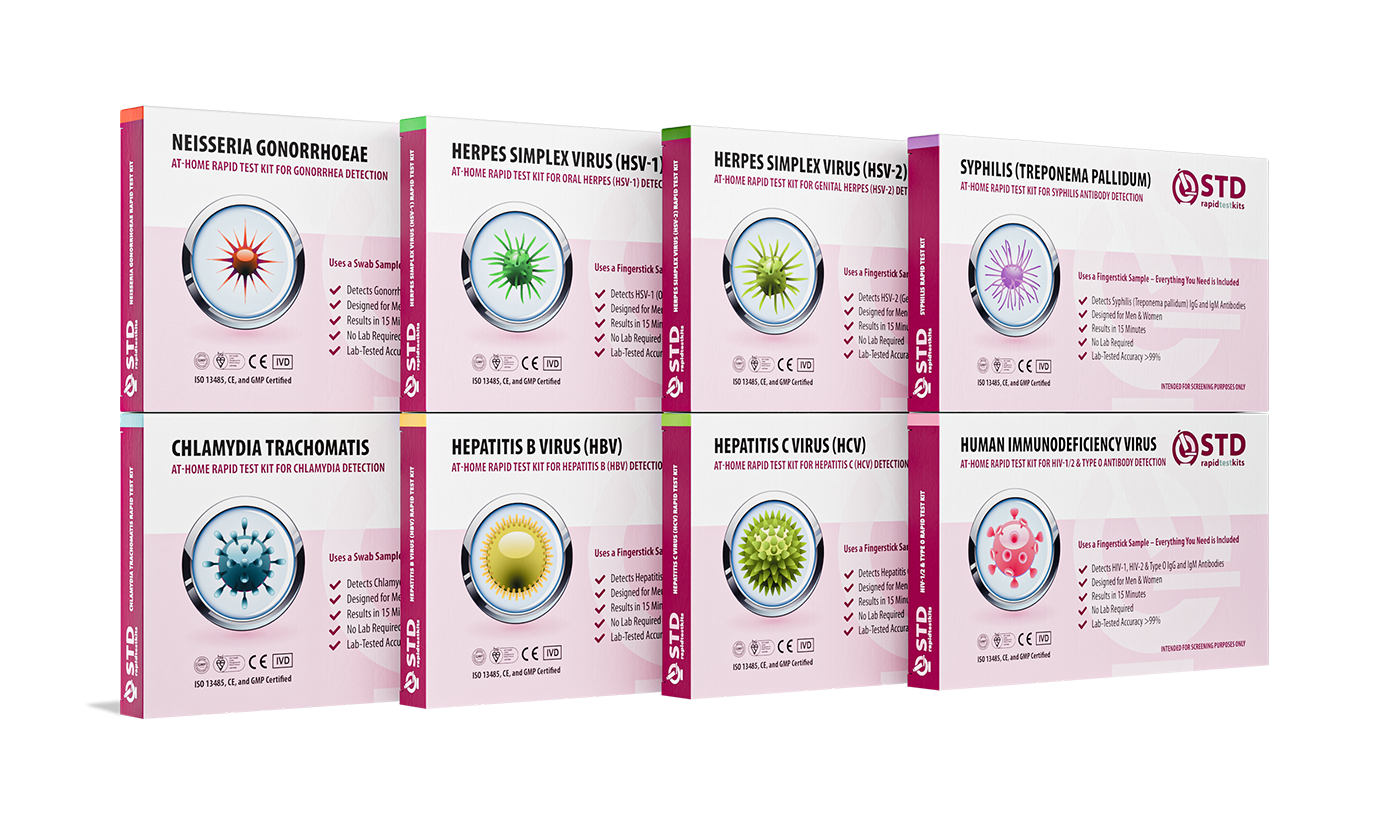 For Men & WomenResults in MinutesNo Lab NeededPrivate & Discreet
Order Now $149.00 $392.00
For all 8 tests
Yes, You Can Keep This Private
Worried about privacy? That’s valid, especially in small towns where everyone seems to know everyone. But here’s the good news: at-home testing kits arrive in discreet packaging, often unmarked or with neutral return addresses. Your results are confidential, and you decide who sees them. You don’t need to involve your family doctor, your insurance, or even your partner, unless you want to.
If you're worried about how to talk to a partner after a positive result, or how to ask them to get tested, some services offer anonymous notification tools. You can send a message without revealing your identity, letting them know they’ve been exposed and should test. It’s not about blame, it’s about care.
There’s also telehealth. More and more virtual clinics now offer STI testing and treatment guidance without requiring you to step foot into an office. Some even mail prescriptions or connect you with nearby pharmacies. For rural patients, this is revolutionary, especially when the nearest in-person provider is hours away or emotionally unsafe.
Bottom line? Your sexual health is your business. And now, more than ever, you have ways to protect it without risking your privacy or comfort.
FAQs
1. Can chlamydia really get mistaken for a UTI?
All the time, especially in fast-paced or under-resourced clinics. The two can feel almost identical at first: burning pee, pressure down there, that “something’s off” feeling. But unless a provider runs an actual STI test (not just a urine dipstick), they could be treating the wrong thing, and you’re left thinking you’re fine when you’re not.
2. I was treated for a UTI, but I still don’t feel right. Could it be chlamydia?
That gut feeling? Trust it. If your symptoms didn’t clear up after antibiotics, or came back fast, it’s totally possible the original infection wasn’t a UTI at all. We hear this story over and over: someone’s given a quick UTI prescription, but the real issue was chlamydia that no one tested for. Time to test, not guess.
3. Do rural clinics test for STIs by default?
Honestly? Not always. Many don’t unless you ask directly. Some don’t have the supplies. Others follow outdated policies. And sometimes, you just don’t “look high-risk” to the provider. It’s unfair, but it happens. So yeah, if you’re in a small-town or urgent care setting, don’t assume they’re checking everything. Speak up or test at home.
4. So... how do I know if it’s chlamydia or a UTI?
You might not know for sure without a test. But here’s a clue: if you’ve got vaginal discharge, pain during sex, spotting between periods, or your symptoms seem stubborn after UTI meds, it’s worth checking for chlamydia. It hides quiet but causes damage if ignored.
5. Can you test too early for chlamydia?
Yup. If it’s only been a couple days since the hookup or exposure, the bacteria might not show up yet. Most experts say that you should wait 7 to 14 days after being exposed to get accurate results. If you test earlier, consider retesting later to be sure.
6. What kind of test actually finds chlamydia?
The go-to is a NAAT (nucleic acid amplification test), a fancy name for a test that looks for the bacteria’s DNA. It’s super accurate and works with either urine or a swab. At-home kits, mail-in labs, and clinics all use this method. So yes, you can absolutely do it without leaving your house.
7. I took antibiotics already. Could they have cleared chlamydia?
Maybe, but don’t count on it. Some UTI meds overlap with STI treatment, but not all, and definitely not in the right dose or duration. If no one told you they were treating for chlamydia specifically, get tested anyway. Don’t assume you’re covered just because you popped a few pills.
8. What happens if I don’t treat it?
That’s when things get messy. Untreated chlamydia can lead to pelvic inflammatory disease (PID), infertility, chronic pain, and complications like ectopic pregnancy. For guys, it can cause testicular inflammation and urethral scarring. And none of this shows up with loud alarms, it sneaks up if you don’t catch it in time.
9. I’m scared someone will find out. Is at-home testing safe and private?
100%. The packaging is discreet, the process is private, and you get to control what happens next. Nobody needs to know unless you want them to. You don’t have to face awkward clinics or explain your sex life to a stranger. You just collect, send, and wait.
10. Can I get it again even after treatment?
Yes, and it’s way more common than people realize. You can get re-infected if your partner wasn’t treated or if you have a new exposure. That’s why it’s smart to retest about 3 months after treatment. It’s not overkill, it’s playing it safe with your body.
You Deserve Answers, Not Assumptions
You're not the only one who has been told it's "just a UTI" but still felt like something was wrong. Across rural communities, countless patients are misdiagnosed or not tested at all for chlamydia, often until it’s too late to avoid complications. But you don’t have to wait for a clinic to get it right. You can test from home. You can trust your instincts. And you can protect your health on your terms.
Don’t leave it to chance, especially if you’ve been treated for a UTI but never tested for an STI. This discreet at-home test kit screens for multiple STDs and gives you answers quickly, confidentially, and without judgment.
How We Sourced This Article: We combined current guidance from leading medical organizations with peer-reviewed research and lived-experience reporting to make this guide practical, compassionate, and accurate.
Sources
1. CDC STD Surveillance Report, 2022
2. Planned Parenthood: Chlamydia Facts
4. Chlamydia (Chlamydia trachomatis) – CDC STI Treatment Guidelines
5. Chlamydia – StatPearls (NIH/NCBI)
6. Chlamydia Test – MedlinePlus
7. Missed Diagnosis of Chlamydia trachomatis – PMC (NIH)
8. Urinary Tract Infection (UTI): Symptoms & Causes – Mayo Clinic
9. Sexually Transmitted Infections Treatment Guidelines – CDC MMWR
About the Author
Dr. F. David, MD is a board-certified infectious disease specialist focused on STI prevention, diagnosis, and treatment. He blends clinical precision with a no-nonsense, sex-positive approach and is committed to expanding access for readers in both urban and off-grid settings.
Reviewed by: C. Hall, NP-C | Last medically reviewed: January 2026
This article is for informational purposes and does not replace medical advice.


