STD Symptoms After a Hookup: What to Watch For and When to Test
Symptoms after a hookup that had no label




- STD symptoms can appear days to weeks after exposure, and many infections are silent in the early stage. Testing during the right window is the only reliable way to know.
- Pick a kit that matches the exposure type: a self-collected swab for chlamydia, gonorrhea, trichomoniasis, or HPV; a fingerstick blood test for HIV, syphilis, hepatitis, or herpes antibodies.
Published: October 2025 | Last updated: May 2026 | Editorial review and quality control: Martina N.
You weren't dating, exactly. You weren't single, either. Then symptoms started, and now you're not sure who to tell, or whether telling anyone is even the right call. This guide walks through what STD symptoms look like after a situationship, when to test, what mimics what, and how to take care of yourself when the relationship label is fuzzy but the biology is not.
Most readers who land on a page like this didn't catch anything serious. The 80 percent who feel a little off after sex are usually dealing with friction, soap residue, dehydration, or a hormonal shift. The 20 percent who do have an infection deserve clear answers fast, and without shame. Both groups belong here.
Key Takeaways
- STD symptoms can appear days to weeks after exposure, and many infections are silent in the early stage. Testing during the right window is the only reliable way to know.
- Pick a kit that matches the exposure type: a self-collected swab for chlamydia, gonorrhea, trichomoniasis, or HPV; a fingerstick blood test for HIV, syphilis, hepatitis, or herpes antibodies.
Why Situationships Are a Breeding Ground for Silent STDs
"I didn't even think I needed to bring up testing," said Tahlia, 21, who tested positive for chlamydia after a three-month casual connection with someone she never called her boyfriend. "We weren't exclusive, but it felt like we trusted each other. I thought if there was a risk, they'd say something."
Trust and exclusivity aren't the same. In undefined relationships, both people often assume the other is being safe, or they avoid the conversation altogether because "it's not serious." Infections don't care about labels. The most common bacterial sexually transmitted infections in young adults, chlamydia, gonorrhea, and trichomoniasis, can transmit during a single encounter, and most chlamydia infections in particular show no symptoms at all (CDC, About Chlamydia).
That silence is the danger. People pass infections on without knowing they have them, and what starts as a casual connection can spiral into something serious medically. Some symptoms feel like nothing at all, and others read like something totally unrelated, a yeast issue, a UTI, an allergic reaction to a new soap.
What Symptoms Often Get Ignored After a Situationship
After a weekend trip with someone she met through a dating app, Jess, 19, noticed itching but figured it was a hygiene thing. She didn't test until her roommate urged her to. The diagnosis was trichomoniasis. "I wouldn't have even thought about it. We used protection most of the time, but not always," she admitted.
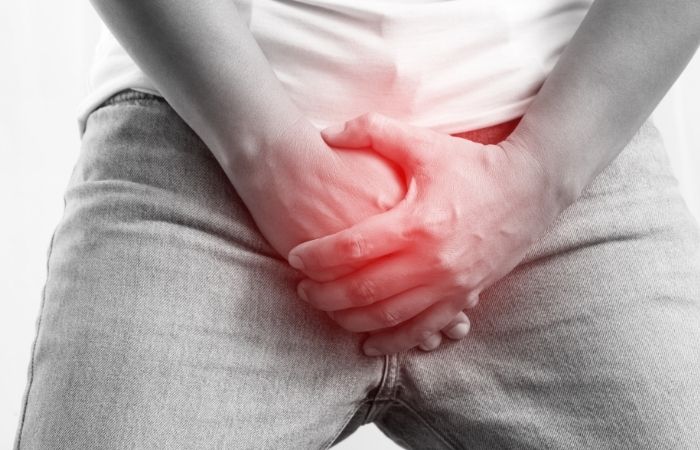
Many sexually transmitted infections mimic everyday irritation, or they don't cause symptoms at all (Mayo Clinic, STD Symptoms and Causes). In hookups with emotional ambiguity, there's often a delay in taking those signs seriously. The table below pairs common symptoms that get dismissed after casual sex with what they could actually be.
| Symptom | Often Mistaken For | Possible STI |
|---|---|---|
| Burning when peeing | Dehydration, UTI | Chlamydia, gonorrhea, herpes |
| Itching around genitals | Shaving irritation, detergent reaction | Trichomoniasis, pubic lice, herpes |
| Unusual discharge | Cycle change, dehydration | Chlamydia, gonorrhea, BV |
| Red bumps or sores | Razor burn, allergic reaction | Herpes, syphilis |
| Fatigue or low-grade fever | Stress, flu, school burnout | HIV, syphilis, hepatitis B |
How Long After a Hookup Do Symptoms Show Up?
One of the biggest traps is assuming "if something was wrong, I'd know by now." That's not how infections work. Different STIs have different window periods, the gap between exposure and the moment symptoms or a reliable test result appear. Test too early and you can get a false-negative reassurance. Wait too long and the infection can spread silently, or to someone else.
The guide below shows common STIs, typical symptom onset, and when at-home or clinic testing becomes reliable. These windows are based on CDC and Mayo Clinic guidance for screening (Mayo Clinic, STD Symptoms In-Depth).
| STI | Symptoms May Appear | When a Rapid At-Home Test Is Reliable |
|---|---|---|
| Chlamydia | 1 to 3 weeks (often none) | About 14 days after exposure |
| Gonorrhea | 2 to 7 days (often none in women) | 7 to 14 days after exposure |
| Trichomoniasis | 5 to 28 days | 7 days or more after exposure |
| Herpes (HSV-2 antibody) | 2 to 12 days for an outbreak | Blood antibody test 6 to 12 weeks after exposure |
| HIV (rapid antigen-antibody) | 2 to 6 weeks (flu-like) | About 18 to 45 days, retest at 90 days |
| Syphilis | 10 to 90 days for chancre | 3 to 6 weeks after exposure |
The Difference Between Symptom Timing and Test Detection Timing
This is where a lot of people get tripped up. Symptom timing tells you when your body might react. Test detection timing tells you when a kit can actually pick up the infection. They're often weeks apart. Some people never develop symptoms at all. Others get false reassurance from testing on day two. The safest path is simple: wait the appropriate window, test, and retest if symptoms continue or your gut tells you something is off.
For HIV specifically, the CDC notes that fourth-generation antigen-antibody tests usually detect the virus within 18 to 45 days, but the official window for full reliability extends to 90 days (CDC, HIV Testing). For syphilis, antibody tests become reliable in the 3-to-6-week range. For bacterial swabs (chlamydia, gonorrhea), 14 days post-exposure is the safest single-test window.
Disclosure: this article is published by stdrapidtestkits.com, which sells the at-home kits linked below. We recommend products based on fit for the reader's concern, not commercial benefit.
How long after a hookup should I test for STDs?
For chlamydia, gonorrhea, and trichomoniasis, test 7 to 14 days after exposure. For HIV with a fourth-generation antigen-antibody test, test at 18 to 45 days and retest at 90 days for full window closure. For syphilis, allow 3 to 6 weeks. For HSV-2 antibody, the window is 6 to 12 weeks. Test sooner if symptoms appear, and retest at the full window if your initial result was negative but the exposure was significant.

Why It Feels So Awkward to Talk About Testing in a Situationship
The ambiguity of modern dating makes clear health conversations hard. When you're in a situationship, bringing up STI testing can feel like you're suggesting more commitment, or accusing the other person of being risky. Neither is true, but the awkwardness is real.
Micah, 23, had been sleeping with someone from their art class for a couple of months. "It wasn't serious, but we hung out all the time," they explained. "When I brought up getting tested, they got weird about it. Said, 'Why? You think I'm dirty?' It messed up the vibe." A week later, Micah tested positive for gonorrhea. Their partner didn't follow up until weeks later, after symptoms showed up for them too.
Hesitation is especially common when the relationship is emotionally foggy. Without labels, people fear rocking the boat. But if the boat is leaking, it's better to know before it sinks. Bringing up testing in a situationship can feel like an accusation, but it's a baseline both people deserve, regardless of how the situationship gets defined later.
Lead with your own routine instead of asking about theirs: "When was your last test? I do mine every couple of months." Confidence around testing reads as care, not suspicion. If a partner reacts badly, that tells you something about how they handle their own health, and probably yours too.
The Testing Reality: At-Home Options for Awkward Situations
If your stomach drops at the thought of asking someone to test, or being seen at a clinic, you're far from alone. At-home rapid kits have become a practical option for anyone who wants privacy, speed, and discretion without a clinic visit.
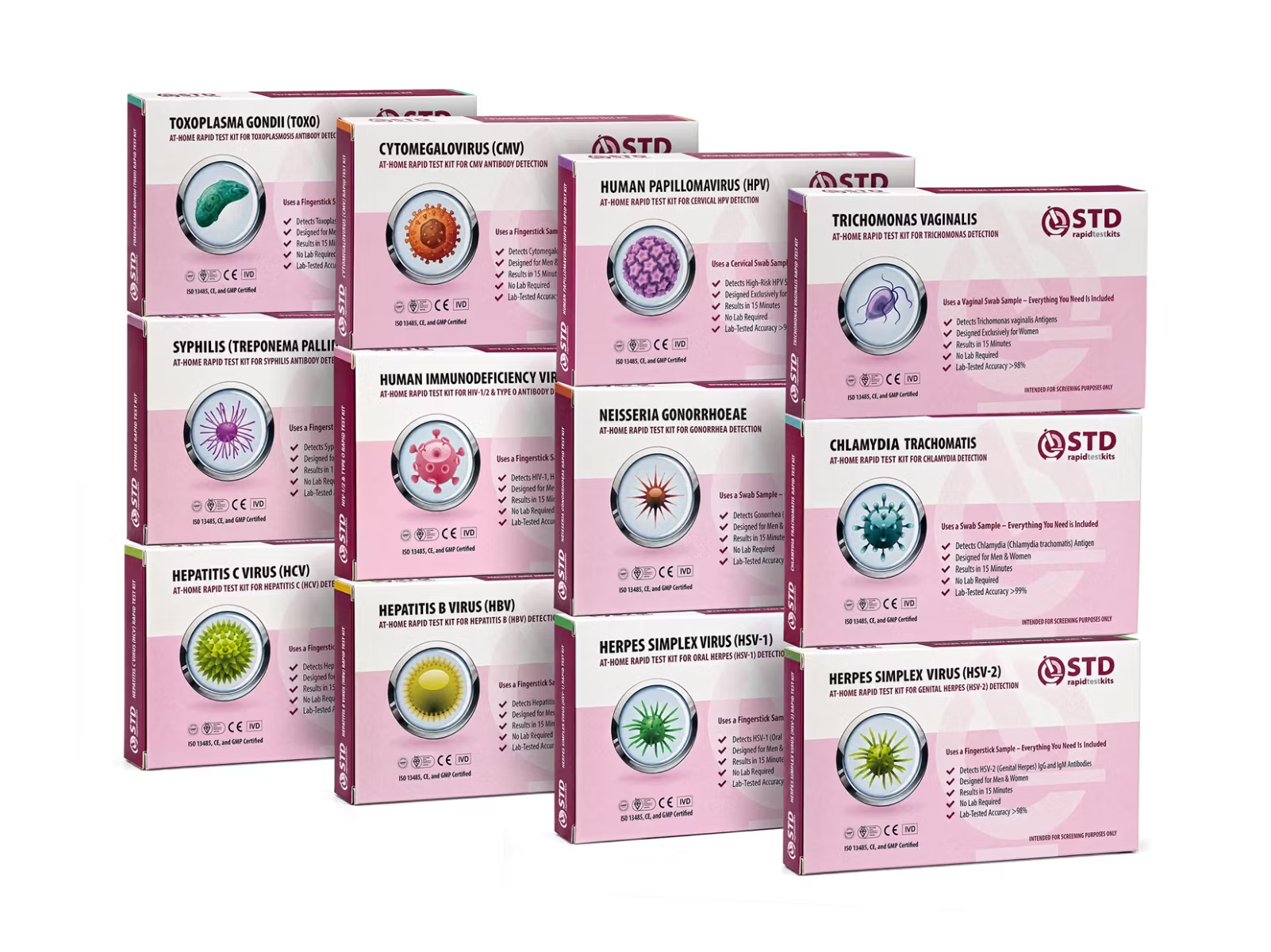
At-home rapid lateral-flow kits use a self-collected sample. For chlamydia, gonorrhea, trichomoniasis, and HPV, that's a swab. For HIV, syphilis, hepatitis, and herpes antibodies, it's a fingerstick blood draw. Most rapid cassettes show a result in about 15 minutes. These home tests are screening tools, useful for getting an early read in private. A positive home result is worth confirming with a clinic-run nucleic-acid test (NAAT) when possible, and any complicated symptom picture is worth taking to a clinician.
You don't need permission, a partner's agreement, or a justification to test. If you're not sure what to check for, a multi-infection combo kit covers the most common single-encounter risks in one box.
When Ghosting Becomes a Medical Problem
Nico thought a long weekend with someone they met at a friend's party was the start of something. By Monday, that person had stopped responding. "I was bummed, but it happens," Nico said. "What hit harder was the itching that started a few days later."
They Googled, blamed stress, ignored it, until a friend mentioned it could be herpes. They ordered an at-home test online. It came back positive for HSV-2 antibodies. "I felt violated and stupid at the same time," they said. "And I couldn't even message them. They had blocked me."
This is the risk that gets undersold in casual dating. Ghosting after sex isn't just hurt feelings. It complicates partner notification, treatment, and testing timelines, because someone who already moved on may be infecting other partners with no idea they're carrying anything. If you've been ghosted and suspect exposure, test as soon as the window allows.
If you test positive and direct contact feels unsafe or impossible, services like "Tell Your Partner" and similar local-health-department portals send a brief generic alert with no name attached. Search your state or county health department website for partner-services tools, or ask your clinician what's available where you live.
Why Gen Z STI Rates Are Rising (and Why It's Not Your Fault)
Rates of chlamydia, gonorrhea, and syphilis remain disproportionately high in people aged 15 to 24, according to CDC surveillance (CDC, STD Statistics). Public-health analysts attribute this to several overlapping factors: lower condom use, fewer routine clinic visits since the pandemic, more partners contacted through dating apps, and patchy sex education that left many people without practical prevention skills.
Be honest with yourself: the system makes judgment-free testing hard to access, and the sex-ed most readers got was awkward at best, abstinence-only at worst. Navigating pleasure, protection, and prevention often feels like driving without ever taking a class.
STIs are not moral failures. They're infections, treatable, manageable, and common. But that doesn't mean ignoring them is harmless, especially when most early-stage infections cause no symptoms at all.
Why early detection matters
- Untreated chlamydia and gonorrhea can cause pelvic inflammatory disease and infertility, especially in people with vulvas. The infections are often symptom-free until complications appear.
- Untreated syphilis can affect the heart and nervous system years after the initial chancre fades. Antibiotic treatment in early stages clears the infection completely.
- Untreated HIV progresses to AIDS without antiretroviral therapy. Modern treatment keeps viral load undetectable and brings sexual transmission risk to effectively zero, which is why testing is the gateway to care that prevents the worst outcomes.
- The single-act risk of HIV transmission from a partner not on treatment is roughly 0.08 percent for vaginal sex and higher for receptive anal sex. The right testing windows are 18 to 45 days for fourth-generation antigen-antibody tests, with full closure at 90 days.
What If You Already Got Tested Too Early?
One of the most common mistakes is testing too soon, getting a negative result, and assuming everything is fine. The truth depends on the test type and the timing. Early tests can miss an infection that's already started spreading.
Leila tested four days after a condomless hookup that felt risky. "I was freaking out and needed answers," she said. "When the test came back negative, I relaxed." Three weeks later she developed painful urination and spotting. A second test confirmed gonorrhea. The first result wasn't wrong, exactly. It was simply too early to detect a low-bacterial-load infection.
If you tested early and symptoms continue, or if your gut says something is off, retest. That's not overcaution; it's how testing windows are designed to work. For most bacterial STIs, retesting at 14 to 30 days post-exposure clears up false-early-negatives. For HIV with a fourth-generation antigen-antibody test, full window closure is around 90 days.
Chlamydia and gonorrhea: retest 14 to 30 days after exposure if your initial test was within 5 days. HIV (fourth-generation antigen-antibody): full window closure at 90 days. Syphilis (antibody): retest at 6 weeks if first test was earlier. HSV-2 antibody: retest at 12 weeks if first test was earlier.
How to Handle It Emotionally When It Wasn't Real but Still Hurt
It hits differently when you catch an STI from someone you weren't even in a real relationship with. There's a particular kind of shame that comes with the thought, "I didn't even get love out of this, just symptoms."
That framing isn't fair to you. It implies that being infected by a long-term partner would somehow be acceptable, which it wouldn't. Infections don't check relationship status. You deserve care and healing whether the connection lasted three nights or three years.
Ellis, 22, said the hardest part wasn't the diagnosis. It was the silence after. "I didn't know who to talk to. It felt dramatic to cry over someone who didn't even text me back." But the tears were valid. The fear was real. Healing only started when Ellis let themselves feel it instead of minimizing the experience.
Free counseling lines like the SAMHSA National Helpline (1-800-662-4357) include trained counselors who handle sexual-health-related distress without judgment. Local health departments also run free counseling for people newly diagnosed with HIV or HSV. If you're feeling dumb or used, those words aren't yours to carry, and there are people whose entire job is to help you put them down.
Should You Tell the Other Person, and How?
You got a positive result. Now you're staring at their name in your phone, wondering whether to send the text or just move on. The short answer is: if you can safely contact them, telling them is the right thing to do. There are a few different ways to do it.
If a direct message gives you a panic attack, look up an anonymous partner-notification service. Many local health departments run online tools where you enter someone's phone number or email and they receive a generic "You may have been exposed to an STI, please get tested" message with no name attached.
If you'd rather send it yourself, keep it short and calm. You're not starting a conversation. You're closing a loop. What they do with the information is on them. You've done your part.
"Hey, just a heads up, I recently tested positive for [STI] and you might want to get checked. Let me know if you have questions."
That's it. Short, calm, no apology required. No need to engage in a back-and-forth if you don't want to.
Protecting Yourself in the Future Without Killing the Vibe
You don't have to become the condom police or give a TED Talk during every hookup. There are ways to protect yourself that still feel human (CDC, STD Prevention).
Ask about their last test before sex. Normalize it. "When was the last time you got tested? I do it every couple of months" opens a conversation more often than it closes one. Keep condoms easy to reach. Keep an at-home test on hand the way you keep ibuprofen, not as a panic button, just a routine tool. The table below lays out testing timelines for common situationship scenarios.
| If This Happens | Then | When to Test |
|---|---|---|
| Condomless vaginal or anal sex with a new partner | Test for chlamydia, gonorrhea, trichomoniasis | About 14 days later |
| Oral sex with someone new | Discuss herpes and gonorrhea screening with a clinic | 7 to 14 days later |
| Ghosted after a hookup, feeling anxious | Start with a combo kit, plan to retest | Initial at 10 days, follow-up at 30 days |
| Symptoms like burning, sores, or unusual discharge | Test immediately with the matching kit | As soon as possible |
| You tested within 5 days of exposure and it was negative | Retest after the full window passes | 14 to 30 days after exposure |
Testing Is Care, Not Confession
The more testing feels like brushing your teeth instead of making a confession, the easier it gets. It's not about guilt; it's about staying informed and in control of your own body. Being careful, using protection, and asking the right questions: none of that makes you immune, and none of it makes you naive when things go sideways. You're a person who lives in a real body, in a real world, with biology that doesn't ask for permission.
If you're navigating a mess of emotions after a hookup that went sideways, or a result you didn't expect, you're not alone. If you don't know where to start, a multi-infection combo kit takes about 15 minutes from sample to result and ships in plain packaging.
Many sexually transmitted infections have no symptoms or only mild symptoms that go unnoticed. The only way to know for sure if you have an STI is to get tested.
FAQs
- Can I really get an STD from a one-night stand?
- Yes. Chlamydia prevalence in sexually active adults under 25 is high enough that a single unprotected encounter carries real risk, and the per-act probability for bacterial infections like gonorrhea can reach 20 to 50 percent for receptive sex with an infected partner. One encounter is enough for transmission, especially when the infection is asymptomatic on the source side.
- We didn't have penetrative sex. Should I still worry?
- Possibly. Oral sex, skin-to-skin contact, and sharing toys all carry risk for some infections. Herpes, HPV, and gonorrhea can transmit without full penetration. If anything came into direct contact with genital, anal, or oral tissue, testing is worth considering, especially if symptoms appear.
- I got tested five days after the hookup. Can I trust the result?
- Probably not on its own. Five days is too early for chlamydia (best at 14 days) and HIV antigen-antibody testing (best at 18 to 45 days, with full closure at 90 days). Gonorrhea may show on a swab in that window, but a negative result this early doesn't rule out infection. Plan to retest at the 2-to-4-week mark for peace of mind.
- They ghosted me. Should I still tell them I tested positive?
- If you can safely contact them, yes. They may not know they're infected and they may be exposing other partners. If you don't want direct contact, use an anonymous partner-notification service through your local health department. You're not obligated to put yourself in an unsafe conversation, but informing exposed partners protects the wider community.
- Why didn't I have any symptoms if I tested positive?
- A lot of STIs are quiet. Chlamydia, gonorrhea, and trichomoniasis can stay asymptomatic for weeks or months, especially in people with vulvas. Asymptomatic infection is one of the main reasons routine testing matters even when you feel fine. The CDC recommends annual chlamydia and gonorrhea screening for sexually active women under 25, and for men who have sex with men.
- Is it weird to ask someone if they've been tested before sex?
- Not anymore. "When was your last test? I do mine every few months" is a low-stakes way to open the topic. Confidence around testing reads as care, not suspicion. If a partner reacts badly to the question, that's information about how they handle their own health, and probably yours.
- We used a condom. Why did I still get something?
- Condoms reduce transmission risk significantly but don't cover everything. Skin-to-skin infections like herpes and HPV can transmit through areas a condom doesn't cover. Condoms can also slip, break, or come off late. They're a powerful tool, just not a complete one, which is why testing is still part of the picture.
- Do I have to tell future partners about a past STI?
- Some yes, some no. Lifelong viral infections like genital herpes and HIV warrant disclosure before sex. Curable bacterial infections (chlamydia, gonorrhea, syphilis, trichomoniasis) once treated and confirmed clear are generally not something you have to disclose, though many people choose to be transparent anyway. When in doubt, ask a clinician what's expected for your specific diagnosis.
How we sourced this article: We combined current guidance from the CDC, Mayo Clinic, MedlinePlus, and Planned Parenthood with the published timing windows for at-home rapid lateral-flow tests. The personal stories are composite illustrations drawn from common patterns young adults describe when navigating STI testing after casual sex; they are not specific identified individuals. This article is published by stdrapidtestkits.com, which sells at-home STI testing kits. We recommend products based on fit-for-purpose for the reader's concern, not commercial benefit.
- U.S. Centers for Disease Control and Prevention. About Chlamydia, fact sheet covering symptoms, transmission, screening guidance, and timing.
- U.S. Centers for Disease Control and Prevention. HIV Testing, including window periods for fourth-generation antigen/antibody lab tests (18 to 45 days) and full detection reliability at 90 days.
- U.S. Centers for Disease Control and Prevention. STD Statistics, surveillance data on chlamydia, gonorrhea, and syphilis rates, with breakdowns by age group including 15 to 24.
- U.S. Centers for Disease Control and Prevention. STD Prevention, condom guidance, communication with partners, and routine screening recommendations.
- Mayo Clinic. Sexually Transmitted Diseases (STDs), Symptoms and Causes, overview of common symptoms, transmission routes, and risk factors.
- Mayo Clinic. STD Symptoms In-Depth, with detail on incubation, asymptomatic infection, and when to seek testing.
- MedlinePlus (U.S. National Library of Medicine). Sexually Transmitted Infections, plain-language overview of common STIs.