Published: August 2025 | Last updated: May 2026 | Editorial review and quality control: Martina N.
If symptoms you thought were behind you just came back, or if a new outbreak appeared days after a recent encounter, the first question most people ask is whether this is the same virus waking up or a different one arriving. Herpes is one of the most common chronic viral infections worldwide: the World Health Organization estimates around 3.8 billion people under age 50 carry HSV-1 and around 520 million people aged 15 to 49 carry HSV-2 globally (WHO herpes simplex virus fact sheet).
The short version: once herpes is in your body, it stays for life, hiding inside nerve tissue and reactivating from time to time. Catching a brand new herpes infection on top of one you already have is possible but uncommon. The longer version, which is what most readers actually need, depends on timing, exposure history, and what testing can and cannot show.
Key Takeaways
- Symptoms returning after years without contact are almost always a reactivation of dormant herpes, not a brand new infection caught from a recent partner.
- Most herpes antibody blood tests cannot reliably distinguish a flare-up from a fresh exposure once you have already seroconverted to that HSV type.
How Herpes Behaves in the Body
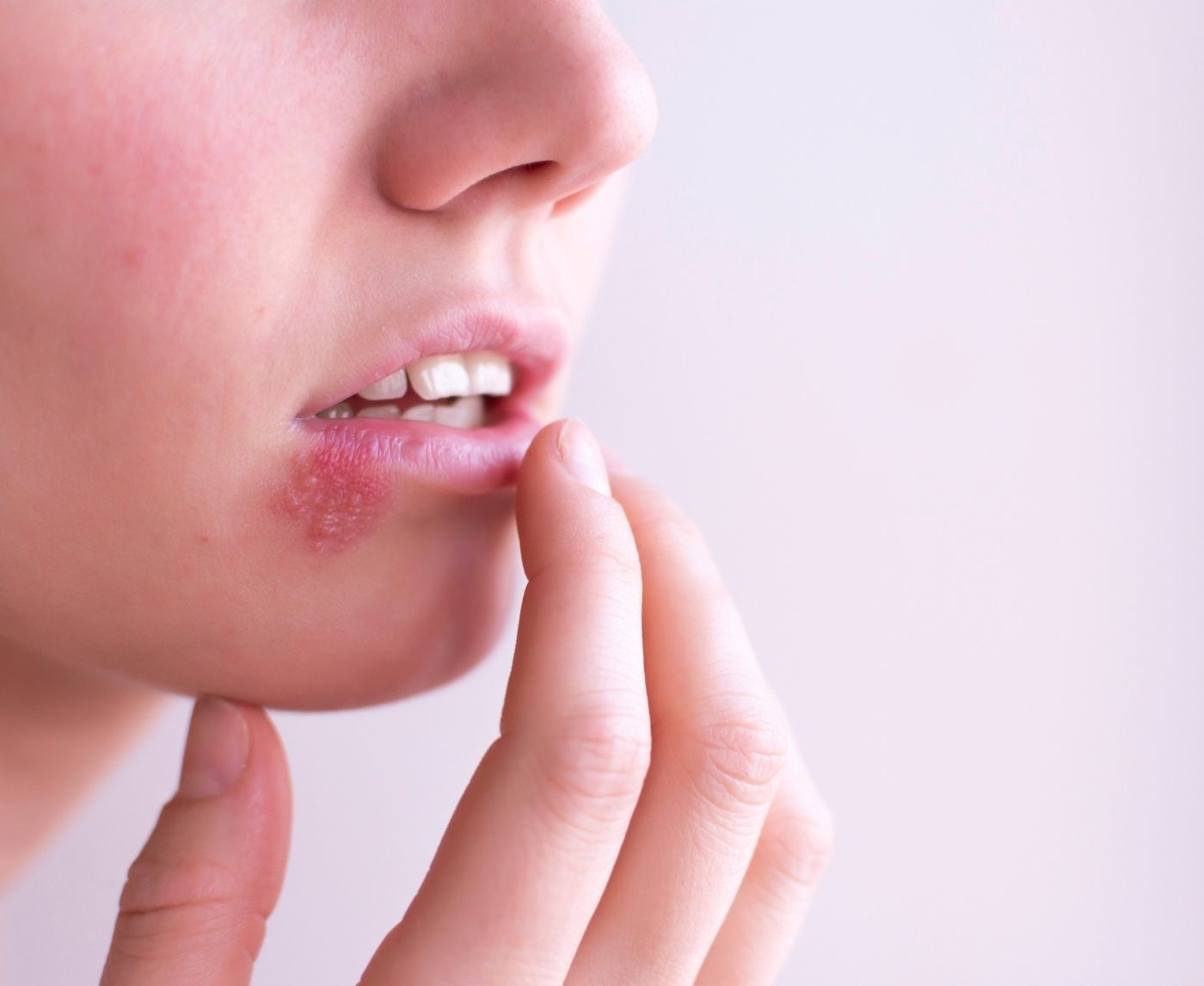
Herpes simplex virus enters the body through small breaks in skin or mucosal tissue, often during oral, vaginal, or anal contact with someone who is shedding the virus. The first time it enters, your immune system mounts a response. Some people have a strong primary outbreak with painful sores, fever, swollen glands, and body aches. Others have such mild symptoms they never realize they were infected at all (CDC, About Genital Herpes).
After the primary infection settles, the virus does not leave. It travels along sensory nerves to clusters of nerve cells called ganglia and goes dormant. The Cleveland Clinic describes this as the virus essentially hiding from the immune system inside nerve tissue, where antibodies and immune cells cannot easily reach it (Cleveland Clinic, Herpes Simplex).
Periodically, something triggers the virus to wake up and travel back down those same nerves to the skin. That is reactivation. It can be silent, meaning the virus sheds without visible symptoms, or it can produce the tingling, itching, and sore patterns most people associate with a herpes outbreak.
After the first outbreak, the virus retreats into nerve ganglia and can stay dormant there for months or years. The immune system controls it but cannot remove it. That dormancy is why a reactivation can appear long after the original infection, often with no new exposure involved.
Reactivation vs New Infection at a Glance
The biology of a reactivation is fundamentally different from a primary infection, but the visible symptoms can look similar enough to confuse anyone. A primary infection involves a virus that has never met your immune system before, so the immune response is loud, often accompanied by fever, fatigue, and widespread sores. A reactivation involves a virus your body has already learned to fight, so the response is usually quieter and more localized (CDC, About Genital Herpes).
The table below summarizes the most useful differences for figuring out which scenario you might be dealing with.
| Feature | Reactivation | New (primary) infection |
|---|---|---|
| Cause | Existing dormant virus reawakens in nerve tissue | First-time exposure to HSV-1 or HSV-2 |
| Timing | Anytime after initial infection, days to years later | Symptoms usually appear 2 to 12 days after exposure |
| Severity | Usually milder, fewer sores, faster healing | Often more severe, with possible fever and body aches |
| Healing time | Around 3 to 7 days, often shorter on antivirals | Up to 2 to 3 weeks for lesions to fully crust over |
| Antibody pattern | IgG already positive from the earlier infection | IgG may not yet be detectable in the first few weeks |
Common Triggers That Wake the Virus Up
Reactivation is not random. The virus tends to resurface when the immune system is busy elsewhere, when hormones shift, or when something physically irritates the nerve pathway where the virus lives. Recognizing your personal triggers is one of the most useful tools for predicting and reducing outbreaks (Cleveland Clinic, Herpes Simplex).
The most commonly reported triggers include:
- Physical illness, fever, or other infections that occupy the immune system
- Prolonged emotional stress, grief, or burnout, which raises cortisol and dampens immune surveillance
- Hormonal shifts, particularly around menstruation and pregnancy
- Strong UV exposure, especially for oral HSV-1 reactivation on the lips
- Friction or minor injury to the skin around the usual outbreak site, including from sexual activity
- Immune-suppressing medications, chemotherapy, or untreated HIV
The friction trigger matters because it explains a confusing scenario clinicians see often: an outbreak appears within days of sex with a new partner, but the underlying cause is the existing dormant virus responding to local skin irritation, not a fresh exposure from that partner.
Could It Actually Be Reinfection?
True reinfection is possible but uncommon. A person who already carries HSV-1 can later acquire HSV-2, and vice versa, because the immune response to one type is type-specific and does not provide full protection against the other (WHO herpes simplex virus fact sheet). Catching a second copy of the same type you already have is biologically possible but rare, and the more typical explanation for returning symptoms is reactivation, not reinfection.
The most clinically meaningful reinfection scenario is type-switching. Someone whose oral cold sores have been HSV-1 for years acquires HSV-2 from a new genital exposure. Symptoms appear in a new anatomical location, typically 2 to 12 days after the encounter. Testing during the outbreak by swabbing a lesion for PCR can identify which HSV type is in the sore, which is often the only reliable way to confirm a second-type infection (CDC STI Treatment Guidelines, Diagnostic Considerations).
For most readers, however, returning symptoms in the same location you have seen them before, without a recent unprotected encounter, are almost always reactivation rather than a new infection.
Type-switching (HSV-1 to HSV-2, or the reverse) is the most clinically meaningful reinfection scenario. A swab PCR taken during an active outbreak can confirm which HSV type is present in the sore, which is usually the only reliable way to tell type-switching apart from a flare-up of the type you already carry.
What Testing Can and Cannot Show
Herpes testing comes in two main forms: PCR or culture from an active lesion, and blood tests for antibodies. Each answers a different question, and confusing the two leads to a lot of unnecessary anxiety.
PCR on a lesion swab is the most useful test during an active outbreak. It identifies the specific HSV type (HSV-1 or HSV-2) in the sore itself. The CDC STI Treatment Guidelines describe PCR as the preferred laboratory test for genital herpes because it is more sensitive than viral culture (CDC STI Treatment Guidelines, Diagnosis). What it does not tell you is whether the virus in that sore has been there for years or arrived last month.
Antibody blood tests look for type-specific IgG antibodies, which typically appear within 4 to 6 weeks of a first infection and persist for life. Because they persist, an existing positive does not change when the virus reactivates. If you already test IgG-positive for HSV-2, you will keep testing positive whether your most recent outbreak was a flare-up or a fresh exposure to a different viral strain. IgM testing, which some kits include, is not type-specific enough to reliably distinguish recent from older infection and is not recommended as a stand-alone screen by the CDC (CDC STI Treatment Guidelines).
This article is published by stdrapidtestkits.com, which sells at-home STI testing kits. We offer an at-home herpes IgG antibody test, suitable for checking your HSV status from 4 to 6 weeks after a possible exposure when no active sore is present, and we recommend products based on fit for the reader's concern rather than commercial benefit.
How Contagious Are You During a Flare?
Whether the current outbreak is reactivation or primary infection, the virus can transmit to a partner. The risk varies by which phase you are in, whether sores are visible, and whether you are taking antiviral medication.
Primary infections shed the most virus, often for two to three weeks, which is why the CDC notes the highest transmission risk occurs in the days around a first outbreak (CDC, About Genital Herpes). Reactivation outbreaks shed virus too, but typically for a shorter window, usually around 3 to 7 days, and at lower peak levels. Asymptomatic shedding, in which the virus is present on the skin without visible sores, accounts for a substantial portion of person-to-person transmission and can happen during both reactivation and a recently seroconverted infection.
The table below shows roughly how transmission risk varies across scenarios. These are general patterns reported in CDC and clinical guidance documents, not personal predictions.
| Scenario | Typical viral shedding | Relative transmission risk |
|---|---|---|
| Primary infection, sores active | High and prolonged, up to 2 to 3 weeks | Highest without protection |
| Reactivation outbreak with visible sores | Moderate, usually 3 to 7 days | Moderate, lower while on antivirals |
| Asymptomatic shedding, no sores visible | Low and intermittent | Lower but not zero |
| Daily suppressive antiviral therapy | Significantly reduced | Lowest non-zero risk |
Managing Recurrent Outbreaks
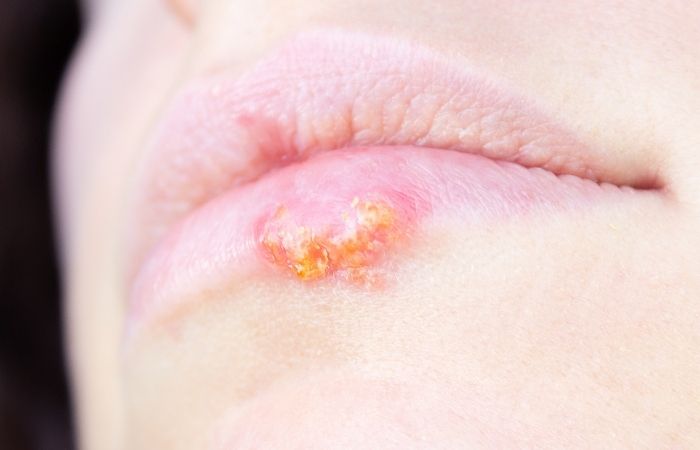
Herpes does not have a cure, but it does have well-studied treatments that reduce both how often outbreaks occur and how long each one lasts. Acyclovir, valacyclovir, and famciclovir are the three antivirals most commonly prescribed under the CDC STI Treatment Guidelines (CDC STI Treatment Guidelines, Recommended Regimens).
Two main treatment approaches exist. Episodic therapy means taking antivirals only when you feel an outbreak coming on, ideally within 24 hours of the first tingle or burning sensation. Suppressive therapy means taking a lower daily dose to prevent outbreaks. Suppressive therapy can reduce outbreak frequency by 70 to 80 percent in people with frequent recurrences and also lowers, though does not eliminate, the risk of transmitting HSV-2 to a partner (CDC STI Treatment Guidelines).
Non-medication strategies also help. Identifying personal triggers, protecting sleep and nutrition, and shielding skin from excessive friction or sun reduces reactivation frequency over time. Living with herpes is closer to a chronic-condition management situation than a disease in the everyday sense.
Pregnancy is the one scenario that meaningfully changes the math. If you are pregnant and you may be experiencing a primary herpes infection rather than a recurrence of an existing one, contact a clinician promptly. Primary infection late in pregnancy carries a much higher risk of neonatal transmission than a recurrent outbreak in someone who already carries the virus, and guidance on antivirals and delivery planning depends on which scenario applies (CDC STI Treatment Guidelines, Pregnancy).
Antivirals at a glance
- Acyclovir, valacyclovir, and famciclovir are the three antivirals the CDC recommends for genital herpes management.
- Episodic therapy: take antivirals at the first tingle or burning sign, ideally within 24 hours of symptom onset.
- Suppressive therapy: take a lower daily dose to prevent outbreaks, which can cut outbreak frequency by 70 to 80 percent.
- Suppressive therapy also lowers, but does not eliminate, the risk of transmitting HSV-2 to a partner.
Talking to a Partner When You Are Not Sure
If symptoms appeared after sex with a new partner, the natural impulse is either to assume the partner is the source of a new infection or to hide what is happening until you have a definitive answer. Neither is necessary. A reactivation can be triggered by the friction, stress, or excitement of the encounter itself. A new infection can come from someone who did not know they were infectious, because most people who carry herpes have no visible symptoms most of the time.
Practical language for this conversation: say that you are experiencing symptoms consistent with a herpes outbreak, that you are getting tested, and that you would like to pause sex and use condoms for a while until you have more information. This does not require certainty about who infected whom, and it does not require an apology. It does require partners to know enough to make informed decisions about their own bodies.
If neither of you knew about an existing herpes infection until now, a broader STI panel is reasonable to rule out coexisting infections that can complicate the picture, particularly chlamydia and gonorrhea, which often produce no symptoms at all. The CDC STI Treatment Guidelines recommend testing for other infections whenever a new STI diagnosis is made, both because co-infection is common and because some untreated infections raise the risk of acquiring or transmitting others (CDC STI Treatment Guidelines).
When Anxiety Becomes the Real Symptom
A meaningful number of people end up retesting repeatedly, examining their own skin daily, and avoiding intimacy long after physical symptoms have resolved. For many people, the emotional weight of a herpes diagnosis outlasts the physical symptoms by months or years, and the anxiety itself can become a reactivation trigger.
This matters clinically because untreated anxiety creates a feedback loop. Chronic stress raises cortisol, dampens immune function, and is itself a known trigger for reactivation. The more frightened a person is of a future outbreak, the more likely the stress alone is to produce one.
If testing is not producing reassurance but is instead increasing the urge to test more, that is information too. Talking with a clinician familiar with sexual health, or with a counselor who works on health anxiety, often does more than another laboratory result.
Choosing Your Next Step
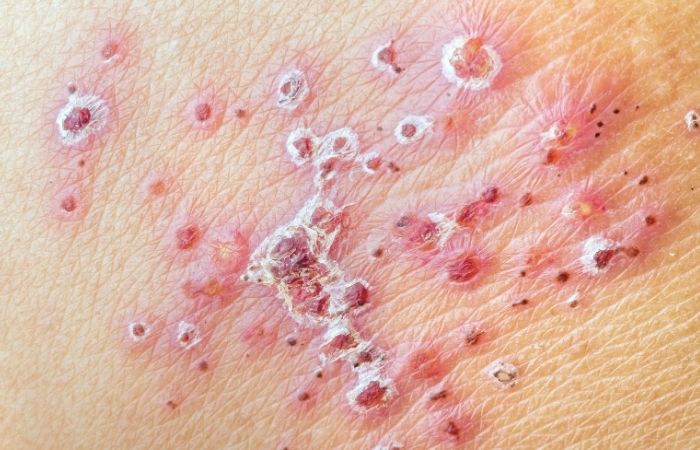
The most useful question is rarely “reactivation or reinfection.” It is “what do I do today.” None of the choices below require certainty about the past. Herpes is a chronic but manageable infection that millions of people carry without major disruption to their health, relationships, or sex lives (WHO). Whether the current outbreak is a flare-up of a virus you already had or a new strain, the next step is the same: get information, treat what can be treated, protect partners, and move on.
Three practical next steps
- Active lesion right now: see a clinic for a swab PCR, or start antivirals at the first tingle.
- Uncertain about a recent exposure: take a herpes blood test 4 to 6 weeks after the encounter to give antibodies time to appear.
- Concerned the symptoms might be something other than herpes: take a broader STI panel to rule out chlamydia, gonorrhea, syphilis, and other common alternatives.
FAQs
- Can herpes really come back after years with no symptoms?
- Yes. The virus lives in nerve tissue and can reactivate at any point after the first infection, sometimes after long quiet periods of months or years. Stress, illness, hormonal changes, friction, and immune suppression are the most common triggers.
- How do I tell whether this is a flare-up or a brand new infection?
- Timing and exposure history matter more than the appearance of the symptoms. New infections typically appear 2 to 12 days after the first exposure and tend to be more severe, sometimes with fever and body aches. Reactivations are usually milder, more localized, and can occur without any recent sexual contact.
- Can I catch herpes twice?
- Acquiring a second type is possible. Someone with HSV-1 can later acquire HSV-2, or vice versa, because immunity to one type does not fully protect against the other. Catching a second copy of the same type you already carry is biologically possible but uncommon.
- How long should I wait to test for herpes after a possible exposure?
- If there is no active sore, wait at least 4 to 6 weeks from a suspected exposure before taking an antibody blood test. That window gives the immune system time to seroconvert. If you have an active lesion right now, a swab PCR test taken during the outbreak is faster and often more definitive than waiting on antibody results.
- Do antivirals stop herpes from coming back?
- They do not cure the infection, but daily suppressive therapy with acyclovir, valacyclovir, or famciclovir can reduce outbreak frequency by 70 to 80 percent in people with frequent recurrences and also lowers the risk of transmitting HSV-2 to a partner.
- Am I contagious during a reactivation if I have no visible sores?
- The transmission risk is lower than during a visible outbreak, but it is not zero. Asymptomatic viral shedding still happens during reactivation phases, which is one reason consistent condom use and antiviral therapy matter for protecting partners.
- Should I avoid sex during a herpes outbreak?
- Yes. Transmission risk is highest when sores are active, regardless of whether the outbreak is a primary infection or a reactivation. Waiting until lesions are fully healed and the skin barrier is intact is the most effective single step to protect a partner.
- If my partner and I both already have HSV-2, do we still need condoms?
- Transmission of the same type between two people who already have that type is uncommon. Condoms may still be useful to reduce exposure to other infections, or to a second HSV type if either partner is uncertain about which type they carry.
- U.S. Centers for Disease Control and Prevention. About Genital Herpes. Background on transmission, symptoms, primary vs recurrent infection patterns, and shedding during a first outbreak.
- U.S. Centers for Disease Control and Prevention. STI Treatment Guidelines, Genital Herpes section. Source for antiviral regimens (acyclovir, valacyclovir, famciclovir), suppressive vs episodic therapy, PCR as preferred diagnostic, IgM limitations, co-infection screening, and pregnancy considerations.
- World Health Organization. Herpes Simplex Virus Fact Sheet. Source for global prevalence figures of HSV-1 and HSV-2 and for the type-specific nature of HSV immunity.
- Cleveland Clinic. Herpes Simplex. Source for description of latency in nerve ganglia, immune evasion between flare-ups, and common reactivation triggers.
- Mayo Clinic. Genital Herpes. General reference on clinical presentation and patient-facing diagnosis and treatment information.
- American Sexual Health Association. Herpes Resource Center. Patient education and support resources, including information on living with a herpes diagnosis.
