






Quick Answer: Swallowing semen can transmit STDs like chlamydia, gonorrhea, syphilis, herpes, and in rare cases HIV, especially if the partner is infected. Oral sex is not risk-free, even if it feels low stakes.
This Article Is for Anyone Who’s Wondering After the Fact
Maybe you Googled this at 2 a.m. after a hookup that felt spontaneous, but not exactly planned. Maybe you’re sitting on the bathroom floor, toothbrush in hand, trying to scrub away the “what if.” Or maybe your throat’s sore now and you're spiraling through every scenario. This guide is for you. Not to judge. Not to scare. Just to give you the real facts, without the shame spiral.
Swallowing sperm doesn’t guarantee you’ll catch something. But it also isn’t the free pass many people assume. If your partner has an untreated sexually transmitted infection, certain STDs can absolutely be passed through oral sex, even more so if ejaculation happens in your mouth. It’s not about panic. It’s about knowing when to test, what symptoms to watch for, and what testing options you have right now.
The Science Behind Semen and STD Transmission
Let's make sure we understand how this works. Semen is more than just sperm; it also has fluids from the prostate, seminal vesicles, and other glands. These fluids can carry germs like Neisseria gonorrhoeae (gonorrhea), Chlamydia trachomatis (chlamydia), herpes simplex virus, and, in rare cases, HIV if someone is infected.
Your mouth isn’t invincible. Microscopic tears in gum tissue, tongue friction, or even a small canker sore can give infections a pathway into your bloodstream. Even if you don’t notice anything wrong, exposure to infected semen can lead to infection, especially if you swallowed it and it made contact with mucosal surfaces in the throat or digestive tract.
Not all STDs spread equally through oral sex, but several do, very effectively. The biggest culprits? Gonorrhea, chlamydia, herpes, syphilis, and HPV. HIV is far less likely but still possible in specific high-risk situations, especially if you have cuts, bleeding gums, or another active infection that weakens your barrier.

People are also reading: Private, Fast, and 92% Accurate? At-Home STD Tests Explained
Table 1: Common STDs Transmitted Through Oral Sex and Swallowing
| STD | Spread Through Semen? | Can Infect Throat? | Risk from Swallowing |
|---|---|---|---|
| Gonorrhea | Yes | Yes (pharyngeal gonorrhea) | High |
| Chlamydia | Yes | Yes | Moderate–High |
| Herpes (HSV-1/HSV-2) | Yes | Yes (oral lesions) | Moderate |
| Syphilis | Yes | Yes (oral chancres) | Moderate–High |
| HIV | Yes | Not commonly | Low (but not zero) |
Table 1. Oral transmission risks from swallowing semen. Note that “risk” varies based on viral load, partner status, and your own oral health (e.g., gum bleeding, lesions).
Order Now $129.00 $343.00 Check Your STD Status in Minutes
Test at Home with Remedium
7-in-1 STD Test Kit
 For Men & Women
 Results in Minutes
 No Lab Needed
 Private & Discreet
For all 7 tests
Case Study: “I Swallowed. A Week Later, My Throat Felt Like Fire.”
Alejandro, 26, had been hooking up with someone new. They skipped condoms during oral, something he didn’t really think about. A few days later, he felt like he was coming down with a cold. Swollen glands, raw throat, low fever. He tested negative for strep, but the symptoms didn’t go away.
“It was sore in this deep, weird way. I couldn’t tell if it was tonsillitis or what. But I remembered that I swallowed. That stuck with me. I googled for days before I worked up the nerve to get tested.”
His results came back positive for chlamydia of the throat. No burning during urination. No discharge. Just a sore throat. That was the only clue.
This is more common than people think. Oral chlamydia and gonorrhea often show up without classic genital symptoms. Many people go undiagnosed for weeks, or never test at all, because they don’t realize throat infections count.
If you’re wondering now, you're not alone. You’re not dirty. You’re not reckless. You're just human. And you deserve clear answers.
When You Don’t Feel Anything, But You’re Still Infected
Here’s the hard part: you might never feel a thing. Most oral STDs don’t cause pain, sores, or swelling right away. Sometimes, they never do. Gonorrhea of the throat, for example, is famously silent. Studies suggest that up to 90% of people with pharyngeal gonorrhea have zero noticeable symptoms.
But that doesn’t mean nothing’s happening. Silent infections can still spread. You can pass them to partners, reinfect yourself, or experience complications later, like inflammation, ulcers, or rare systemic symptoms. And because these infections live in mucus membranes, they don’t stay put forever.
Symptoms, when they show up, tend to mimic things that don’t seem sexual at all:
A raw or burning throat. A strange white patch near your tonsil. Swollen lymph nodes that feel like marbles under your jaw. That lingering “sick” feeling you can’t shake but test negative for strep and flu. If you've recently swallowed semen and you feel any of these, it’s time to consider testing, not to freak out, but to rule things out calmly and confidently.
How Soon Should You Get Tested After Swallowing Semen?
If you’re here because you swallowed and now you’re worried, timing matters. Testing too early can lead to false negatives. Testing too late can allow symptoms to escalate or transmission to continue. Here’s the general breakdown:
| STD | Minimum Testing Window | Ideal Testing Time |
|---|---|---|
| Gonorrhea | 5 days | 7–14 days |
| Chlamydia | 5–7 days | 14 days |
| Syphilis | 3 weeks | 6 weeks |
| HIV | 2–4 weeks (NAAT) | 6 weeks (Ag/Ab combo) |
| Herpes | 2–12 days (if symptoms appear) | 3–6 weeks (blood test) |
Table 2. Estimated testing windows after potential oral exposure via swallowing. Earlier testing may be possible but can require follow-up.
If it’s only been a couple of days since exposure, wait until the minimum window has passed before testing. Testing too early can result in false reassurance. On the flip side, if it’s been more than two weeks and you’re still experiencing symptoms, or your anxiety won’t let up, go ahead and test. No judgment. No shame. Just clarity.
What Happens During a Throat STD Test?
Getting tested for oral STDs is easier than you might think, and it doesn’t involve anything painful or invasive. For gonorrhea or chlamydia, a provider or at-home test will typically involve a throat swab. It’s like a COVID test, but faster. You swab the tonsils and back of your throat (without gagging if possible), then seal it up and send it in, or wait for the rapid result, depending on the type of kit.
Blood tests may be used for syphilis, HIV, or herpes, especially if you’re checking multiple possibilities. Some tests can even be done from home, including combination test kits that screen for multiple infections from a single swab or finger prick.
One huge mistake? Assuming a negative genital test means your mouth is also clear. It doesn’t. You need to swab the area that had contact. That means: if your mouth was involved, your mouth should be tested.
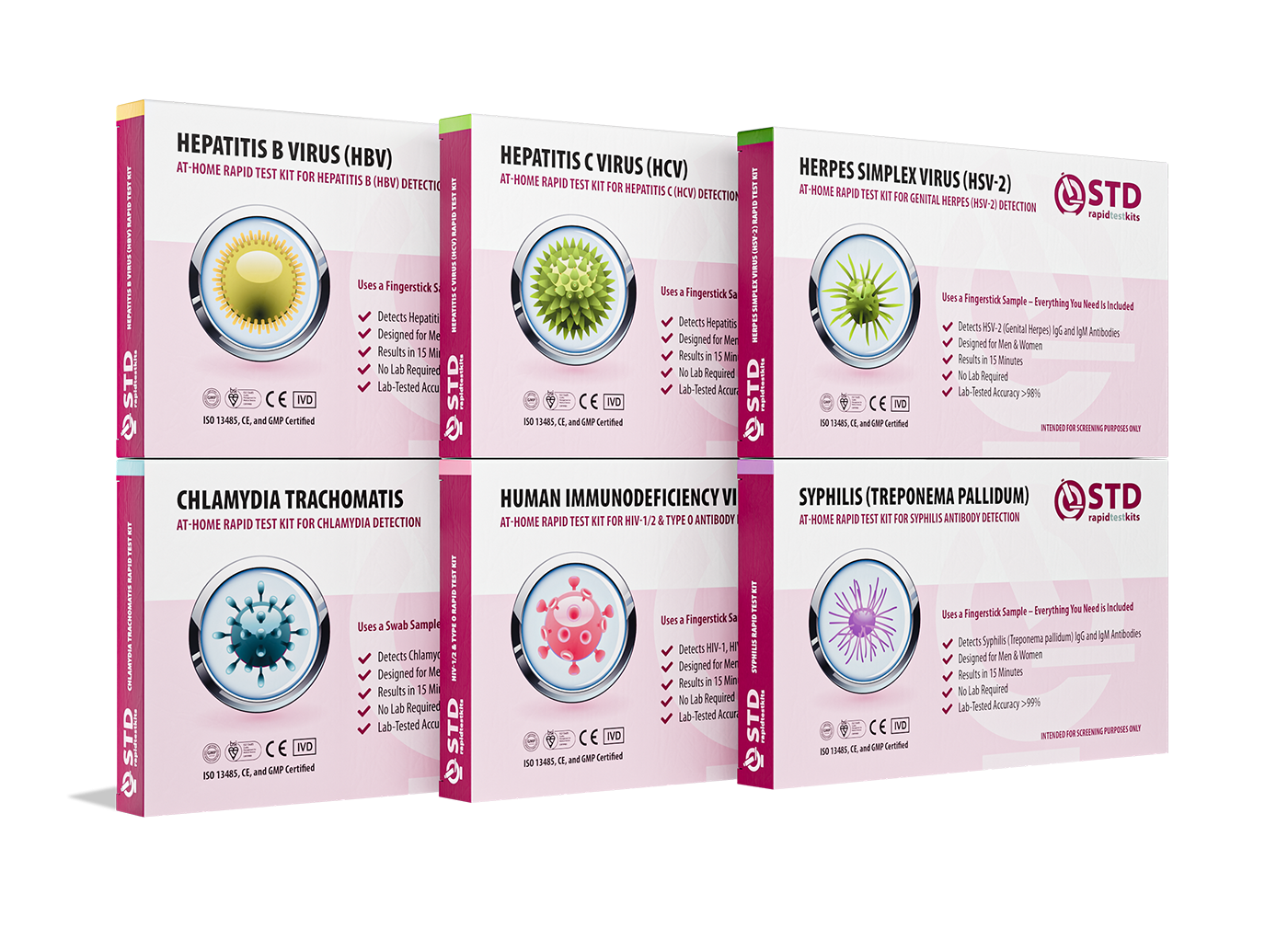
If you’re unsure where to start, STD Rapid Test Kits offers discreet, at-home tests, including oral swabs, for people who don’t want to go into a clinic or explain anything face-to-face. You can order a combo STD test kit that screens for the most common infections, including the ones you can catch from swallowing.
Prevention Isn’t Just About Condoms
Let’s be honest. Most people don’t use condoms for oral sex. In long-term relationships or casual hookups, “just oral” is often seen as low-risk. And while the overall risk is lower than vaginal or anal sex, it’s not zero. Especially if you’re swallowing.
There are other ways to protect yourself that don’t ruin the moment. Dental dams, flavored condoms, regular testing, and asking partners when they were last screened can all help. Even things like brushing your teeth right before oral sex can increase your risk by irritating the gums. If you’re planning a night that might end in oral, hold off on brushing until after.
Also? It’s okay to ask questions. “Have you been tested?” isn’t a buzzkill. It’s a boundary. And boundaries are sexy. So is staying healthy.
What About HIV? Let’s Get Real About the Risk
HIV is the shadow that looms largest in most people’s minds when they start spiraling after a sexual encounter. But here’s the truth: the chance of contracting HIV from swallowing semen during oral sex is extremely low, especially compared to other STDs like gonorrhea or syphilis.
Still, it’s not impossible. The CDC classifies oral transmission of HIV as a low-risk but potential route, particularly if ejaculation occurred in the mouth, and even more so if there are cuts, sores, recent dental work, or bleeding gums. HIV is fragile, it doesn’t survive long outside the body, but it thrives in blood, semen, and rectal fluids. When those fluids contact broken skin or mucous membranes, transmission becomes possible.
What reduces the risk even further? A partner with an undetectable viral load due to treatment. U=U (Undetectable = Untransmittable) is real. And if you’re the one worried about exposure, HIV tests are now highly accurate just 2–4 weeks after contact. Some include early detection RNA testing through at-home kits or clinics that offer CDC-approved NAAT or Ag/Ab combo screening.
Bottom line: don’t ignore it, but don’t let it consume you either. HIV is no longer a death sentence. And it’s also not the most likely thing you’d get from oral sex, especially a one-time encounter. But if anxiety is stealing your focus, get tested. Then move forward.

People are also reading: The Oral STD Guide: What Else Can Infect Your Mouth Besides Herpes?
“I Didn’t Swallow, Just Gave Oral. Am I Still at Risk?”
Swallowing semen is only one part of the equation. The act of oral sex itself, whether you’re giving, receiving, spitting, or swallowing, can expose you to infectious fluids. You can still get an STD even if your partner didn’t finish in your mouth. Pre-ejaculate (or “pre-cum”) can contain pathogens like HIV and chlamydia. Skin-to-skin contact with herpes lesions or syphilitic sores also spreads infection, whether you noticed them or not.
In fact, many people who test positive for oral STDs report that their partners didn’t ejaculate at all. It's not about the finish. It's about exposure. And because so many of these infections are silent in men and women alike, a partner who “felt fine” may still have unknowingly passed something on.
Renee, 33, learned this the hard way. She hadn’t had penetrative sex in over a year, but she’d been seeing someone new. “We only did oral. He swore he was tested recently,” she said. “But I started getting ulcers in my mouth and finally went in. It was herpes type 1.” She hadn’t kissed anyone else. It only took one encounter.
This doesn’t mean oral sex is dangerous. It means oral sex is still sex, and deserves the same care and clarity. If you wouldn't skip protection during intercourse, don’t assume oral gets a pass.
Check Your STD Status in Minutes
Test at Home with Remedium6-in-1 STD Test Kit
 For Men & WomenResults in MinutesNo Lab NeededPrivate & Discreet
Order Now $119.00 $294.00
For all 6 tests
“Is It Safer to Spit Than to Swallow?”
This question comes up more than people admit. And while there’s no hard science on the exact difference in STD transmission between spitting and swallowing, the logic is simple: less contact time with the throat and digestive tract probably reduces risk. But the moment semen enters your mouth, risk begins. Spitting immediately may lower the chances of infection, especially for viruses like HIV, but it doesn’t eliminate them.
The real variable is your mouth’s condition. If your gums are bleeding, you’ve had dental work, or your tonsils are inflamed, even brief exposure can be enough. Spitting isn’t a shield. It’s just a reduction.
Also, remember: even without semen, infections like gonorrhea and chlamydia can colonize the throat from just contact. Meaning, you could spit and still walk away with an oral STD. Prevention isn’t about spitting or swallowing. Timing, testing, and talking to each other are all important.
Table 3: Factors That Raise Risk During Oral Sex
| Factor | Why It Matters |
|---|---|
| Bleeding gums or mouth sores | Provide entry points for bacteria or viruses into the bloodstream |
| Recent dental work | Increases mucosal vulnerability due to abrasions or inflammation |
| Presence of another STD | Coinfections raise susceptibility and transmission rates |
| High partner viral load (e.g., untreated HIV) | Elevates transmission risk, especially via ejaculation |
| Lack of protection (no condom or barrier) | Increases fluid contact and exposure risk |
Table 3. Cumulative risk factors during oral sex. Even if swallowing doesn't happen, combining several risks makes someone more vulnerable.
What If You’re Too Embarrassed to Get Tested?
You’re not alone. Fear of judgment stops a lot of people from walking into a clinic and asking for a throat swab. Even providers sometimes overlook oral STD screening unless it’s specifically requested. And if the words “I swallowed” feel too awkward to say out loud, there’s a workaround: at-home tests.
You can order a confidential, accurate, FDA-cleared test online and do it yourself, no awkward waiting rooms, no eye contact with a stranger. Just you, a swab, and peace of mind. Most test kits arrive in discreet packaging and include clear instructions. If you need one that checks multiple exposures, go for the Combo STD Home Test Kit. It’s built for these exact moments.
If your head keeps spinning, clarity is only one test away. You don’t need to explain your choices to anyone. You just need answers.
FAQs
1. Can you really get chlamydia just from swallowing?
Yes, and it happens more often than you’d think. Chlamydia can infect your throat after oral sex, especially if semen hits your tonsils or you swallow. Most people don’t even feel symptoms, so they assume they’re fine. Spoiler: they’re not. You could be carrying it silently for weeks.
2. What does oral gonorrhea feel like?
Sometimes? Absolutely nothing. Other times, it feels like a weird sore throat that won’t go away. Maybe a lump under your jaw. Maybe red spots near your tonsils that you mistake for strep. If you had unprotected oral and now your throat feels off, get tested. It’s better than guessing.
3. Is it safer to spit instead of swallow?
Kind of. But let’s be honest, once semen hits your mouth, you’ve already been exposed. Spitting might reduce the time your throat's in contact, but it won’t undo the risk. If your gums are bleeding or you’ve got a cut, the exposure window’s already open.
4. What if he didn’t finish in my mouth, am I still at risk?
Yep. Pre-cum can carry STDs too, and just the act of giving oral, semen or not, can pass on things like herpes, gonorrhea, or syphilis. It’s not just about the finish. It’s about what touched what.
5. How soon after giving oral should I get tested?
Give it at least 7 days for throat gonorrhea and chlamydia to show up. For HIV, aim for 2–4 weeks with early detection tests. Test too early, and you might get a false negative. And nobody wants to go through this twice.
6. What test should I take if I swallowed?
Go for a throat swab at minimum, especially for gonorrhea or chlamydia. A combo test that includes HIV, syphilis, and herpes (blood-based) covers the rest. If you're doing this at home, make sure the kit tests the area you used. Mouth play = mouth test.
7. Does oral sex really spread HIV?
Very rarely, but yes, it can. It’s not the top risk, but if ejaculation happened and you had any cuts, sores, or bleeding gums, there’s a slim chance. That said, most HIV cases come from vaginal or anal sex, not oral. Still, if it’s keeping you up at night, don’t guess, just test.
8. Can I catch herpes even if he had no symptoms?
Absolutely. That’s herpes’ whole thing. It sheds silently even when there are no visible sores. A partner might feel fine and still be contagious. And yes, oral herpes (cold sores) and genital herpes can both show up in your mouth, or be passed from it.
9. What if I don’t have symptoms, do I still need to test?
If there was a risk (unprotected oral, swallowing, new partner), testing is smart. Most oral STDs don’t show symptoms. That doesn’t mean they’re harmless. Left untreated, they can lead to complications, or get passed to someone else.
10. Will the clinic judge me if I say this happened?
Not if they’re worth your time. But if you’re not ready to talk it out with a provider, you’ve got options. At-home test kits exist for this exact reason: privacy, no questions, your pace. No shame in wanting answers on your own terms.
You Deserve Answers, Not Assumptions
So is swallowing sperm a sure way to get an STD? No. But is it a risk-free act? Also no. Oral sex, especially when semen is involved, can transmit infections just like any other kind of sex. The difference is, people rarely talk about it. That silence allows for shame, confusion, and missed diagnoses.
If you’re reading this because you’re worried, that’s already a sign of strength. You’re taking your health seriously. Whether your throat feels sore or your mind won’t stop racing, testing is the next best step. Not because you did something wrong, but because clarity is care. And care doesn’t need a reason to be valid.
Don’t wait and wonder. Get tested with a discreet combo kit made for exactly this kind of moment. Whether you swallowed or not, your peace of mind matters. It always has.
How We Sourced This Article: We combined current guidance from leading medical organizations with peer-reviewed research and lived-experience reporting to make this guide practical, compassionate, and accurate.
Sources
1. CDC – About STI Risk and Oral Sex
2. Factors associated with pharyngeal gonorrhea in young people (PMC)
3. American Sexual Health Association – STIs and Oral Sex
4. Healthline – How to Identify, Treat, and Prevent
6. Planned Parenthood – Gonorrhea: Symptoms, Risks, and Prevention
About the Author
Dr. F. David, MD is a board-certified infectious disease specialist focused on STI prevention, diagnosis, and treatment. He blends clinical precision with a no-nonsense, sex-positive approach and is committed to expanding access for readers in both urban and off-grid settings.
Reviewed by: Lara Nguyen, NP-C | Last medically reviewed: November 2025
This article is only for information and should not be used as medical advice.


