







This Guide Is for Anyone Who’s Confused, Angry, or Scared
If you're reading this, chances are something doesn’t add up. You used protection. You played it safe, or tried to. But your body’s telling a different story. Maybe you're noticing a sore, discharge, or a weird smell. Maybe your partner just told you they tested positive.
You're not alone. This article is for people who feel betrayed by the idea of “safe sex.” It's for anyone silently freaking out after a condom-protected hookup, wondering what went wrong and whether they should get tested. We’ll break down what condoms can and can’t do, which STDs slip past latex, and what steps to take next.
The Condom Myth That’s Still Hurting People
Sex education often makes it seem like condoms are completely safe. But they're more like seatbelts: they greatly lower the risk, but they don't make sure you don't get hurt. One of the most dangerous ideas that people still believe is that condoms protect against all STDs.
Here’s the reality: condoms are highly effective against infections spread through fluids, like HIV, chlamydia, and gonorrhea, but they’re less protective against infections that spread via skin-to-skin contact, such as herpes, HPV, and syphilis. Even if the condom doesn’t break, the virus or bacteria can transmit from areas not covered by the condom.
According to CDC data, consistent condom use reduces HIV transmission by 85%, and gonorrhea by 49% in men. But the same data notes that condoms offer less consistent protection against skin-transmitted infections like herpes and HPV.
People are also reading: How Soon Do HIV Symptoms Appear After Unprotected Anal Sex?
STDs That Condoms Can't Fully Prevent
Even the highest-quality condom can’t protect against infections if the virus lives in areas it doesn’t cover, like the base of the penis, inner thighs, or labia. These areas still come into contact during sex, especially during oral or genital-to-genital rubbing. Here are the STDs most likely to break through even when you use protection correctly:
| STD | Transmission Type | Condom Effectiveness | Common Exposure Risk |
|---|---|---|---|
| Herpes (HSV-1/2) | Skin-to-skin contact | Partial (50-60%) | Genital rubbing, oral sex |
| HPV | Skin-to-skin contact | Low–Moderate | Pubic area, groin, vulva |
| Syphilis | Skin-to-skin contact (chancre) | Low–Moderate | Contact with sore outside condom zone |
| Pubic lice / Scabies | Close skin contact | Minimal | Hair-bearing areas, groin |
Figure 1. STDs that can transmit even with condom use. Effectiveness varies based on contact area and condom coverage.
It’s not about whether the condom worked. It’s about where the infection lives, and how close you got.
Check Your STD Status in Minutes
Test at Home with Remedium7-in-1 STD Test Kit
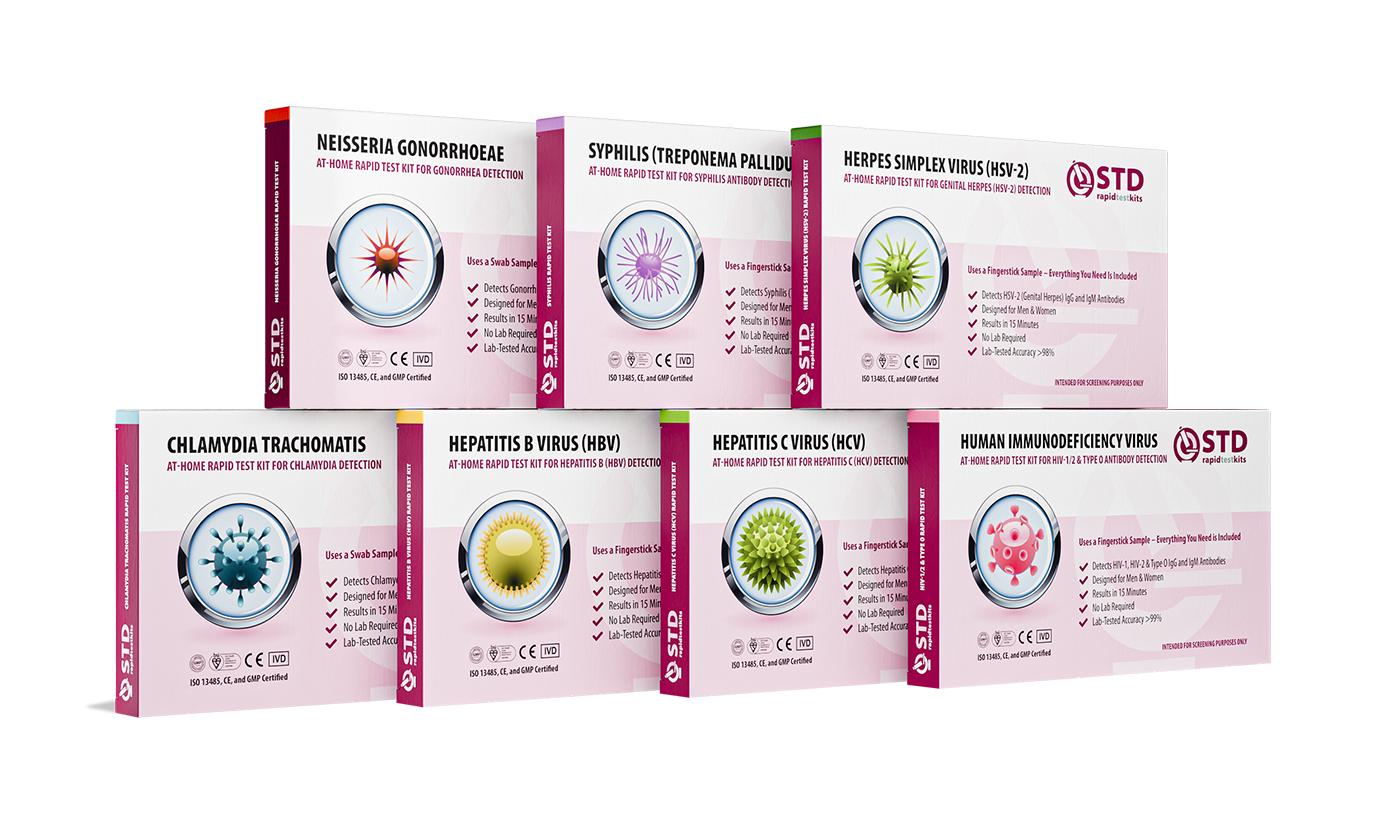
 For Men & Women
 Results in Minutes
 No Lab Needed
 Private & Discreet
Order Now $129.00 $343.00
For all 7 tests
“But the Condom Didn’t Break!” Why That’s Not the Only Issue
Condoms can fail for more than just breaking. Even if condoms look fine, they might not work because of:
- Slippage: If the condom slips during withdrawal or mid-sex, it might not have protected at all.
- Late application:A lot of people only put on condoms right before sex, which means they miss out on important contact during foreplay.
- Expired or damaged condoms: Old, dry, or mishandled condoms can degrade without visibly tearing.
- Incorrect fit: A condom that's too loose or tight can reduce protection and increase friction-related damage.
In a study published in the Journal of Sexually Transmitted Diseases, up to 17% of people who used condoms said they slipped off, and almost 30% said they put the condom on after sex had already started. In other words, sex that is "protected" isn't always as safe as we think it is.
Case Study: “We Used a Condom Every Time, But I Still Got Herpes”
Janelle, 25, was in what she thought was a low-risk relationship. She and her partner used condoms consistently, and neither of them had visible symptoms. Six months in, she noticed a painful blister near her vulva and went to urgent care. The swab came back positive for herpes simplex virus type 2 (HSV-2).
"I felt betrayed. Not just by him, but by the idea that condoms meant I was safe. We used them every single time. No breaks. No slips. I didn’t know herpes could live outside the area a condom covers."
Janelle’s case is far from rare. According to CDC estimates, about 1 in 6 people in the U.S. between ages 14 and 49 have genital herpes, and most don't know it. Because herpes often sheds from areas not covered by condoms, even perfect use can't fully prevent transmission.
When to Test After Protected Sex
Even if you used a condom, you should still consider testing after any new or risky encounter, especially if:
- You have symptoms (pain, sores, discharge, burning, or itching)
- Your partner recently tested positive for an STD
- The condom was applied late, slipped, or came off
- You had oral or skin-to-skin contact before or after sex
Here’s a general guide on when to test after exposure:
| STD | Earliest Test Time | Best Accuracy Window |
|---|---|---|
| Chlamydia | 7 days | 14 days+ |
| Gonorrhea | 7 days | 14 days+ |
| Syphilis | 3 weeks | 6–12 weeks |
| Herpes (HSV) | 3–6 weeks (blood), immediate if sores | 12–16 weeks (blood) |
| HIV | 10–14 days (RNA), 2–6 weeks (Ag/Ab) | 6–12 weeks |
| HPV | N/A (no standard screening for all) | Check with provider for pap/genital wart exams |
Figure 2. STD testing windows after condom-protected sex. Timing matters more than whether a condom was used.
Don’t delay out of shame or second-guessing. Condoms help, but if you’re exposed, testing is still the only way to know.
People also reading: What to Do If Your Partner Tests Positive for an STD
Call It Paranoia, or Call It Protection
If your gut says something’s off, listen. Symptoms or no symptoms, the only way to confirm your status is to test. Think of it like wearing sunscreen, you might still burn. But knowing when to reapply (or test) is key to avoiding deeper damage.
You can get tested from home without the awkwardness of clinics or judgmental stares. This discreet combo test kit checks for the most common STDs and gives you results in minutes, not days. No appointment. No wait.
Whether it’s for your peace of mind, your partner, or your future self, you deserve answers, not assumptions.
Symptoms That Show Up Even If You Used a Condom
The symptoms of an STD don’t magically disappear because you used protection. Infections that spread via contact can still show up after condom-protected sex, and sometimes they don’t show up at all. That’s part of what makes this so tricky, and so scary.
Here are some of the signs people commonly ignore because they “used a condom”:
- Genital burning or tingling , often first sign of herpes
- Unusual discharge , may indicate chlamydia or gonorrhea
- Single sore or blister , classic for herpes or syphilis
- Itching or redness , sometimes linked to HPV, pubic lice, or trichomoniasis
- Flu-like symptoms , possible with HIV, especially in acute infection stage
Symptoms don’t care about good intentions. They care about exposure. And exposure doesn’t need a broken condom to happen.
Check Your STD Status in Minutes
Test at Home with Remedium6-in-1 STD Test Kit
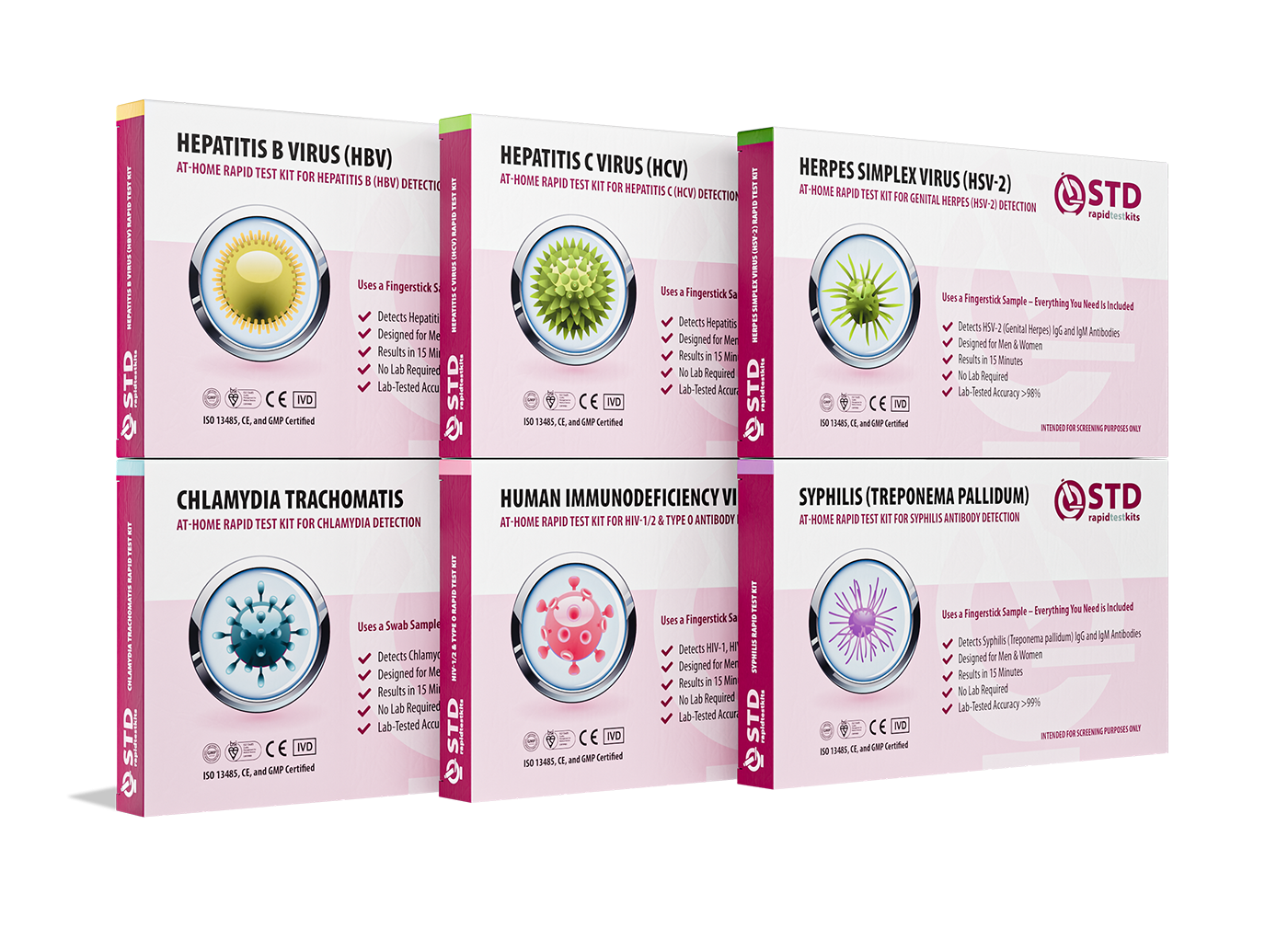 For Men & WomenResults in MinutesNo Lab NeededPrivate & Discreet
Order Now $119.00 $294.00
For all 6 tests
When “Safe Sex” Doesn’t Feel So Safe Anymore
One of the hardest emotional hits after an STD diagnosis, especially when you used protection, is the mental whiplash. You did the “right thing.” You played it safe. So how did you end up here?
For many, this creates a toxic feedback loop of self-blame and mistrust. Did I use the condom wrong? Did my partner lie? Did I miss a red flag? But here’s the truth: you can do everything “right” and still end up needing treatment. That doesn’t make you dirty, irresponsible, or reckless. It makes you human, and part of a huge, silent majority dealing with the gaps in sexual health education.
In fact, a study published in Public Health Reports found that nearly 20% of sexually active adults who tested positive for an STD had used condoms regularly. The failure wasn’t theirs, it was in the oversimplified messaging they were taught.
Talking to Partners After a Condom-Positive STD
If you’ve tested positive for an STD after using condoms, the hardest next step might be telling someone else, especially if you're still reeling from the news yourself. But it doesn’t have to be a confrontation. You’re not blaming them. You’re communicating, protecting, and giving them a chance to do the right thing, too.
Here’s a simple, no-shame script:
“Hey, I wanted to let you know that I tested positive for [STD]. I know we used protection, but I learned it doesn't prevent everything. I’m letting you know so you can get tested too, just in case.”
That’s it. Short, clear, and focused on care, not guilt. Most STDs are treatable. All of them are manageable. The sooner you know, the easier it is to protect everyone involved.
Need a way to test them discreetly? STD Rapid Test Kits offers private options that ship quickly, no awkward clinic visit required.
Preventing the Next “What If” Moment
Yes, condoms matter. You should keep using them. But real sexual safety means more than rolling on latex, it means understanding risk, getting tested regularly, and learning what symptoms look like even when you’re being careful.
Here’s how to up your game:
- Test between new partners: Don't just think about "clean," get real results.
- Use condoms from start to finish: Foreplay counts. Skin contact counts.
- Store condoms correctly: Heat, friction, and wallet compression degrade them.
- Know your windows: Testing too early = false negatives. Retest when needed.
And most importantly: drop the shame. STD testing isn't just for people who "slip up." It's care. It's protection. It’s a way to show up for your body and for your partners.
FAQs
1. Can I really get an STD if we used a condom?
Yep, and you wouldn’t be the first. Condoms cut the risk, but they’re not invincible. Some infections like herpes or HPV can live on skin around the condom, and all it takes is a little friction. You can do everything "right" and still catch something. That’s not failure. That’s biology.
2. Which STDs sneak past condoms the most?
Think skin-to-skin types: herpes, HPV, syphilis. If the infected area isn’t covered, transmission is still on the table. You could use a condom perfectly and still pick up something from a partner’s inner thigh or labia. That’s why testing matters even when protection is used.
3. But the condom didn’t break. How is this possible?
Because breakage isn’t the only issue. Condoms can slip. They can be put on too late (yes, pre-penetration counts), or get stored in wallets for months and weaken. Plus, if your partner has a sore outside the condom area, it’s game over.
4. Should I still get tested if we used protection?
Yes, in short. Long answer: STDs don't care about what you want to do. Testing is a good idea if you had skin contact, oral sex, or didn't use a condom the whole time. It's not about feeling bad; it's about finding out what happened.
5. I’m having symptoms, but we used a condom. What gives?
First off: believe your body. Symptoms like burning, discharge, or sores aren’t just in your head. You could be dealing with something condoms don’t fully block, like herpes or trichomoniasis. Time to test, not second-guess.
6. How soon should I test after protected sex?
Depends on what you're testing for. Some STDs like chlamydia show up within 7 days. Others, like syphilis or HIV, can take weeks to show. Best bet? Wait 2–3 weeks for most tests, and retest later if needed. See the timing table above for more information.
7. Even if I wore a condom, can I still get an STD from oral sex?
Totally. A lot of people skip protection during oral, thinking it’s safer, but STDs like gonorrhea, herpes, and syphilis can spread that way too. The mouth’s not a loophole.
8. My test was negative but something still feels off. Why?
You might’ve tested too soon. Or you could have a different kind of infection. Or (real talk) it could be anxiety messing with your gut. If symptoms persist, retest or talk to a provider. You’re not overreacting, you’re being responsible.
9. Do at-home STD tests actually work?
When they’re high-quality and FDA-approved? Yes. Kits like the ones from STD Rapid Test Kits are designed to be accurate, fast, and discreet. Just follow the instructions and test within the right window.
10. I feel ashamed. I did everything right.
You’re not alone. Shame thrives on silence, and we’re done with that. STDs aren’t punishment. They’re common, treatable infections. Testing doesn’t mean you failed. It means you care about yourself and your partners. That’s something to be proud of.
When the Latex Isn’t Enough, Here’s What to Do
Protection isn’t just about condoms. It’s about full-body care, education, and courage. Testing isn’t a punishment for risky behavior, it’s a form of love. For yourself. For your partners. For your peace of mind.
So if your stomach’s twisting and your brain won’t stop racing, take the next step. You don’t have to wait weeks. You don’t have to sit in a clinic. You can test from home in minutes and start getting answers today.
How We Sourced This Article: We combined current guidance from leading medical organizations with peer-reviewed research and lived-experience reporting to make this guide practical, compassionate, and accurate.
Sources
1. CDC – Condom Fact Sheet for Public Health Personnel
2. CDC – Condom Use: An Overview
3. WHO – Herpes Simplex Virus Fact Sheet
4. JAMA – Shedding Patterns of Genital Herpes Simplex Virus Infections
5. Canadian Guidelines – Genital Herpes: Risk Factors and Clinical Manifestations
6. Mayo Clinic – STD Testing Overview
About the Author
Dr. F. David, MD is a board-certified infectious disease specialist focused on STI prevention, diagnosis, and treatment. He blends clinical precision with a no-nonsense, sex-positive approach and is committed to expanding access for readers in both urban and off-grid settings.
Reviewed by: C. Linares, FNP-BC | Last medically reviewed: September 2025
This article is meant to give information and should not be used as medical advice.


