Recurrent BV and Gut Health: Why BV Keeps Coming Back After Antibiotics
Why your BV keeps coming back, and what your gut has to do with it




- Recurrent BV is common after standard antibiotic treatment, and recurrence is increasingly linked to imbalances in the gut microbiome, not just the vagina.
- Targeted Lactobacillus probiotics, dietary fiber, and screening for co-occurring STIs together address the root drivers of recurrence rather than treating each flare in isolation.
Published: September 2025 | Last updated: May 2026 | Editorial review and quality control: Martina N.
BV doesn't feel like "just discharge." For many women, it brings shame, discomfort during sex, and that worrying smell that shows up at the worst possible moment. For far too many, it isn't a one-time problem. It's a cycle that returns again and again, often within weeks of finishing antibiotics.
If you've been stuck in that loop, your clinician may not have mentioned a piece of the puzzle that researchers are paying close attention to: the gut microbiome. The bacteria living in your intestines help shape your immune defenses, your inflammation levels, and even the bacterial communities that should be protecting your vagina. When the gut is out of balance, the vagina often follows. Below is what current research, public-health guidance, and the latest microbiome studies say about why BV keeps coming back, and what you can do about it.
Why Recurrent BV Deserves a Closer Look
Bacterial vaginosis is the most common vaginal condition in women of reproductive age in the United States, according to the CDC. The standard treatment is straightforward: a swab confirms the diagnosis, then a course of metronidazole (Flagyl) or clindamycin clears the infection. The problem is what happens next.
The CDC's STI Treatment Guidelines note that persistent or recurrent BV is common, with most return episodes happening in the months after a completed antibiotic course. Yet most clinic visits still treat each flare as an isolated event: a new prescription, a new wait, a new return. That model misses the underlying biology. BV is a sign that the bacterial community of the vagina has shifted away from the protective Lactobacillus-dominant state toward an overgrowth of anaerobic bacteria like Gardnerella vaginalis. Until that ecosystem stabilizes, the door stays open.
In pregnant women, recurrent BV is also associated with an increased risk of preterm birth, which is one reason the underlying microbial balance matters beyond the symptoms themselves. The newer research focuses on why some women's vaginal flora keeps tipping the wrong way, and a growing body of evidence points to the gut as one of the most important upstream factors.
CDC clinical guidance describes persistent or recurrent bacterial vaginosis as a common pattern after antibiotic treatment, with most return episodes appearing in the months following the initial course. That is part of why a single round of metronidazole or clindamycin often is not the end of the story.
The Gut-Vagina Microbiome Pipeline
The gut and vagina are part of the same system. Bacteria from the digestive tract migrate to the vaginal area regularly, and the immune signals generated in the gut shape inflammation throughout the body, including at mucosal sites like the vaginal lining. When the gut microbiome is balanced and diverse, it supports vaginal flora. When it is depleted or inflamed, it leaves the vagina more vulnerable. The table below summarizes the most studied chains of cause and effect.
| Trigger | Gut Effect | Immune Response | Vaginal Consequence | STI / BV Risk |
|---|---|---|---|---|
| Broad-spectrum antibiotics | Wipes out beneficial gut bacteria, including Lactobacillus species | Weakens gut barrier and disrupts immune signaling | Reduced vaginal Lactobacillus and overgrowth of BV-related anaerobes such as Gardnerella | Higher risk of BV, yeast infection, and easier entry for STIs |
| High-sugar or ultra-processed diet | Feeds harmful gut bacteria; lowers microbial diversity | Triggers chronic low-grade inflammation | Shifted vaginal pH and reduced flora stability | Greater susceptibility to recurrent BV and chlamydia colonization |
| Sustained psychological stress | Alters gut motility and bacterial composition | Suppresses mucosal immunity | Vaginal dryness, irritation, and slower recovery | Higher vulnerability after sex or a course of antibiotics |
| Chronic gut inflammation (IBS, IBD, leaky gut) | Allows bacterial endotoxins into circulation | Confused immune signaling at mucosal surfaces | Fluctuating vaginal flora and slower recovery from BV | Persistent or recurring BV; weaker STI defenses |
| Low fiber, low fermented-food intake | Starves short-chain fatty acid producers | Reduced anti-inflammatory signals from gut to body | Fewer protective bacteria reaching the vagina; unstable pH | Slower clearance and higher reinfection rates |

When Antibiotics Alone Aren't Enough
Antibiotics are the standard of care for an active BV episode, and they work. They also do something else: they kill bacteria indiscriminately, including the protective species the vagina needs. After a course of metronidazole or clindamycin, the vaginal ecosystem is essentially a blank slate. Whatever bacteria recolonize first set the tone for the months that follow.
If the gut has also taken a hit, whether from the same antibiotic, a different recent course (for a UTI, strep throat, sinus infection, or dental work), or a chronically inflamed state, there is less protective Lactobacillus available to migrate back to the vaginal area. The harmful anaerobes have an easier time reestablishing dominance, which is one biological explanation for why repeat episodes cluster in the months after antibiotic treatment.
Women often describe the pattern as a chain of events rather than a single trigger: a round of amoxicillin for an unrelated infection, a BV flare a few weeks later, another course of metronidazole, a brief clear interval, and then the cycle repeating.
After antibiotics, whatever bacteria recolonize first sets the tone for months. If the gut has been depleted by repeated courses, there is less protective Lactobacillus available to migrate back to the vaginal area, and the BV-associated anaerobes have an easier path back in.
Probiotics: How the Right Strains Can Help
Probiotics have been overhyped for years, which makes it tempting to dismiss them. The research, however, is more specific than the marketing. Not all probiotic strains influence vaginal health, but a small set of well-studied Lactobacillus species do. The strains with the strongest evidence are Lactobacillus crispatus, Lactobacillus rhamnosus (especially the GR-1 strain), and Lactobacillus reuteri (RC-14 strain). These species can colonize the vagina, lower vaginal pH, and crowd out the anaerobes implicated in BV.
A 2022 meta-analysis in the Journal of Lower Genital Tract Disease, along with several Cochrane-style reviews, found that probiotic strains taken alongside or after standard antibiotic therapy were associated with reduced BV recurrence at three- and six-month follow-up. Effects were strongest when probiotic use was sustained, not just a one-week burst.
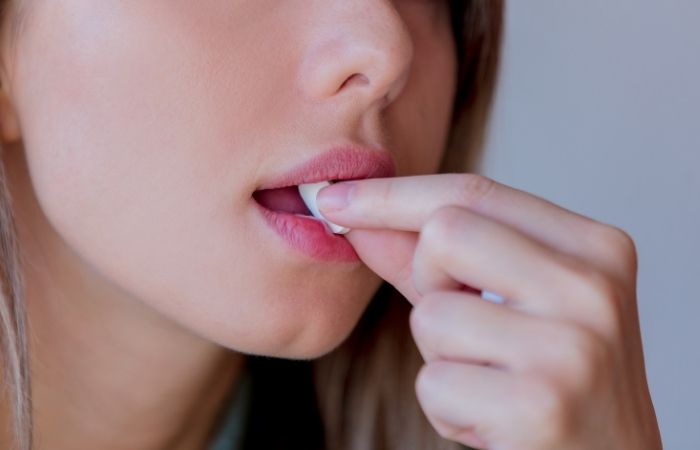
Two practical points come out of the research. First, generic supermarket yogurts and the average drugstore probiotic blend are unlikely to deliver the relevant strains in the relevant doses. Look for products that name L. crispatus, L. rhamnosus GR-1, or L. reuteri RC-14 on the label and that list the colony-forming-unit (CFU) count. Second, probiotics are an adjunct, not a replacement for treating an active infection. They work best as part of a longer-term strategy that also addresses gut health: more fiber, more fermented foods, and fewer of the broad-spectrum antibiotic courses that aren't strictly necessary.
Look for Lactobacillus crispatus, L. rhamnosus GR-1, and L. reuteri RC-14 on the label, with a listed CFU count. These are the strains that have shown consistent results in peer-reviewed BV research, and they are rarely present in the doses needed in generic store-brand blends.
When the Gut Is Off, So Is Your Immunity
The gut hosts most of the body's immune tissue. When its bacterial community is disrupted, the consequences extend well beyond digestion. Inflammatory signals leak into systemic circulation. Mucosal immunity, the front-line defense at the vaginal lining, the throat, and the urinary tract, becomes less responsive. The result is a body that has a harder time clearing routine challenges, including the bacterial overgrowths that produce BV and the pathogens that cause sexually transmitted infections.
Researchers studying the gut-genital axis now report that gut dysbiosis is associated with higher acquisition rates for HIV, chlamydia, gonorrhea, and HPV. The mechanism is straightforward: when the vaginal mucosa is inflamed and the protective Lactobacillus layer is thin, viruses and bacteria find it easier to attach and establish infection. A gut that is sending continuous low-grade inflammatory signals makes that situation worse.
Microbiome research has linked gut dysbiosis to higher acquisition rates for four key sexually transmitted infections: HIV, chlamydia, gonorrhea, and HPV. The shared mechanism is weakened mucosal immunity at the vaginal lining when the protective Lactobacillus layer is thin.
Signs Your Gut Might Be Part of the Problem
Gut dysbiosis isn't always loud. You can have a balanced bowel routine, no obvious bloating, and still carry an inflamed or depleted gut microbiome. The clearest signals tend to come from patterns over time rather than acute symptoms. Common patterns clinicians notice include:
- BV that returns within weeks of completing antibiotics, often without a clear new trigger
- Yeast infections that follow nearly every course of antibiotic treatment
- Recurrent UTIs with no obvious behavioral cause
- Recent or repeated antibiotic exposure for unrelated infections (strep, sinus, dental)
- Persistent fatigue, brain fog, or skin issues that no specific diagnosis explains
- A diet very low in fiber and fermented foods, or very high in sugar and ultra-processed foods
What Standard Testing Misses
If you have ever left a clinic with a clean STI panel and no clear answer, you are not imagining things. Standard panels are designed to detect specific infections, not to evaluate the broader vaginal or gut microbiome. They tell you whether a particular pathogen is present today.
| Test | What It Detects | What It Does Not |
|---|---|---|
| Standard BV swab (wet mount, Amsel criteria) | Presence of Gardnerella, clue cells, vaginal pH | Cause of recurrence, gut influence, immune status |
| STI panel (NAAT or rapid) | Chlamydia, gonorrhea, HIV, syphilis, hepatitis, HSV | Vaginal flora balance, inflammation, microbiome diversity |
| Urine NAAT | Active urogenital infection | Microbiome status, history of past flora damage |
| Vaginal microbiome sequencing (specialty) | Full bacterial profile of the vagina | Cause of imbalance, gut microbiome, immune weakness |
| Comprehensive stool test (specialty) | Gut microbiome composition, dysbiosis markers | Vaginal flora, active STIs |
How BV Raises Your STI Risk
One of the more important findings of the past decade is that women with recurrent BV are statistically more likely to acquire sexually transmitted infections, including HIV, chlamydia, gonorrhea, and HPV. The increased risk is biological rather than behavioral: when the vaginal Lactobacillus population drops, vaginal pH rises, the protective mucous layer thins, and microscopic tears in tissue become more likely. Pathogens that would normally be neutralized find easier entry.
This is why current public-health guidance increasingly recommends that women with recurrent BV consider concurrent STI screening, particularly after a new partner, after unprotected sex, or when symptoms overlap. The strategy shifts from treating each BV episode as an isolated event toward a broader approach: gut, vagina, immune function, and ongoing screening behavior.
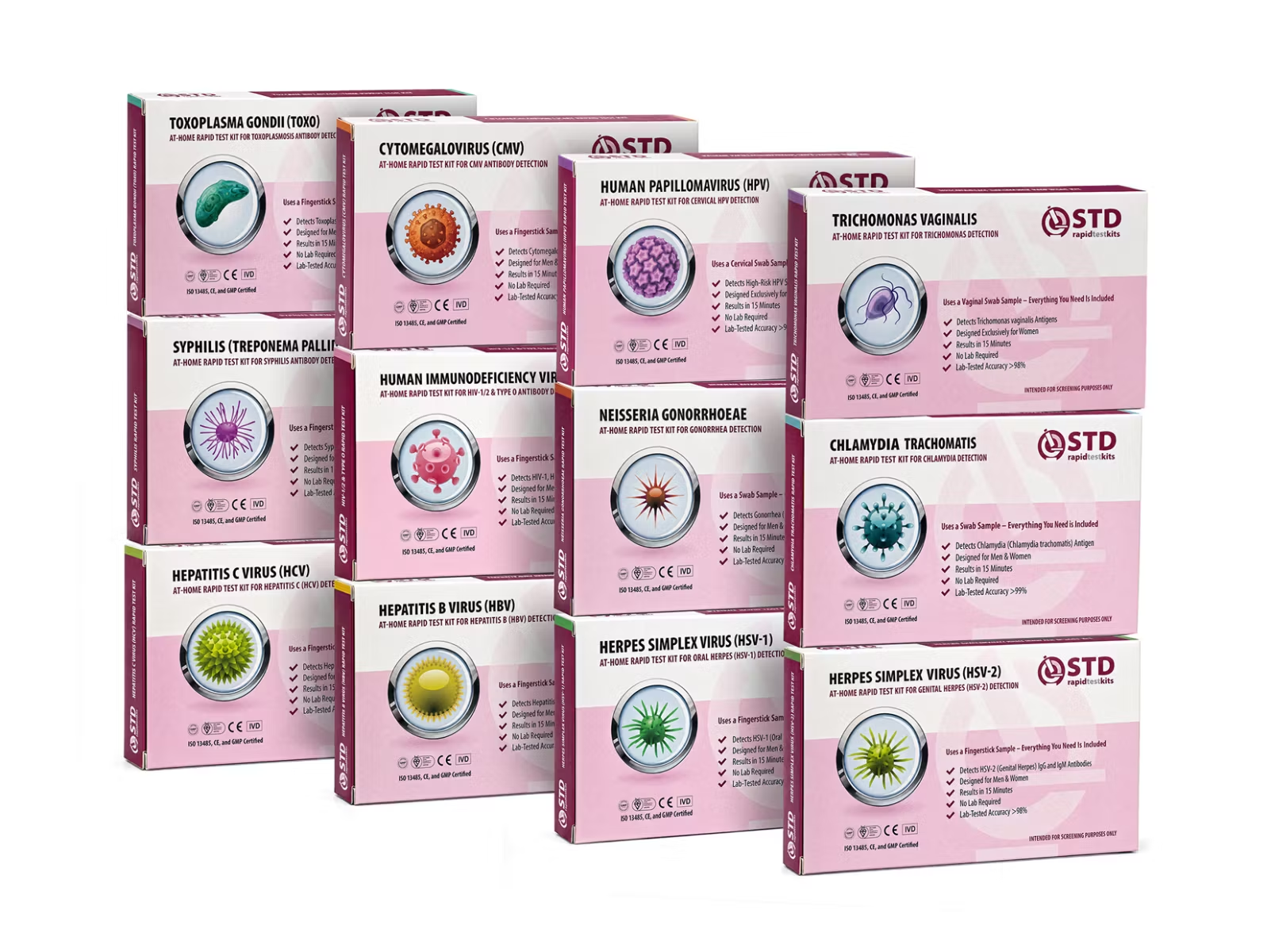
Disclosure: this article is published by stdrapidtestkits.com, which sells at-home STI test kits, including the panel referenced in the banner below. Recommendations are made based on what fits the reader's concern, not on commercial benefit.
Having BV can increase your chances of getting other STDs.
Don't Wait for Another Round of Antibiotics
If you are caught in the cycle of recurring BV, the next prescription is rarely the answer. The more useful move is to look upstream: support gut health with fiber and fermented foods, choose a probiotic with strains that have actual evidence behind them, avoid unnecessary antibiotic courses where reasonable, and screen for co-occurring infections that may be feeding the pattern. None of those steps replaces medical care.
For the screening piece, an at-home rapid panel is one accessible option. It will not diagnose dysbiosis, and it is not a substitute for a clinical workup if something seems wrong, but it can rule out the most common STIs privately while you focus on the gut and vaginal recovery work that takes longer.
Next Steps to Break the Cycle
- Complete the prescribed antibiotic course exactly as directed
- Start a targeted Lactobacillus probiotic (look for L. crispatus, L. rhamnosus GR-1, or L. reuteri RC-14) and continue for at least three months
- Increase dietary fiber and add fermented foods (kefir, kimchi, sauerkraut, yogurt with live cultures)
- Screen for co-occurring STIs, especially after a new partner or overlapping symptoms
- Avoid unnecessary broad-spectrum antibiotic courses where reasonable alternatives exist
Frequently Asked Questions
- Why does BV keep coming back after antibiotics?
- Antibiotics clear the active infection but also kill protective bacteria in both the vagina and the gut. If those protective species don't recolonize quickly, the BV-associated anaerobes have an open field to return. Repeat episodes are well-documented in clinical guidance, particularly in the months following treatment.
- Is the gut really connected to vaginal health?
- Yes. The gut hosts most of the body's immune tissue and shapes inflammation throughout the body. Bacteria also migrate between the gut and the vaginal area regularly. Disruption in one tends to show up in the other, which is why recurrent BV often coexists with gut symptoms or recent broad-spectrum antibiotic use.
- Do probiotics actually help with recurrent BV?
- Generic drugstore blends rarely contain the strains that BV research supports, which is part of why the probiotic aisle disappoints so many women trying to break the cycle. The species worth searching for are Lactobacillus rhamnosus GR-1, Lactobacillus reuteri RC-14, and Lactobacillus crispatus. Take the supplement alongside or after your antibiotic course, never as a replacement, and plan for at least three months of consistent use before judging results.
- Should I use a vaginal probiotic suppository?
- Vaginal suppositories exist and some early studies show benefit, but most of the higher-quality research supports oral probiotics that act systemically. Talk to your clinician before adding a suppository, especially if you are pregnant, immunocompromised, or have an active infection.
- Is BV a sexually transmitted infection?
- BV is not officially classified as an STI, but sexual activity is one of the strongest known triggers, particularly with new or multiple partners and unprotected sex. Think of BV as the vaginal flora reacting to a change in environment rather than a pathogen passed from one partner to another.
- Can diet really affect BV?
- Diet is one factor among several. High-sugar and ultra-processed eating patterns feed dysbiosis, while diets rich in fiber and fermented foods support both gut and vaginal flora. The effect is gradual, not overnight, and works best alongside other steps like targeted probiotics and reducing unnecessary antibiotic exposure.
- Should I worry about STIs if I keep getting BV?
- Worry is not the right word, but proactive screening makes sense. Recurrent BV weakens vaginal defenses, which raises the risk of acquiring infections like chlamydia, gonorrhea, HSV, and HIV. Routine screening, particularly after a new partner, is sensible protection rather than a sign of risky behavior.
- What is the fastest way to break the recurrence cycle?
- The most leveraged move is starting a strain-specific probiotic (Lactobacillus rhamnosus GR-1 or L. reuteri RC-14) alongside your next antibiotic course and continuing for at least three months. Diet adjustments and STI screening round out the strategy but work on a slower timeline.
- U.S. Centers for Disease Control and Prevention. About Bacterial Vaginosis fact sheet, including BV's association with increased risk of acquiring other STDs.
- U.S. Centers for Disease Control and Prevention. STI Treatment Guidelines, Bacterial Vaginosis section, covering recurrence patterns and standard antibiotic regimens.
- NHS. Bacterial vaginosis condition page, covering symptoms, causes, and treatment expectations for a UK general-public audience.
- Mayo Clinic. Bacterial vaginosis: symptoms and causes overview page.
- PMC review. The Female Vaginal Microbiome in Health and Bacterial Vaginosis, covering Lactobacillus dominance and dysbiosis.
- PMC review. Gut and Genital Tract Microbiomes: Dysbiosis and Link to Reproductive Health Disorders.