





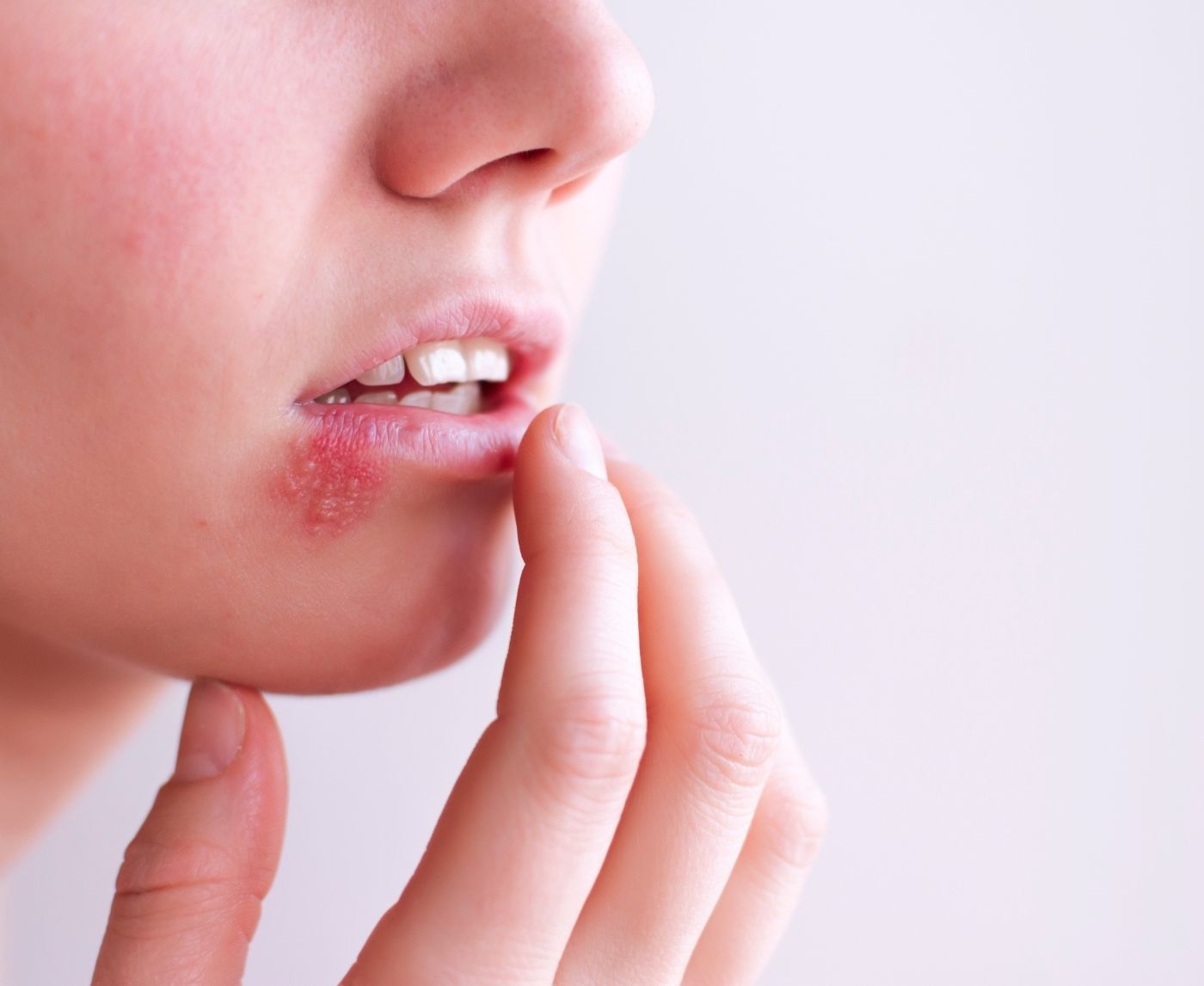

Quick Answer: Hormonal contraceptives can influence the immune system, potentially making herpes outbreaks more frequent or intense. This doesn’t happen to everyone, but if you notice flares after a birth control change, you’re not imagining it, and switching methods or adjusting your care plan may help.
“I Was Fine on the Pill, Until I Wasn’t”
Nora, 27, had been taking a low-dose combination pill for three years with no issue. Her genital herpes diagnosis had come in college, but outbreaks were rare and manageable. When she switched to a progesterone-only method due to migraines, everything changed.
“Two weeks in, I got my first flare in over a year. Then another, right after my period. My doctor said it was probably a coincidence, but I could feel something was off.”
Stories like Nora’s are common, but until recently, science didn’t offer much clarity. That’s changing. Researchers are now exploring how sex hormones like estrogen and progesterone interact with the immune system, and how they might play a role in viral reactivation, especially in people living with HSV-2.
What’s the Link Between Hormones and Herpes?
Herpes doesn’t vanish, it hides. After initial infection, the virus goes dormant in nerve ganglia, waiting for an opportunity to reactivate. Triggers vary: stress, illness, sun exposure, and yes, hormonal fluctuations all make the list. But what is it about birth control hormones specifically?
Progesterone, the key player in many contraceptives (like the mini-pill, Depo shot, and hormonal IUDs), has been shown in animal studies to weaken mucosal immunity. This means that there are fewer immune cells protecting the places where the herpes simplex virus hides. Estrogen, by contrast, may have a protective effect, helping maintain stronger epithelial barriers and immune vigilance.
In short: a hormone shift, especially toward progesterone dominance, might reduce your body’s ability to keep HSV in check. That doesn’t mean every person will react the same way, but if your outbreaks started or worsened after changing birth control, the timeline matters.
| Hormone | Common Sources | Potential Effect on Herpes |
|---|---|---|
| Estrogen | Combined birth control pills, patch | May support stronger mucosal immunity and reduce outbreaks |
| Progesterone | Mini-pill, Depo-Provera, hormonal IUD | May lower immune response, possibly increasing outbreak frequency |
Table 1. Summary of how contraceptive hormones may influence HSV activity, based on emerging immunological studies.
People are also reading: The Honeymoon Isn’t the Time to Find Out: Get Tested First
What the Science Actually Says
While human studies are still limited, several pieces of evidence are stacking up. A 2015 review in Clinical Microbiology Reviews explained how hormonal birth control can change how the immune system works in the vaginal tract, which can make the body more likely to shed or reactivate viruses. Animal studies have shown that progesterone-treated mice had more frequent HSV-2 reactivation than estrogen-treated ones.
Even the CDC has acknowledged that hormonal shifts, including those from contraception, can impact herpes recurrence. That said, the medical community often labels these connections as "plausible but not definitive," especially since individual reactions vary wildly.
Still, anecdotal reports are powerful. Forums, patient surveys, and first-person essays consistently reflect the same pattern: I changed my birth control. Now I flare more often. And for people living with HSV-1 or HSV-2, that pattern can’t be ignored.
Why This Doesn’t Happen to Everyone
This part is key: not everyone will experience flares when they switch hormonal birth control. In fact, many people with genital herpes continue using the same pill or patch for years with no issues. So why does it hit some harder than others?
The answer lies in a mix of factors, genetics, immune function, viral strain, stress levels, and how your body processes synthetic hormones. Think of it like a “perfect storm” scenario. If you’re already sleep-deprived, emotionally taxed, and suddenly change your internal hormonal landscape, your immune defenses might dip just enough to let HSV reawaken.
Emily, 34, described it this way:
“I was going through a breakup, started a new pill because of acne, and boom, herpes every other week. Once I stabilized on a new method and started managing stress better, things calmed down.”
That doesn’t mean it was “just stress.” It means multiple triggers combined, and the hormone shift tipped the scales.
How to Know If Birth Control Is Causing Your Flares
When you’re dealing with outbreaks, it’s easy to blame everything, or nothing. But timing matters. If you switched birth control methods in the last few weeks or months and started seeing new or more frequent herpes symptoms, that pattern is worth noting. One way to track it? Start a flare journal.
Write down the start and end date of each outbreak, what symptoms you noticed, where you are in your menstrual cycle, and any recent changes in stress, diet, sleep, or medications, including birth control. Over 2–3 months, this can help reveal whether there's a hormonal pattern to your flare-ups. Many people notice outbreaks right before or after their period, when progesterone drops sharply or synthetic versions flood the system, especially with certain IUDs or the shot.
Flare tracking isn’t about blame. It’s about clarity. When you have real data, not just feelings, you can talk to your provider with confidence, explore other options, and avoid being gaslit by dismissive advice.
Check Your STD Status in Minutes
Test at Home with Remedium6-in-1 STD Rapid Test Kit

 For Men & Women
 Results in Minutes
 No Lab Needed
 Private & Discreet
Order Now $119.00 $294.00
For all 6 tests
Which Contraceptives Might Be Safer for People With Herpes?
There’s no perfect answer here. What works for one person may not work for another. But based on the available research and lived experience, certain hormonal methods seem less likely to aggravate herpes outbreaks, particularly those with a balanced estrogen-progestin ratio or lower overall hormonal load.
Combination pills (those that contain both estrogen and progesterone) are often better tolerated than progesterone-only methods. The patch may behave similarly. On the flip side, methods that rely heavily on progesterone, like the Depo shot, Nexplanon implant, and some hormonal IUDs, seem to correlate more frequently with reports of increased outbreak frequency.
| Contraceptive Type | Hormonal Content | Reported Herpes Flare Risk |
|---|---|---|
| Combined Pill | Estrogen + Progesterone | Low to Moderate |
| Progesterone-only Pill (Mini-Pill) | Progesterone only | Moderate |
| Hormonal IUD (e.g. Mirena) | Progesterone only (local) | Moderate to High |
| Depo-Provera Shot | High-dose Progesterone | High |
| Nexplanon Implant | Progesterone only | High |
| Copper IUD | Non-hormonal | None (but can trigger other side effects) |
Table 2. Approximate herpes flare risks based on contraceptive type and hormonal composition. Derived from clinical observations and user-reported experiences.
Choosing a method isn't just about flare risk, it’s also about your lifestyle, cycle preferences, and comfort. But if you're in flare hell and nothing else has changed, your contraception is worth reevaluating.
“I Had to Choose Between Pregnancy Prevention and Fewer Flares”
Jordan, 32, felt trapped. After starting the Depo shot, she had back-to-back HSV-2 outbreaks for three months straight. Her doctor insisted the shot couldn’t cause that, but she knew better. She switched to a copper IUD, and the outbreaks stopped.
“I felt like I had to pick between safe sex and sanity. It wasn’t fair. I was scared to change again, but once I did, it was like my body could finally breathe.”
Jordan’s story is raw, but not rare. Many people with genital herpes are caught between conflicting needs: effective contraception, stable hormones, and peace from flares. The good news? You don’t have to choose one or suffer. But it may take a few months, a new provider, and some trial and error to find your best fit.
People are also reading: I Thought It Was a UTI, Turns Out I Caught Gonorrhea Abroad
If You’re Not Ready to Switch Methods
Maybe you love your birth control. Maybe the patch is the only thing that keeps your skin clear or your migraines away. Or maybe you’re afraid of getting pregnant, and you don’t want to mess with what’s working, except for the outbreaks. If that’s where you are, you’re not stuck.
There are strategies to reduce flares even if you stay on your current method:
Start with antiviral suppression, daily valacyclovir or acyclovir can reduce recurrence frequency by up to 70%. Some people also find that supplementing with L-lysine, zinc, or vitamin D helps strengthen their immunity during hormonal shifts. And don’t underestimate the power of cycle tracking. If you know you tend to flare the week before your period, you can preemptively increase antiviral support or adjust your routine.
It’s not about perfection. It’s about power. When you know your body, you can work with it, not against it.
If your head keeps spinning, peace of mind is one test away. Order a discreet herpes home test kit and take back some control.
When Your Immune System Speaks in Outbreaks
It’s easy to think of herpes as a “skin thing.” A sore, a bump, something you can point to. But at its core, herpes is an immune condition. Your body’s relationship with the virus is a long-term negotiation, one that hormones absolutely influence.
When you start or change hormonal birth control, your immune system doesn’t just sit back and chill. It responds. Sometimes that response is quiet. Sometimes, it means flares. Especially if your T-cell activity is already strained, by stress, poor sleep, depression, chronic illness, or autoimmune disorders, your body might be less equipped to keep the virus in check when progesterone floods your system.
That doesn’t mean you’re “weak” or failing. It means your body is adapting to a new input. And if your outbreaks are louder than before, that’s your immune system raising a flag. It deserves attention, not shame.
Myth: Birth Control Causes Herpes
First things first: hormonal birth control does not cause herpes. Herpes simplex virus types 1 and 2 are transmitted through skin-to-skin contact, most often during oral, vaginal, or anal sex. You cannot catch herpes from a pill, a shot, or an implant.
But that doesn’t mean birth control is irrelevant. What it can do is alter your immune defenses and inflammation levels, making it easier for an already-present virus to reactivate. That’s why some people notice their very first outbreak right after a birth control change. The infection may have been dormant until the hormonal shift opened the door. It’s not the cause, it’s the trigger.
This distinction matters. People often feel betrayed by their bodies when they flare, especially if they’ve done “everything right.” But knowing the difference between transmission and reactivation is key to moving forward without blaming yourself.
Can Natural Birth Control Help?
Some people are so fed up with flares and hormonal chaos that they think about switching to methods that don't use hormones. These include condoms, fertility awareness methods (FAM), withdrawal (not recommended alone), and copper IUDs. For people with consistent cycles, good symptom awareness, and a supportive partner, these can be viable options.
Sasha, 25, shared her shift:
“I was on the mini-pill and flaring every few weeks. I finally quit hormonal birth control, started using the fertility awareness method with condoms, and I haven’t had an outbreak in six months. I feel like I got my body back.”
That said, natural methods aren’t for everyone. They require careful tracking, partner cooperation, and some comfort with risk. If you’re considering this path, talk to a provider who understands both contraception and herpes, not just one or the other.
Check Your STD Status in Minutes
Test at Home with RemediumGenital & Oral Herpes Test Kit
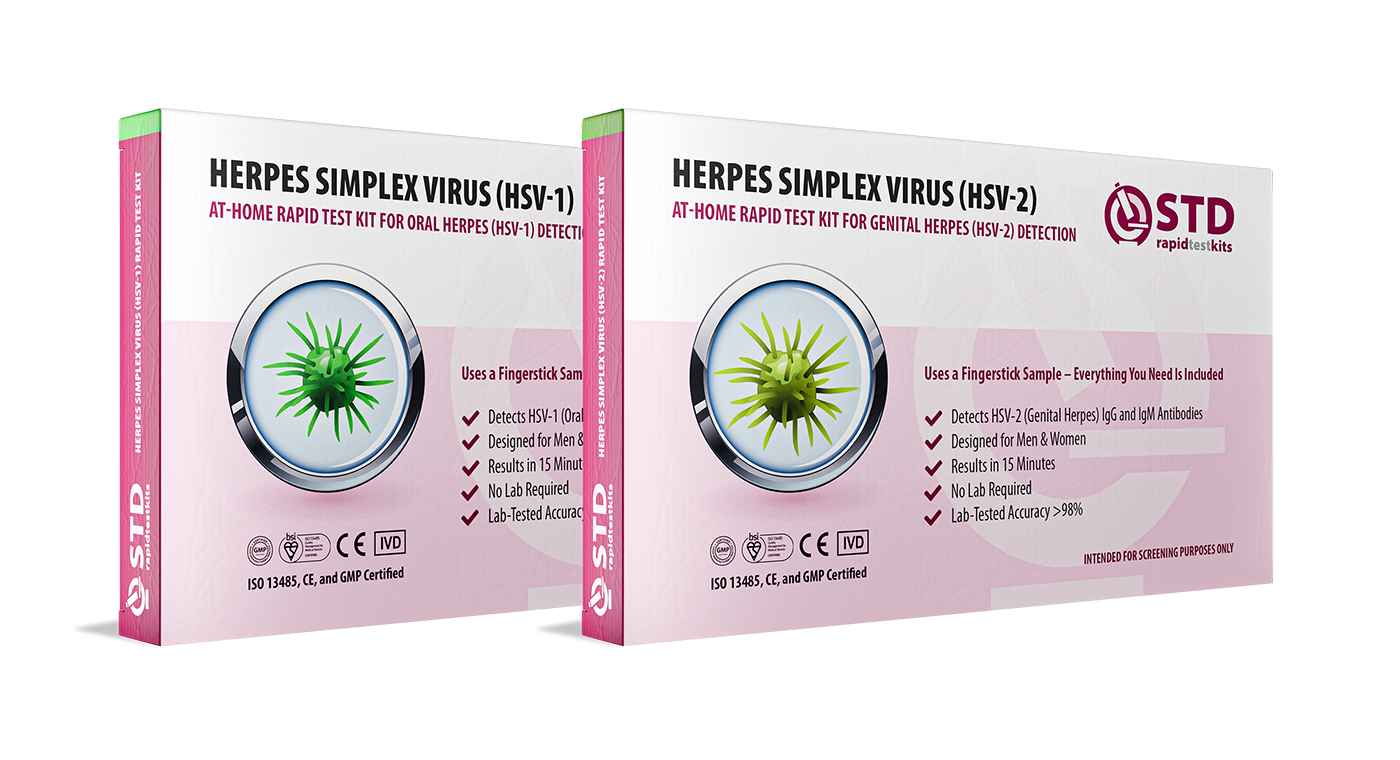 For Men & WomenResults in MinutesNo Lab NeededPrivate & Discreet
Order Now $75.00 $98.00
For all 2 tests
What Doctors Don’t Always Say
Unfortunately, many providers dismiss the link between birth control and herpes flares as “anecdotal” or irrelevant. They may quote outdated studies or tell you there’s “no evidence” of a connection. What they mean is that large-scale trials haven’t been done, not that your lived experience is invalid.
You deserve care that honors both science and your body’s signals. A provider who listens, tracks with you, and helps you weigh options, not one who gaslights you into staying miserable “because it’s not on the label.” If your current doctor won’t have that conversation, you can find another. Telehealth clinics, sexual health specialists, and even Planned Parenthood providers often take a more holistic approach.
Return to STD Rapid Test Kits to explore discreet at-home testing options and support your health journey on your terms.
Reclaiming Your Body, One Step at a Time
Herpes already comes with enough shame. You shouldn’t have to question whether your birth control, the thing that was supposed to give you control, is secretly making things worse. The good news? You have choices. Whether that’s switching methods, trying antivirals, or simply tracking more closely, you’re not powerless. You’re learning. And that matters.
This isn’t about fear. It’s about information. Because once you understand what’s happening, you can choose how to respond. And that’s what real sexual health is all about.
FAQs
1. Wait, can birth control really cause a herpes outbreak?
Not cause, but definitely trigger. If you already carry the herpes virus (like 1 in 6 adults in the U.S. do), a shift in your hormones, especially after starting a new method, can poke the sleeping bear. Suddenly you’re seeing flares that weren’t there before. You’re not imagining it. And no, you’re not overreacting either.
2. So... am I stuck choosing between not flaring and not getting pregnant?
Deep breath, you have more options than that. Some people find that switching to a method with estrogen (like the combo pill or patch) makes a huge difference. Others ditch hormones altogether and go with copper IUDs, condoms, or cycle tracking. If you love your current method, adding a daily antiviral might be the right move. It’s not a binary, it's a balancing act.
3. Why didn’t my doctor warn me this could happen?
Because most aren’t taught to connect the dots between hormones and herpes. You’ll hear, “there’s no evidence,” but what that often means is “there’s no massive pharmaceutical-funded study.” But if thousands of people report the same pattern, and we have immunological science backing it up, that’s more than just a coincidence. Trust your body.
4. How long after switching birth control might I see a flare?
For some, it's immediate. Others might coast for a month or two before the virus perks up. It depends on the method, your immune system, and how sensitive your body is to hormonal shifts. That’s why a symptom journal can be so powerful, you’ll see patterns even if your doctor can’t.
5. Do all birth control methods make herpes worse?
Nope. Plenty of folks with HSV thrive on hormonal contraception. But certain methods, like the Depo shot, Nexplanon, or hormonal IUDs, seem to stir things up more often. It’s not universal, but if you switched to one of those and now your downstairs is having tantrums, it might not be a coincidence.
6. I’m flaring more, but I don’t want to change my birth control. Any tips?
Totally valid. If your current method is doing wonders for other things (hello, clear skin and lighter periods), consider adding daily valacyclovir to keep outbreaks at bay. You can also track your cycle and boost self-care or antivirals around the time flares tend to show up. It’s not about quitting, it’s about adapting.
7. Does herpes get worse with age or just with hormones?
It varies. Some people get fewer outbreaks over time. Others flare with stress, immune dips, or yes, hormonal chaos (periods, pregnancy, menopause, the works). It’s not a straight line, and that’s okay. The goal isn’t zero outbreaks forever. It’s understanding your body’s rhythms and working with them.
8. Can I talk to my gyno about all this without sounding “crazy”?
You should be able to, but we know the reality. If your doctor brushes it off or makes you feel dramatic, that’s a red flag, not a reflection of your reality. Look for providers who center sexual health, STI literacy, and trauma-informed care. Telehealth is your friend here.
9. What if I’ve never been diagnosed with herpes but I’m flaring?
First, deep breath. You’re not dirty or doomed. You may have had HSV for years without knowing it (most people do). If you’re seeing symptoms after a birth control change, it might’ve nudged a latent infection to the surface. The good news? A rapid herpes home test can give you answers in minutes, no judgment, no waiting room.
10. Is it ever just a coincidence?
Sure. Life is messy. But if your flares walked in the same door as your new birth control? That deserves attention. It’s not about blaming your body or your choices, it’s about staying curious. You know yourself better than anyone. Listen in.
You Deserve Answers, Not Assumptions
If you’ve ever been told “it’s all in your head” or had a doctor wave off your concerns about hormonal birth control and herpes, you’re not alone, but you’re also not stuck. There’s power in information, and there’s comfort in validation. The pattern you’re noticing is real. It’s worth exploring. And it’s something you can take action on, without shame, without panic, and without sacrificing your health.
Don't wait and wonder; get the answers you need. This at-home combo test kit quickly and discreetly checks for the most common STDs.
How We Sourced This Article: We combined current guidance from leading medical organizations with peer-reviewed research and lived-experience reporting to make this guide practical, compassionate, and accurate.
Sources
1. CDC – Genital Herpes – STD Facts
2. Planned Parenthood – Birth Control Methods
4. Herpes – STI Treatment Guidelines
5. Genital herpes - Symptoms and causes | Mayo Clinic
8. Overview: Genital herpes - InformedHealth.org - NCBI Bookshelf
9. Herpes: HSV‑1 and HSV‑2 | Johns Hopkins Medicine
10. Fast facts about Herpes (Herpes Simplex Virus) | ASHA
About the Author
Dr. F. David, MD is a board-certified infectious disease specialist focused on STI prevention, diagnosis, and treatment. He blends clinical precision with a no-nonsense, sex-positive approach and is committed to expanding access for readers in both urban and off-grid settings.
Reviewed by: Anika Flores, NP | Last medically reviewed: January 2026
This article is only for information and should not be used instead of medical advice.


