




Can You Get an STD from a Virgin?
Sexually transmitted diseases, better known as STDs, have become very common on every continent of the world, but can you get an STD from a virgin? Although this is the correct question, it is rather

 1034
1034First, let's establish some background information.
Herpes simplex virus comes in two forms—HSV-1 and HSV-2. Both are viruses that remain lifelong in the body, causing recurring attacks. And while they share many similarities, each virus is really a little bit different from the other and tends to typically infect different areas of the body.
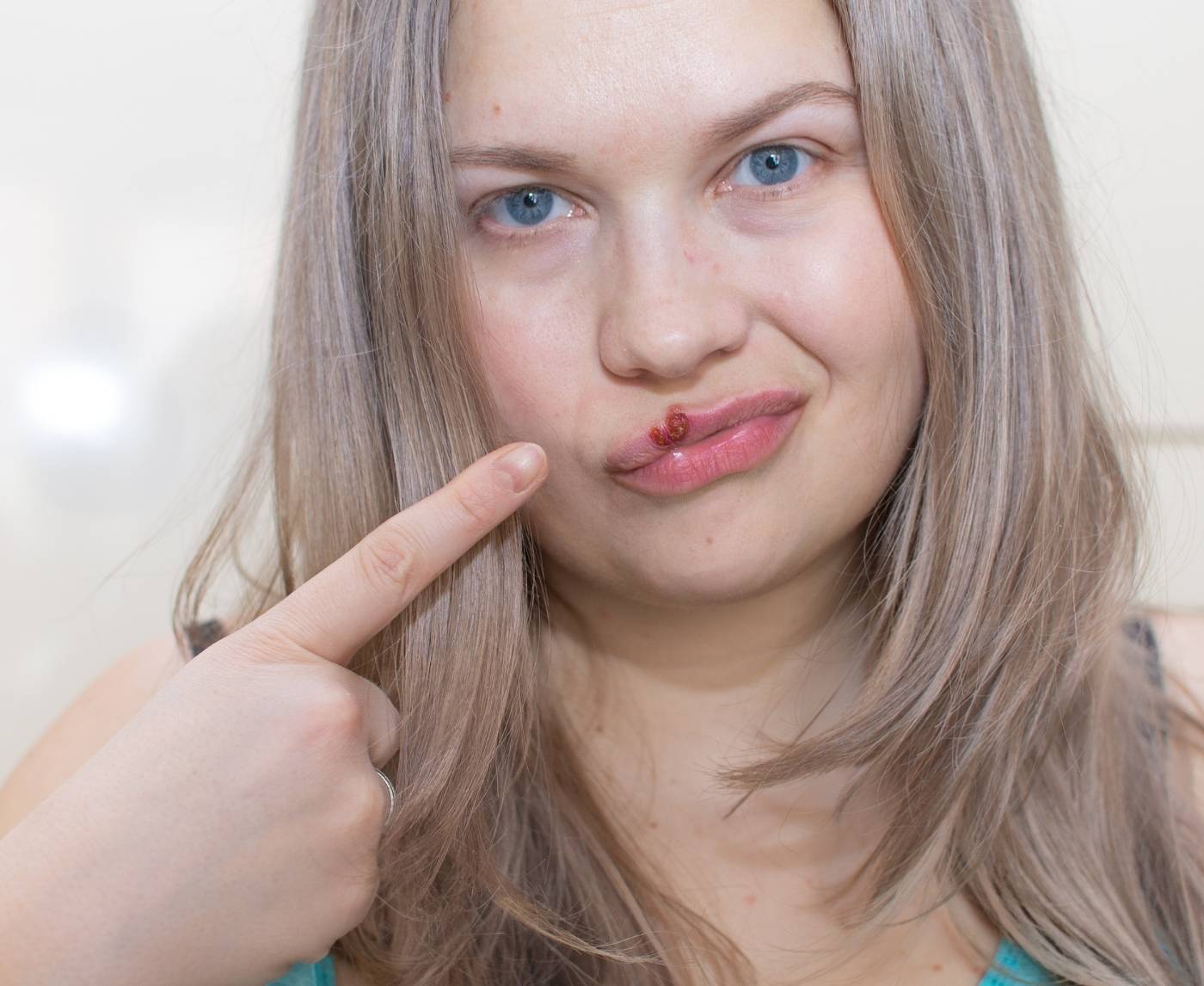
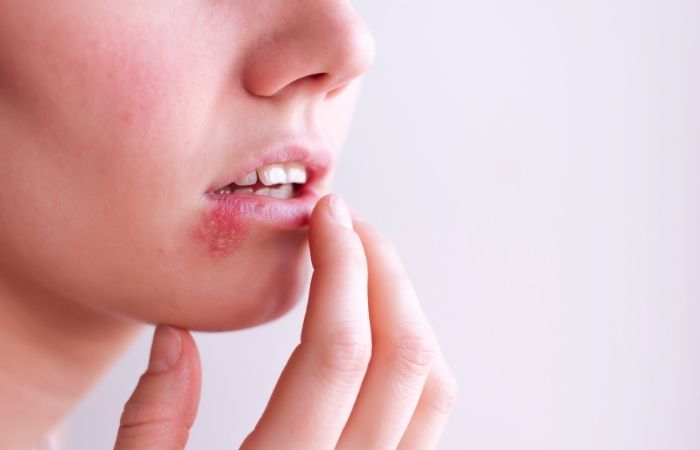
Typically associated with oral herpes, HSV-1 is the predominant reason for mouth cold sores. The majority of individuals contract this type in childhood due to non-sexual contact, i.e., a peck from someone in the family.
Predominantly responsible for genital herpes, HSV-2 is generally spread via sex. It's also known to cause outbreaks near or on the genital area, thighs, or buttocks.
However, this difference is not absolute. HSV-1 can transmit genital herpes through oral-genital contact, and HSV-2 can infrequently infect the mouth, if at all.
Knowing the differences between these viruses is important for several reasons:

 For Men & Women
 Results in Minutes
 No Lab Needed
 Private & Discreet
Order Now $33.99 $49.00
Understand precisely which herpes simplex virus you or your partner could have and the following benefits will serve to be useful:
Physicians recommend antiviral therapy such as valacyclovir or acyclovir to treat outbreaks. Knowing whether an infection is caused by HSV-1 or HSV-2 will affect dosage, treatment duration, and treatment response.
Prevention of HSV-1: Staying apart from close contact, particularly kissing, during breakouts lowers the risk of transmission considerably. Employment of protective devices during oral intercourse also decreases risk of transmission.
Prevention of HSV-2: Condon use during vaginal intercourse lowers the risk of transmission considerably. Use of antiviral drugs decreases the likelihood of transmission further.
Being open about one's HSV status can make an enormous difference in relationships. Honest, informed communication can prevent misunderstandings and create intimacy based on respect and trust.
Despite the benefits of a clear understanding of HSV-1 and HSV-2, there are still several significant challenges and risks associated with these infections:

Both HSV-1 and HSV-2 provide potential complications in pregnancy. Neonatal herpes is unusual but may be severe. Women need to speak openly about their HSV status to their medical doctors to offer a safe delivery.
You can reduce your risk and manage herpes effectively by taking action:
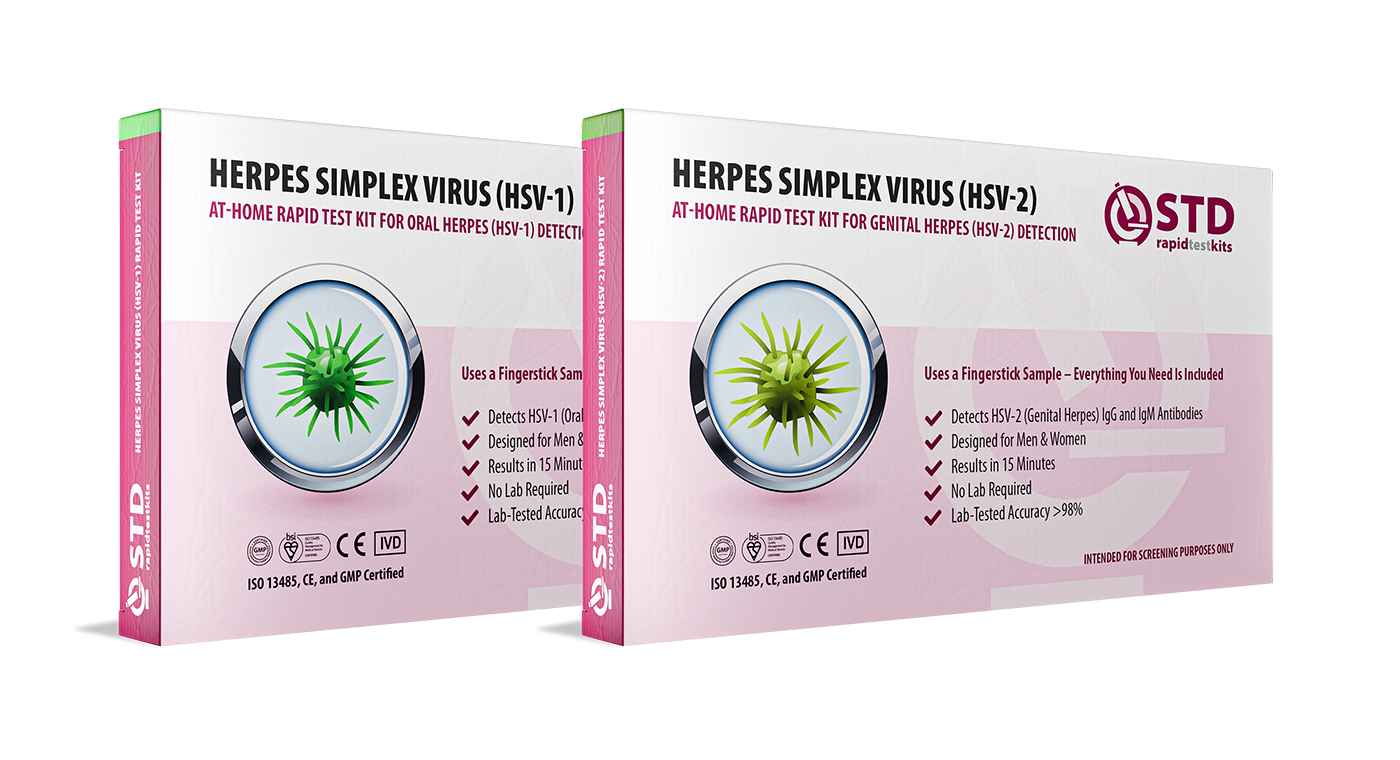 For Men & WomenResults in MinutesNo Lab NeededPrivate & Discreet
Order Now $75.00 $98.00
Awareness of herpes also involves looking at the numbers realistically:
These numbers emphasize the requirement of mass education, testing, and awareness in order to control transmission rates.
Experts are always emphasizing openness and candor regarding HSV:
Dr. Peter Leone, University of North Carolina School of Medicine Professor, emphasizes, "Knowledge of one's HSV status significantly reduces transmission risk and benefits mental health by eliminating uncertainty."
Case Study (HSV-1): Sarah, 29, describes managing HSV-1: "I learned about easy precautions during outbreaks that made all the difference. Being well-informed gave me the power to speak honestly with partners without fear."
Educating yourself about HSV-1 and HSV-2 can dramatically improve your life, relationships, and health. Here are simple, practical tips to manage your herpes simplex virus diagnosis:
Misconceptions about herpes have a tendency to create unnecessary anxiety. Let's shatter some common myths:
Fact: Both viruses can infect either location, but each has a predilection for a particular location (HSV-1 usually oral, HSV-2 usually genital).
Fact: Herpes is transmissible through asymptomatic shedding, and even when the symptoms are not present, appropriate preventive measures need to be taken regularly.
Fact: The majority of individuals with herpes go on to have healthy, fulfilling sex lives and relationships with appropriate protective measures.
Fact: Cold sores caused by HSV-1 are extremely contagious, especially during active outbreaks.
Elucidating these myths encourages healthier conversations and encourages responsible behavior, protecting you and your loved ones.
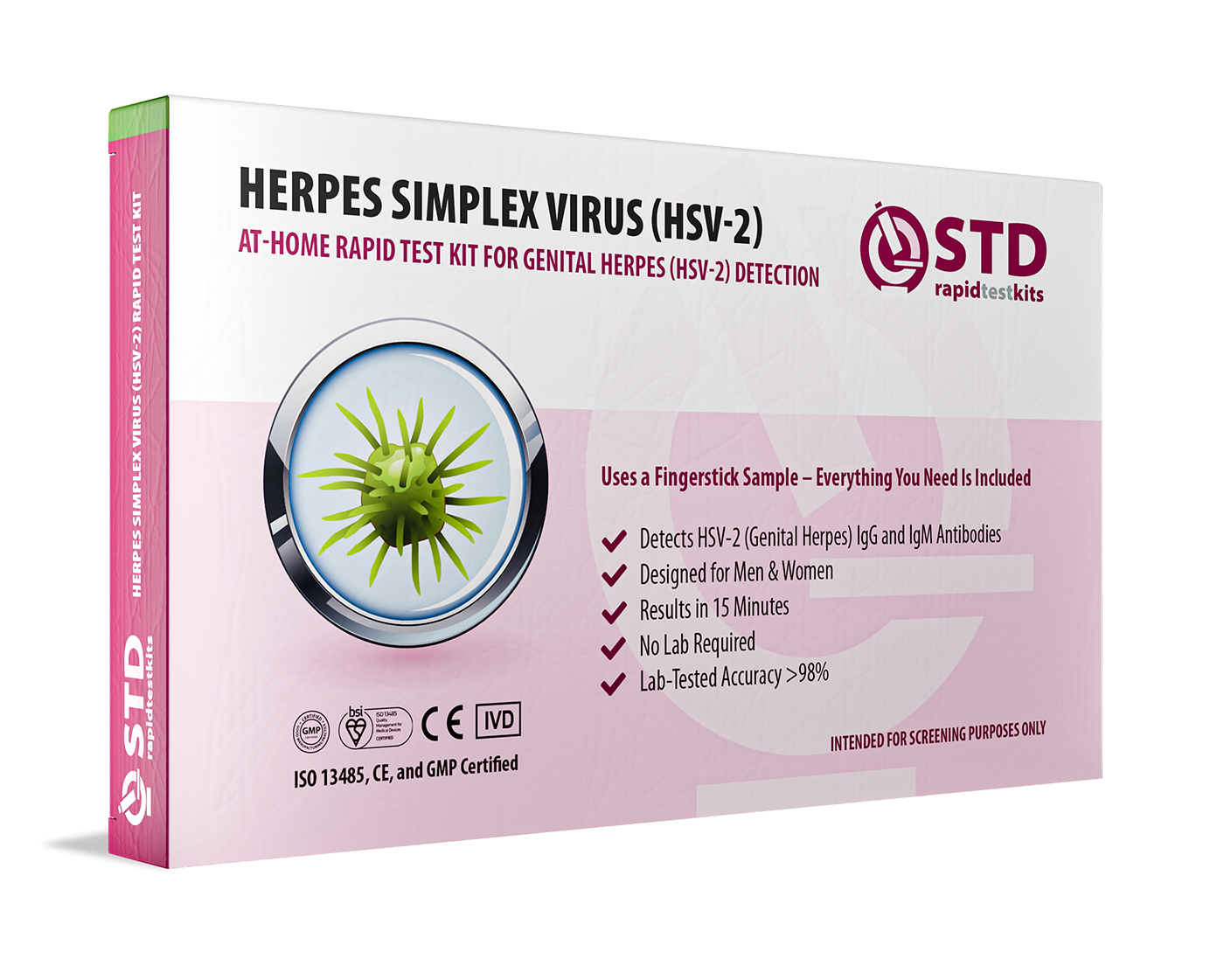 For Men & WomenResults in MinutesNo Lab NeededPrivate & Discreet
Order Now $45.99 $49.00
1.- Is HSV-1 less serious than HSV-2?
HSV-1 and HSV-2 have identical medical implications; however, HSV-2 usually leads to recurrent genital outbreaks, which are stronger psychologically.
2.- Can you catch HSV-2 through the mouth?
Yes, though less common, HSV-2 can infect the mouth via oral-genital contact.
3.- Can herpes be cured?
Herpes cannot yet be cured. Antivirals dampen symptoms and reduce transmission.
4.- How common is HSV-1 compared to HSV-2?
HSV-1 is much more common globally; approximately two-thirds of people under the age of 50 have HSV-1, and approximately 13% have HSV-2.
5.- Can herpes affect fertility?
Herpes will not be likely to impair fertility but can injure the newborns via active genital sores in delivery.
6.- Are home herpes tests reliable?
Home STD tests are very dependable if they're FDA-approved. For maximum accuracy, always read the instructions clearly.
7.- Is having HSV-1 proof against getting HSV-2?
No, HSV-1 is not proof against developing HSV-2. You are free to acquire both of them individually.
8.- What triggers herpes outbreaks?
Common precipitants include stress, illness, fatigue, menstruation, hormonal changes, and sun exposure.
9- Is antiviral treatment absolutely effective in preventing transmission of herpes?
While antivirals significantly suppress transmission, especially when combined with safe sex practices, they do not eradicate the risk entirely.
10.- Should you disclose your HSV status to a new partner?
Yes, HSV status disclosure is crucial to trust and informed consent between partners.
Understanding the distinctions between HSV-1 and HSV-2 places you in control of making safer, better choices in your sex and personal life. Open communication, awareness of transmission risks, and consistent preventive measures substantially reduce the impact and spread of herpes.
Remember:
Your well-being matters—don't take risks. Practice caution and consider getting tested often for HSV-1 and HSV-2. There are quick, discreet home STD testing packages that make staying on top of your sexual well-being easier than ever. Know early on might be a very big thing in your life of happiness and well-being.
Next Story

 Fast discreet shipping
 Instant results
 No lab required