







Quick Answer: HPV in men often causes no symptoms, but it can still lead to serious cancers and can be passed to partners. There’s no regular test for men, only prevention and awareness.
Why Most Men Don’t Know They’re Infected
Let’s start with the invisibility cloak. HPV doesn’t always show itself, especially in cis men. You can be exposed through oral, anal, or genital contact, and the virus may settle silently in the skin or mucous membranes. Some strains are cleared by your immune system in a year or two. Others, especially the high-risk types like HPV 16 and 18, can linger and cause precancerous changes without you feeling a single thing.
There’s a reason this doesn’t show up on your standard STI panel: there is no FDA-approved HPV test for men unless it’s part of anal cancer screening for men who have sex with men (MSM), or people with HIV. So unless you have visible genital warts, or a partner who tells you they’ve tested positive, you might never know you’re carrying it.
And even if you are, the stigma can hit hard. HPV is rarely talked about in male spaces. There’s shame, confusion, and misinformation, “Don’t only women get that?” “Isn’t that a vaccine thing for girls in high school?”, which creates the perfect storm of silent transmission.
HPV-Related Cancers in Men: What’s Really at Risk?
HPV doesn’t just sit around. If your body doesn’t clear it, certain strains can turn cellular changes into something far more serious. Let’s be blunt: yes, men can get cancer from HPV. Here’s what that risk landscape looks like when we actually name it.
| Type of Cancer | HPV Link | Who’s Most at Risk |
|---|---|---|
| Oropharyngeal (throat/tongue/tonsil) | More than 70% caused by HPV (esp. type 16) | Men over 40, oral sex history, smokers |
| Anal cancer | ~90% linked to HPV | MSM, HIV-positive men, those with immune suppression |
| Penile cancer | ~50% linked to HPV | Uncircumcised men, low HPV vaccine rates |
Figure 1. Common HPV-related cancers in men. Source: CDC, JAMA, and ACS reports.
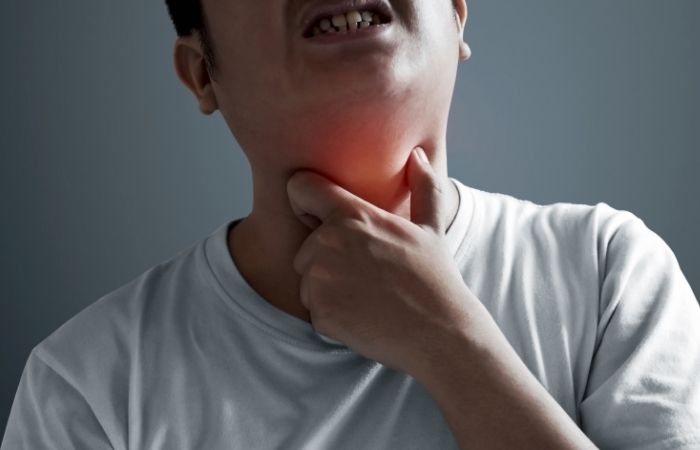
The most common by far is oropharyngeal cancer, cancer of the back of the throat, including the base of the tongue and tonsils. These cases are rising fast in men, overtaking cervical cancer rates in women. Most people have no idea oral sex can transmit HPV, but it can, and it does. Sometimes decades later, it shows up as a tumor in your neck.
The silence around male HPV risk delays detection. And without regular screening, these cancers are usually diagnosed late, when treatment is longer, harsher, and harder to hide from work or family.
People are also reading: Before You Blame the Itch, How STDs Hide in Long-Term Relationships
The Male HPV Myth That’s Keeping You Vulnerable
The biggest myth? That men don’t “need to worry.” It’s baked into public messaging, school vaccine programs, even doctor visits. But the science says otherwise. Men can carry HPV without symptoms. They can spread it. They can get cancer from it. And most won’t ever be tested.
We talked to Luis, 31, who found out the hard way:
“I went in for something unrelated and ended up needing a biopsy on a lesion near my anus. They said it was early-stage cancer, linked to HPV. I’d never even heard of that happening to guys.”
His story isn’t rare. High-risk HPV strains behave the same in male and female bodies, what’s different is how often we screen for them. For women, routine pap smears and HPV co-testing catch early warning signs. For men, unless you’re getting an anal pap through a specialized clinic or you’ve got visible warts, the system assumes you’re fine. That assumption is costing lives.
And for queer men, the risk isn’t just clinical, it’s cultural. Testing gaps intersect with stigma, homophobia, and healthcare avoidance, creating a perfect storm of late diagnoses and internalized shame. HPV in MSM populations is significantly more persistent and cancer-linked, especially when HIV is involved. Yet routine anal screening remains rare and underfunded.
The absence of testing does not equal the absence of risk. It means we’re flying blind.
How HPV Moves Through Bodies Without Saying a Word
Here’s the thing that throws people: HPV doesn’t need an orgasm to spread. It doesn’t care if you used a condom. It can pass through skin-to-skin contact alone. That means outercourse, oral sex, manual stimulation, anywhere genitals touch, can be enough. The virus lives in the surface cells of the skin, waiting for microabrasions. Protection helps. But it’s not bulletproof.
Jared, 27, had only ever had three partners. He used condoms, mostly. He was in a monogamous relationship when his girlfriend texted him after a routine pap: “I have HPV. They want to monitor me.” His first reaction was confusion. Then panic. “Does that mean I cheated? Did I give this to her?”
Probably not. The thing about HPV is that it can lie dormant for months or years. You might’ve picked it up from a college partner, and now your current partner is the one dealing with abnormal cells. That doesn’t make it your fault. It makes it a virus.
There’s no test to “clear your name.” No swab or blood test that can say, “You don’t have HPV anymore.” And there’s no test to confirm whether you currently have it unless you’re showing signs, or you’re part of a high-risk screening group. That ambiguity breeds anxiety and shame, especially in straight men who were never told to think about it in the first place.
So people stay silent. They don’t tell new partners. They don’t know when they got it or from whom. And the cycle continues.
Check Your STD Status in Minutes
Test at Home with Remedium6-in-1 STD Rapid Test Kit

 For Men & Women
 Results in Minutes
 No Lab Needed
 Private & Discreet
Order Now $119.00 $294.00
For all 6 tests
“Why Didn’t Anyone Warn Me?”: The Vaccine Gap for Men
The HPV vaccine is safe, effective, and lifesaving. But most men didn’t get it, because they were never told they should.
Gardasil 9, the current vaccine version, protects against nine high-risk strains of HPV. It prevents the majority of cervical cancers, yes, but also throat, anal, and penile cancers. The original recommendation focused on girls aged 11–12. Boys weren’t added to the routine schedule until 2011. And by then, most men in their 20s and 30s had already aged out of the system.
That leaves a huge cohort of adult men unvaccinated and unprotected. Some believe it’s “too late.” But that’s not necessarily true. You can get the vaccine up to age 45, and even if you’ve already been exposed to one strain, the vaccine can still protect against others.
Marcus, 38, got vaccinated after his partner had a cone biopsy for cervical dysplasia. “I didn’t want to be the reason it came back,” he said. His doctor hadn’t suggested it, he brought it up himself. That’s the norm for men: you have to self-advocate. Most providers still don’t mention the shot unless you ask.
| Age Group | Vaccine Eligibility | Effectiveness Notes |
|---|---|---|
| 9–14 | Routine 2-dose series | Best immune response |
| 15–26 | 3-dose catch-up series | Still highly effective |
| 27–45 | Optional with shared decision-making | Protective if not previously exposed |
Figure 2. CDC recommendations for HPV vaccination by age and immune status.
So, should you get the shot? If you haven’t already, talk to your provider. Especially if you have sex with multiple partners, identify as LGBTQ+, or have a partner with a known HPV infection. It’s one of the few ways to tilt the odds back in your favor, because waiting for symptoms isn’t a strategy. By then, it’s often too late.
Okay, So What Can Men Actually Do About HPV?
If you can’t test for it... and you don’t have symptoms... and you probably didn’t get the vaccine... what now?
Here’s where action lives:
First, normalize the conversation. If a partner tells you they’ve tested positive for HPV, don’t freak out. Don’t shame them. Don’t assume they cheated. Instead, thank them. That’s courage. And that courage creates safety.
Second, get proactive about your own health. If you’re in a high-risk group, especially if you’re a man who has sex with men, are HIV-positive, or have a history of STDs, talk to your provider about anal pap screening. It’s not widely offered, but it can detect precancerous changes early.
Third, use protection consistently, but understand that HPV can still spread. Condoms lower the risk significantly, especially for genital warts and penile transmission, but they don’t eliminate it. That’s why the vaccine and open disclosure matter so much.
And if you’re reading this with a question mark in your gut, if you’re unsure whether you’re carrying HPV, or what to tell a partner, or what that bump might be, you don’t have to guess blindly.
Discreet, at-home testing can’t detect HPV itself (yet), but it can rule out other common STDs that cause similar symptoms. That peace of mind matters. And if you’re in the clear, it gives your provider a better diagnostic path forward.
This combo test kit checks for the most common infections men worry about after a hookup. It’s private, accurate, and ships fast. Even if you’re unsure what you’re looking for, it’s a place to start.

People are also reading: STD Discharge vs. Healthy Discharge: Here’s How to Tell
The Timeline Trap: Why HPV Doesn’t Follow the Rules
Let’s walk through what makes HPV different from other STDs, because it doesn’t play fair. There’s no clear “exposure” to “symptom” window. For many men, there’s no symptom at all. That means timelines get fuzzy, guilt gets misplaced, and people start pulling apart their relationship histories to find a culprit instead of a plan.
Ben, 29, had been with his partner for over a year when she told him she had abnormal cervical cells caused by high-risk HPV. His first thought: “Did I give this to her? Or did she give it to me?” That question haunted him for weeks, until he finally sat with a provider who explained: there’s no test to determine when or from whom you got HPV. It doesn’t work that way.
You could’ve been exposed five partners ago. You could carry it for years without passing it on, or pass it during the first week of infection. There’s no neat logic. Only immune response and statistical risk.
And that lack of closure? It drives people into shame spirals. Men think they must be “dirty.” Partners think they’ve been cheated on. But this is just a virus doing what viruses do. It doesn’t mean you’re irresponsible. It means you’re human. And human bodies are messy.
HPV isn’t like gonorrhea or chlamydia where symptoms usually appear within days or weeks. It’s a long game. For cancer to develop from HPV, it often takes 10–20 years. But when it does, it’s often in men who never felt a thing.
That’s why waiting for symptoms doesn’t work. Prevention does. And when prevention isn’t possible, transparency and support make all the difference.
“How Do I Tell My Partner If I Don’t Even Know I Have It?”
This might be the hardest part. How do you disclose something you can't confirm? Something that never showed up in a test or caused a symptom, but might have passed through you anyway?
The truth is, talking about HPV is awkward. It doesn’t feel clear-cut. But that doesn’t mean you don’t talk.
Andre, 34, struggled with this when a former partner reached out to say she'd tested positive. “I felt weird even responding,” he said. “I had no symptoms, no idea if I’d given it to her or not. But I didn’t want to ghost. So I said, ‘Thanks for letting me know. I haven’t had any signs, but I’m going to talk to my doctor.’”
That’s it. You don’t need a thesis. Just honesty, respect, and a willingness to stay in the conversation. Most people aren’t looking for perfect answers. They’re looking for care. And owning your part, even in the unknown, is a form of it.
If you’re unsure how to say it, start with this: “I’ve been reading up on HPV and realized I might not know if I’ve had it. I want to be honest about that. There’s no test for men unless we show symptoms, but I care about being transparent.”
That’s not weakness. That’s strength.
Check Your STD Status in Minutes
Test at Home with Remedium8-in-1 STD Test Kit
 For Men & WomenResults in MinutesNo Lab NeededPrivate & Discreet
Order Now $149.00 $392.00
For all 8 tests
Why This STD Still Flies Under the Radar (And How to Change That)
It’s easy to blame the virus. But the silence around HPV isn’t just about biology. It’s about culture. Most STD messaging for men focuses on chlamydia, gonorrhea, and HIV. HPV barely makes the cut unless it’s a scare about genital warts, and even that’s rare.
The truth is, male bodies weren’t included in the original public health conversation around HPV. That’s changing, but not fast enough. Medical systems are still catching up. Providers often don’t bring it up. Insurance doesn’t always cover late vaccinations. And clinics rarely offer anal pap smears unless you know to ask.
That means the burden is falling on patients. On you. To ask questions no one told you to ask. To weigh the cost of silence against the risk of awkwardness. To tell a partner you care, even when the science doesn’t give you a test result to back it up.
But silence is how HPV wins. It moves invisibly, passed between people too afraid or unsure to speak up. We change that by talking. By pushing for vaccine access for all genders, at any age. By normalizing the idea that men can carry risk too. And by remembering that testing isn’t shameful, it’s protective.
If you’ve never tested for STDs, or haven’t in a while, it’s not too late. You can order a discreet home test that checks for other common infections. While it won’t detect HPV directly, it can give you a cleaner slate to work from, and rule out the things that do show up early and clearly.
Because worrying in the dark doesn’t help anyone. Getting informed does.
FAQs
1. Can I have HPV and never know it?
Yep. That’s the frustrating truth. Most men with HPV never get symptoms, no bumps, no burning, nothing. You could carry it for years, pass it to a partner, and still feel totally fine. That doesn’t make you reckless. It makes you like literally millions of other people.
2. Wait, there’s no test for men?
Correct, unless you have visible genital warts or are getting an anal pap smear because you're in a high-risk group, there’s no routine screening for HPV in men. It's like trying to find a ghost without a flashlight. That's why prevention and honest convo matter more than waiting on a test that doesn’t exist.
3. So how the hell would I know if I had it?
Honestly? You probably wouldn’t. Maybe a partner tells you they tested positive. Maybe you get a wart and a doctor says it’s likely HPV. Or maybe you never know at all. The virus is sneaky. That’s why awareness is power, it’s not about blame, it’s about being informed.
4. Can I give it to someone even if I don’t have symptoms?
Absolutely. That’s one of HPV’s favorite tricks. You can feel completely fine and still pass it on through skin-to-skin contact during sex, oral, anal, vaginal, even just rubbing up against each other. Condoms help, but they don’t block everything.
5. Does HPV really cause cancer in men?
Yes, and this is where it gets serious. HPV can cause throat, anal, and penile cancers in men. Throat cancer especially is rising fast in dudes over 40, often linked to oral sex and, yep, HPV. No shame. Just facts. It’s not rare, it’s just rarely talked about.
6. Isn’t the vaccine just for teens or girls?
Not anymore. Gardasil 9 is for everyone, boys, girls, men, women, nonbinary folks, up to age 45. If you didn’t get it as a kid, it’s not too late to catch up. Even if you’ve had sex already, the vaccine can still protect you from the strains you haven’t been exposed to yet.
7. Can my body clear HPV on its own?
Often, yes. Most people’s immune systems kick it out within a couple years. But some strains stick around, especially the high-risk ones. And if they linger? That’s when they start changing cells. That’s where cancer risk creeps in.
8. What do genital warts actually look like?
They vary. Think soft, skin-colored bumps that can show up solo or in clusters. Sometimes they’re flat. Sometimes they look like tiny cauliflower florets. Cute, right? (Kidding. They suck.) If you spot something weird, get it checked. Don’t just Google yourself into a spiral.
9. How do I talk to a partner about HPV if I don’t even know if I have it?
Start here: “Hey, I just learned a lot about HPV and realized I might’ve been exposed in the past, even if I never had symptoms. I want to be upfront.” That’s it. You don’t need a diagnosis to start a respectful, adult conversation. Most people will appreciate the honesty. And if they don’t? That’s on them, not you.
10. Will a standard STD test tell me if I have HPV?
Nope. Most clinics don’t test men for HPV at all. But you can test for everything else, chlamydia, gonorrhea, syphilis, HIV. And you should. Knowing what isn’t going on helps narrow things down and shows your partners you’re serious about health.
You Deserve Answers, Not Assumptions
If there’s one thing we want you to take from this: you are not broken, reckless, or alone. HPV doesn’t discriminate by gender, and your lack of symptoms doesn’t make you immune. What protects you, and your partners, is knowledge. Action. Willingness to have the conversations others avoid.
Don’t wait for symptoms to show. Don’t assume silence means safety. Start where you are. Test for what you can. Learn what you need to. Speak up even when it’s messy. That’s what sexual health actually looks like.
Don’t wonder in silence. Order a discreet at-home STD test kit today and take one bold step toward clarity. You're worthy.
How We Sourced This Article: We combined current guidance from leading medical organizations with peer-reviewed research and lived-experience reporting to make this guide practical, compassionate, and accurate.
Sources
1. American Cancer Society – HPV and Cancer
3. Concerning Genital HPV Infection | CDC
5. CDC's HPV Vaccination Guidelines
6. CDC's Guidelines for Handling Human Papillomavirus (HPV) Infection
7. Cancers Caused by HPV | CDC
8. WHO | Human Papillomavirus and Cancer
9. Men's Human Papillomavirus Infection Epidemiology | NIH PMC
10. HPV in Men: Symptoms, Complications, Causes | NIH PMC
About the Author
Dr. F. David, MD is a board-certified infectious disease specialist focused on STI prevention, diagnosis, and treatment. He blends clinical precision with a no-nonsense, sex-positive approach and is committed to expanding access for readers in both urban and off-grid settings.
Reviewed by: Dr. James N., MPH, PhD | Last medically reviewed: February 2026
This article is for informational purposes and does not replace medical advice.


