







Quick Answer: Tell your partner you have HPV by keeping it simple, factual, and calm, focus on how common it is, what it means (or doesn’t), and that you care about their health too. The timing depends on your relationship, but honesty before sex is usually best.
Why This Conversation Matters More Than You Think
This isn’t just about ethics or disclosure, it’s about power, shame, and fear. Too many people with HPV feel like they’re suddenly “dirty” or “unlovable.” But the truth? Up to 85% of sexually active people will have at least one strain of HPV in their lifetime. This virus is the most common sexually transmitted infection in the world, and most types cause no symptoms and clear on their own.
So why the panic? Because people don’t talk about it. They think STDs are a sign of recklessness, even though HPV can spread even with a condom, even during oral sex, and even when both people have zero symptoms. The silence is what causes the stigma, not the virus.
This article exists to break that silence. Whether you’re in a long-term relationship or swiping on dating apps, knowing how and when to talk about HPV gives you back your power. You don’t need to justify your past, you just need to be honest about your present.

People are also reading: STI Prevention Isn’t Just Condoms: How Lube, Grooming, and Hygiene Matter
When Should You Tell a Partner You Have HPV?
There’s no one right moment, but there are better ones. Ideally, you talk before sex. But not right before sex. And definitely not in the middle of it. You want to give the other person space to process, ask questions, and feel safe.
Here's one way to think about it:
| Relationship Type | Ideal Timing for Disclosure |
|---|---|
| Casual hookup / new Tinder date | Before any sexual activity, bring it up in a calm, no-pressure way |
| Early-stage relationship | Before sex happens, when trust starts building |
| Established long-term relationship | As soon as you learn your status, in a private, distraction-free setting |
| Back together after a break | Before intimacy resumes, especially if either of you had other partners |
Figure 1. Suggested timing to disclose HPV, based on the nature of the relationship.
If you’re not sure how serious things are, that’s okay. The general rule: if you’d feel guilty not telling them, you probably should. Trust your gut, but don’t wait so long that you’re in too deep and they feel blindsided.
How to Start the Conversation (Even If You’re Terrified)
Let’s get one thing clear: you don’t owe anyone a medical textbook or a shame apology. You’re not confessing a crime. You’re offering information about something that affects both of you. That’s called care, not guilt.
Start simple. You don’t need a whole speech. Here are a few opening lines that work in real life:
| What You Can Say | Why It Works |
|---|---|
| “Before things get more physical, I want to share something about my health.” | Sets a respectful tone and prepares them emotionally |
| “I tested positive for HPV a while ago. It’s super common, and I don’t have symptoms right now.” | Normalizes the infection and removes urgency or panic |
| “You deserve to know before we have sex, this won’t be a dealbreaker for everyone, but I’d want to know too.” | Centers mutual respect and shared responsibility |
| “There’s no easy way to say this, but I have HPV. I’m okay, and I want to talk about how it might affect us.” | Leads with vulnerability and invites a shared conversation |
Figure 2. Real-world HPV disclosure phrases that avoid shame and create connection.
This isn't about persuading them not to freak out, it’s about being honest and grounded. If they respond with panic or rejection, that’s not a reflection of your worth. It’s a reflection of their education (or lack of it) about HPV.
What If They React Badly?
This is the part everyone fears, and yes, it can happen. Some people panic. Some ghost. Others just say the wrong thing. But here’s what you need to remember: their reaction is about them, not you. If someone shames you for disclosing HPV, they’re showing their lack of knowledge, not your lack of worth.
HPV stigma is rooted in sex negativity, poor education, and fear of the unknown. Most people don’t know that many strains clear naturally. Or that condoms only reduce, not eliminate, HPV risk. Or that most adults have already been exposed at some point in their lives.
If they respond with questions, that’s a win. If they need time, that’s human. If they lash out or accuse you of being “gross” or “irresponsible,” that’s not someone who deserves access to your body, or your vulnerability.
Real talk: If you were open, clear, and kind in your approach, you did your part. Their response is not your responsibility. And if they walk away, let them. Better that than building intimacy with someone who sees health as shame.
Check Your STD Status in Minutes
Test at Home with RemediumPapillomavirus (HPV) Test
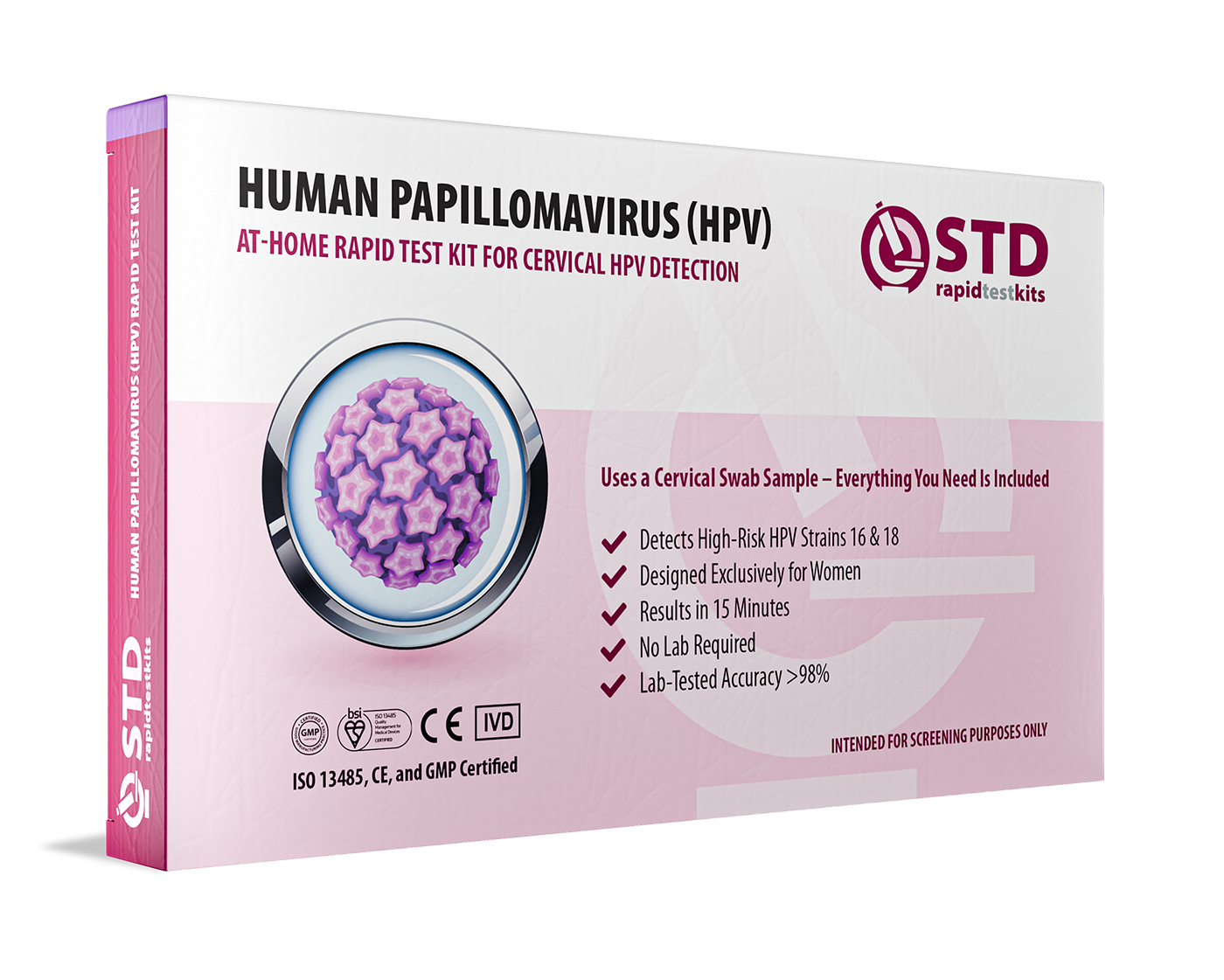
 For Women
 Results in Minutes
 No Lab Needed
 Private & Discreet
Order Now $33.99 $49.00
What If You Have Genital Warts?
This adds another layer of vulnerability. Visible genital warts are often caused by low-risk HPV types like 6 and 11. They don’t lead to cancer, but they do carry emotional weight. You might worry: “What if they see them? What if they’re disgusted?”
Here’s the truth: warts don’t define your sexuality or desirability. They’re skin changes, not a character flaw. They can be treated, and some go away on their own. Many people still have fulfilling relationships and sex lives, even during outbreaks.
When disclosing visible symptoms like warts, it’s helpful to focus on facts and normalizing language:
“I have some small warts right now, it’s from a strain of HPV that doesn’t cause cancer, and I’m managing it with my doctor.”
That’s calm, clear, and takes the fear out of the unknown. If the person you’re dating genuinely cares, they’ll ask follow-up questions, not make you feel ashamed. And if they bail? That’s protection, not rejection.
You don’t have to share every detail immediately. But honesty about visible symptoms, especially if sex is likely, protects both of you.
What If You Were Never Diagnosed, But You Suspect HPV?
This is more common than you think. Maybe your ex had HPV. Maybe you had irregular Pap results in the past. Maybe you noticed a skin change and aren’t sure. So do you tell someone even without a diagnosis?
There’s no legal rule here. But from a harm-reduction standpoint, honesty helps everyone. Here’s how you can frame it:
“I haven’t been officially diagnosed, but I’ve had a past partner with HPV, and I care about keeping us both safe.”
You’re not claiming a diagnosis, you’re being transparent about possible exposure. That’s what mutual care looks like. Remember, there are over 100 types of HPV, and most people will carry at least one at some point. It’s okay to be uncertain. It’s not okay to stay silent out of fear.
If this situation applies to you, consider taking a discreet HPV test at home. Even if it’s not required, it might give you peace of mind, or clarity to guide your next conversation.
Testing Together Can Ease the Fear
If you’re early in a relationship and unsure how someone might react, offer to test together. This shifts the frame from “I’m diseased” to “We’re being smart.” HPV isn’t a moral failure, it’s a common virus. And testing together shows maturity, not danger.
Here’s a low-pressure way to say it:
“Hey, I care about both of us. I’ve had HPV in the past and thought we could test together just to be on the same page.”
That doesn’t center fear or guilt, it centers partnership. And in most cases, that’s exactly what makes people feel safe enough to stay.
Don’t Wait for the Perfect Moment, It Doesn’t Exist
Many people delay this talk because they’re waiting for the “right time.” But perfect timing doesn’t exist. There will always be nerves, always a bit of risk. The goal isn’t to eliminate anxiety, it’s to move through it with clarity and care.
Silence doesn’t protect the other person, it just creates space for confusion or resentment later. And if you’ve ever been on the other side, you know how much it matters to be told upfront, calmly, and respectfully.
Your vulnerability is a gift, not a burden. Don’t wrap it in shame. Just offer it plainly and let the other person respond as they will. If they’re worth your time, they’ll see it as a strength, not a flaw.
What If They Say “I Have It Too”?
You might be surprised, some people already know they’ve had HPV. Maybe it showed up in a Pap test. Maybe they had a wart treated years ago. Maybe they didn’t even know what it was called. When someone responds with “I’ve had it too,” that’s not the end of the conversation, it’s the start of a new level of trust.
In these cases, talk about prevention, testing, and whether either of you currently has visible symptoms. Even if both partners have had HPV, you can still reinfect each other with different strains. But if you're symptom-free, it’s often more about staying aware than changing behavior.
This is also a moment to talk about vaccines. The HPV vaccine doesn’t cure existing infection, but it can prevent future types, including those that cause cancer. If your partner hasn’t been vaccinated yet, this might be a chance to protect both of you down the line.
People are also reading: Why You Should Always Use a Condom on Your Sex Toys
If They Want to Talk More, Or Not Talk at All
Everyone processes this stuff differently. Some people want to Google immediately. Others go quiet. Some ask a ton of questions. Others say, “Thanks for telling me,” and move on. Don’t take any of it personally.
Let the silence breathe if needed. You don’t need to fill every gap. Try this:
“I know it’s a lot. I’m here if you want to talk more, now or later. I just wanted to be honest.”
You’ve done the hard part. Now give them space to do theirs. If they come back with thoughtful follow-up? Great. If they pull away forever? That’s painful, but it’s also information.
Either way, your honesty gave them agency. And that’s more than most people get in sexual relationships.
What to Do After the Conversation
Whether it went well or not, take a deep breath. Seriously. Just breathe. You were brave. You were honest. You turned a silent topic into a real one.
If your partner is still open to connection, talk through what comes next. Maybe that means testing together. Maybe you both wait a little before having sex. Maybe nothing changes at all. That’s all valid.
If you’re both comfortable moving forward, discuss whether either of you wants to:
- Get tested: Even without symptoms, HPV testing can offer peace of mind
- Start treatment: If there are visible warts or abnormal results, a clinician can help
- Use protection: Condoms reduce but don’t eliminate transmission, still worth using
- Get vaccinated: The HPV vaccine helps prevent high-risk strains
Remember, this isn’t a one-time talk, it’s an ongoing conversation about care, respect, and health.
Long-Term Relationships and HPV Disclosure
What if you’ve been with someone for months, or years, and just found out you have HPV? This is a common situation, especially when the virus was dormant or only discovered during routine screening.
Start with transparency, not guilt:
“I just got some results back, they found HPV. It’s common and often doesn’t cause issues, but I wanted you to know.”
You don’t need to “prove” when or how it started. There’s no way to know when HPV entered a relationship. It could’ve been dormant for years. That ambiguity can cause tension, but it shouldn’t become blame.
In long-term partnerships, disclosure often becomes part of broader sexual health conversations. You can revisit STI testing as a couple, check in about comfort and risk, and update your prevention plan together.
Most of all, remember: HPV doesn’t mean your relationship is doomed. It just means you’re both human, and now, informed.
Let’s Be Clear: Having HPV Doesn’t Make You Undateable
You can date. You can fall in love. You can hook up. You can build a future. HPV does not make you broken. It makes you normal. A little uncomfortable, maybe. But also braver than most people who keep their silence out of fear.
In fact, being upfront about your status might lead to more honest, respectful relationships. When someone sees that you can be vulnerable about something this hard, they’re more likely to show up with empathy instead of ego.
Let them. Let yourself. Your value is not diminished by a diagnosis. You are still worthy of intimacy, connection, pleasure, and love.
If you’re still sitting with fear, take one concrete step: Order a discreet test or check your status. Sometimes, clarity is the first door out of the spiral.
Check Your STD Status in Minutes
Test at Home with Remedium10-in-1 STD Test Kit
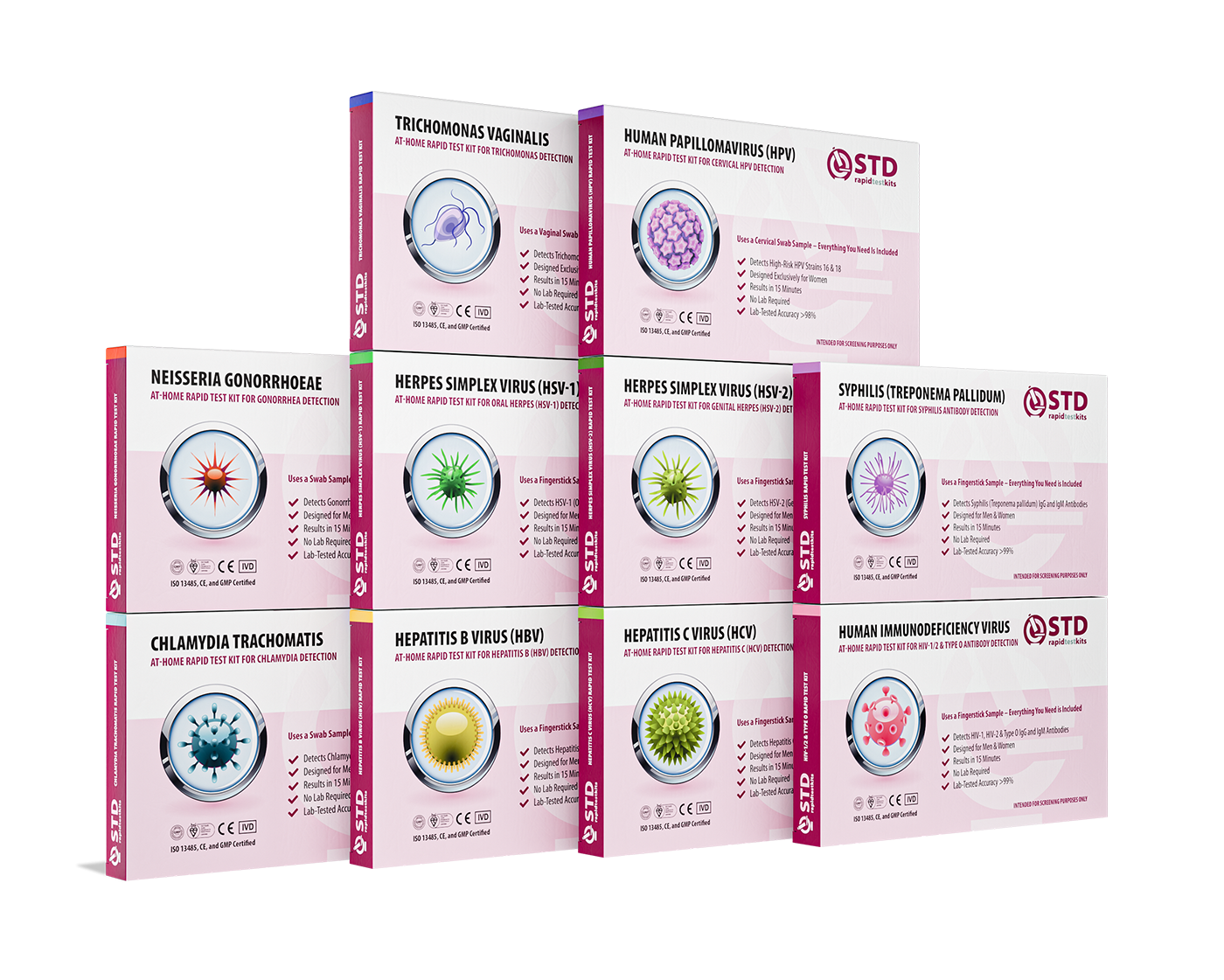 For WomenResults in MinutesNo Lab NeededPrivate & Discreet
Order Now $189.00 $490.00
For all 10 tests
FAQs
1. Do I really have to tell someone I have HPV?
It’s not a legal requirement in most places, but in real life, honesty before sex goes a long way. Think of it less like a “confession” and more like: “Hey, here’s something I want you to know so we’re both good.” Most people appreciate the heads-up, especially when you don’t make it weird or scary.
2. What if I already slept with someone and found out I have HPV after?
That’s super common. HPV doesn’t always show up right away, and most folks don’t even know they have it. If this happens, a simple, respectful message like: “Hey, I just learned I have HPV and wanted you to know in case it affects you too” keeps things mature. No shame. Just facts.
3. Can my partner give me HPV again if I already had it?
Yep. There are over 100 strains, and even if you’ve had one, you could pick up a different type from a partner. It’s kind of like swapping playlists, you might both love music, but what’s on repeat might not be the same.
4. How long does HPV stay in your body?
Most people clear it naturally in 1 to 2 years. Sometimes even faster. But certain strains, especially the high-risk ones, can hang out longer and might need follow-up care. That’s why screenings like Pap tests exist: not to panic you, but to catch anything early if needed.
5. Can you have HPV and not even know it?
Absolutely. Most people don’t have symptoms. That’s what makes HPV tricky, it’s often silent. You could carry it for years and only find out through a routine test. That’s why “I have HPV” doesn’t mean “I did something wrong.” It usually means “I found out what most people never test for.”
6. Is dating with HPV even realistic?
Totally. People date with HPV every day, you just don’t hear about it because it’s not in their bios. Once you learn how to talk about it (without shame or panic), it stops being a relationship-killer. Many partners respond with: “Oh, I think I had that too.”
7. If I have HPV, will my partner definitely get it?
Not necessarily. It spreads through skin-to-skin contact, and condoms help, but they’re not foolproof. That said, your partner won’t “definitely” get it, and if they do, their body might clear it without ever showing symptoms. This isn’t a virus that means doom and gloom.
8. Should I be getting tested for HPV regularly?
If you have a cervix, yes, Pap smears and HPV testing are part of regular preventive care. But if you don’t (like cis men, for instance), there’s no routine test approved in most countries. Still, if you’ve got concerns, especially about symptoms like warts, talk to a provider. There are ways to check.
9. Can I still get the HPV vaccine after I’ve already had HPV?
Yes, and it’s a smart move. The vaccine doesn’t clear an existing infection, but it protects against other strains, including the ones that lead to cancer. Even if you’re in your 20s or early 30s, you might still be eligible. Ask your doc. It’s not too late.
10. I don’t have a cervix, how do I even know if I have HPV?
Fair question. There’s no gold-standard HPV test for people without a cervix, but some clinics offer anal or throat swabs if you’re high-risk or have symptoms. Otherwise, if you notice changes like warts, talk to a provider who won’t dismiss your concerns. And remember: most HPV clears on its own without causing issues.
You Deserve Honesty, Not Shame
Discussing HPV is never an easy conversation, but being outspoken about it is definitely bolder than staying quiet about it. It matters whether you already know you have HPV, whether you have any HPV symptoms, or if you’re even trying to figure out where you can begin the conversation with your sexual partners. It’s a conversation about care because you care about your sexual partners.
Your health status does not define your worth. Your honesty does. If you’re not sure where to begin, start by getting informed. This at-home combo test kit checks for the most common STDs discreetly and quickly. Use it to start the conversation, with your partner, or just with yourself.
How We Sourced This Article: We combined current guidance from leading medical organizations with peer-reviewed research and lived-experience reporting to make this guide practical, compassionate, and accurate. In total, around fifteen references informed the writing; below, we’ve highlighted some of the most relevant and reader-friendly sources.
Sources
1. Planned Parenthood – What is HPV?
2. Journal of Family Medicine – Psychological Impact of STI Disclosure
3. About Genital HPV Infection — CDC
4. Human Papillomavirus (HPV) Infection — STI Treatment Guidelines, CDC
5. What Does an HPV Diagnosis Mean for My Relationship? — Healthline
About the Author
Dr. F. David, MD is a board-certified infectious disease specialist who works to stop, diagnose, and treat STIs. He combines clinical accuracy with a straightforward, sex-positive approach and is dedicated to making his work more accessible to readers in both cities and rural areas.
Reviewed by: A. Nguyen, FNP-C | Last medically reviewed: November 2025
This article is for informational purposes and does not replace medical advice.


