Published: November 2025 | Last updated: May 2026 | Editorial review and quality control: Martina N.
A small sore on your lip or near your genitals can spin into a long Google search at 1 a.m., especially if it landed there after a sexual encounter you are now reviewing in your head. The reassuring news first: most lip sores are common cold sores caused by herpes simplex virus type 1 (HSV-1), the same virus already present in roughly two-thirds of adults under 50 worldwide per the World Health Organization. The less reassuring news: the early sore of syphilis, called a chancre, can sit on the lip or anywhere a sexual partner touched you. It is painless, round, and quietly contagious. The two conditions look enough alike that clinicians sometimes need a swab or a blood test to be sure. This guide walks through the specific visual differences, the timing and location patterns, the risk factors that should push you to test, what at-home blood tests can and cannot answer, and when to skip the home test and book a clinic visit directly.
Key takeaways
- Cold sores are usually painful and clustered, run a tingle-blister-crust cycle, and heal within 7 to 12 days. Syphilis chancres are usually painless, solitary, firm-bordered, and last 3 to 6 weeks before healing on their own.
- A syphilis chancre that heals on its own does not mean the infection cleared. Untreated syphilis progresses through stages and requires antibiotic treatment regardless of whether the visible sore is gone.
What a cold sore actually looks like
Cold sores follow a recognizable five-stage pattern, and most people who have had one before will recognize the next outbreak by the prodrome alone.
- Stage 1 (tingling, day 0): a burning, itching, or tingling feeling on or near the lip, usually 12 to 24 hours before anything is visible. Clinicians call this the prodrome, and many people learn to start antiviral medication as soon as they notice it.
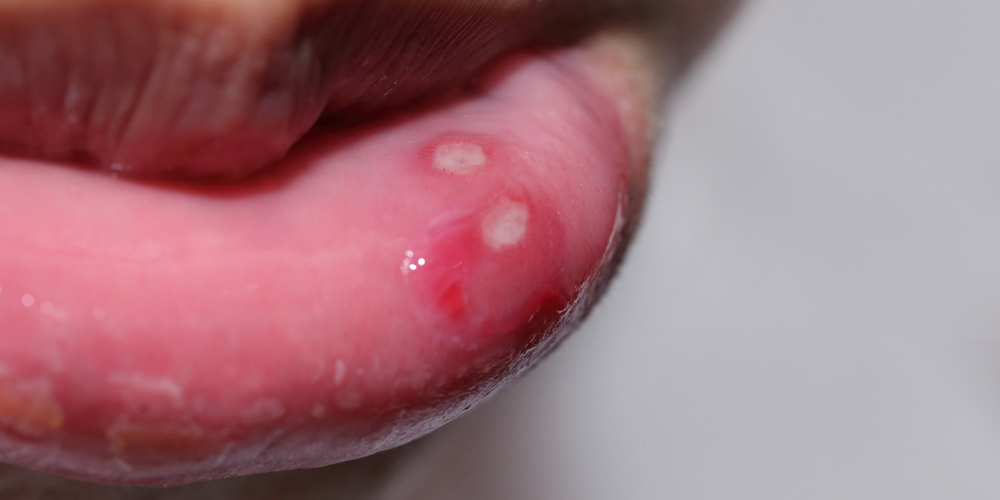
- Stage 2 (blistering, days 1 to 2): a cluster of three to six tiny clear fluid-filled vesicles forms at the spot the prodrome warned about. Individual blisters are 1 to 3 mm across; the cluster usually spans 5 to 15 mm and sits inside a thin halo of pink erythema.
- Stage 3 (weeping, days 3 to 4): the blisters break open. The skin underneath is raw and weeps fluid that contains active virus.
- Stage 4 (crusting, days 5 to 8): a honey-colored yellow or brown crust forms over the open sore. This stage is itchy and uncomfortable.
- Stage 5 (healing, days 9 to 12): the crust falls off, and the skin beneath usually returns to normal over a few more days.
Cold sores almost always recur in the same spot, or within a few millimeters of it, because the herpes virus lives in the local nerve ganglion and reactivates along the same nerve branch each time. Common triggers: sun exposure, illness, stress, hormonal changes, dental work, fatigue.
A first-ever HSV-1 infection (primary gingivostomatitis) can look very different from a recurrent cold sore: fever, swollen neck lymph nodes, and multiple painful ulcers spread across the lips, gums, and inside of the mouth, sometimes lasting 10 to 14 days. First episodes benefit from prompt oral antiviral treatment, so a first widespread mouth eruption in a child or adult is worth a clinic visit rather than waiting it out.
Cold sores are caused by herpes simplex virus. Most oral cold sores are HSV-1; a smaller share are HSV-2 (the type more commonly associated with genital herpes). The WHO estimates that 3.8 billion people under age 50 (about 64% of that age group) carry HSV-1 globally, with the great majority acquiring it in childhood through non-sexual contact such as a kiss from a relative or sharing utensils.
The virus periodically reactivates and sheds from the lip area without producing a visible blister. This asymptomatic shedding is one reason HSV-1 spreads so widely in childhood from non-sexual contact: a parent or relative kissing a child can transmit the virus without a sore being present. The same applies to oral sex with a partner who has HSV-1; transmission can happen between outbreaks, not only during one. Antiviral suppressive therapy lowers (but does not eliminate) shedding.
What a primary syphilis chancre actually looks like
A primary syphilis chancre is a single painless ulcer that appears at the spot where Treponema pallidum entered the body. The visual signature is distinctive enough that experienced clinicians will often suspect syphilis on appearance alone.
- Single, not clustered. Almost always one sore. Multiple chancres do occur but are the exception.
- Round or oval shape, with smooth, well-defined borders that feel firm and rolled when palpated. Clinicians sometimes describe the texture as button-like or indurated, like a tiny rolled rim of cardboard around a shallow well.
- Usually painless. This is the single most important distinguishing feature. A syphilis chancre that you press on does not hurt. A cold sore that you press on does.
- 5 to 15 mm across in most cases, occasionally larger.
- A clean ulcer base, sometimes with a small amount of clear or cloudy fluid that is highly infectious and full of T. pallidum.
- No clusters of small blisters preceding it, no prodrome, no five-stage cycle.
Common locations: penis, vulva, vagina (where it is often missed), cervix (almost always missed without examination), anus, rectum, and the lip or mouth following oral exposure. Chancres on the cervix or inside the rectum are commonly invisible without a pelvic or anal exam, which is one of the reasons primary syphilis often goes unnoticed.
The chancre typically appears about three weeks after infection per NHS guidance, with the wider clinical range running anywhere from 10 days to 3 months. The sore then persists for 3 to 6 weeks and heals on its own, after which the bacteria continue circulating and the infection moves silently into its secondary and latent stages if untreated.
Side-by-side: the differences that matter most
If you only remember three features, remember pain, number, and texture.
| Feature | Cold sore (oral herpes) | Syphilis chancre (primary stage) |
|---|---|---|
| Pain | Painful, often severe, with tingling prodrome | Painless |
| Number | Cluster of multiple small blisters | Single (usually) |
| Texture | Soft fluid-filled blisters that break open | Firm, indurated, rolled border |
| Stages | Prodrome, vesicle, ulcer, crust, heal | Single phase: ulcer that heals |
| Size | Cluster spans 5 to 15 mm; vesicles 1 to 3 mm each | 5 to 15 mm, occasionally larger |
| Duration | 7 to 12 days; recurs at same site | 3 to 6 weeks; one-time at infection site |
| Cause | HSV-1 (mostly) or HSV-2 | Bacterium Treponema pallidum |
| Most common location | Lips, perioral skin | Genitals, anus, mouth at exposure site |
| Recurrence | Yes, repeatedly at the same spot | No (later syphilis stages produce different lesions) |
| Healing means infection cleared? | Latent virus persists, can reactivate | No, untreated syphilis progresses through stages |
| Treatment | Antiviral medication (acyclovir, valacyclovir) | Antibiotics, usually penicillin |
How can I tell a cold sore from a syphilis chancre?
Cold sores are usually a cluster of small painful blisters that crust over within about a week, almost always on or around the lips, caused by herpes simplex virus. Syphilis chancres are usually a single painless firm ulcer with a smooth clean base, most often on the genitals or anus and sometimes on the lip, caused by the bacterium Treponema pallidum. Pain plus clustering plus recurrence at the same spot points to herpes. A solitary painless ulcer at a sexual contact site, appearing roughly three weeks after exposure and still unchanged at day 14, points to syphilis until proven otherwise.
Where they appear and why location matters
Location is one of the strongest clues, because each pathogen prefers specific tissue and arrives there through specific routes.
Cold sores are nearly always on or immediately around the lips: the vermillion border (the boundary between lip and skin), the corners of the mouth, sometimes the chin or just inside a nostril. Inside the mouth, herpes lesions tend to appear on attached keratinized tissue (hard palate, gums) rather than the loose mobile mucosa of the cheek or floor of the mouth. Cold sores on the genitals are uncommon but possible, especially with HSV-2 or HSV-1 transmitted through oral sex.
Syphilis chancres appear at the site where bacteria entered the body, which is wherever skin-to-skin contact happened with an infectious lesion. The most common locations:
- Genital: penis, vulva, vagina, cervix
- Anorectal: anus, rectum (after receptive anal sex)
- Oral: lip, tongue, tonsil (after oral sex with someone with infectious syphilis)
- Less common: nipple, finger, anywhere on the body that contacted an infectious lesion
A painless ulcer on the lip can be syphilis. A painful clustered eruption on the genitals can be herpes. The visual characteristics travel with the pathogen, not with the body part. This is also why a lip sore deserves real diagnostic attention if it does not fit your usual cold sore pattern, especially when it is painless, single, firm, and not a recurrence at the same spot you have had cold sores before.
A separate differential worth knowing about: aphthous ulcers, commonly called canker sores, appear on the loose mucosa inside the mouth (inner cheek, inner lip, floor of mouth, base of the gums). They are shallow, painful, surrounded by a thin red halo, and not caused by any infection. They are not STIs and not contagious, but they get confused with both cold sores and chancres because they are oral ulcers. Two features distinguish them: canker sores live inside the mouth on soft tissue (cold sores stay outside on the vermillion border; chancres are firm-bordered ulcers), and they heal in 7 to 14 days without medication.
Cold sore: on the outside of the lip at the vermillion border or perioral skin; clustered soft blisters; tender to touch; recurs in the same spot.
Syphilis chancre: at the exact site of sexual contact (genitals, anus, lip, tonsil); solitary firm-bordered ulcer; painless when pressed; first-time appearance, not a recurrence.
Canker sore: inside the mouth on soft mobile mucosa (inner cheek, inner lip, floor of mouth); shallow lesion with red halo; painful; not contagious and not an STI.
Timing and natural history
The two conditions follow very different timelines from exposure to symptom, and that timeline is itself a diagnostic clue. Track the sore in days, not hours, and write the timeline somewhere you can refer back to later.
Cold sores. After the initial herpes infection (often years or decades earlier, often acquired in childhood), the virus stays dormant in nerve cells. Reactivation triggers a new outbreak. The full visible cycle from prodrome to fully healed skin takes 7 to 12 days for recurrent outbreaks. NHS guidance notes cold sores typically heal within 10 days for an uncomplicated outbreak. Recurrences are unpredictable but tend to follow personal triggers like sun exposure, illness, stress, or menstruation, and the sore usually returns to roughly the same spot each time.
Syphilis chancre. After exposure to an infectious partner, T. pallidum incubates for several weeks before the chancre appears, with NHS guidance citing about three weeks as a typical interval (the wider clinical range spans roughly 10 days to 3 months). The chancre persists for 3 to 6 weeks and heals on its own. Within about 4 to 10 weeks of the chancre appearing, sometimes overlapping with it, untreated cases may progress to secondary syphilis, which presents very differently: a body-wide rash often involving the palms and soles, mucous patches in the mouth, swollen lymph nodes, patchy hair loss, and flu-like symptoms. The CDC's syphilis fact sheet covers the stage progression in detail. After secondary symptoms resolve, syphilis enters a latent stage that can last for years before progressing to tertiary disease, which can affect the heart, brain, eyes, and other organs.
Here is the diagnostic insight buried in those two timelines: a cold sore at day 14 should be long gone, while a chancre at day 14 may still look exactly the way it did on day 3. If a sore on your lip or genitals has gone past two weeks without crusting, scabbing, or shrinking, that is a timing clue strong enough to act on.
Untreated syphilis does not stop with the disappearance of the visible sore. The chancre heals on its own in 3 to 6 weeks, but the bacteria continue circulating, and the disease moves silently into its secondary and latent stages over the months and years that follow. The only way to confirm whether the infection is still present is a blood test that detects antibodies, performed once enough time has passed for them to develop.
Testing windows and what at-home tests measure
Different tests detect different things, and timing matters more than most people realize.
Lab swab and PCR
A clinician can swab an active lesion and send the sample for PCR (polymerase chain reaction). For both herpes and syphilis, this is the most direct way to confirm the cause of a specific sore, because it detects the pathogen itself in the lesion fluid. For syphilis specifically, clinicians can also perform darkfield microscopy on chancre exudate, which visualizes the spiral bacteria directly. PCR is most sensitive when an active sore has not fully crusted over; once the lesion is healing, the test loses sensitivity.
Blood antibody tests and window periods
Blood antibody tests, including the at-home rapid kits sold on this site. Antibody tests detect your immune system's response to past or current infection. These are systemic markers, not local ones, and that distinction has two important consequences:
- Antibody tests do not tell you whether the specific sore in front of you is from herpes or syphilis. They tell you whether you have been exposed to that pathogen at any point.
- Antibody tests need a window period to work. Antibodies rise gradually after infection, and testing too early can produce a false-negative result.
Window period for syphilis antibody tests. Most rapid antibody tests detect treponemal antibodies starting around 3 weeks after exposure, with reliable detection by about 6 weeks. A subset of people may take longer to seroconvert, which is why some assay labels recommend retesting at 12 weeks if an initial test is negative after a known exposure.
Window period for HSV antibody tests. Most antibody tests are reliable by about 12 weeks, with the typical detection window opening around 4 to 6 weeks. The CDC genital herpes resource describes how blood tests look for HSV-1 and HSV-2 antibodies as the standard non-lesion testing approach.
If HIV exposure is also a concern
Oral sex carries a lower per-act HIV risk than vaginal or anal exposure, but it is not zero, and a recent exposure that has you concerned about syphilis often raises the same partner-status question for HIV. Conditions that raise oral-sex HIV risk include open sores or active bleeding gums in either partner, a high viral load in the partner with HIV, and concurrent STIs that disrupt the mucosal barrier. If a high-risk exposure happened within the last 72 hours, post-exposure prophylaxis (PEP) is available through emergency rooms and many sexual-health clinics and can substantially reduce HIV acquisition risk when started promptly. CDC HIV testing guidance describes the standard windows for each test type; fourth-generation antigen-antibody assays generally reach reliable detection within several weeks of exposure, with most infections detectable by about 45 days.
Pairing tests by how long ago the exposure was
If your sore showed up after a sexual encounter, a single test rarely answers all the right questions. Syphilis, HSV, and HIV share oral-sex transmission routes, and the optimal screening choice depends on how much time has passed:
- 0 to 2 weeks post-exposure: Most rapid antibody tests are not yet reliable. If your sore is the active concern, a clinic-administered lesion swab is the right move. Watch for new rashes, fever, or swollen lymph nodes. This is also the PEP window for HIV concerns.
- 3 to 6 weeks post-exposure: A rapid syphilis blood test is becoming reliable. HSV antibody tests are useful at this window if you have never tested for HSV before. HIV fourth-generation antigen-antibody tests reach reliability from this window forward.
- 6 to 12 weeks post-exposure: Syphilis, HSV, and HIV all reach near-full reliability. This is the cleanest single window for a comprehensive screen.
- 3+ months post-exposure: Confidence intervals close to maximum across the standard rapid panel.
For an active sore today, arranging a clinic visit while the lesion is still open gives the clinician the best window for PCR sampling.
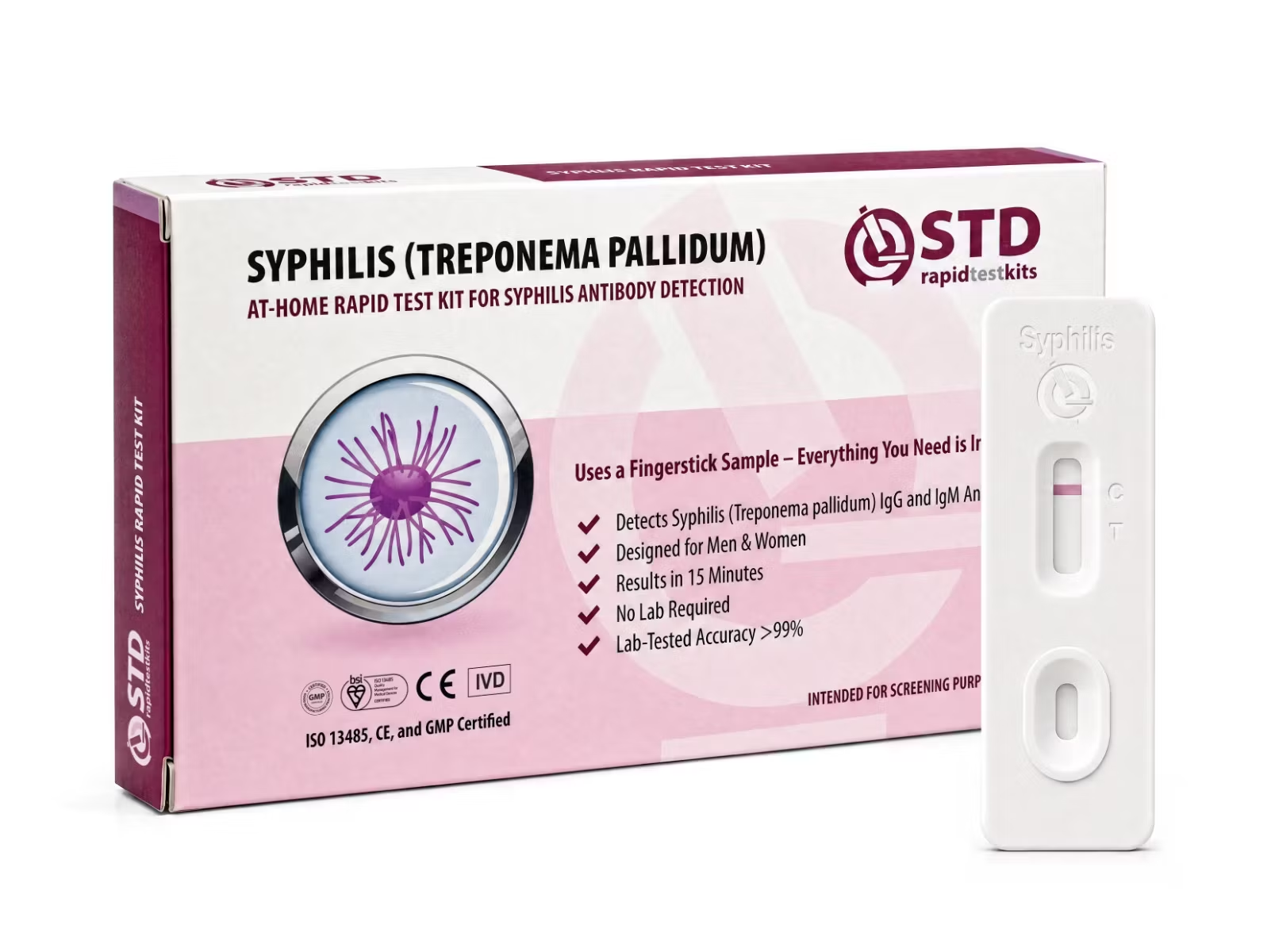
Our rapid herpes and syphilis tests are lateral-flow blood antibody assays, which use the same kind of immune-response markers used in laboratory antibody panels. They cannot identify the cause of a current visible lesion (PCR swab of the lesion is the test for that), but they can confirm whether your immune system has produced antibodies after a past exposure, once enough time has passed for seroconversion. Use them as a confirmation step a few weeks after a known or possible exposure, or as part of routine periodic screening. Lab NAAT, PCR, and darkfield methods remain the higher-sensitivity reference; the two approaches are complementary, not equivalent.
Note: this site sells the rapid at-home tests referenced below; the recommendations reflect what we stock and are not paid placements.
How treatment paths differ
Cold sores. Most outbreaks are managed with topical or oral antiviral medication, typically acyclovir, valacyclovir, or famciclovir. These do not cure herpes (the virus stays in nerve cells for life) but they shorten outbreaks, reduce severity, and lower the risk of transmitting to partners. Suppressive daily antiviral therapy is an option for people with frequent recurrences, often six or more outbreaks per year. Topical numbing or barrier products like docosanol cream and lip balm help with comfort but do not treat the underlying infection.
Syphilis. Antibiotics cure syphilis, but the regimen depends on the stage. Per the CDC STI treatment guidelines, primary, secondary, and early latent syphilis are typically treated with a single intramuscular dose of long-acting penicillin G (benzathine penicillin). Late latent or tertiary disease requires three weekly doses. Penicillin allergy requires either a different antibiotic regimen or desensitization. Untreated syphilis can cause irreversible damage to the brain, heart, eyes, and nervous system, and can also be transmitted to a fetus during pregnancy with serious consequences.
Treatment urgency differs sharply between the two conditions. A positive HSV-1 result does not change much medically for most people; the virus is far more of a social and cosmetic concern than a medical one. A positive syphilis result is a strong call to start treatment quickly, both to prevent progression and to interrupt onward transmission. A syphilis diagnosis also triggers partner notification, because the infection transmits readily during the primary and secondary stages and identifying and treating partners is part of how public-health authorities slow community spread. Herpes does not have a formal partner-notification protocol, but disclosing to current partners is still the right move, and antiviral suppression plus consistent condom use lowers transmission risk meaningfully.
The visible chancre healing on its own is not a cure. T. pallidum continues to replicate in the bloodstream and lymph nodes, and untreated syphilis progresses through secondary, latent, and tertiary stages. Antibiotic treatment is required at every stage to clear the infection and to interrupt transmission to sexual partners. Herpes antiviral therapy, by contrast, is symptomatic management and is genuinely optional for many people with mild outbreaks; the urgency calculus is completely different.
Five risk patterns that should push you to test
Not every lip or genital sore needs a syphilis test. But certain patterns stack the case for testing strongly enough that a clinic visit or at-home test is the right next move. The more of these patterns you can check off, the stronger the case.
Recent unprotected oral sex with a new or untraceable partner
Oral sex is one of the more underestimated routes of syphilis transmission. The bacterium can pass from a partner's genital chancre to the giving partner's mouth or lips, or from an oral chancre to a receiving partner's genitals. Many people who acquire syphilis this way recall the encounter as low risk because penetrative sex did not happen. CDC surveillance data has consistently shown a substantial proportion of new syphilis cases linked to oral exposure.
The sore looks different from any cold sore you have had before
If you have a long history of cold sores, you almost certainly know your pattern: same approximate location, same size, same week-long timeline. A sore that breaks the pattern (different spot, different shape, longer-lasting, painless, or solitary instead of clustered) is the kind of off-pattern signal worth investigating.
This is your first lip or genital sore ever
Most people who carry HSV-1 acquired it in childhood from non-sexual contact (kisses from family members, shared cups). A sore that appears for the first time in adulthood, especially after a recent sexual encounter, is statistically less likely to be a routine cold-sore reactivation. It could still be a first HSV-1 outbreak, but it is worth a closer look at the timeline and the pattern.
Lymph nodes nearby feel swollen, painless, and rubbery
Both HSV outbreaks and primary syphilis can cause swollen regional lymph nodes, but the syphilis variety tends to be larger, firmer, and persists longer. Painless, rubbery swelling on the same side of the body as the sore, lasting more than a week, is a classic primary syphilis pattern. HSV-related lymph node swelling tends to be tender and resolves quickly as the outbreak heals.
A recent partner has tested positive for any STI
If a recent partner has been diagnosed with syphilis, gonorrhea, chlamydia, or HIV, treat that as a strong push to test for syphilis even if your sore looks routine. Co-infections are common in newly diagnosed STI cases, which is why most clinic protocols now run a multi-infection panel rather than a single-target test.
- Recent unprotected oral sex with a new or untraceable partner
- The sore looks different from any cold sore you have had before
- This is your first lip or genital sore ever
- Lymph nodes nearby feel swollen, painless, and rubbery
- A recent partner has tested positive for any STI
Common misconceptions, sorted
A handful of rules-of-thumb circulate online about cold sores and syphilis. Some are useful, some are misleading. Worth flagging the most common ones.
"Cold sores are always painful, syphilis chancres are always painless"
Mostly true, but not absolute. Cold sores can occasionally be only mildly itchy, especially in mild recurrent outbreaks. Chancres are usually painless, but a small fraction (especially when located inside the mouth or on the tonsil) can feel slightly tender. Use pain as a strong signal, not a sole one.
"If it is on the lip, it must be herpes"
That assumption is incorrect. Lip-located primary syphilis chancres are uncommon but not rare; the CDC counts them among the standard non-genital primary sites. Anyone with oral exposure to a partner of unknown status should treat a persistent lip sore as worth investigating.
"Syphilis always comes with a rash"
The textbook palm-and-soles rash belongs to secondary syphilis, weeks to months after the primary chancre has healed. Primary syphilis can present as just a single oral or genital sore with no other symptoms. The rash is a later-stage signal, not an early one.
"I have had cold sores for years, this cannot be anything else"
Carrying HSV-1 confers no protection against syphilis, gonorrhea, or HIV; they arrive through separate transmission events and require separate testing. People with established HSV-1 still get acute syphilis, gonorrhea, and HIV at the same rates as everyone else. When the pattern breaks (different site, different shape, painless, or longer-lasting than usual), a clinic swab or at-home blood test gives a definitive answer.
"Kissing can transmit syphilis"
Possible but uncommon. Direct contact with an active oral chancre during kissing can transmit the bacterium. Casual social kissing carries a much lower risk than oral or penetrative sex, but the risk is not zero when an active sore is present on either partner.
Without treatment, syphilis can spread to the brain and nervous system, the eye, or the ear. Symptoms of late stage syphilis can occur years after the initial infection.
When to see a clinician right away instead of waiting
Most cold sore outbreaks heal on their own and do not need urgent care. The situations where a sore in front of you warrants a clinic visit rather than a wait-and-test approach:
- A single painless ulcer at a sexual contact site, especially if it feels firm to the touch.
- Any genital, anal, or oral sore that does not heal within 2 to 3 weeks.
- A first-ever genital sore, since first-episode genital herpes can be more severe and benefits from prompt antiviral treatment.
- Sores accompanied by fever, swollen lymph nodes, or a rash on the body, palms, or soles (possible secondary syphilis).
- Sores in someone with HIV, weakened immunity, or pregnancy.
- A sore that bleeds, spreads rapidly, or persists beyond 3 weeks with irregular indurated borders (a clinical evaluation can rule out oral cancer and other non-STI causes).
- Any sore where the diagnosis is genuinely unclear from the visual.
Clinicians can swab the lesion for PCR (the direct test for what is in the sore) and draw blood for antibody panels in the same visit. Both are inexpensive on most insurance plans, often free at sexual-health clinics, and definitive in a way visual inspection cannot be. The CDC's GetTested directory finds nearby clinics that test confidentially in the United States; UK readers can self-refer through NHS sexual health services.
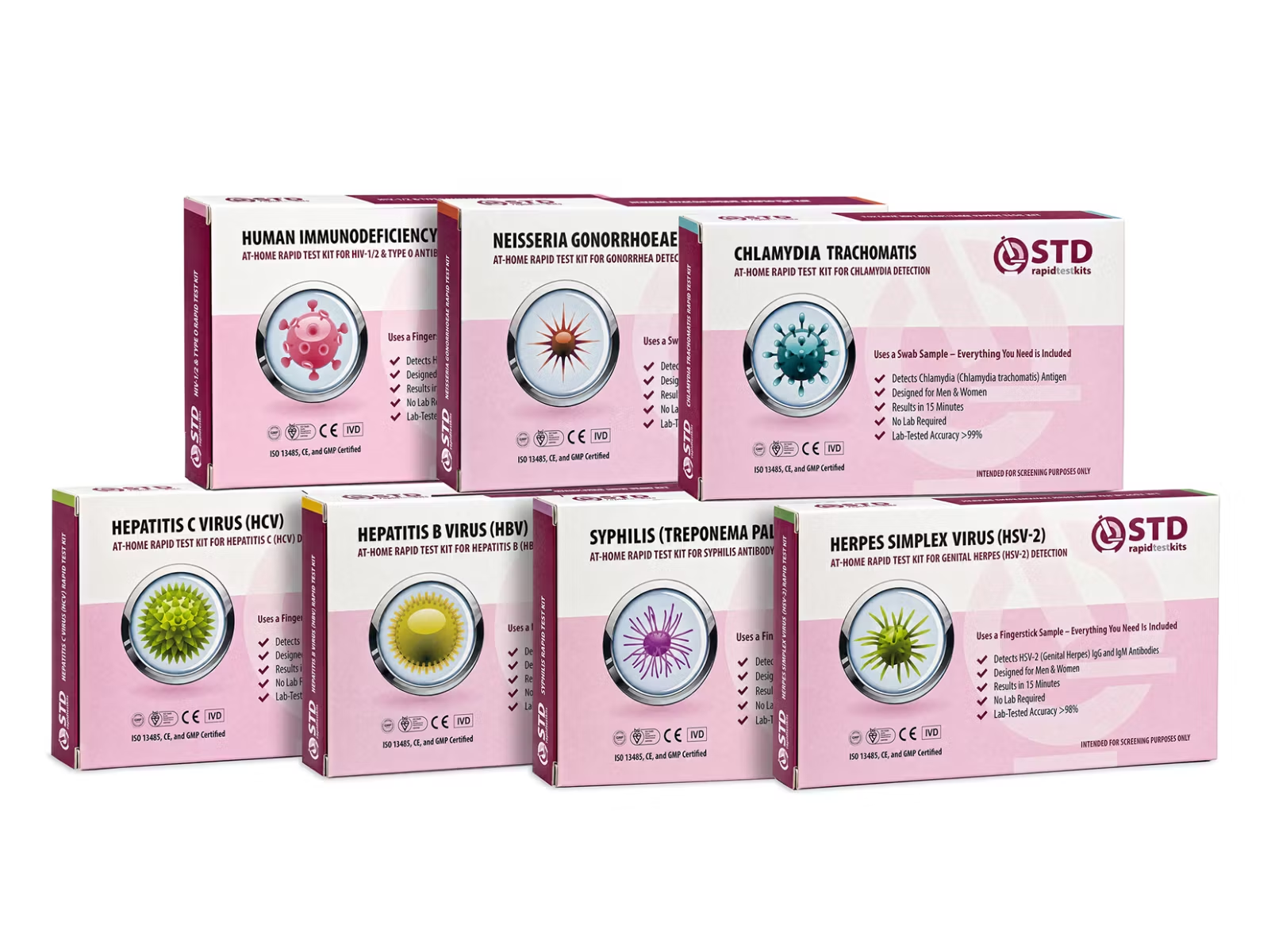
If your concern is broader than a single sore, especially after a known exposure where multiple infections are possible at once, a multi-test panel is usually a better starting point than testing for one infection at a time. CDC screening recommendations also include at least annual syphilis screening for sexually active gay and bisexual men and people with HIV, with pregnant individuals screened at the first prenatal visit and again later in pregnancy if at elevated risk.
Frequently asked questions
- Can a syphilis chancre look exactly like a cold sore?
- Early on, both can look like a small round red mark on the lip. They diverge by day 3 or 4: cold sores form blisters and crust over, while chancres ulcerate, stay smooth, and stop changing. The most common confusion happens when a cold sore presents as a single larger sore at an atypical site, or when a syphilis chancre appears on the lip after oral exposure. Any painless single sore that lasts more than 10 days deserves a clinical evaluation rather than a guess.
- How long should a cold sore last before I worry it might be syphilis?
- A typical recurrent cold sore should be visibly healing (crusted or shrinking) by day 7 and fully gone by day 12. A sore that is still firm and unchanged at day 14 deserves a syphilis test or a clinic swab, especially after a new oral-sex exposure.
- How long after exposure can I test for syphilis at home?
- Practical rule: if you have an active sore right now, skip the home blood test and arrange a clinic PCR or darkfield swab while the lesion is still open, which gives a direct lesion-level answer. If the sore has already healed or you are testing after a known exposure without a sore, 6 weeks is the reliable entry point for most people; some people need the full 12 weeks to seroconvert. A negative result before 6 weeks does not rule out infection.
- Can I catch syphilis from kissing?
- Direct contact with an active oral chancre during kissing can transmit syphilis, but this is uncommon compared with oral or penetrative sex. If a partner has a confirmed active oral chancre, avoid kissing until they have started treatment.
- Do at-home herpes and syphilis tests detect an active sore?
- No. The at-home blood test detects antibodies from past exposure, not the pathogen in a current lesion. For a sore you can see right now, the right test is a PCR swab at a clinic while the lesion is still open. That identifies the cause directly. The blood test answers a different question: whether you have been exposed at any point and your immune system has responded.
- If a syphilis chancre healed on its own, am I cured?
- No. Untreated syphilis progresses through stages even after the visible chancre disappears. The infection moves into secondary syphilis (often a body-wide rash), then a latent stage, and can eventually cause severe damage to the heart, brain, eyes, and nervous system. Antibiotics cure syphilis at every stage, but the treatment regimen depends on how long you have been infected. A single dose of long-acting penicillin treats early-stage syphilis; later stages need three weekly doses.
- Are oral herpes (HSV-1) and genital herpes (HSV-2) the same virus?
- They are closely related but distinct. HSV-1 most often causes oral cold sores, and HSV-2 most often causes genital herpes. Either type can infect either site, especially as oral sex transmits HSV-1 to the genital area and (less commonly) HSV-2 to the oral area. At-home rapid blood antibody tests are available for HSV-1 alone, HSV-2 alone, or as a combined panel covering both.
- Should I tell partners while I am waiting for test results?
- If you have a visible lesion that fits the chancre pattern, telling current partners is the right move regardless of test results yet, because syphilis is highly transmissible during the primary and secondary stages and partners benefit from earlier treatment. For herpes, the conversation can wait for a confirmed result, but if you have an active outbreak, avoid skin contact at the lesion site (kissing, oral sex) until it has fully healed.
- U.S. Centers for Disease Control and Prevention. About syphilis: primary chancre features, 3 to 6 week chancre duration, and stage progression from primary to secondary, latent, and tertiary disease.
- U.S. Centers for Disease Control and Prevention. STI treatment guidelines, including benzathine penicillin G regimens for primary, secondary, early latent, and late latent syphilis.
- U.S. Centers for Disease Control and Prevention. About genital herpes: HSV-1 and HSV-2 transmission, symptom patterns, antiviral treatment, asymptomatic shedding, and antibody-based blood testing.
- World Health Organization. Herpes simplex virus fact sheet, including global prevalence estimates of HSV-1 (about 3.8 billion people under age 50, or 64%) and HSV-2.
- UK National Health Service. Cold sores guidance covering the typical 10-day healing window, prodrome and crust stages, and antiviral treatment options.
- UK National Health Service. Syphilis guidance covering the approximate three-week incubation interval, primary chancre features, later stage progression, and UK clinic access.
- U.S. Centers for Disease Control and Prevention. HIV testing overview covering window periods for antibody, antigen-antibody, and nucleic acid tests, plus PEP guidance.
- U.S. Centers for Disease Control and Prevention. STI screening recommendations including annual syphilis screening for sexually active men who have sex with men and people with HIV, plus prenatal syphilis screening guidance.
