How STDs Reactivate: The Science of Dormancy and Symptoms
Since millions of people around the world are infected with sexually transmitted diseases, they become an important part of public health. Some STDs are latent, lying in the body for years before being discovered, while many STDs show their symptoms shortly after infection. The fact that dormancy can cause a dormant illness to suddenly revive under certain circumstances may make this phenomenon both fascinating and alarming.
This article will discuss the science that underpins the dormancy and reactivation of sexually transmitted diseases, such as symptoms of reactivated infections, and will also provide answers to frequently asked concerns regarding the dangers and prevention techniques. Understanding the lifespan of viruses like herpes, syphilis, and HIV is important in managing your health appropriately, whatever infection you may be dealing with.
30 November 2024
8 min read
1228
What is the Dormancy of STDs?
The time a sexually transmitted disease goes into quiet mode inside the body is what is referred to as a dormant period. During such periods, the pathogen-a virus, bacteria, or parasite-though present, does not result in symptoms or damage that can easily be identified. In many cases, the natural life cycle of the pathogen involves a resting period that allows the disease to evade the immune system and survive indefinitely.
Dormant sexually transmitted diseases share the following defining features:
The infection is present but inactive, and it is often not detectable by standard tests. This is known as latency.
Asymptomatic means there are no clinical symptoms, thus it can be hard to diagnose the illness.
The time for being latent can vary from months up to years.
The STDs that have been known to take a latent state most commonly include Herpes simplex virus (HSV), human papillomavirus (HPV), chlamydia, and HIV among many more.
What reactivates sexually transmitted diseases?
When latent infections are renewed, this is called reactivation. It is often due to a variety of changed conditions of the body or from outside influences. For example, the herpes virus can reactivate under periods of stress and sickness and cause recurring outbreaks.
Reactivation Triggers That Are Commonly Used:
Weakened immunological System: Diseases like the flu or common cold can weaken an individual's immunological defences.
Stress : Physical and mental stress has a potential to disturb the body balance and lead to reactivation.
In a few cases, re-activation may be provoked due to hormonal changes like menstrual periods or oestrogen replacement therapy.
Infections: Co-infections with other disorders may provide conditions that are conducive to reactivation.
Poor nutrition, lack of sleep, and abuse of drugs are some of the lifestyle factors that may increase the risk of reactivation.
Symptoms may recur as a result of reactivation and may be a minor discomfort or serious consequences depending on the STD.
Reactivation of Sexually Transmitted Diseases and Some Examples
Herpes Simplex Virus, also known as HSV:
After initial infection, the virus becomes latent: it resides in nerve cells.
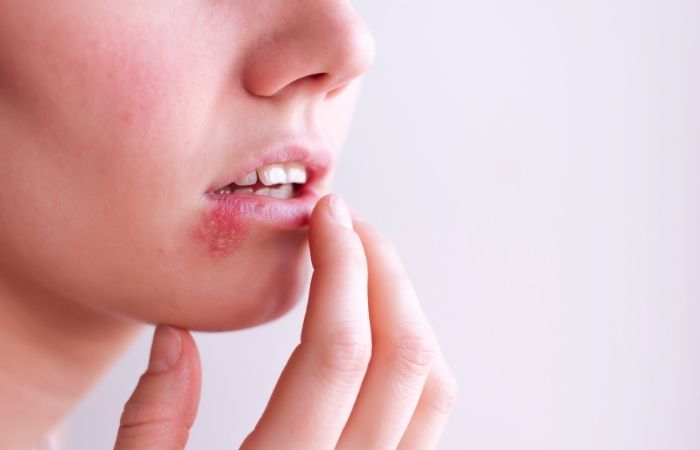
Reactivation: This is the process through which outbreaks of cold sore or vaginal lesions occur. These are often triggered by stress or illness.
Human Papillomavirus (HPV):
Latency: Even though most HPV infections clear on their own, some persist without symptoms.
Continued infection by human papilloma virus, for example, can be the causative agent for such conditions as warts and in extreme rare cases, can cause cancer of the cervix.
HIV:
Latency is also a restful stage experienced by HIV. This virus goes into host cell DNA in an inactive replication phase.
It is during this time, however, that reactivation may occur in case of compromised immunity or when the development of AIDS happens at a later stage of the disease.
Syphilis:
The latent period of syphilis does not show any symptoms while the disease is still within the body.
Tertiary syphilis reactivates after some years and causes severe organ damages.
How Does Latency Arise?
Some viruses have adopted dormancy as a survival strategy. This enables them to evade destruction by the host immune system and to maintain residence within the host.
Latency period:
Pathogens can hide themselves in every region of the body because they are in "safe zones" like nervous tissue or cells.
Immune Evasion: In order to shield themselves from detection by the immune system, dormant infections reduce their level of activity.
The Opportunity for Repopulation: It is common for reactivation to occur at the same time as conditions that are favorable to the propagation or replication of the pathogen.
By understanding these pathways, researchers can develop more targeted medicines and vaccinations to keep latent infections under control.
The symptoms for reactivated STDs differ depending on the infection involved and the individual's level of health. The following list outlines symptoms that are often associated with reactivation:
Herpes is characterized by symptoms such as inflammatory blisters or sores on the lips or genital area.
HPV is manifested through symptoms such as genital warts or, in more serious cases, precancerous lesions.
HIV is manifested through symptoms such as influenza-like symptoms or severe immune suppression.
Syphilis is manifested through symptoms such as nervous disorders, heart problems, or skin sores.
Most importantly, if you have been suffering from any of these aforementioned sexually transmitted diseases in the past, then getting timely medical help is of particular importance as soon as you experience some or any of the listed symptoms above.
Management of latent STDs requires a forward-thinking approach to stop reactivation. Several major methods include the following:
Frequent Examinations: It is possible to discover infections early on, even in asymptomatic phases, with the use of routine STD testing.
Improve Your Immune System: Keep a balanced diet, engage in regular physical activity, and learn to manage stress.
Security Procedures: During sexual activity, it is important to use protection and to limit your exposure to any dangerous illnesses.
Adhere to Treatment Plans: Abstain from the problems and reduce the chances of reactivation through adherence to the treatment plans that are prescribed.
Vaccination: Hepatitis and HPV infections can be prevented along with the resultant consequences that emanate from these illnesses, by the use of their vaccines.
This set of measures ensures that people have control in preventing the dire effects of dormant infections and long-term care.
Remarks Based on Statistics
Herpes Latency: Studies have shown that over half of all individuals infected with the herpes simplex virus experience at least one recurrence yearly.
Regarding the prevalence of HPV: About ten percent of all latent HPV infections reactivate, and this may possibly cause some problems.
The latent period of HIV: If left untreated, usually spans eight to ten years before it becomes active again.
Whereas reactivation is more frequent than dormancy: If left untreated, chlamydia may cause pelvic inflammatory disease and recurrence of the infection.
In view of the data above, it becomes evident that early treatment and regular follow-up are of paramount importance.
FAQ
1.- Can tests identify latent sexually transmitted infections?
Specific modern diagnostics, like PCR, allow for detecting latent pathogens, which may be hard to find in latent disease.
2.- What triggers the reactivation of sexually transmitted infections?
The reactivation is commonly triggered by factors such as stress, weakened immunity, or co-infections.
3.- Latent sexually transmitted infections—can they be transmitted?
While sexually transmitted infections that are latent are typically not infectious, the infection can be transmitted once reactivated.
4.- Can sexually transmitted infections lay dormant for many years?
Yes, some sexually transmitted infections, such as herpes and syphilis, can remain latent for several decades.
5.- Is it feasible to avoid the dormancy of sexually transmitted diseases?
Despite the fact that dormancy cannot be prevented in and of itself, early treatment can lessen the likelihood of problems.
6.- Is it possible for dormant sexually transmitted diseases to create long-term damage?
When left untreated, sexually transmitted diseases (STDs) that are dormant, such as syphilis and HPV, might result in severe consequences.
7.- How can I reduce the chance of reactivating my sexually transmitted infection?
It is very necessary to follow treatment regimens, be healthy and avoid stresses.
8.- Does sexually transmitted infections that re-activate occur in each and every individual?
Absolutely no, this all depends on a person's health as well as a kind of infection.
9.- Is vaccine prevents dormant sexually transmitted diseases?
Vaccines, such as those for HPV, defend against the original infection and the sequelae that are linked with it.
10.- What steps should I take if I have reason to believe that reactivation has occurred?
If you need testing or treatment that is appropriate, you should speak with a healthcare provider.
Don't Wait!
Understanding dormancy and reactivation of sexually transmitted diseases is important in sustaining sexual health. While the diseases may not be visible at an early stage, their outcomes might be very disastrous when they are not treated. Speaking to the proper treatment of latent STDs, proactive testing, healthy habits, and timely treatment hold the key.
Buy an at-home STD test kitand try to keep yourself educated about the requirements of your body. When detected and treated at an early stage, it can make all the difference.











 For Men & Women
 Results in Minutes
 No Lab Needed
 Private & Discreet