





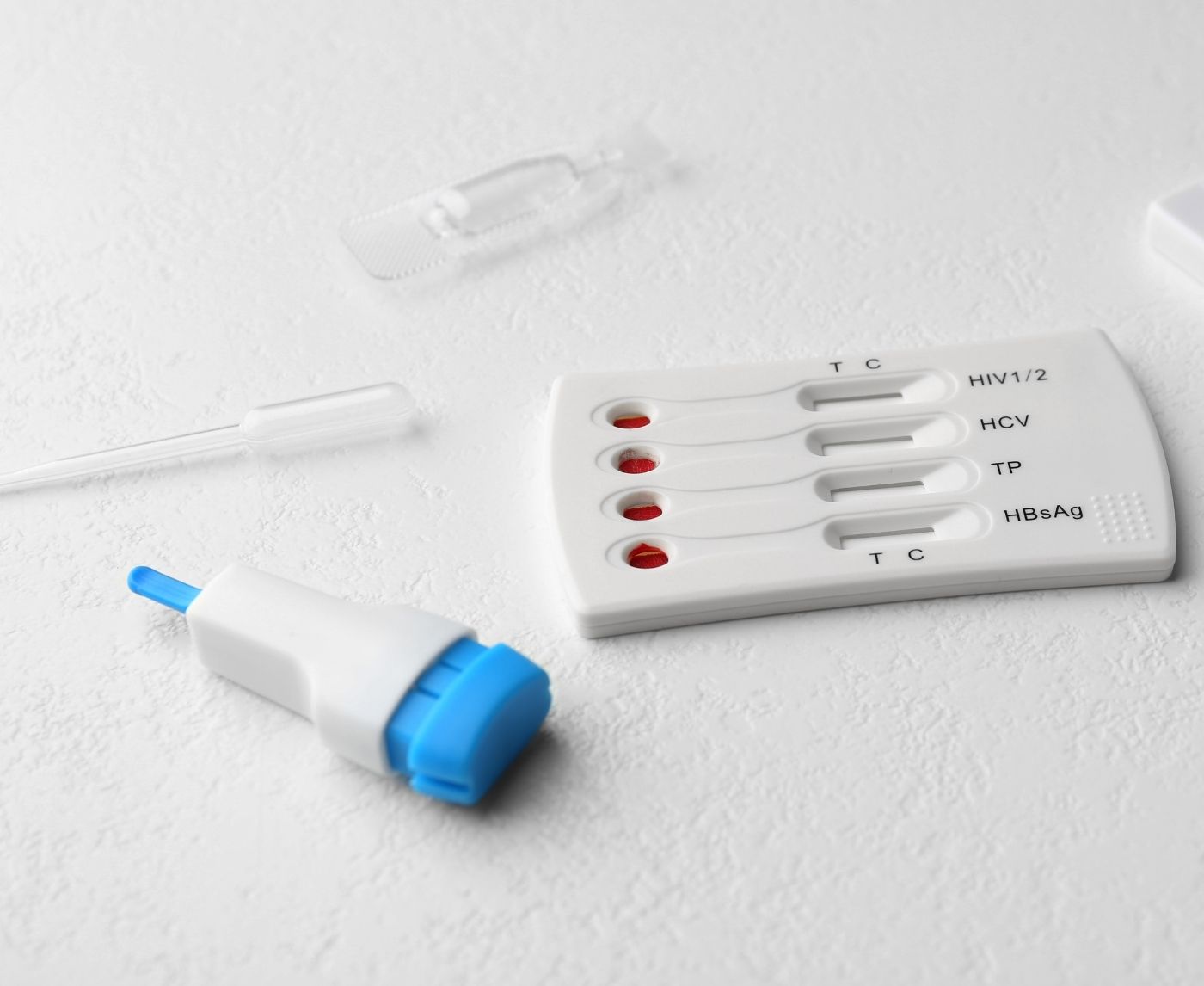

Private and Accurate: How At-Home Test Kits Are Changing Sexual Health
Sexually transmitted infections are a global health concern that affects millions of people annually. Despite increasing awareness, accessibility and stigma remain significant barriers to testing.
Most of the traditional methods of testing require people to go to clinics, which may discourage many people because of logistical issues, time constraints, or even shame. At-home STD testing kits are a revolutionary tool that allows people to monitor their health discreetly.
These testing kits serve as a convenience for most underprivileged or isolated areas where medical facilities are rare. Home tests break barriers and promote responsible sexual health as the tests contain step-by-step guidelines and the ability to mail samples directly to certified laboratories.
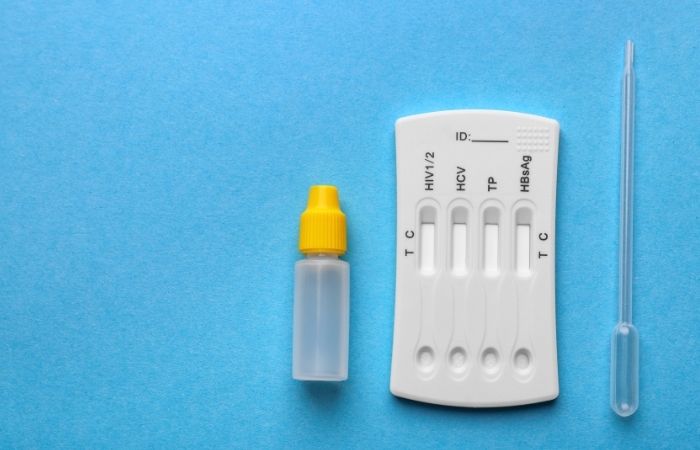
Key Benefits
At Home STD Testing has a number of advantages, including:
- Anonymity and Privacy: Complete privacy is guaranteed as testing at home eliminates the need for physical contact.
- Convenience: One does not have to take time off work or book appointments. The test can be done at home whenever convenient.
- Accessibility: Home testing enables access to medical care for people who are disadvantaged or live in rural areas.
- Speed: Most kits produce results rapidly, often within a few days, which allows for faster treatment, if required.
- Knowledge and Avoidance: Facilitating testing encourages routine screening, which is the cornerstone for STI prevention and early detection.
Order Now $129.00 $343.00 Check Your STD Status in Minutes
Test at Home with Remedium
7-in-1 STD Test Kit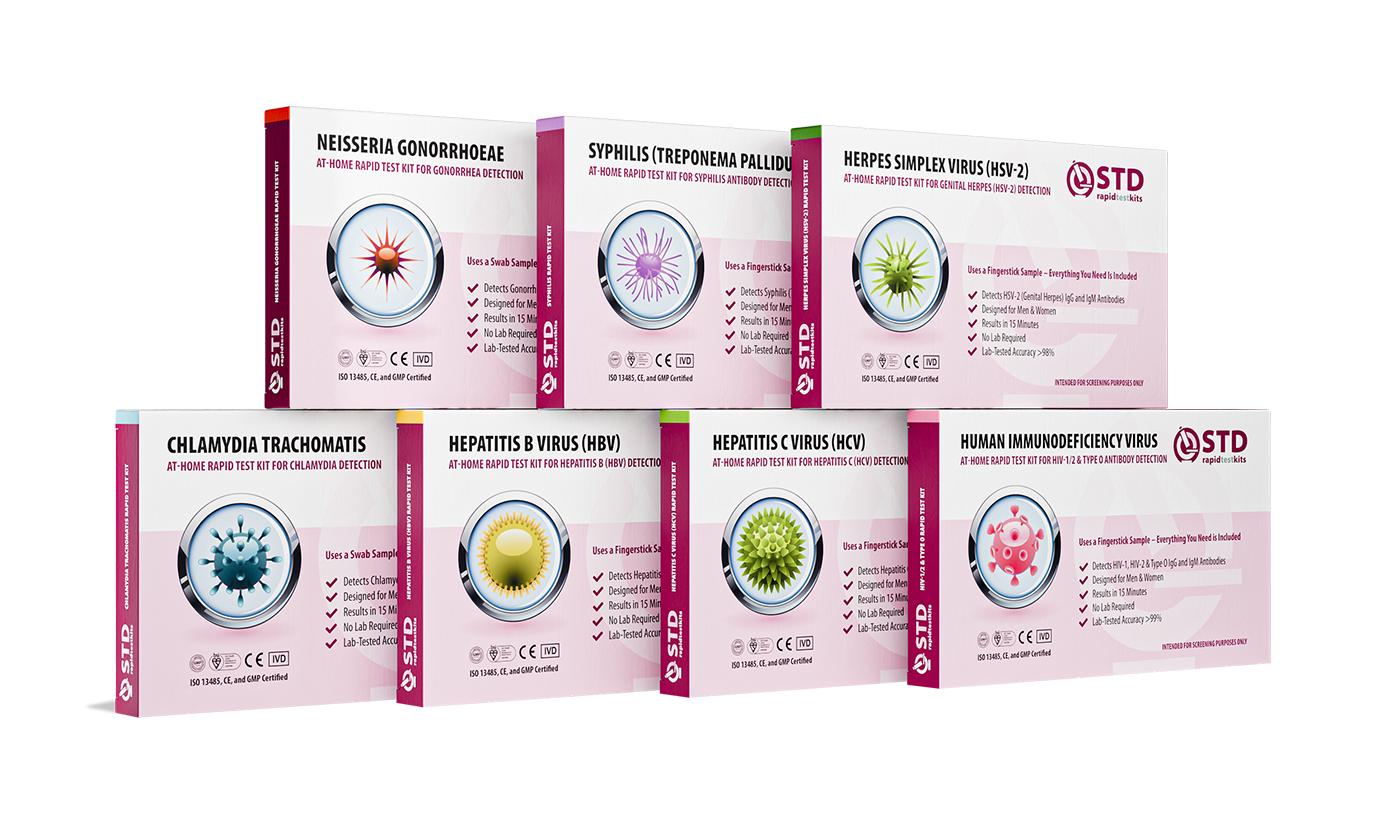 Claim Your Kit TodaySave 62%
 For Men & Women
 Results in Minutes
 No Lab Needed
 Private & Discreet
For all 7 tests
Risks or Challenges
Despite the benefits, at-home STD testing kits present the following disadvantages:
- Issues of Accuracy: Even as they are highly effective, at-home tests for some infections may not be as sensitive as testing done in a laboratory.
- User Error: Poor collection of samples is a common source of incorrect results, which further stresses the importance of adhering to instructions to the letter.
- Limited Scope: Some home testing kits may miss less common diseases as they test for only a few STIs.
- Cost: Although the costs are coming down, some kits remain inaccessible to people of modest means.

To address these challenges, consumers should:
- Choose Reliable Brands: Use kits from trusted manufacturers that have been cleared by the FDA or certified.
- Know Your Limitations: For total care in sexual health, professional consultations should be complemented with home testing.
- Follow the Instructions Carefully: Ensure accurate specimen collection by reading and following instructions.
- Increase Accessibility: Advocate for initiatives that make home testing more available and accessible to as many people as possible.
Data and Statistical Highlights
Studies in the recent past highlight the effects of home-testing kits for STDs:
- A study done in 2022 by [source] reported that STI diagnosis went up by 30% with the introduction of kits.
- Studies have shown that people test twice as often, when using home-based testing kits compared to testing in the clinic.
- By 2030, the market size of at-home test kits is expected to reach a value of $2 billion while growing at an annual growth rate of 8.6%.
These figures demonstrate how at-home testing can significantly reduce the spread of STIs.
Check Your STD Status in Minutes
Test at Home with Remedium6-in-1 STD Test Kit
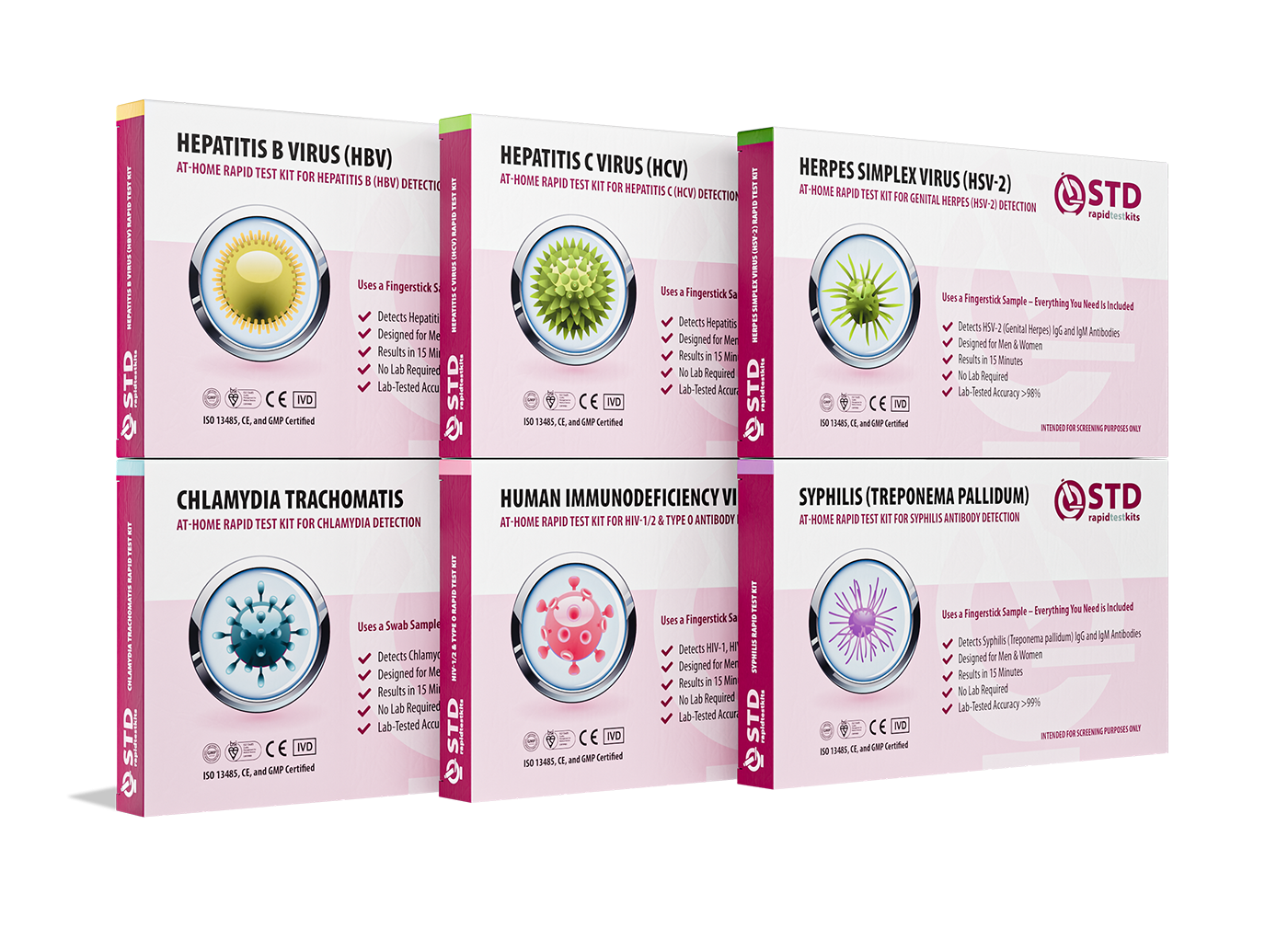
Claim Your Kit Today
Save 60%
For Men & WomenResults in MinutesNo Lab NeededPrivate & DiscreetOrder Now $119.00 $294.00
For all 6 tests
Case Studies and Expert Opinions
Doctors all agree that home testing represents a fundamental source of support in public health. “These kits not only protect one's privacy but also increase the likeliness of testing among those who otherwise would avoid it,” said Dr. Jenna Harper, a sexual health advocate.
Case studies provide further evidence of the effect. For example, in rural regions, where a community-based intervention allowed at-home test kits, testing increased by 40 percent in six months. Convenience and secrecy were cited by most responders as the driving force.
History
There has been a lot of development in the idea of STD testing throughout the years. Testing was out of reach in the early 1900s due to invasive and stigmatized processes.
Diagnostics in the comfort of one's own home were made feasible with the advent of at-home STD testing in the 1970s.
Modern at-home STD tests continue this tradition, using state-of-the-art molecular and immunoassay methods to ensure accuracy and reliability.
This development is indicative of a greater movement to enable people to take charge of their own health care.
Future Trends
Home testing for STDs has a great future because enhancements are likely to make kits even more accurate and easier to use. Among the new trends are:
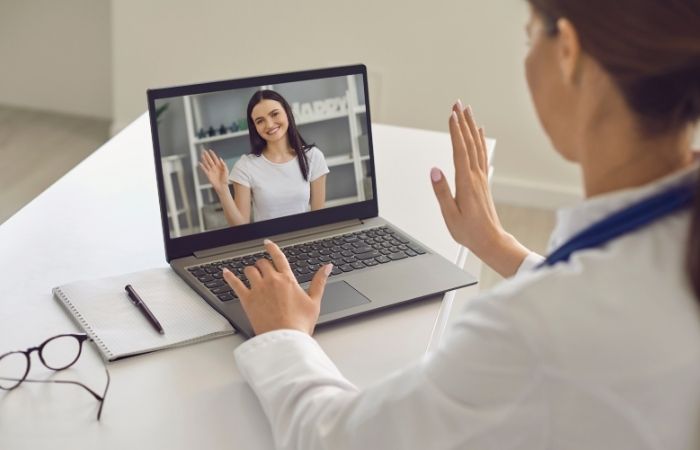
- Integration with Telemedicine: Soon, users will be able to consult with medical experts in real time while taking tests.
- Expanded Detection: To identify more types of STIs, even the less common diseases, expanded testing kits are in development.
- AI-Assisted Analysis: New technologies may enable users to better interpret findings.
At-home testing will continue to play a vital role in STI prevention as these emerging trends unfold.
Real-World Applications
Apply at-home STD testing in the following real-world ways in your life:
- Standard Health Check-Ups: Make regular testing a part of your standard health check routine.
- Testing After Exposure: If you suspect you may have been exposed to a sexually transmitted infection (STI), it is important to get screened right away using an at-home kit.
- Conversations About Relationships: Taking tests as a couple can strengthen your bond.
- Convenience on the Go: Tourists who might not have access to local medical services would benefit greatly from at-home kits.
Impact on Industry
Due to at-home STD testing, healthcare delivery is changing for all industries involved:
- Healthcare: Clinics are now using at-home testing as part of their operations to reach more patients.
- Technology: Companies are developing apps to streamline the testing and result-reporting procedure.
- Public Health: At-home kits are being used in STI prevention efforts by governments and non-governmental organizations.
Order Now $119.00 $294.00 Check Your STD Status in Minutes
Test at Home with Remedium
6-in-1 STD Test KitClaim Your Kit TodaySave 60%For Men & WomenResults in MinutesNo Lab NeededPrivate & DiscreetFor all 6 tests
Myths
At-home STD tests continue to be misunderstood despite their increasing popularity:
- "They're Not Reliable"
- Fact: Reliable results are guaranteed by modern kits that employ the same laboratory techniques as clinics.
- "They're Too Pricey."
- Fact: There are some very affordable options, though the costs vary, and some programs offer free kits.
- "They Can't Detect All STDs"
- Fact: Although this is true for some, most of the kits usually focus on the most common and serious diseases.
- "They Replace Doctor Care"
- Fact: Testing yourself at home should never replace professional healthcare.
- "They Are Difficult to Use."
- Fact: For convenience, most kits have been designed with easy-to-follow instructions.
FAQs
1.- Are at-home STD tests as accurate as tests conducted in labs?
Yes, most FDA-approved kits provide results that are as accurate as those provided by laboratory tests.
2.- How long will the results for at-home STD tests take?
Results usually take two to five days, depending on the test type and provider.
3.- Can all STIs be diagnosed using at-home kits?
Most of the kits focus on common diseases such as HIV, gonorrhea, and chlamydia. It is recommended to conduct other tests to be sure.
4.-Are testing kits for anybody?
Yes, but those symptomatic and persons who have been exposed to risk situations need to see a doctor.
5.- Will my specimen go to the laboratory?
Though a few testing kits give an instant result, the majority will require sending your sample to the laboratory.
6.- How discreet is the process?
Very discreet: results are securely delivered online, and kits are mailed in discreet packaging.
7.- Are these kits safe to use if I am pregnant?
Yes, but for further guidance, it is best to consult a healthcare professional.
8.- What if I test positive?
To speak with a healthcare professional for treatment and further testing, follow the instructions.
9.- Are at-home kits covered by insurance?
It's always best to check with your provider, but some insurance policies do cover them.
10.- Where can I buy reliable STD tests to take at home?
You can find reliable brands at pharmacies, online, and through medical professionals.

Take Charge of Your Health!
At-home testing for sexually transmitted infections has broken into a whole new sphere of sexual health, affording convenience, confidentiality, and reliability to people from all over the world. Such kits let people take responsibility for their health, eliminate barriers, and foster routine screening.
At-home testing will continue to grow more extensive and available as technology is developed. Check out the ease of at-home sexually transmitted disease testing now and take control of your sexual health.
Sources
1.- New STI Stats Reveal Move to Home Testing
2.- Revolutionizing STD Testing: Navigating Advancements
3.- PMC Article on Advances in STI Testing


