Published: July 2025 | Last updated: May 2026 | Editorial review and quality control: Martina N.
What do most people get wrong about herpes?
Almost everything the stigma teaches. Herpes is extremely common, usually causes no recognizable symptoms, and can spread with no visible sore through asymptomatic shedding. Standard STI panels skip it unless you ask. It is lifelong but very manageable, and a diagnosis does not end your dating life.
Herpes is one of the most common viral infections on the planet, and also one of the most misunderstood. The World Health Organization estimates that 3.8 billion people under 50 carry the oral form, and roughly 520 million people aged 15 to 49 carry the genital form. In the United States, the CDC estimated 572,000 new genital herpes infections in 2018 among people aged 14 to 49, and analyses of NHANES survey data put adult HSV-2 seroprevalence at roughly one in six. Yet the public conversation around herpes is dominated by shame, dated assumptions, and outright misinformation, much of which actively makes the situation worse.
What follows is a careful walk through the most persistent myths about HSV, what the research actually says, and where the real risks live alongside the real reassurances. The aim here is not to scare anyone or to sell certainty where none exists. It is to replace stigma with information you can use.
Key Takeaways
- Most people who carry herpes have no recognizable symptoms, which is a major reason the virus spreads so efficiently through populations.
- Asymptomatic viral shedding (passing HSV when no sores are present) drives a large share of new infections, so feeling fine is not a reliable safety signal.
Myth: Only “Promiscuous” People Get Herpes
This is the myth that fuels more shame than almost any other. The truth is that anyone with skin can get herpes. People who have had one lifetime partner get herpes. People who have never had penetrative sex get herpes. Many people pick up oral HSV-1 in childhood from a relative's kiss on the cheek, well before sex is part of their lives at all.
According to the World Health Organization, herpes is one of the most common infections humans carry, and analyses of national NHANES survey data published by the CDC put adult HSV-2 seroprevalence at roughly one in six among people aged 14 to 49. Those are not the numbers of a rare or exotic infection. They describe a near-universal human virus.
Couples in committed, even monogamous, relationships sometimes discover the virus years in, when an outbreak finally appears or when testing gets added during fertility planning, a pre-surgery workup, or a routine checkup. Neither person was hiding anything. Neither was unfaithful. They were simply living without information that was never offered to them. Blaming people for getting herpes does not protect anyone. It keeps people silent, keeps them away from testing, and keeps them from telling partners. The virus does not care about your sexual history, your relationship status, or your moral character. It is a biological agent that takes advantage of skin-to-skin contact, and most people who carry it have no idea.
Global HSV-1 (oral, under 50): ~3.8 billion people (WHO).
Global HSV-2 (genital, aged 15 to 49): ~520 million people (WHO).
U.S. new genital herpes infections (2018, ages 14 to 49): ~572,000 (CDC).
U.S. HSV-2 prevalence (adults 14 to 49): roughly 1 in 6 (CDC analyses of NHANES survey data).
For comparison, herpes is significantly more prevalent than most other STIs combined.
Myth: You Can Only Spread Herpes When You Have a Sore
This one is genuinely dangerous because it sounds so reasonable. Most people picture herpes as a visible cold sore on the lip or a cluster of bumps in the genital area, and assume that if no sore is present, no transmission can happen. Asymptomatic shedding flips that picture upside down.
The phenomenon at work here is called asymptomatic viral shedding. The virus periodically becomes active in the skin and mucous membranes without producing any visible sign at all. No sores, no tingling, no redness, no warning. People with genital HSV-2 regularly shed the virus on days when no symptoms are present, often without knowing it (American Sexual Health Association). HSV-1 sheds less frequently from genital sites than HSV-2 does, but it still occurs, and oral HSV-1 sheds in saliva even when no cold sore is visible.
Most new HSV-2 infections happen during these silent periods, transmitted by partners who genuinely did not know they were infectious. That is why “my partner does not have any sores” is not the same as “my partner is safe.” Routine STI panels do not include herpes by default, so a partner who says they have been tested “for everything” almost certainly has not been tested for HSV unless they specifically asked.
Asymptomatic shedding is not a rare technicality. It is the main pathway by which most new HSV infections happen in long-term partnerships, precisely because the partner with HSV believes they are safe to have sex on a day when they have no symptoms. Plan for risk reduction as if shedding could happen on any given day, not just on outbreak days. That mental model is what suppressive antivirals, consistent condom use, and disclosure conversations are built around.
Myth: Condoms Completely Prevent Herpes Transmission
Condoms are essential, and using them consistently reduces herpes risk meaningfully. They are not, however, a complete shield against HSV. Condoms cut transmission risk but leave skin outside the covered area exposed, and that exposed skin can still carry the virus. Herpes transmits through direct skin-to-skin contact, and the virus can shed from any area where it has set up shop: the base of the penis, the vulva, the perineum, the inner thighs, the scrotum, the anus, the buttocks.
The CDC STI treatment guidelines describe consistent and correct condom use as decreasing, though not eliminating, the risk for HSV-2 transmission. The same guidelines note that daily suppressive valacyclovir taken by the partner with HSV-2 decreases the rate of transmission to a susceptible partner in serodiscordant heterosexual couples. Layering both approaches together drops the risk substantially compared with using either one alone.
If you and a partner are managing HSV in a relationship, the most effective combination is consistent barrier use, antiviral suppression when appropriate, avoiding sex during prodromal symptoms or visible outbreaks, and open conversations about timing and triggers.
| Risk-reduction layer | Approximate effect | Notes |
|---|---|---|
| Consistent and correct condom use | Meaningfully decreases HSV-2 transmission risk; does not eliminate it | Skin outside the covered area can still carry virus; protects only the covered area. |
| Daily suppressive valacyclovir for the HSV partner | Substantially reduces transmission rate in serodiscordant couples | Most effective when paired with condoms; needs daily adherence. |
| Avoid sex during outbreaks or prodromal tingling | Substantial reduction during the highest-risk window | Visible sores and the day or two before represent peak infectivity. |
| All three combined | Cumulative; residual risk small per act | What most serodiscordant couples rely on long term. |
Myth: HSV-1 Is Just a Cold Sore, HSV-2 Is the Genital One
This neat division is one of the most common misconceptions in sexual health, and it has not held up for decades. Both HSV-1 and HSV-2 can infect either site. The difference is more about which type prefers which neighborhood, not strict geography.
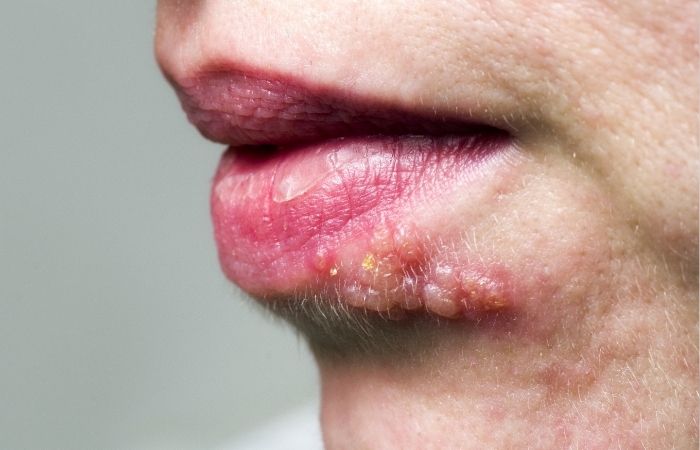
HSV-1 has historically been the oral type, causing cold sores, fever blisters, and the occasional outbreak around the mouth. But the share of new genital herpes diagnoses attributable to HSV-1 has been rising steadily, particularly among younger adults and in countries where childhood oral HSV-1 acquisition is becoming less common. The WHO estimates that roughly 376 million people aged 15 to 49 carry genital HSV-1 worldwide, a reminder that the oral-versus-genital split is far from clean. CDC data likewise note that a substantial share of new genital herpes cases in some populations are now driven by HSV-1, largely through oral sex. HSV-2 also occasionally turns up on the lips, though this is far less common.
There are meaningful clinical differences worth tracking. Knowing which type you have matters for prognosis and disclosure, even if both can show up in either place. Genital HSV-1 tends to recur far less often than genital HSV-2, often just one or two outbreaks ever, or none at all. HSV-2 prefers genital tissue and recurs more frequently there, especially in the first year after infection, and sheds asymptomatically more often. Oral HSV-2 is unusual and tends to be self-limiting.
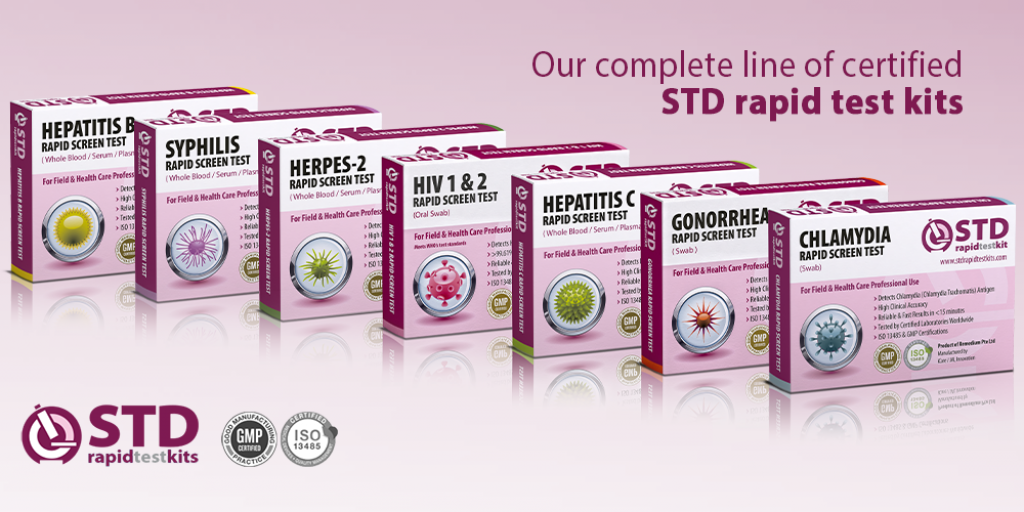
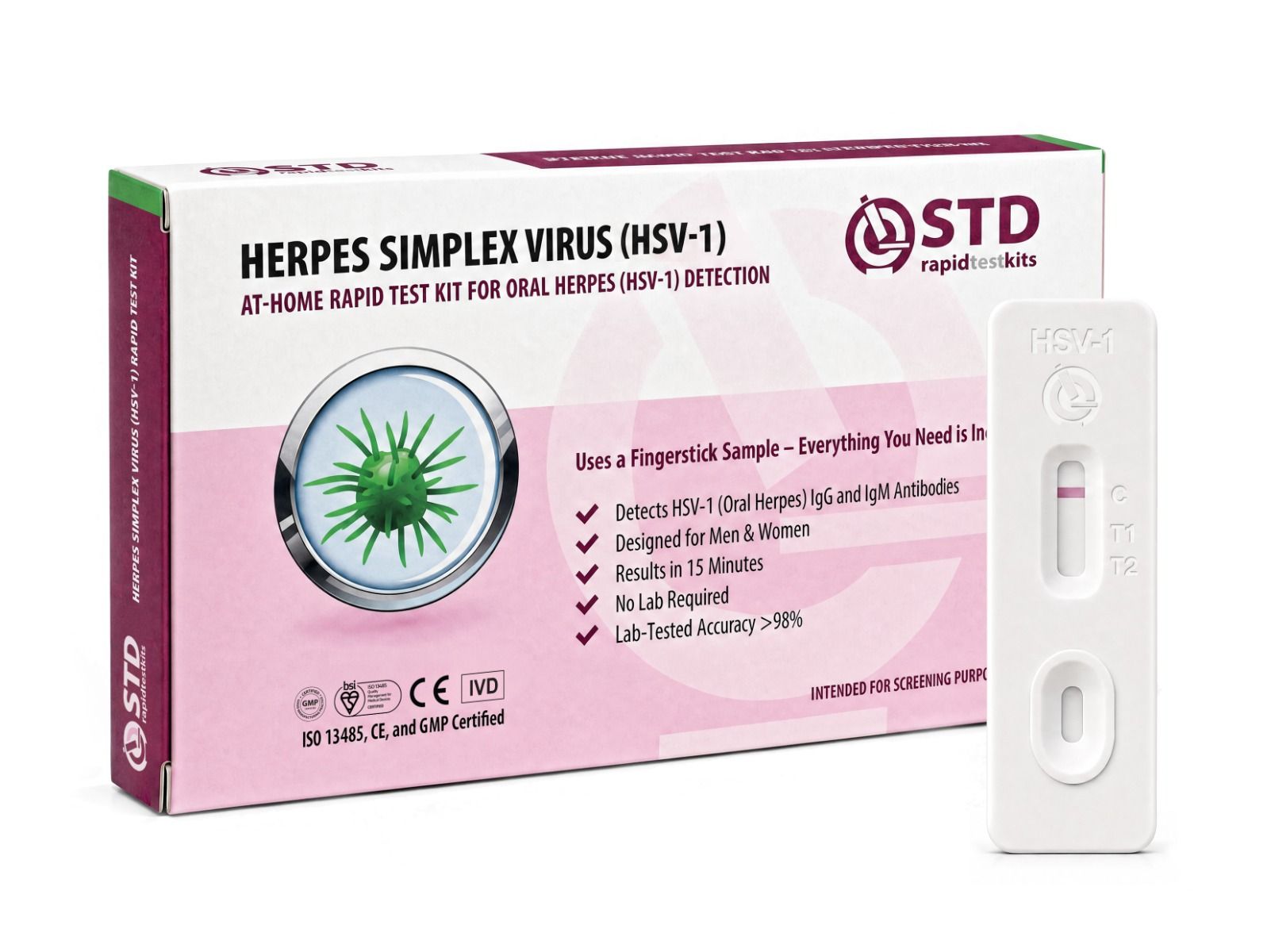
The HSV-1 kit on this site is a fingerstick blood antibody test. It looks for whether your immune system has produced IgG antibodies to HSV-1, which generally takes about 6 to 12 weeks after exposure to become reliably detectable. It is not a swab of an active sore, and it does not tell you which site (mouth or genitals) the infection lives at. It answers a single question: has your body seen HSV-1 at all? Disclosure: stdrapidtestkits.com sells at-home test kits, and we recommend tests based on what fits your concern, not commercial benefit.
Myth: You Would Know If You Had Herpes
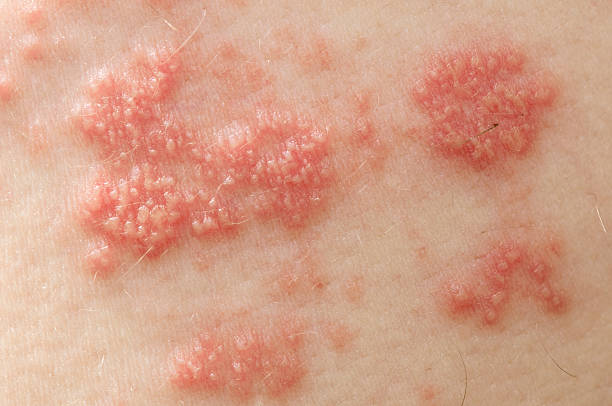
If herpes always announced itself with dramatic, painful sores, public health would have a much easier job. Instead, most people with herpes never have a textbook outbreak. Many have symptoms so mild they are easily mistaken for something else: a small itch, a tingle, a single bump, a patch of redness, a discomfort that comes and goes within a few days. The CDC notes that most people with genital herpes do not know they have it, because symptoms are either absent or mild enough to be mistaken for something else.
Look at the differential diagnoses people get instead of herpes. Yeast infection, recurrent UTI, ingrown hair, jock itch, eczema, a reaction to laundry detergent, a shaving nick that just will not heal, hemorrhoids, a pulled muscle in the groin. All of these can look or feel like very mild HSV, and many people go years bouncing between explanations for symptoms that were a quiet HSV recurrence. Symptoms can also appear internally, on the cervix or inside the urethra, and produce nothing more obvious than a brief, unexplained discomfort.
The first outbreak, if it happens, is usually the most pronounced. Some people get the classic cluster of small blisters that crust over, sometimes accompanied by fever, swollen lymph nodes, and a general flu-like feeling. But even initial infections can be mild enough to miss entirely. After that, recurrences when they happen tend to be shorter and less intense, often signaled only by a faint tingle in the same spot.
You cannot rule out herpes just because you have never had something that looked like a textbook herpes sore. Plenty of people who eventually test positive describe their pre-diagnosis health as completely uneventful.
Mild or atypical HSV recurrences commonly get attributed to something else before a diagnosis is finally made. Patterns that frequently get misread as another condition include:
- Yeast infection or bacterial vaginosis when the main complaint is irritation or itching.
- Recurrent UTI when burning on urination is the most noticeable symptom.
- Ingrown hair, folliculitis, or razor burn when a single small bump appears after shaving or waxing.
- Eczema, contact dermatitis, or a reaction to soap or detergent when the area is itchy and slightly red without a clear lesion.
- Jock itch or athletic chafing when discomfort is mostly along skin folds.
- Hemorrhoids or a small fissure when the area of concern is near the anus.
None of these explanations rules out HSV. If the same area keeps acting up in the same way, ask a clinician to consider herpes as part of the differential.
Myth: A Standard STI Panel Tested You for Herpes
Walking out of a clinic with a clean STI panel is reassuring, but most readers would be surprised to learn that herpes was almost certainly not on that panel unless they specifically asked. The U.S. Preventive Services Task Force and the CDC do not recommend routine HSV serologic screening for people without symptoms, primarily because the available antibody tests perform poorly in low-prevalence settings and produce a meaningful rate of false positives. The U.K. NHS takes a similar position, treating clinic testing as something to pursue when symptoms are present rather than as a default add-on.
If you do get tested, the most common test is an IgG antibody blood test. A type-specific IgG can distinguish between HSV-1 and HSV-2 exposure, which is useful, but it cannot tell you where in your body the virus lives, when you acquired it, or whether you are currently shedding. Index values matter too. Borderline results, often defined as values between roughly 1.1 and 3.5 on the common HerpeSelect ELISA, have a higher false-positive rate. Many labs simply report “positive” for anything above 1.1, which can be misleading.
If you have an active sore, a PCR swab performed at a clinic is far more accurate than a blood test. Western blot remains the most analytically reliable HSV test ever developed, but it is expensive and not widely available outside specialty labs.
Pregnancy is the situation that most often justifies a targeted herpes conversation with a clinician. Prenatal care typically includes a discussion of herpes status and outbreak history, because active genital lesions at the time of delivery raise the risk of neonatal herpes. According to the CDC, antiviral suppression in the third trimester reduces both recurrences at delivery and the risk of vertical transmission, and many providers offer it routinely for patients with a history of genital HSV.
Before assuming you have been screened, ask three questions: which HSV test did the lab use, what is my index value if it is an antibody test, and how should I interpret a borderline number? Most providers will not volunteer this information unprompted. “I would like to be screened for HSV-1 and HSV-2 antibodies” is the cleanest, most specific request to put on the table.
Below 0.90: Negative.
0.91 to 1.09: Equivocal. Retest in 4 to 6 weeks.
1.10 to 3.50: Low positive. Treated as suspect by most clinical guidance; many of these are false positives, especially for HSV-2. A confirmatory test (Western blot, or an alternate-platform IgG) is reasonable before accepting the diagnosis.
Above 3.50: Higher confidence positive, though still not a substitute for clinical context.
Which Herpes Test Answers Which Question?
Part of why testing feels confusing is that the phrase “herpes test” actually covers three different tools, and each one answers a different question. A swab confirms the virus inside an active sore. A blood antibody test tells you whether your immune system has ever met HSV. An at-home rapid test does that same screening privately, on your own timeline. Knowing which tool fits your situation saves a lot of second-guessing, so the table below lines them up side by side.
Herpes test types compared
| Feature | Clinic swab (PCR) | Blood antibody test (IgG) | At-home rapid test |
|---|---|---|---|
| What it detects | HSV-1 or HSV-2 viral DNA at the lesion itself | IgG antibodies showing past exposure to HSV-1 or HSV-2 | IgG antibodies, screening for HSV exposure |
| Best used | When you have a fresh, active sore | 12 or more weeks after a suspected exposure | 12 or more weeks after exposure, for private screening |
| Cannot tell you | Anything once the sore has healed | When or where you were infected | When or where you were infected |
| Main limitation | Only works during an active outbreak | False positives possible, especially low-positive HSV-1 | Lateral-flow screening result; confirm a positive with a lab |
Each herpes test answers a different question; none answers all of them.
Myth: Herpes Is Rare
Routine herpes testing is uncommon, most infections are asymptomatic, and seroprevalence surveys cannot capture everyone, so the published estimates are almost certainly conservative. The real number of people walking around with HSV is higher than any official tally. The figures in the box below put the scale in perspective, and they are striking once you sit with them.
What is actually rare is the public conversation. Because shame keeps so many people silent, herpes feels exotic and dangerous, even though the virus is anything but. If roughly half your adult acquaintances probably carry the oral form and one in six the genital form, the assumption that herpes happens only to other people is simply, numerically wrong.
Herpes by the numbers
- 3.8 billion: people under 50 worldwide living with HSV-1 (WHO).
- 520 million: people aged 15 to 49 worldwide living with HSV-2 (WHO).
- Roughly half: U.S. adults aged 14 to 49 with HSV-1 (CDC NHANES analyses).
- ~1 in 6: U.S. adults aged 14 to 49 with HSV-2 (CDC NHANES analyses).
- ~572,000: new U.S. genital herpes infections in 2018, ages 14 to 49 (CDC).
Myth: Oral Sex Is “Safe” From Herpes
This is one of the most persistent myths among teens and young adults, partly because many people still do not categorize oral sex as “real sex.” The biology does not care about that distinction. Oral sex is a well-documented route of HSV transmission in both directions. HSV-1, typically responsible for cold sores, transmits efficiently from mouth to genitals during oral sex. HSV-2 can travel the other direction too, from genitals to mouth, though oral HSV-2 establishes itself less readily.
The asymmetry matters. A partner with a history of cold sores has oral HSV-1, even if no cold sore is visible at the moment, and can shed the virus in saliva. When that partner performs oral sex on someone without HSV-1, genital HSV-1 transmission is possible. This is why the share of new genital herpes cases caused by HSV-1 has been rising in many populations over the last twenty years. It is not a moral judgment about anyone's behavior. It is a predictable consequence of fewer people picking up oral HSV-1 in early childhood and then later being exposed through sexual contact instead.
Practical protection during oral sex includes condoms for penile-receptive oral sex, dental dams for vulvar or anal receptive oral, and avoiding oral contact entirely when a cold sore or genital outbreak is active or about to surface. Cold-sore history is worth raising before the first time you have oral sex with a new partner, since many people with oral HSV-1 do not think of themselves as carrying a herpes infection at all.
One further note worth knowing: according to the WHO HSV fact sheet, HSV-2 infection increases the risk of acquiring HIV by approximately three-fold, and that elevated susceptibility does not depend on a visible sore. The mechanism is local. Even subclinical shedding disrupts the mucosal barrier and concentrates HIV-susceptible CD4+ T-cells at the contact site, which makes HIV transmission easier in either direction during exposure. Because that increased susceptibility applies during both symptomatic outbreaks and asymptomatic shedding windows, layering protection strategies (condoms, suppressive antivirals, avoiding sex during prodromal symptoms) is more useful than relying on any single tactic.
Use a condom when giving oral sex to a partner with a penis, and a dental dam when giving oral sex to a partner with a vulva or anus. Either barrier covers most of the contact area where HSV would otherwise transfer between mouth and genital tissue.
Skip oral contact entirely when an active cold sore is visible, when the prodromal tingle that often precedes a cold sore is starting, or when a partner has a genital outbreak in progress. These are the windows of peak infectivity.
Talk about cold-sore history before oral sex. Most people with oral HSV-1 do not consider themselves “infected with herpes,” which is part of why oral-to-genital transmission keeps happening. A two-sentence conversation lets you decide together how to handle it.
Myth: A Herpes Diagnosis Ends Your Dating Life
The fear that drives this myth is real, and the relief on the other side of it is also real. People with herpes date, partner up, have sex, marry, and raise children. The diagnosis adds a conversation to the front end of new relationships. It does not subtract a future.
Surveys of people living with HSV consistently report a recurring experience: disclosure feels terrifying, the actual conversations go better than expected most of the time, and rejection rates are lower than the imagined catastrophe. Many partners react with curiosity rather than horror, particularly when the diagnosis is presented matter-of-factly along with the actual transmission risk and the steps being taken to reduce it. Some people even describe the disclosure conversation as a useful filter, weeding out partners who would not have been kind in other ways either.
The mechanics of safer sex within a serodiscordant couple (one partner positive, one negative) are well-understood. Daily suppressive antiviral therapy can reduce the frequency of genital herpes recurrences by roughly 70 to 80 percent in patients with frequent outbreaks, and substantially lowers transmission risk to a partner, as described in the CDC STI treatment guidelines. Many patients stop having any recognizable outbreaks at all while on suppressive therapy. Consistent condom use during vaginal and anal sex adds more protection. Avoiding sex during prodromal symptoms or active outbreaks helps further. With those layers in place, many serodiscordant couples have decades of sexual relationships without transmission. Pregnancy and childbirth are also manageable: people with HSV give birth safely all the time, with antiviral medication in late pregnancy and an obstetric plan that handles the small chance of neonatal exposure.
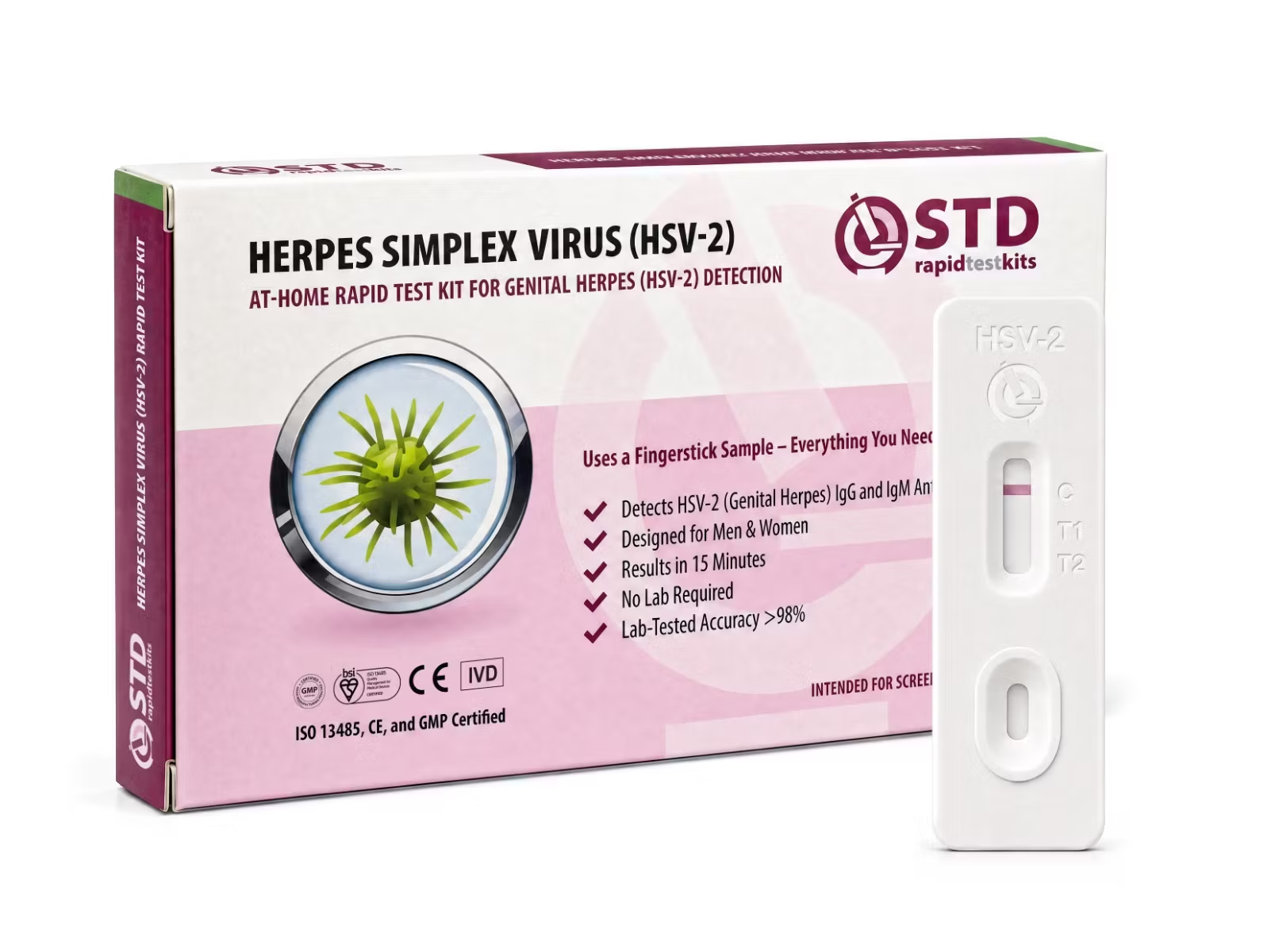
The HSV-2 home kit is also a fingerstick blood antibody test. Antibodies typically develop within 6 to 12 weeks after exposure, with the test most reliable from the 12-week mark onward. It does not diagnose an active sore (that is a clinic-administered swab PCR job) and it does not tell you when the exposure happened. It tells you whether your body has seen HSV-2 at all.
Myth: Herpes Can Be Cured
There is no cure for herpes as of the current state of medicine, and there is no late-stage therapy that anyone should expect to use in the near future. MedlinePlus, the NIH's consumer-health resource, states the position plainly: there is no cure, the virus stays in the body for life, and treatment focuses on reducing symptoms and lowering transmission risk. HSV establishes lifelong latency in the sensory nerve ganglia near the original infection site. The viral genome sits inside those neurons quietly, and periodically reactivates. Antiviral drugs work on the actively replicating virus, not the dormant viral DNA inside nerve cells.
What we do have is very good management. Valacyclovir, acyclovir, and famciclovir reduce the duration and severity of outbreaks and, taken daily, reduce both recurrence frequency and transmission risk. Suppressive valacyclovir has been shown to substantially reduce the rate of HSV-2 transmission in serodiscordant couples, and combined with condoms the residual risk becomes small.
There is genuine research into herpes vaccines, gene-editing approaches such as CRISPR-based clearance of latent virus, and small-molecule drugs aimed at the latency itself. Some of this work is promising. None of it is in routine clinical use, and credible timelines for any approved curative therapy are measured in years to decades, not months.

Most people with genital herpes have no symptoms or have very mild symptoms that go unnoticed or are mistaken for another skin condition. Because of this, most people who have genital herpes do not know it.
What This All Adds Up To
Every myth above rests on the same misframing: herpes is a common viral skin condition that the public conversation treats as a moral failing. Once you replace that framing with actual epidemiology, almost everything about the diagnosis becomes more manageable. The virus is widespread, frequently silent, sometimes inconvenient, and very rarely medically dangerous in healthy adults.
For anyone without herpes, or anyone who has never been tested, the equivalent worklist is to ask explicitly for HSV serologic testing when getting screened if you want to know, understand what an antibody result can and cannot tell you, and have candid conversations with new partners before sex about testing history. The single most useful thing anyone can do for the herpes-positive people in their life is to stop treating herpes as exotic.
Next Steps If You Carry HSV
Do you know which type of HSV you carry, HSV-1 or HSV-2?
Yes: Use that information to set realistic expectations for recurrence frequency and to frame disclosure conversations.
No: Ask a clinician for type-specific IgG testing, or use an at-home antibody kit. Type matters for prognosis.
Are outbreaks frequent, severe, or is your current partner HSV-negative?
Yes: Talk with a clinician about daily suppressive valacyclovir. CDC guidance describes a 70 to 80 percent reduction in recurrence frequency in patients with frequent outbreaks, and substantially lower transmission risk to a seronegative partner.
No: Episodic antiviral courses taken at the start of a flare may be enough; you do not have to take antivirals daily forever.
Are you using barrier protection during vaginal and anal sex, avoiding sex during outbreaks or prodromal tingling, and disclosing to partners before sex?
Yes: You are following the layered risk-reduction approach the CDC describes. Find a clinician who approaches HSV without stigma so future questions land in a useful conversation.
No: Add the missing layer first. Condoms, outbreak avoidance, and honest disclosure each reduce risk independently; together they make HSV a near non-event in day-to-day life.
Practical guidance for managing HSV and reducing transmission risk; a clinician can advise on your specific situation.
FAQs
- Can I really have herpes and not know it?
- Yes, and it is the most common situation. Most people who carry HSV-2 have no recognized symptoms, and mild signs are often mistaken for a yeast infection, a razor cut, an ingrown hair, or friction irritation. Without a deliberate antibody test, or a swab during an active outbreak, the infection can stay invisible for years.
- How long after exposure does a herpes blood test become accurate?
- The 12-week mark is the reliable floor. Most people develop detectable IgG antibodies between 6 and 12 weeks after exposure, but a small fraction take longer, so a negative result before 12 weeks should be re-confirmed if the exposure was real. Testing before about 6 weeks is generally not useful, because your immune system has not had time to produce enough antibody to detect reliably.
- Is asymptomatic shedding really that frequent?
- Yes. People with genital HSV-2 regularly shed the virus on days when no symptoms are present, often without realizing it. HSV-1 sheds less frequently from genital sites, but oral HSV-1 sheds from the mouth in saliva even when no cold sore is visible.
- If I always use condoms, do I still need to disclose herpes?
- Yes. Condoms reduce transmission but do not eliminate it, because skin contact outside the covered area can still pass the virus. Disclosure is a consent issue independent of how much risk reduction your safer-sex practices provide.
- Can I have sex with a partner who has herpes without catching it?
- Yes. Many serodiscordant couples maintain sexual relationships for years without transmission. The combination that works best is daily suppressive antiviral therapy for the partner with HSV, consistent condom use, and avoiding sex during outbreaks or prodromal symptoms.
- Does stress play a role in herpes outbreaks?
- For many people, yes. Physical and emotional stress, illness, poor sleep, hormonal changes around menstruation, sun exposure for oral HSV-1, and immunosuppressive medications can all lower the threshold for the virus to reactivate.
- Will I need to take antivirals forever?
- Not necessarily. Some people with infrequent outbreaks only take episodic antiviral courses when they feel a recurrence starting. Daily suppressive therapy is generally reserved for people with frequent outbreaks, severe symptoms, or partners who are HSV-negative. According to CDC guidance, suppressive therapy can reduce recurrence frequency by roughly 70 to 80 percent in patients with frequent outbreaks.
- Can I have a baby if I have genital herpes?
- Yes. Many people with genital herpes have safe pregnancies and births. Most obstetric guidelines recommend antiviral medication during the third trimester to reduce shedding around delivery, with cesarean delivery generally reserved for cases where an active lesion is present at the time of labor.
- U.S. Centers for Disease Control and Prevention. Genital herpes about page, including the 2018 estimate of 572,000 new genital herpes infections among Americans aged 14 to 49 and the note that most carriers are unaware.
- U.S. Centers for Disease Control and Prevention. Genital herpes overview hub, including transmission, asymptomatic shedding, and clinical management context.
- World Health Organization. Herpes simplex virus fact sheet, including HSV-1 (3.8 billion under 50) and HSV-2 (520 million aged 15 to 49) prevalence, the ~376 million genital HSV-1 figure, and the statement that HSV-2 increases the risk of acquiring HIV by approximately three-fold.
- U.S. Centers for Disease Control and Prevention. STI treatment guidelines for genital herpes, including condom-effect language, suppressive-antiviral guidance for serodiscordant couples, and the 70 to 80 percent recurrence-reduction figure for suppressive therapy.
- U.K. National Health Service. Genital herpes overview, symptoms, transmission, and treatment guidance for general audiences.
- MedlinePlus (U.S. National Library of Medicine, NIH). Genital herpes overview, including that there is no cure, the virus is lifelong, and antiviral treatment reduces symptoms and transmission risk.
- American Sexual Health Association. Herpes overview, including discussion of asymptomatic viral shedding, disclosure, and partner risk reduction.
