






Herpes With No Symptoms: What You Need to Know About Asymptomatic Infection
Quick Answer: Genital herpes is a common viral infection caused by HSV-1 or HSV-2, and most people who have it don’t know. Symptoms vary or never show up, and while there’s no cure, it's manageable with antiviral medication and safer sex practices.
What Is Herpes, Really?
Herpes isn’t dirty, and it’s definitely not rare. If anything, it’s almost boring in its commonness. Caused by two types of the herpes simplex virus, HSV-1 and HSV-2, herpes lives in your nerves, travels to your skin, and occasionally flares up with outbreaks.
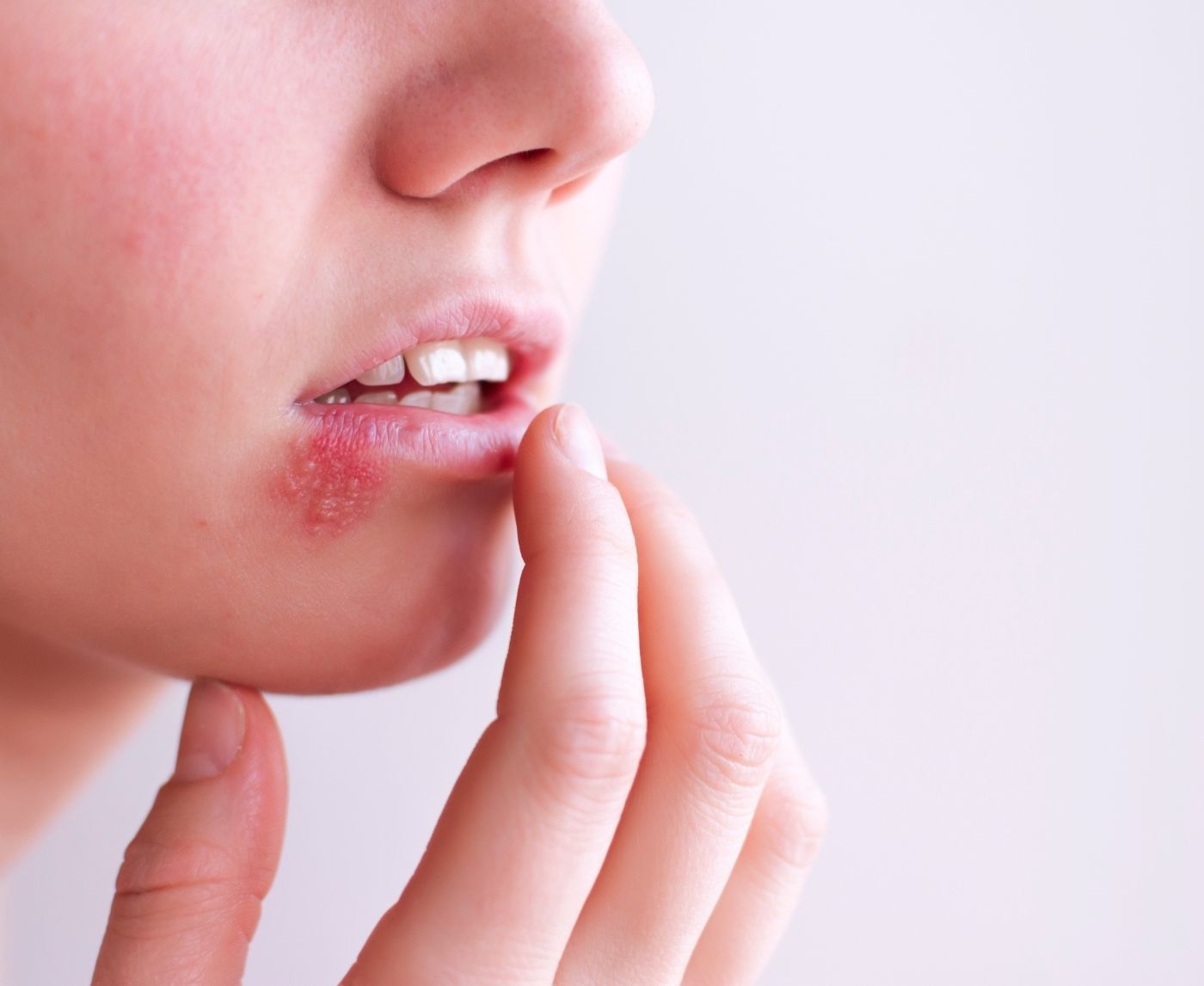
- HSV-1 usually affects the mouth and lips (cold sores), but it can also cause genital herpes.
- HSV-2 is more traditionally associated with the genitals.
Here’s the plot twist: either type can show up anywhere you’ve had skin-to-skin contact during sex, oral, vaginal, anal, you name it. Roughly 1 in 6 people aged 14 to 49 in the U.S. has genital herpes, according to the CDC. But most don’t know they’re infected because they’ve never had symptoms, or they’ve mistaken a mild outbreak for something else, a pimple, an ingrown hair, a yeast infection. And unlike what you saw in that one high school slideshow, herpes doesn’t usually look like an open, monstrous sore. Most of the time, it’s invisible. Silent. Unassuming. Which is part of what makes it so easy to spread.
People are also looking for: Is That a Pimple or an STD?
Why “The Talk” About Herpes Feels Like a Bombshell
Here’s the emotional reality: Herpes carries a stigma that far outweighs its actual medical danger. People don’t just fear the virus, they fear what it means. Dirty. Promiscuous. Forever single. That’s what the diagnosis can feel like, even though none of those things are true. In the words of Ava, 27, who found out she had HSV-2 after a routine check:
"I thought I’d been careful. When the doctor told me, I couldn’t even process the words. All I saw was this flashing neon sign in my head: 'No one will ever love you again.'"
Herpes can hit people in their most vulnerable spaces, their sex life, their relationships, their self-worth. It’s not just a virus. It’s a mental health landmine. That’s why education matters. That’s why reframing the conversation is urgent.
Symptoms That Don’t Play by the Rules
Some people never get symptoms. Others get one mild outbreak, then never again. And then there are those who battle recurrent episodes, tingling, itching, small blisters or sores around the genitals, mouth, or rectum. Typical first outbreak signs can include:
- Flu-like symptoms: Fever, body aches, swollen lymph nodes
- Painful urination: Especially for people with vulvas
- Tingling or burning: Before blisters appear
- Clusters of sores: These can look like razor burn, cuts, or pimples
The problem? Herpes doesn’t have a “look.” In fact, it mimics dozens of other conditions. That’s why you can’t diagnose it just by looking, and why testing is the only way to know for sure.
How Herpes Testing Works (and Why Most People Don’t Get It)
This is the part that surprises most people: Routine STD panels don’t include herpes testing. Why? Because the blood tests can pick up old, harmless infections and cause more anxiety than clarity. The CDC doesn’t recommend herpes blood tests for asymptomatic individuals unless:
- You’ve had a partner test positive for herpes
- You have symptoms and want a diagnosis
- You're starting a new relationship and want clarity
The best time to test is during an active outbreak (via swab test) or after suspected exposure. Want to know your status discreetly? Try a lab-grade, Herpes Home Test Kit from STD Rapid Test Kits, shipped privately, no awkward doctor visits.
Check Your STD Status in Minutes
Test at Home with RemediumOral Herpes Test Kit

Claim Your Kit Today
Save 31%
 For Men & Women
 Results in Minutes
 No Lab Needed
 Private & Discreet
Order Now $33.99 $49.00
Can You Get Herpes Without Having Sex?
Yes. Herpes doesn’t care if you’re technically a virgin. It spreads through skin-to-skin contact, not fluids. You can get it from:
- Oral sex (hello, cold sores = HSV-1)
- Kissing, if there's an active sore
- Genital rubbing (even without penetration)
- Shared sex toys without cleaning
You can even contract genital herpes from someone who never shows symptoms, that’s called asymptomatic viral shedding, and it’s sneakier than most people realize. Still, that doesn’t mean it’s hopeless. It just means knowledge is your best defense, and consent should include conversations about more than just condoms and birth control.
Suppressive Therapy: What It Is and Why It Helps
There’s no cure for herpes, yet, but managing it doesn’t have to be a nightmare. Suppressive antiviral therapy is a game-changer for people with frequent outbreaks or those in relationships with HSV-negative partners. The two most common medications prescribed are:
- Valacyclovir (Valtrex)
- Acyclovir
Daily suppressive treatment can:
- Lower the number and severity of outbreaks
- Reduce the chance of transmission to partners by up to 50%
- Help reduce the stress of “the next one coming”
For those with only occasional symptoms, episodic treatment, taking meds only during outbreaks, might be enough. But for many, especially those navigating dating or disclosure, daily therapy provides peace of mind, and protection.
People are also looking for: Can you get accurate results from an at-home STD test?
Why Herpes Is an Emotional Diagnosis
This virus doesn’t just live in your body, it moves into your mind. Shame. Isolation. Fear of being "damaged goods." These are real symptoms, too. According to a study published in Sexually Transmitted Infections, people diagnosed with herpes often report higher emotional distress than those with other STDs, not because of pain or severity, but because of silence and stigma. Jason, 33, recalls:
"I told one partner and they ghosted me. I told another and they thanked me for being honest, they had it too. It made me realize, I’m not a freak. I’m just human."
Herpes doesn’t end your sex life. It just changes how you talk about it. And if you’re scared to have that conversation, know this: most people appreciate honesty more than perfection.
Dating with Herpes: Yes, You Still Can
Disclosure might feel like a horror movie scene in your head. But in real life? It’s usually far less dramatic. When done with confidence and care, the conversation becomes a filter, not a death sentence. Tips for herpes disclosure:
- Pick the right time: Before intimacy, not during it. Choose privacy.
- Keep it simple: “I want to share something about my health that’s important to me and anyone I’m with sexually.”
- Provide context: Explain what type you have, how often you get outbreaks, and how it’s managed.
- Normalize it: You’re not asking for pity, you’re inviting trust.
According to the American Sexual Health Association, most people who date someone with herpes never contract it, especially with condoms and medication in the mix.
Check Your STD Status in Minutes
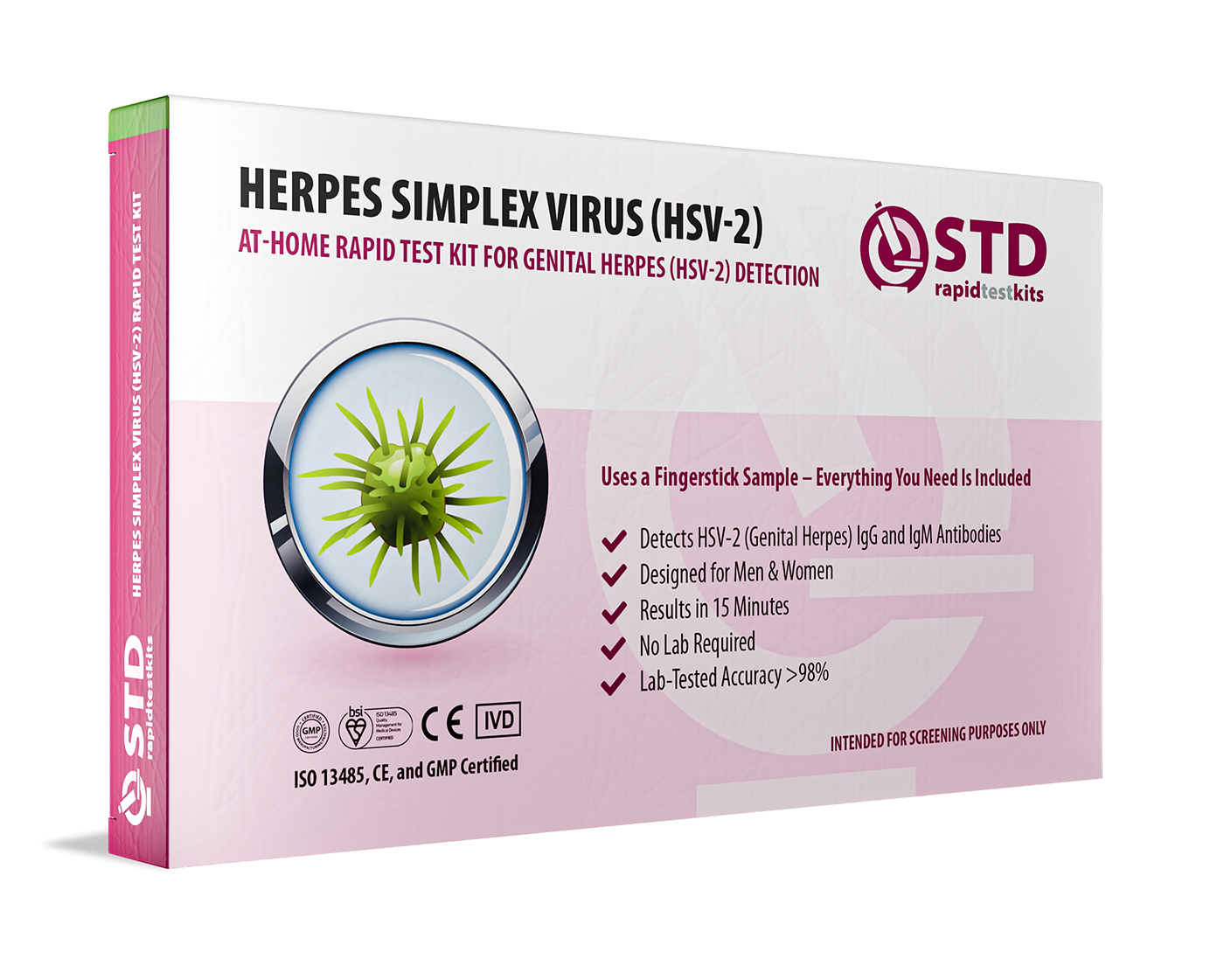
Test at Home with RemediumGenital Herpes Test Kit
Claim Your Kit Today
Save 6%
For Men & WomenResults in MinutesNo Lab NeededPrivate & DiscreetOrder Now $45.99 $49.00
Why “It’s Just a Cold Sore” Isn’t Always True
Cold sores are herpes. Let’s just say it. HSV-1 causes those mouth blisters your uncle gets every winter, and yes, those can be passed to the genitals during oral sex. The myth that cold sores are harmless but genital herpes is shameful? That’s cultural bias, not science. And if you’re thinking, “Well, it’s not the same,” here’s the real talk: the virus doesn’t care where it shows up. HSV-1 on the genitals and HSV-2 on the mouth are both possible. Both can transmit. Both deserve honesty and management. So let’s stop pretending cold sores are innocent while genital outbreaks are scandalous. It’s all herpes, and it’s all manageable.
Herpes in Long-Term Relationships
One of the most painful things people hear after a positive test is, “Does this mean someone cheated?” Not necessarily. Herpes can live in the body for years without symptoms. You or your partner could’ve been exposed before you ever met. Testing isn’t always included in routine checkups. False negatives happen. So do long stretches of asymptomatic shedding. The best thing couples can do? Talk. Get tested together. Consider suppressive therapy if one partner is negative. And most importantly, remember that herpes doesn’t define fidelity, silence does.
Breaking the Myths: Herpes Doesn’t Mean You’re Reckless
Let’s shut down the lie that herpes only happens to people who “sleep around.” It doesn’t take 20 partners or wild decisions. Sometimes it only takes trust, and a lack of symptoms. You can get herpes:
- From someone who didn’t know they had it
- Even when using condoms (they reduce but don’t eliminate risk)
- In a monogamous relationship
- From oral sex with someone who has cold sores
This virus is stealthy. What it isn’t? A punishment. A moral verdict. A scarlet letter. You can be responsible, smart, ethical, and still have herpes. Just like you can be reckless and never get it. That’s biology, not judgment.

People are also looking for: How soon after sex should I get tested?
Common Misconceptions About Herpes
Most people think they know what herpes is, until it becomes personal. The misinformation floating around sex ed classes, social media, and even well-meaning friends is massive. Let’s dismantle a few of the most damaging myths:
Myth: You can always tell if someone has herpes.
Reality: The majority of people with herpes have no visible symptoms.
Myth: You can only get herpes if you’re promiscuous.
Reality: One encounter is enough. It’s about exposure, not behavior.
Myth: Herpes is rare.
Reality: Over 500 million people worldwide have it. That’s not rare, that’s normal.
Myth: You can’t have a healthy relationship with herpes.
Reality: Many couples thrive, honesty and protection are key.
FAQs
1. Can I get herpes from a toilet seat?
No. Herpes doesn’t survive long on surfaces and requires skin-to-skin contact for transmission.
2. What’s the difference between HSV-1 and HSV-2?
HSV-1 usually causes oral herpes (cold sores), while HSV-2 is linked to genital infections. But both can infect either region.
3. How long after exposure will herpes show up?
Initial symptoms can appear 2 to 12 days after exposure, but many people don’t develop noticeable signs for months or even years.
4. Do condoms prevent herpes?
Condoms reduce the risk but don’t eliminate it. Herpes can live on areas not covered by a condom.
5. Can you get herpes even if your partner has no symptoms?
Yes. This is called asymptomatic viral shedding, the virus can spread even when there’s no outbreak.
6. Is there a cure for herpes?
Not yet. But suppressive therapy can greatly reduce outbreaks and the chance of passing it on.
7. Is herpes dangerous during pregnancy?
It can be if a new infection occurs late in pregnancy. Doctors often recommend antiviral treatment or C-section to reduce transmission risk.
8. Why don’t doctors routinely test for herpes?
Because the blood test can’t always distinguish between old and new infections, and false positives can cause unnecessary anxiety.
9. Can I donate blood if I have herpes?
Yes. Herpes is not transmitted through blood, so you can still donate.
10. Can I live a normal sex life with herpes?
Absolutely. With communication, protection, and possibly medication, you can have a fulfilling and safe sex life.
Check Your STD Status in Minutes
Test at Home with RemediumGenital & Oral Herpes Test Kit
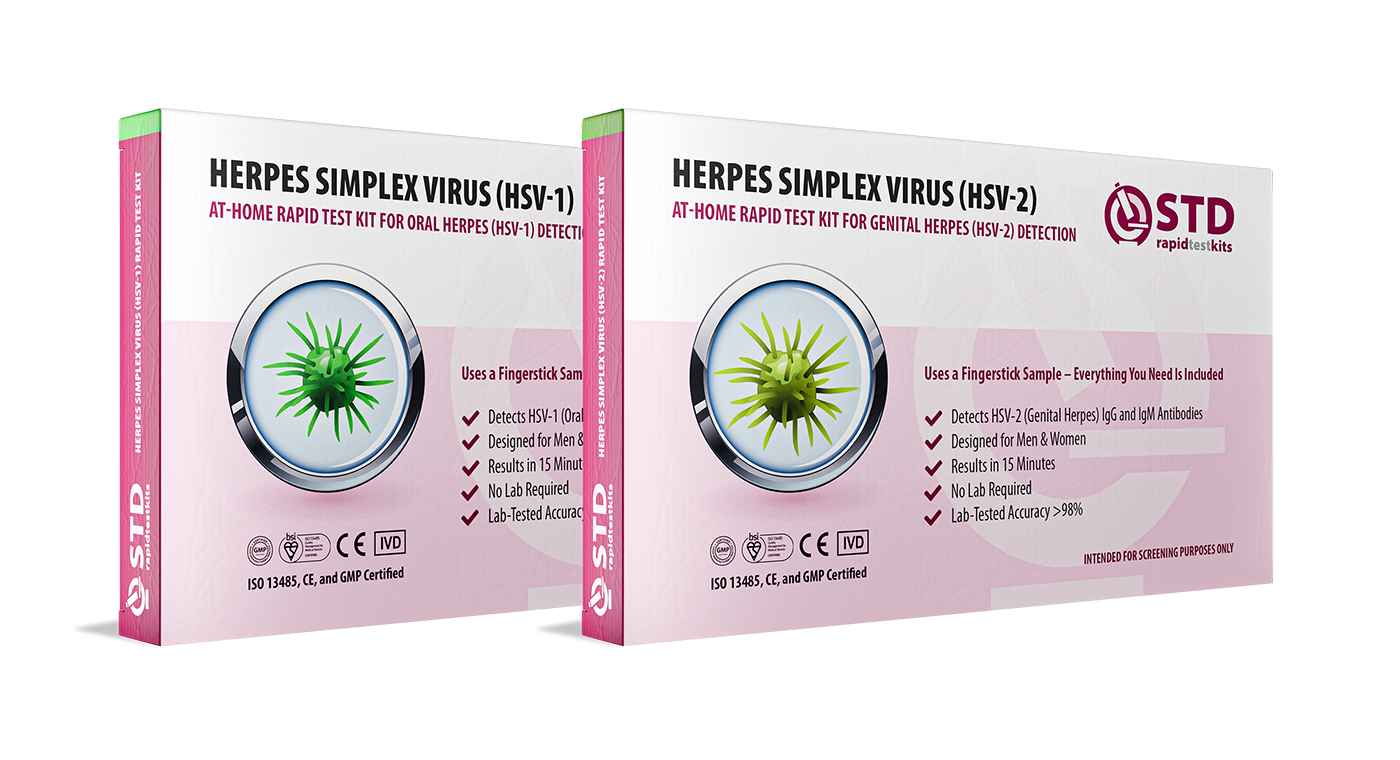
Claim Your Kit Today
Save 23%
For Men & WomenResults in MinutesNo Lab NeededPrivate & DiscreetOrder Now $75.00 $98.00
For all 2 tests
Take Control
If herpes has touched your life, whether through a diagnosis, a partner, or just the fear of it, you’re not alone. You’re not gross. You’re not broken. You’re just human, living in a world where STDs exist and stigma doesn’t help anyone. You deserve answers. You deserve options. And you deserve peace of mind. Take control of your health: Get tested for herpes today.
Sources
2. Mayo Clinic – Genital Herpes: Symptoms and Causes
3. The Psychological Impact of Genital Herpes Stigma – PubMed


