




Can You Get an STD from a Virgin?
Sexually transmitted diseases, better known as STDs, have become very common on every continent of the world, but can you get an STD from a virgin? Although this is the correct question, it is rather

 2618
2618The Hepatitis B virus is transmitted via contact with body fluids that have the virus. Blood, semen, vaginal fluid, and saliva can all carry the virus when they touch an open sore, mucous membrane, or the bloodstream directly. Unprotected sex is one of the most frequently transmitted methods for Hepatitis B. The virus may be in genital secretions, and, therefore, sex is a transmission risk factor. Research has established that individuals with more than one sexual partner and those who engage in unprotected sex are most at risk. Although Hepatitis B is most commonly associated with sexual exposure, it can be transmitted in other manners as well.
Mother-to-child transmission at birth is a major concern in areas where Hepatitis B is common. Newborns whose mothers are infected with HBV are at extremely high risk of chronic infection if they are not vaccinated right away. In fact, the Centers for Disease Control and Prevention (CDC) reports that 90 percent of infants infected at birth will become chronically infected with Hepatitis B.
The second most frequent mode of transmission is through needle or syringe sharing. This explains why intravenous drug users are at higher risk for infection. Hepatitis B is also spread in health-care settings where infection control procedures are not followed. Although uncommon in today's health-care systems, instances of hospital-acquired Hepatitis B continue to happen in parts of the world where incorrect infection control procedures are practiced.
 For Men & Women
 Results in Minutes
 No Lab Needed
 Private & Discreet
Order Now $33.99 $49.00
Tattoos, body piercing, and even sharing personal items such as razors or toothbrushes have the potential to transmit Hepatitis B if they have come into contact with infected blood. The majority of individuals are unaware that an infinitesimally small quantity of blood can carry the virus, making it highly transmittable under normal circumstances.
Even though Hepatitis B is not transmitted through casual contact, including hugging, food sharing, or touching surfaces, it exists outside the human body for seven days. So, contaminated articles, like needles or equipment, may remain infectious for long durations if they are not cleaned thoroughly.
Certain populations are more likely to contract Hepatitis B based on lifestyle, underlying medical conditions, and exposure to high-risk environments.
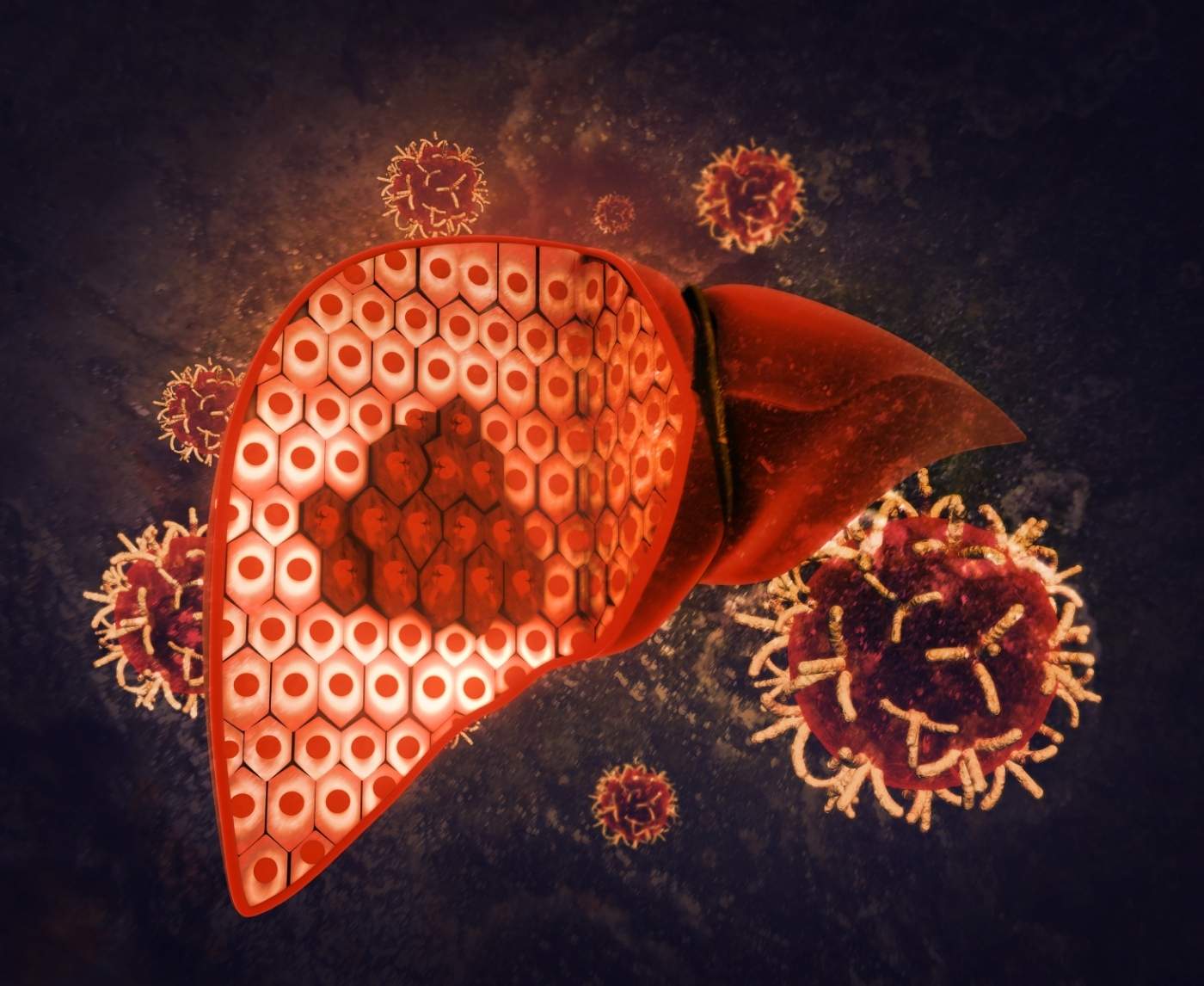
While some people develop mild symptoms or recover from an acute short-term infection, others develop chronic Hepatitis B with long-term consequences. The virus slowly destroys the liver, causing cirrhosis, liver failure, or hepatocellular carcinoma, which is liver cancer. Researchers have established that people with chronic Hepatitis B are at least 100 times more likely to develop liver cancer than those who are not infected.
The course of the disease can be quite varied. Some people remain asymptomatic for years, while others develop severe complications in a decade of being infected. The rate at which the disease progresses can be affected by alcohol intake, co-infection of Hepatitis C or HIV, and genetic susceptibility.
Case studies have reported cases where young adults who did not know they had Hepatitis B did not discover their status until after they developed liver failure. In one case, a 32-year-old California man was diagnosed with end-stage liver disease due to undiagnosed Hepatitis B. His only option was a liver transplant, which underscores the value of early detection and regular testing.
The best prevention of infection is the Hepatitis B vaccine. The vaccine is given in a series of three shots, and it creates lifetime immunity in most individuals. The CDC and WHO strongly recommend vaccination of all infants at birth, along with unvaccinated adults at risk.
Aside from immunization, safe sex is critical in prevention. The correct and consistent use of condoms greatly diminishes sexual transmission risk.
For those in high-risk occupations, such as health workers, proper protective equipment and strict sterilization procedures are essential. One can prevent accidental exposure by wearing gloves, utilizing disposable syringes, and following hospital protocol.
Prevention is also by not sharing needles and uncontrolled piercing or tattooing sessions. If you are thinking of body modification, always go to a licensed professional who practices strict sterilization techniques.
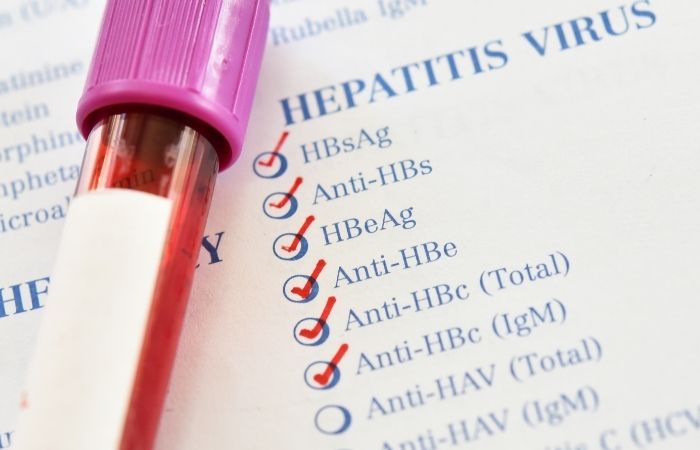
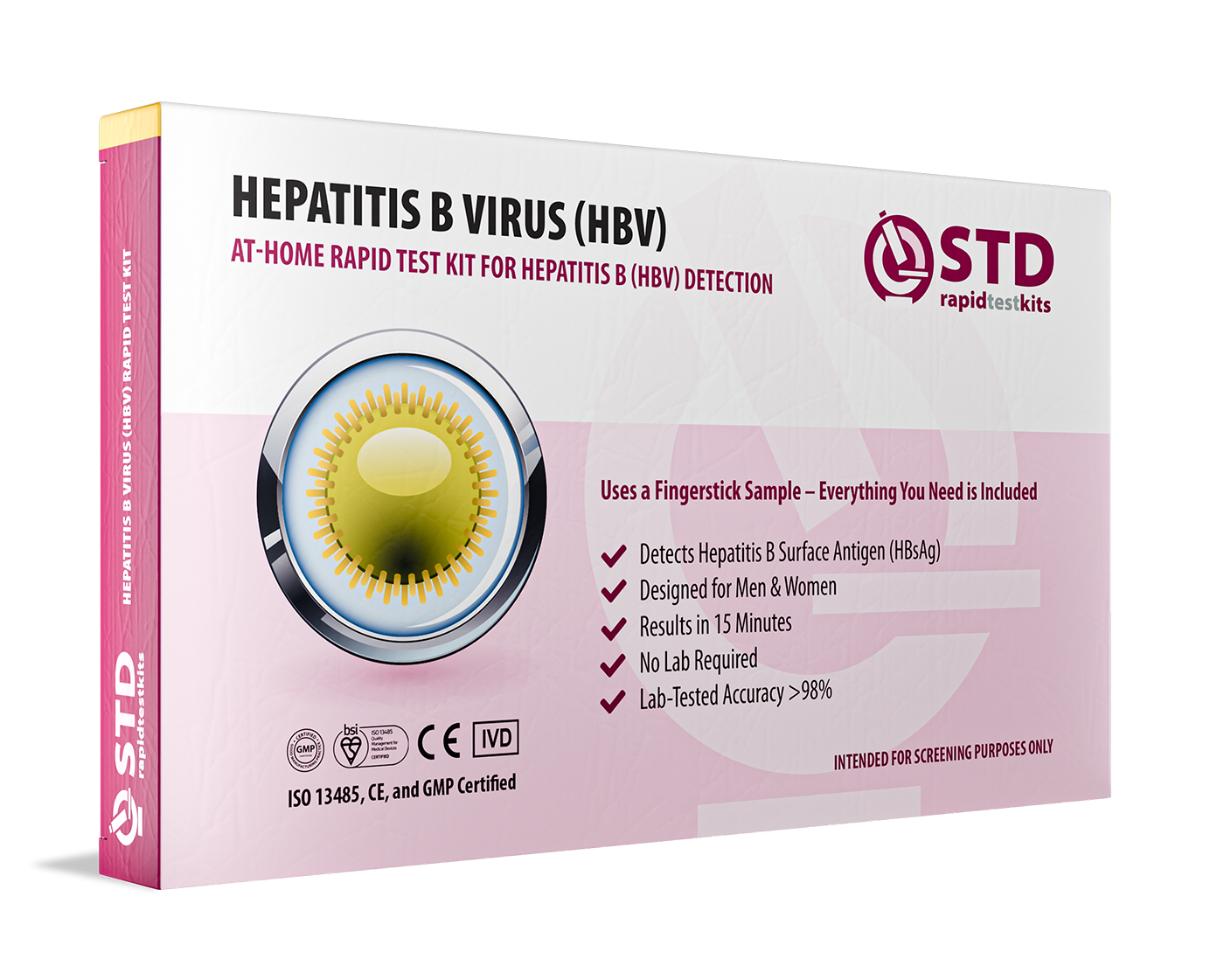
Routine Hepatitis B screening is another important preventive measure. Because most virus carriers are asymptomatic, routine testing is the only way to catch the virus in its earliest stage. At-home STD testing kits are an easy and discreet way to test for Hepatitis B, particularly for those who do not feel comfortable visiting a clinic.
Since Hepatitis B is transmissible during birth, pregnant women would be screened as a component of prenatal care. If the pregnant woman is found to have it, vaccination and treatment of the infant at birth can avoid transmission.
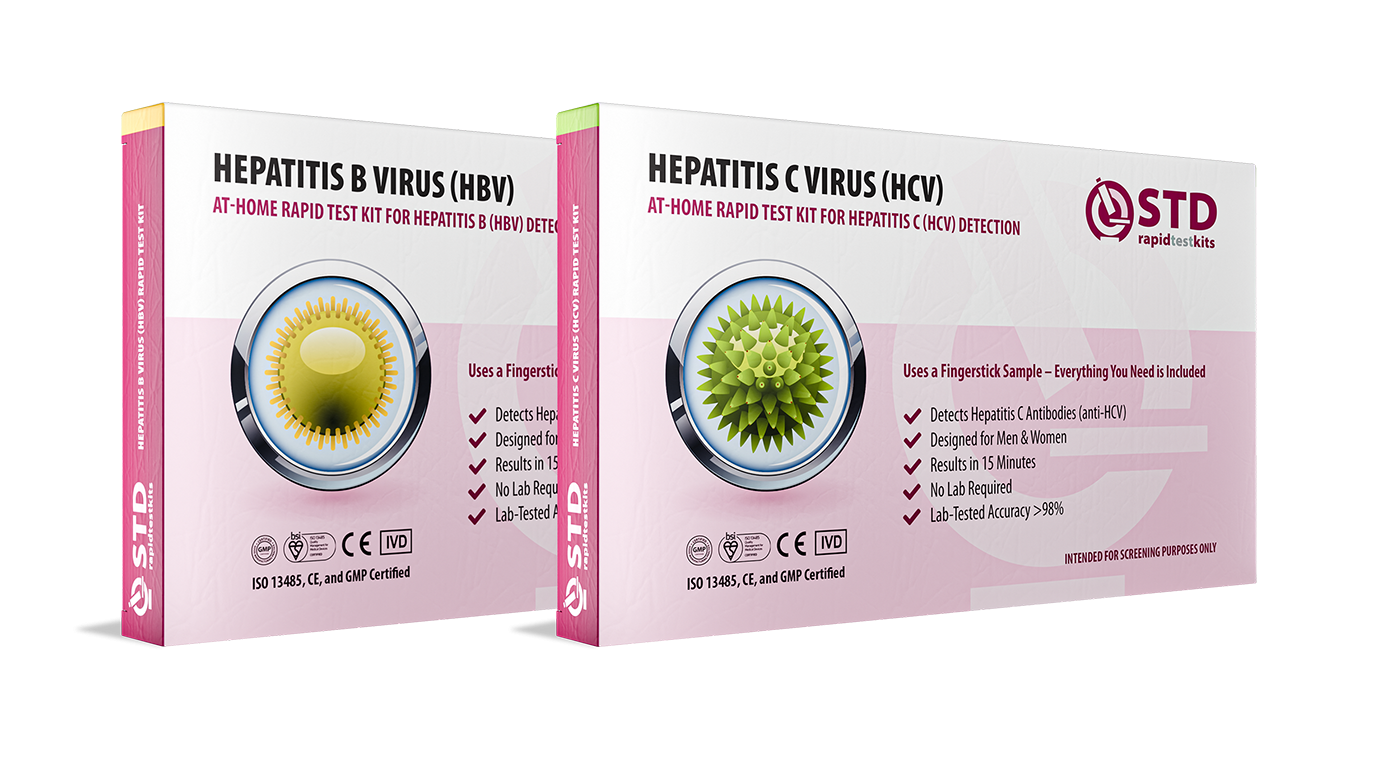 For Men & WomenResults in MinutesNo Lab NeededPrivate & Discreet
Order Now $49.00 $98.00
1. Can Hepatitis B be cured?
There is no general cure for chronic Hepatitis B, although antiviral drugs can be taken to manage the virus and minimize liver damage. A few individuals can clear an acute infection by themselves, yet chronic infection necessitates lifetime treatment and management.
2. How long does Hepatitis B survive outside the body?
The Hepatitis B virus also lives outside the body for seven days on infected surfaces. It is because of this that it is extremely important to disinfect and sterilize needles, medical equipment, and personal items such as razors.
3. Can Hepatitis B be transmitted through kissing or saliva?
The virus may be found in saliva, but transmission through kissing is very uncommon unless both individuals have open sores or bleeding gums. Blood, sexual, and perinatal transmission from mother to infant remain the major routes of transmission.
4. What are the initial symptoms of Hepatitis B?
Some symptoms of Hepatitis B are initial tiredness, nausea, vomiting, jaundice (yellowing of the eyes and skin), dark urine, and stomach pain. However, most individuals do not experience symptoms until after the virus has already damaged the liver.
5. Who needs to be screened for Hepatitis B?
Testing is advised for:
Home STD testing kits can be a confidential method of individuals getting tested without visiting a clinic.
6. Is Hepatitis B worse than Hepatitis C?
Both Hepatitis B and Hepatitis C can result in chronic liver disease, but Hepatitis B is more infectious through body fluids. Hepatitis C is predominantly bloodborne and has a tendency to become chronic infection if left untreated.
7. Can someone with Hepatitis B donate blood?
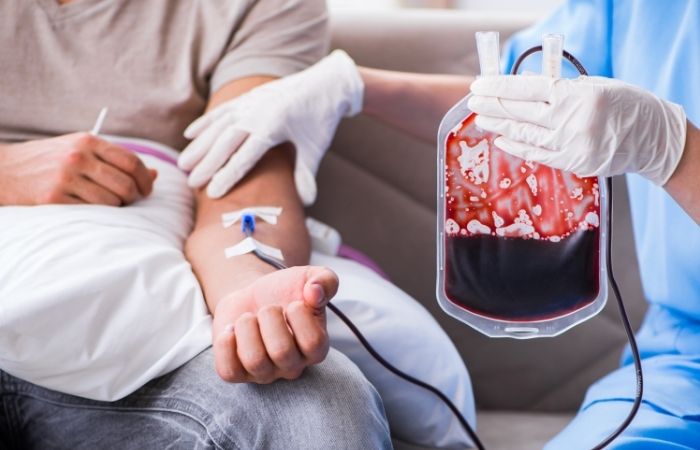
No. Hepatitis B patients are not allowed to donate blood because of the possibility of transmission to the recipients. Hepatitis B is always tested for by blood banks to prevent blood-borne transmission.
8. How effective is the Hepatitis B vaccine?
The vaccine is more than 90 percent effective against Hepatitis B infection when the entire series of shots is given. It is called for in all newborns, unvaccinated adults, and individuals in high-risk groups.
9. Can a person with Hepatitis B have a normal life?
With proper management and lifestyle modification, most people with Hepatitis B are able to lead normal, healthy lives. Regular follow-up medical appointments, adherence to medication (if required), and avoidance of alcohol or liver-toxic drugs are obligatory for long-term well-being.
10. Does Hepatitis B always cause liver cancer?
No, but chronic Hepatitis B greatly increases the risk of liver cancer, particularly in individuals with chronic infection, cirrhosis, or a family history of liver disease. Regular monitoring can pick up problems early.
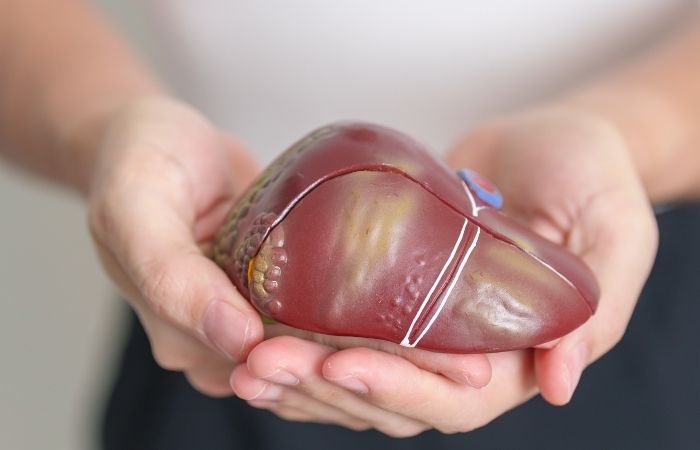
Hepatitis B is a serious but preventable infection that, when not diagnosed, can have lifelong consequences. Awareness of how the virus is transmitted, understanding behaviors that are high risk, and utilizing protective mechanisms can prevent the rate of transmission globally. Immunization is still the most effective defense against Hepatitis B with long-term immunity and protection to individuals and communities.
2.- Mayo Clinic Connect – Hepatitis B and Collagen
Next Story

 Fast discreet shipping
 Instant results
 No lab required