
Published: October 2025 | Last updated: May 2026 | Editorial review and quality control: Martina N.
What is the worst that can happen if I do not treat an STI?
It depends on which infection. Untreated chlamydia and gonorrhea can scar the fallopian tubes and cause infertility within months to a few years. Persistent high-risk HPV causes cervical and other cancers over 15 to 20 years. Syphilis damages the brain, heart, and nerves over 10 to 30 years if untreated. HIV progressively destroys the immune system without antiretroviral therapy.
The reason untreated sexually transmitted infections cause so much long-term damage is mundane: most of them do not hurt at first. Chlamydia rarely causes symptoms. Early syphilis shows up as a single painless sore that heals on its own. HPV is invisible. Many STIs cause no symptoms at all, so a person can carry one for months or years and pass it to a partner without ever knowing (NHS). By the time you notice something is wrong, the infection has often been quietly working on your reproductive organs, your immune system, or your nervous system.
This article walks through what each of the major STIs actually does when nobody catches it early, what is still reversible at that point, and what is not. It is published by stdrapidtestkits.com, which sells at-home STI testing kits; we recommend products based on fit-for-purpose for the reader's concern, not commercial benefit.
Key Takeaways
- Most STIs are silent for months or years; the damage they cause (infertility, cancer, organ failure) is often not reversible by the time symptoms appear.
- A single course of antibiotics catches chlamydia, gonorrhea, and early syphilis in time. Routine testing once or twice a year is the only reliable way to find them before damage starts.
How a quiet infection becomes permanent damage
Most STIs follow the same pattern. The infection enters through mucosal tissue (genital, anal, oral, or via blood), establishes itself, and either causes a short symptomatic flare that you might mistake for something else, or causes nothing noticeable at all. The body's immune response sometimes contains it. Often it does not. Over the months and years that follow, the infection either progresses internally (chlamydia and gonorrhea climbing into the upper reproductive tract; syphilis spreading through the bloodstream to nerves and organs; HPV integrating into cervical or oropharyngeal cells; HIV depleting CD4 T-cells, the immune system's key infection-fighting white blood cells) or settles into a lifelong viral reservoir that increases your transmission risk and your susceptibility to other infections.
Tissue damage from these infections is often mechanical rather than chemical. Scarred fallopian tubes do not flex or transport an egg the way healthy tubes do, so they continue to cause infertility and ectopic-pregnancy risk long after the bacteria that scarred them have been killed. The same is true of the cardiovascular and neurological damage that late-stage syphilis leaves behind. The infection clears with treatment; the architecture of the affected organ does not snap back.
Three things make this worse than it sounds. First, the most common consequences (scarred fallopian tubes, slow-growing precancerous lesions, immune compromise) do not announce themselves. By the time you notice infertility, an abnormal cervical screening, or a strange neurological symptom, the underlying damage is often years old. Second, the assumption that you would have noticed is wrong far more often than people realize. The CDC estimates that about 1 in 8 people with HIV in the United States do not know they are infected, and the proportion is much higher for asymptomatic chlamydia and HPV. Third, several of these infections quietly increase your risk of contracting others, so a single missed diagnosis can compound into multiple infections over time.
The rest of this article walks through the five most consequential infections (syphilis, HPV, chlamydia, gonorrhea, HIV) in detail, drawn from current CDC STI Treatment Guidelines and WHO guidance, then briefly covers the other STIs that have meaningful long-term effects.
More than 1 million curable sexually transmitted infections (STIs) are acquired every day worldwide in people 15–49 years old, the majority of which are asymptomatic.
What symptoms should prompt a test?
Even when symptoms do appear, they are easy to dismiss. STIs often produce no symptoms or only mild ones (MedlinePlus), so the signs below are reasons to test, not a checklist that has to be complete before you bother. Any one of them after a new or untested partner is enough to warrant a screen, and a clean-feeling body is not evidence of a clean bill of health.
Signs that should prompt an STI test
Most STIs cause no symptoms at all, so a normal-feeling body does not rule infection out. Only a test confirms your status.
- Unusual discharge from the penis, vagina, or rectum Common
- Burning or pain when you urinate Common
- Sores, ulcers, blisters, or warts on the genitals, anus, or mouth Common
- A single painless sore that heals on its own, a classic early-syphilis sign Less common
- A non-itchy rash, including one that involves the palms or soles Less common
- Pelvic or lower-abdominal pain, or pain during sex Less common
- Painful or swollen testicles Less common
- A flu-like illness a few weeks after a new sexual partner Less common
Syphilis: the most predictable progression
Syphilis is the textbook example of a treatable STI that becomes catastrophic when ignored. It is sometimes called the great imitator because its symptoms mimic many other illnesses, but it progresses through four clinical stages in roughly the same sequence in nearly everyone, which makes the long-term picture unusually predictable.
The primary stage starts 10 to 90 days after exposure (typically around 21 days) with a single firm, painless sore called a chancre at the site where the bacterium entered. Because it does not hurt and often appears in places that are hard to see (vaginal wall, cervix, rectum, base of the penis), most people do not notice it. The sore heals on its own in three to six weeks, which reinforces the false impression that nothing serious happened.
The secondary stage follows weeks to months later: a non-itchy rash that often appears on the palms and soles, swollen lymph nodes, fever, sore throat, weight loss, and patchy hair loss. Many people attribute this to a flu, a viral rash, or stress. These symptoms also resolve without treatment, and the infection enters the latent stage.
Latent syphilis is the dangerous part. The bacterium continues to circulate in the body without causing visible symptoms, sometimes for decades. People feel fine. During this stage the infection can still be passed to a sexual partner during the first year (early latent), and to a fetus throughout pregnancy.
Tertiary syphilis affects roughly a third of untreated cases, typically 10 to 30 years after the initial infection. It causes neurosyphilis (memory loss, personality change, dementia, stroke, paralysis), cardiovascular syphilis (aortic aneurysm and damage to the heart valves), and gummatous syphilis (soft tissue masses that destroy bone, skin, and organs). Some tertiary complications are fatal, and the neurological damage is often irreversible. Penicillin still cures the bacterium at this stage, but it cannot undo what the infection has already destroyed.
Diagnosis uses two complementary blood tests. Non-treponemal tests like RPR (rapid plasma reagin) detect markers of active infection and are useful for tracking treatment response. Treponemal antibody tests confirm exposure to Treponema pallidum itself. Clinics run them in sequence to confirm a positive result. A home rapid test is most reliable from about 12 weeks after a possible exposure, since antibody levels may not have peaked earlier; an early-window negative does not rule out infection if the exposure was recent.
Two facts deserve particular weight. Per CDC STI surveillance, reported syphilis cases in the United States have risen sharply over the past decade, with primary and secondary syphilis at their highest level since the early 1990s. Congenital syphilis (transmission from a pregnant person to their baby) has risen even faster, with thousands of newborns affected every year. Untreated maternal syphilis can cause stillbirth, neonatal death, low birth weight, premature birth, hepatosplenomegaly (enlarged liver and spleen), and lifelong neurological or skeletal abnormalities; some affected infants appear healthy at birth and develop symptoms over weeks or months. Routine prenatal testing catches almost all of these cases. Skipped or delayed testing accounts for almost all of the rest.

HPV: the cancer driver hiding in plain sight
Most adults will be infected with at least one strain of human papillomavirus during their lifetime. HPV is the most common sexually transmitted infection in the United States, and the vast majority of sexually active adults encounter at least one strain at some point. Most infections clear within one to two years on their own without ever causing a problem. The minority that do not clear are the ones that matter.
Persistent infection with one of the high-risk HPV types (most importantly types 16 and 18) is responsible for almost all cervical cancer worldwide. The World Health Organization attributes about 95% of cervical cancers to persistent high-risk HPV infection, and the CDC reports that more than 9 of every 10 cases of cervical cancer are caused by HPV. The same high-risk types also cause a significant share of anal, vaginal, vulvar, penile, and oropharyngeal (back-of-throat) cancers. HPV-related oropharyngeal cancers have been rising over the past two decades, particularly in men. Low-risk types, mainly HPV-6 and HPV-11, cause genital warts but do not cause cancer.
Progression to cancer is slow. Persistent high-risk HPV infection typically takes 15 to 20 years to progress to cervical cancer; in immunocompromised people it can happen in 5 to 10. That gradual timeline is exactly what makes screening so effective. A Pap smear or HPV test every three to five years (depending on age and prior results) catches almost all precancerous changes before they progress, and treatment of those lesions stops cancer from forming.
Two other things change the math here. Vaccination dramatically reduces the risk of acquiring the high-risk strains in the first place. The CDC recommends routine HPV vaccination starting at age 11 or 12 (and as early as age 9), with catch-up vaccination through age 26. Adults aged 27 through 45 may benefit based on shared clinical decision-making with a provider; the benefit is smaller because most people in that age range have already encountered common strains. Vaccination does not treat existing infection, so screening still matters even after vaccination. There is no equivalent routine screening test for HPV-related cancers in men, which is why vaccination matters even more for boys and young men.
Our rapid HPV self-test is validated for vaginal self-swab and is therefore for women only. There is no widely available FDA-cleared at-home HPV test for men. If you are a male reader concerned about HPV-related throat or anal cancer screening, see a clinic; those tests are clinic-administered.
Chlamydia: the silent infertility driver
Chlamydia is the most commonly reported bacterial STI in the United States, and it is the textbook example of an infection that does most of its damage without symptoms. The CDC notes that chlamydia often produces no symptoms, which is why it is sometimes described as a silent infection. The bacterium quietly ascends from the cervix or urethra into the upper reproductive tract.
Untreated, chlamydia in women progresses to pelvic inflammatory disease (PID) in a meaningful minority of cases. PID itself can be acute and dramatic, or low-grade and quiet, with the latter often going undetected. PID inflames and scars the fallopian tubes, the uterine lining, and surrounding pelvic tissue. The scarring is permanent. Per CDC data, women who have had PID face about a 1 in 8 chance of subsequent infertility, an elevated risk of chronic pelvic pain, and a sharply elevated risk of ectopic pregnancy (a pregnancy implanted in a fallopian tube, which is a surgical emergency and can be fatal). A second episode of PID roughly doubles the infertility risk; a third roughly triples it.
In men, untreated chlamydia is less commonly a fertility problem but can cause epididymitis (inflammation of the coiled tube behind the testicle that stores sperm), which is painful and, when severe or recurrent, can damage sperm production and contribute to subfertility. Men also act as the asymptomatic reservoir that re-infects female partners after they have been treated, which is why partner treatment is part of standard care.
Chlamydia also causes reactive arthritis in a small percentage of cases (joint inflammation triggered by the immune response to the infection), and in pregnancy it can cause preterm delivery, neonatal conjunctivitis, and infant pneumonia. A single course of doxycycline or azithromycin clears the active infection and stops further damage. The damage that has already occurred, however, is what it is. Catching it early is exactly what an at-home chlamydia test is for.
The reason testing matters so much for chlamydia is the gap between when it can be caught and when it can be caught usefully. The CDC recommends annual chlamydia screening for all sexually active women under 25, and for older women with risk factors. In practice, screening rates fall well below that target, which is why chlamydia remains the leading reportable infectious disease in the United States.

Gonorrhea: the same damage, with a drug-resistance problem
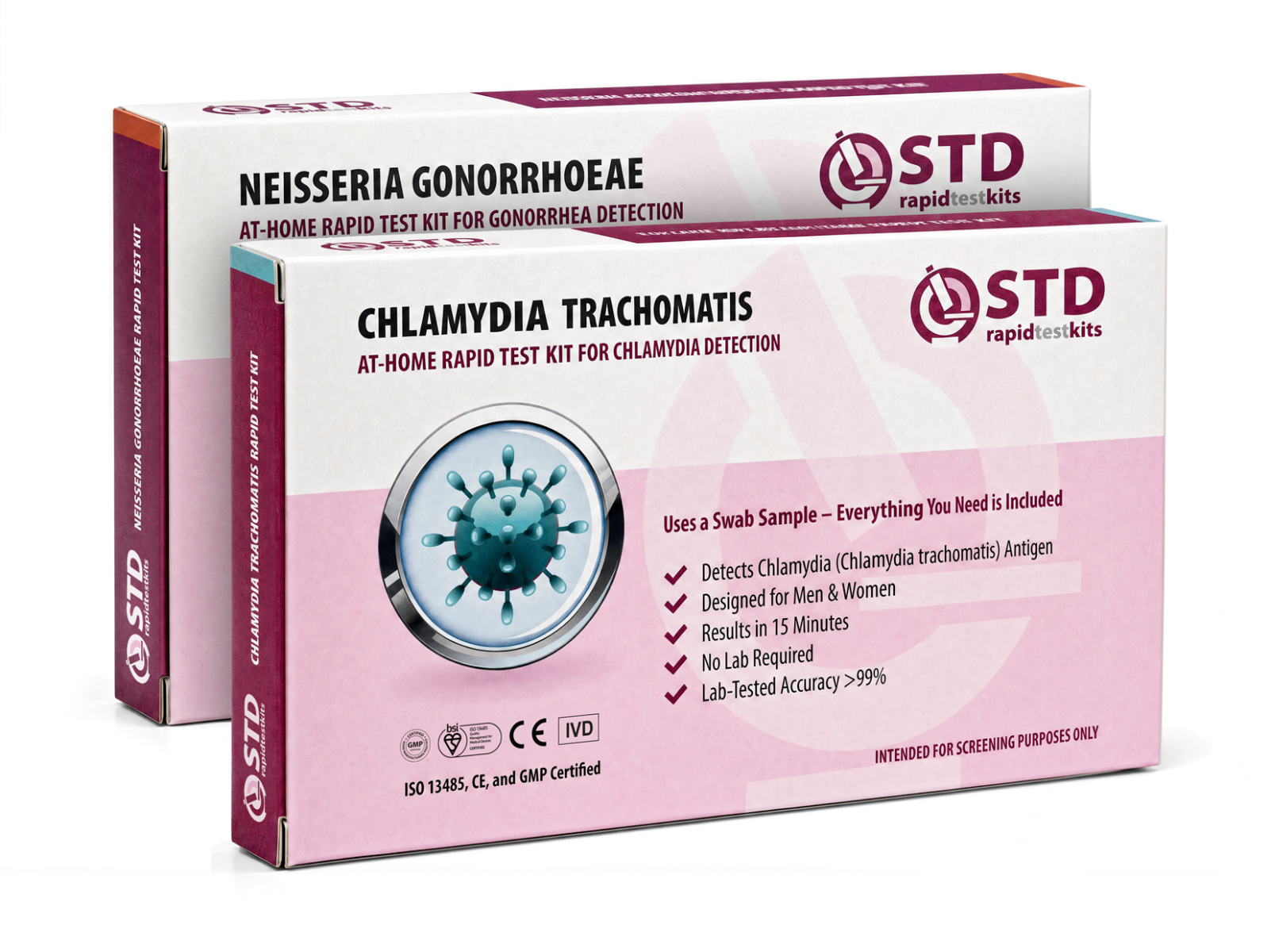
Gonorrhea behaves much like chlamydia in the body. It infects the cervix, urethra, rectum, and throat; it often causes no symptoms (especially in women, where roughly half of infections are asymptomatic, and in pharyngeal and rectal infections regardless of sex); and it causes PID, infertility, ectopic pregnancy, and chronic pelvic pain through the same mechanism of ascending infection and tubal scarring. Coinfection with chlamydia is common, which is why testing is usually paired.
What makes gonorrhea different is antimicrobial resistance. Neisseria gonorrhoeae has progressively developed resistance to nearly every antibiotic class historically used to treat it: sulfonamides, penicillins, tetracyclines, fluoroquinolones, and now increasingly to cephalosporins. The CDC STI Treatment Guidelines currently recommend a single intramuscular dose of ceftriaxone, and the dose has been raised over time to keep ahead of resistance. Strains with elevated resistance to ceftriaxone are spreading internationally; the WHO classifies gonorrhea as a high-priority pathogen for new antibiotic development.
Disseminated gonococcal infection (the bacterium reaching the bloodstream) is uncommon but serious. It causes painful inflamed joints (septic arthritis), a characteristic pustular skin rash, and rarely meningitis or endocarditis. It is more likely in untreated infections that have been festering for weeks.
Gonorrhea and chlamydia both also raise the risk of acquiring HIV by causing genital inflammation that makes the mucosal barrier more permeable. People who already have an STI are biologically more susceptible to HIV transmission during exposure, which is one reason that catching and treating one STI often prevents another.
Practically: if there is a chance of gonorrhea exposure, test promptly. Resistant strains do not change how testing works; they change how urgent treatment is and how important post-treatment follow-up testing (test of cure) becomes for some sites of infection.
Because ceftriaxone-resistant strains are spreading internationally, the CDC recommends a test-of-cure follow-up roughly two weeks after treatment for pharyngeal (throat) gonorrhea, and for any case where treatment failure is suspected. A repeat test confirms the infection is actually cleared rather than persisting silently in a resistant form.
HIV: the consequences are slower but more total
HIV without treatment progresses through three phases per the CDC's HIV overview. The acute phase, two to four weeks after exposure, often produces flu-like symptoms (fever, sore throat, swollen lymph nodes, rash) that are easily mistaken for a viral illness. The chronic or clinical latency phase follows; people typically feel well for years while the virus slowly depletes CD4 T-cells (the white blood cells that coordinate the immune response). The third phase is AIDS, which the CDC defines as a CD4 count below 200 cells per cubic millimeter or the presence of certain opportunistic infections. Untreated HIV historically progressed to AIDS over a median of about 10 years, after which life expectancy was very short.
What changed everything is antiretroviral therapy. Modern combination ART suppresses HIV to undetectable levels in the blood, prevents progression to AIDS, restores normal immune function in most people, and reduces the risk of sexual transmission to a partner to effectively zero (the U=U principle: undetectable equals untransmittable). Life expectancy for someone diagnosed with HIV today and started promptly on ART is close to that of someone without HIV. Undiagnosed HIV in 2026 carries dramatically worse outcomes than diagnosed HIV in 2026.
About 1 in 8 people with HIV in the United States do not know they are infected per CDC estimates, and undiagnosed people account for a disproportionate share of new transmissions. Several other STIs (especially syphilis, untreated gonorrhea, and active herpes lesions) substantially increase the per-act risk of acquiring HIV during exposure.
Window periods matter for HIV testing. A fourth-generation antigen-antibody HIV test detects most infections by 18 to 45 days after exposure; rapid antibody-only tests detect most infections between 3 and 12 weeks. If a possible exposure happened recently, repeat testing at the longer window is the right approach. A negative result inside the window is not a definitive answer.
Ask a clinician about post-exposure prophylaxis (PEP) today, not tomorrow. Started within 72 hours of exposure, PEP can prevent HIV infection from establishing; the closer to the exposure it is started, the better it works. Pre-exposure prophylaxis (PrEP) is the equivalent option for people with ongoing risk. The CDC recommends discussing PrEP with any sexually active adult who may benefit, including people with multiple partners, partners with HIV who are not virally suppressed, or anyone who injects drugs.
Other STIs that cause long-term harm
Beyond the five infections above, several others deserve attention.
Hepatitis B and hepatitis C are bloodborne viruses that can be sexually transmitted (more efficiently for hepatitis B than hepatitis C). Both can become chronic and cause silent, progressive liver damage over decades: inflammation, fibrosis (scarring), cirrhosis (severe scarring that disrupts liver function), and eventually hepatocellular carcinoma (liver cancer). Per CDC viral hepatitis data, chronic hepatitis C is one of the leading causes of liver transplantation in the United States. The encouraging side: hepatitis B is preventable with a safe, highly effective vaccine recommended for all infants and unvaccinated adults, and hepatitis C is now curable in most cases with 8 to 12 weeks of direct-acting antiviral medication. Current guidance recommends at least one-time hepatitis C screening for all adults aged 18 and over, and at least one-time hepatitis B screening for all adults.
Genital herpes (HSV-1 or HSV-2) is a lifelong infection. Most genital herpes is caused by HSV-2, while HSV-1, the same virus behind most oral cold sores, accounts for a growing share of genital cases. It does not directly cause organ damage in immunocompetent adults, but it causes recurrent painful outbreaks, occasionally severe nerve pain, and a substantially increased risk of acquiring or transmitting HIV during active outbreaks. In pregnancy, an active genital herpes outbreak at the time of delivery is a serious risk to the newborn and is usually managed with cesarean delivery. Daily suppressive antiviral therapy (acyclovir, valacyclovir, or famciclovir) reduces both outbreak frequency and transmission risk.
Trichomoniasis is a parasitic infection that often has no symptoms. It increases the risk of HIV acquisition and is associated with preterm birth and low birth weight in pregnancy. A single dose of metronidazole or tinidazole cures it. (Our at-home trichomoniasis swab is validated for vaginal self-collection only; male readers needing a trich test should see a clinic.)
Mycoplasma genitalium has emerged as a recognized cause of urethritis, cervicitis, and PID. It is increasingly difficult to treat because of antibiotic resistance, particularly to azithromycin. Many providers do not yet routinely test for it.
| Infection | Long-term risk if untreated | Curable or lifelong? |
|---|---|---|
| Hepatitis B | Cirrhosis, liver failure, liver cancer | Lifelong; vaccine prevents, antivirals control |
| Hepatitis C | Cirrhosis, liver failure, liver cancer | Curable with 8 to 12 weeks of antivirals |
| Genital herpes (HSV) | Recurrent outbreaks, increased HIV risk | Lifelong; antivirals reduce frequency |
| Trichomoniasis | Preterm birth, increased HIV risk | Curable with a single dose of antibiotics |
| Mycoplasma genitalium | Urethritis, cervicitis, PID | Often curable; resistance is rising |
STIs and pregnancy: the consequences cross over
Several STIs, treated or not, change pregnancy outcomes. Syphilis crosses the placenta and causes congenital syphilis, which can result in stillbirth, neonatal death, bone deformities, blindness, deafness, and neurological damage. Chlamydia and gonorrhea can cause preterm labor, eye and lung infections in the newborn, and (for gonorrhea) blindness if untreated. HIV without treatment is transmitted to the baby in roughly 15 to 45% of pregnancies; with maternal ART that figure drops to under 1% (CDC HIV). Active genital herpes at delivery is managed with cesarean section to prevent neonatal infection.
This is why prenatal STI screening exists in the first place. The first prenatal visit screens for HIV, syphilis, hepatitis B, and chlamydia (often with gonorrhea added), and additional screening is repeated in the third trimester for higher-risk patients. Skipping or postponing prenatal care is the most common reason these consequences slip through.
The CDC recommends every pregnant person be screened at the first prenatal visit for HIV, syphilis, hepatitis B, and chlamydia, with gonorrhea added based on risk. Higher-risk patients are re-screened in the third trimester, and syphilis is re-tested at delivery in jurisdictions where congenital syphilis rates are rising. This single set of tests catches most of the infections that would otherwise harm the baby.
Why testing changes the trajectory
Catching the infection while it is still local and treatable prevents most of the long-term damage above. For chlamydia and gonorrhea, that means finding the infection in the lower genital tract before it has migrated up through the cervix into the upper reproductive tract. For syphilis, it means catching the infection in the primary or secondary stage, before the latent phase, when penicillin still cures it cleanly. For HPV, it means having a baseline cervical screening so any persistent high-risk infection can be detected through cytology before it progresses to cancer. For HIV, it means starting ART before significant immune damage and before unknowing transmission to partners.
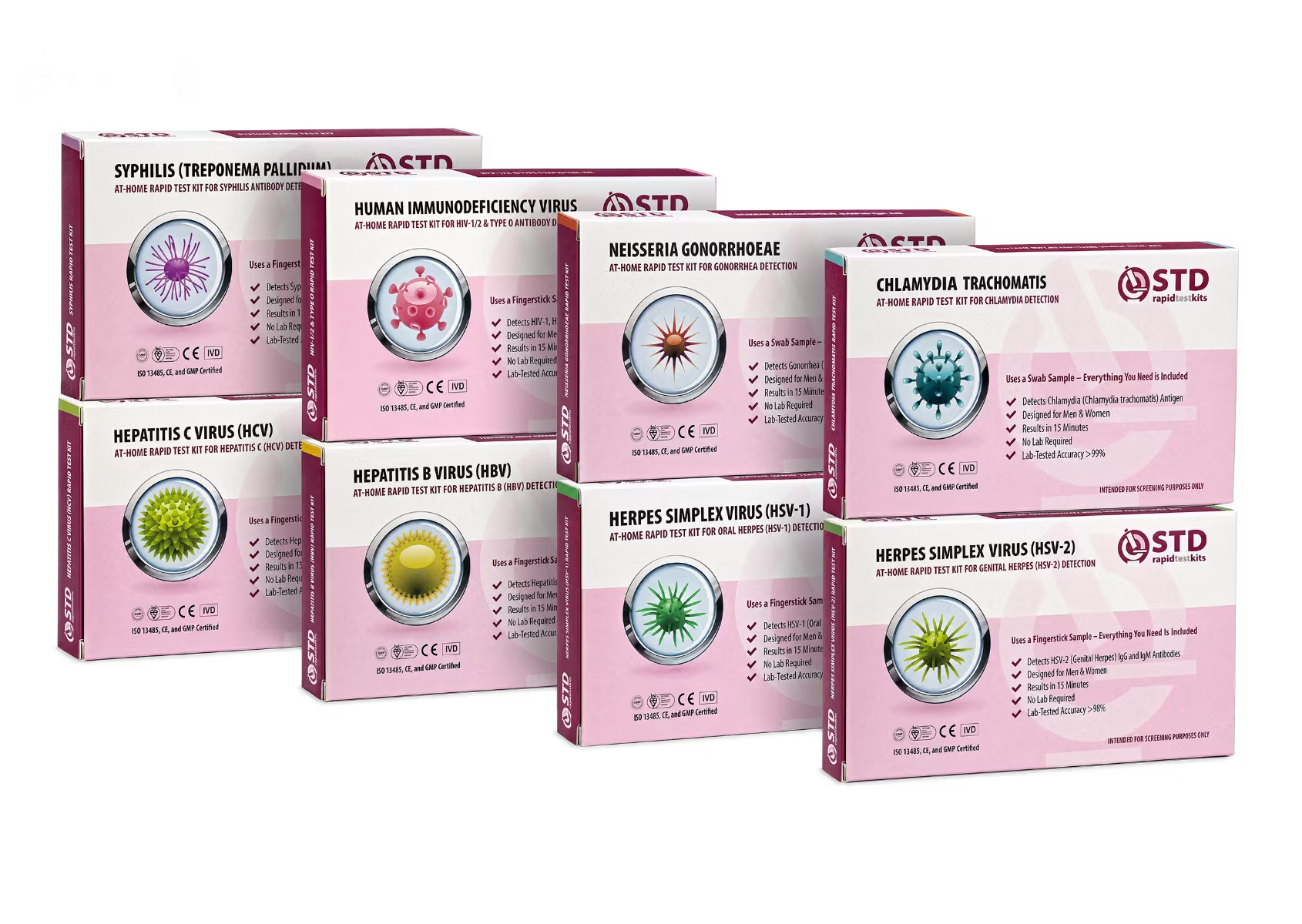
At-home rapid testing fills a specific gap in this picture: people who would not visit a clinic for cost, time, privacy, or stigma reasons can still get an answer at home. Rapid lateral-flow tests are screening tools, not lab-grade NAATs; labs use NAAT or PCR for higher analytical sensitivity, so the two are complementary rather than equivalent. At-home STI test kits give a clear answer in about 15 minutes (for swab tests) or via a fingerstick blood draw (for HIV, syphilis, hepatitis, and herpes antibody tests). A positive screening result should always be confirmed at a clinic before treatment begins. The value of home screening is catching an asymptomatic infection that the person was not going to test for at all in any other setting.
How often, what to test for, when to retest
The CDC's screening recommendations for sexually active adults look roughly like this. Annual chlamydia and gonorrhea screening for women under 25, and for older women and men with new or multiple partners. HIV screening for everyone aged 13 to 64 at least once, and more often for people in higher-risk situations (men who have sex with men, people who inject drugs, people with multiple recent partners). Syphilis screening for pregnant people, men who have sex with men, people with HIV, and others with risk factors. HPV cervical screening every three to five years for women aged 25 to 65, depending on age and prior results.
Window periods matter after a possible exposure. If you test too early, the result can be a false negative; the right move is to repeat at the longer window rather than treat a single early-window negative as definitive. The table below summarizes the detection windows and routine screening cadence for the major infections.
For a single high-confidence exposure, a useful rhythm is: a baseline test inside the first week or two (to set a known starting point and catch chlamydia or gonorrhea early), then a second test at the appropriate window for HIV, syphilis, and hepatitis. For ongoing routine screening without a specific exposure, once a year covers most situations; every three to six months is appropriate for higher-risk situations.
| Infection | Detection window after exposure | Routine screening cadence |
|---|---|---|
| Chlamydia | 1 to 2 weeks | Annual for women under 25; risk-based otherwise |
| Gonorrhea | 1 to 2 weeks | Annual for women under 25; risk-based otherwise |
| HIV (4th-gen antigen-antibody) | 18 to 45 days | At least once between ages 13 and 64 |
| HIV (rapid antibody) | 3 to 12 weeks | At least once between ages 13 and 64 |
| Syphilis | 3 to 6 weeks (12 weeks for highest accuracy) | Risk-based; routine in pregnancy |
| Hepatitis B | 6 to 24 weeks | At least once for all adults |
| Hepatitis C (antibody) | 8 to 11 weeks | Once for adults aged 18 and over |
| HSV antibodies | 6 to 12 weeks (sometimes longer) | Not routine; based on symptoms or partner status |
The bottom line
People consistently make the same wrong assumption: that an absence of symptoms means an absence of infection, and that an infection that does not hurt is not doing anything. Most of the long-term consequences described in this article (infertility from chlamydia, cervical cancer from HPV, neurological damage from syphilis, immune collapse from HIV) trace back to the same simple fact: the infection was present and detectable for years before anything went obviously wrong.
Routine testing on the schedule the CDC recommends for your situation catches most of these infections in the window where they are still curable or fully manageable. Vaccination (for HPV and hepatitis B) prevents many of them outright. Early treatment for HIV preserves immune function and prevents transmission. None of this requires anything heroic; it requires a test, occasionally, before there is a reason to suspect anything.
If you have not been tested in a while, or have had a recent exposure you have been putting off thinking about, the right next step is a screening test. Anything that comes back positive should be confirmed at a clinic before treatment.
Three steps to take this week
Has it been more than a year since your last screen for HIV, syphilis, chlamydia, and gonorrhea?
Yes: Book a screening test that covers at least those four infections this week.
Are you unsure whether your HPV vaccination is current?
Yes: Ask a provider about catch-up vaccination; the CDC recommends routine vaccination through age 26 and shared clinical decision-making through age 45.
Might you be at higher risk for HIV, for example multiple partners, a partner who is not virally suppressed, or injection drug use?
Yes: Ask a provider about PrEP (pre-exposure prophylaxis) at the same visit.
No: Keep up routine periodic testing and test again after any new exposure.
Guidance only; a healthcare provider can advise based on your specific situation.
Frequently asked questions
- Can I have an STI for years without symptoms?
- Yes. Chlamydia, HPV, herpes, syphilis (during the latent stage), and HIV (during the chronic phase) can all persist for years with no obvious symptoms while still causing internal damage or being transmissible to partners. Untreated chlamydia, for instance, can scar the fallopian tubes within 12 to 24 months despite producing no noticeable symptoms, and latent syphilis can sit silently for decades before tertiary complications appear.
- Can an STI clear on its own without treatment?
- Most cannot. Bacterial STIs (chlamydia, gonorrhea, syphilis) generally do not resolve without antibiotics; symptoms can fade while the infection persists and continues to cause damage. Most HPV infections do clear spontaneously within one to two years per the CDC, but persistent high-risk HPV is what drives cancer risk. HIV, herpes, and chronic hepatitis B and C never clear on their own.
- Which untreated STI causes the most damage?
- It depends on which outcome you mean. By volume of preventable infertility, chlamydia leads. By historical mortality without treatment, it is HIV. By predictable neurological and cardiovascular destruction, syphilis. By global cancer burden, HPV-driven cancers outnumber the others. That is why screening guidance is broad: the CDC recommends at minimum annual chlamydia and gonorrhea testing for women under 25, at least one HIV test for everyone aged 13 to 64, and risk-based syphilis testing for adults at ongoing risk.
- Can untreated STIs cause cancer?
- Yes. Persistent infection with high-risk HPV strains is responsible for almost all cervical cancer (about 95% per the WHO) and a significant share of anal, vaginal, vulvar, penile, and oropharyngeal cancers. Chronic hepatitis B and hepatitis C can cause liver cancer (hepatocellular carcinoma). Untreated HIV increases the risk of several cancers including Kaposi sarcoma and certain lymphomas.
- Why is gonorrhea becoming antibiotic-resistant?
- Neisseria gonorrhoeae has a high rate of mutation and exchanges resistance genes with related bacteria. Each antibiotic class historically used has progressively lost effectiveness. Ceftriaxone is the current first-line treatment per the CDC STI Treatment Guidelines, but strains with elevated resistance to ceftriaxone are spreading internationally. The WHO has classified gonorrhea as a high-priority pathogen for new antibiotic development.
- Can untreated STIs harm a pregnancy?
- Untreated syphilis can cross the placenta and cause stillbirth, neonatal death, or permanent skeletal and neurological disability in the infant. Chlamydia and gonorrhea in pregnancy can lead to preterm birth, infant pneumonia, and neonatal eye infections. Maternal ART for HIV reduces vertical transmission from roughly 1-in-3 to under 1-in-100. Active genital herpes near delivery is typically managed by cesarean section.
- Are at-home rapid STI tests reliable?
- Used inside their stated window period and according to the instructions, at-home rapid lateral-flow tests are a reliable first-pass screen for the infections they cover. They are screening tools rather than lab-grade tests: laboratories use NAAT or PCR for higher analytical sensitivity, especially for very early or low-level infections. That is why a positive at-home result should always be confirmed by a clinician before treatment starts, and why a negative result inside the window period should be repeated later.
- Does using condoms eliminate STI risk?
- Condoms substantially reduce but do not eliminate STI risk. They are highly effective against infections transmitted through fluid contact, including HIV, chlamydia, gonorrhea, and trichomoniasis. They are less effective for infections transmitted through skin-to-skin contact in areas not covered by the condom, which means herpes, HPV, and syphilis chancres outside the protected area can still transmit.
- Is the damage from an untreated STI reversible?
- It depends on the stage. Curative antibiotics for chlamydia, gonorrhea, and syphilis stop further damage and clear the active infection, but they do not reverse scarring of the fallopian tubes, advanced neurological damage from late syphilis, or cancer caused by HPV. The earlier an infection is caught, the more reversible the picture.
- What should I do if I test positive at home?
- Don't panic. Almost every STI is treatable or manageable. Contact a clinician promptly to confirm the result with laboratory testing and start treatment if confirmed. Notify recent sexual partners so they can test and treat as well, which prevents you from being reinfected after your own treatment. Avoid sexual contact until treatment is complete for bacterial infections, or until you have discussed transmission risk with a clinician for viral infections.
- U.S. Centers for Disease Control and Prevention. Sexually transmitted infections overview, screening guidance, treatment regimens, and surveillance data including the rise in primary, secondary, and congenital syphilis cases in the United States.
- U.S. Centers for Disease Control and Prevention. HIV statistics including the proportion of undiagnosed HIV (about 1 in 8), the three-stage progression to AIDS, vertical-transmission rates with and without ART, testing recommendations, and Undetectable equals Untransmittable (U=U) guidance.
- U.S. Centers for Disease Control and Prevention. Pelvic Inflammatory Disease (PID) overview, including the finding that about 1 in 8 women with a history of PID have difficulty getting pregnant, plus tubal scarring and ectopic pregnancy risk.
- World Health Organization. Cervical cancer fact sheet, attributing about 95% of cervical cancers to persistent high-risk HPV infection.
- National Health Service (UK). Sexually transmitted infections overview, noting that many STIs have no symptoms and that testing is the only way to know your status.
- MedlinePlus, U.S. National Library of Medicine (NIH). Sexually transmitted infections overview, covering asymptomatic infection, who should be tested, and treatment.
