







Quick Answer: Flu-like symptoms such as fever, fatigue, sore throat, and nausea can be early signs of Hepatitis A, B, or C, especially if they appear 2–12 weeks after a sexual or blood exposure. Always test if you’re unsure, these STDs often hide behind common illness symptoms.
Why This Confusion Happens So Often
Imagine feeling run down, but nothing seems serious enough to worry about. You pop a few ibuprofen, cancel plans, and chalk it up to burnout. This is the everyday reality of people who miss the early signs of hepatitis, because those signs are intentionally quiet. Early symptoms are often vague: a low-grade fever, headache, sore muscles, and overwhelming fatigue. No rash. No genital symptoms. No obvious “STD” warning sign. Just something that feels a lot like life catching up with you.
Most people don’t associate STDs with things like chills or sore throat. Even fewer know that Hepatitis B can spread through sex without any visible symptoms during transmission. By the time more distinct signs show up, like yellowing of the eyes or darkened urine, the infection has already had time to settle in. That’s why catching it early, even when it feels like a simple bug, matters.
The overlap between cold symptoms and STD symptoms isn’t just frustrating, it’s dangerous. That’s why we’re breaking it down, symptom by symptom, to show you where the confusion comes from and how to cut through it.
The Overlap: Cold, Flu, and Hepatitis Symptoms Side by Side
Let’s look at where things get blurry. This table maps out the similarities and subtle differences between typical respiratory illness symptoms and early hepatitis infections caused by Hep A, B, or C.
| Symptom | Common Cold or Flu | Hepatitis A/B/C |
|---|---|---|
| Fever | Yes (usually sudden onset) | Yes (mild to moderate, gradual) |
| Fatigue | Moderate (often clears within days) | Severe and lingering for weeks or more |
| Sore throat | Very common | Occasionally, during early immune response |
| Nausea or vomiting | Sometimes with flu or stomach bugs | Yes, especially with appetite loss |
| Jaundice (yellowing skin/eyes) | Never | Yes, but often delayed by weeks |
| Dark urine | No | Yes, a hallmark symptom in later stage |
| Body aches | Yes (muscle/joint pain) | Yes, especially in joints or lower back |
| Onset timing | 1–4 days after exposure | 2–12 weeks after exposure |
Table 1: Comparing common respiratory illnesses with early hepatitis symptoms reveals significant overlap, but the duration, intensity, and timing can provide clues.
People are also reading: Fatigue, Fever, Nausea: Is It the Flu or Hepatitis B?
Case Study: When “Just a Flu” Wasn’t
Danny, 33, hadn’t had any new partners in months, but one recent hookup happened while he was drunk and forgot the condom. A couple weeks later, he noticed he was waking up drenched in sweat. He had a mild fever and assumed it was a seasonal virus or post-workout dehydration. But then the exhaustion crept in, deep, bone-level tiredness that sleep couldn’t fix. His doctor initially suspected mono, but that test was negative. A few more blood panels later, the truth came back: acute Hepatitis B.
“I didn’t even think of an STD,” he told his nurse. “It felt like I was just worn out. It didn’t feel like anything sexual.”
Danny’s story mirrors what happens for many people who contract hepatitis. The symptoms come slow, murky, and easy to rationalize. But that delay in diagnosis means the virus can do more damage to the liver and spread unknowingly to others. That’s why any lingering flu-like symptoms, especially following unprotected sex, a tattoo, or even sharing razors, deserve more than just rest and hydration. They deserve a test.
Check Your STD Status in Minutes
Test at Home with Remedium7-in-1 STD Test Kit

 For Men & Women
 Results in Minutes
 No Lab Needed
 Private & Discreet
Order Now $129.00 $343.00
For all 7 tests
Why Hepatitis Looks Nothing Like an STD (But Is)
We’ve been conditioned to think STDs come with visible, obvious symptoms: discharge, rashes, genital sores. But hepatitis flips that assumption on its head. Instead of targeting the genitals, it goes for the liver, but it still spreads sexually, through blood, and even via shared toothbrushes or razors. That makes it a silent hitchhiker during sex and intimacy, and easy to overlook unless you know what to look for.
Unlike Herpes or Chlamydia, Hepatitis B and C don’t show up as external signs early on. And unlike COVID or the flu, they don’t always trigger an immediate immune response that knocks you out fast. Instead, they simmer. People often report feeling “off,” tired, slightly achy, or like they have a low-level flu that just won’t go away. That makes it easy to dismiss and delay testing, especially if you don’t think of yourself as “at risk.”
The truth? Many people who get hepatitis aren’t IV drug users or doing anything obviously “risky.” They’re people who had a one-night stand. People who shared nail clippers. People who kissed someone with a bleeding gum sore. That’s why education matters, and so does timing.
The Window Period: When Hepatitis Becomes Detectable
If you’ve been exposed, whether through sex, shared grooming tools, or blood-to-blood contact, the next question is: when should you test? The answer depends on something called the “window period,” which refers to the time between exposure and when a test can accurately detect the infection. Testing too early can give a false sense of security.
Here’s how the timing plays out across the major hepatitis types:
| Type | Typical Window Period | Best Time to Test | Transmission Route |
|---|---|---|---|
| Hepatitis A | 15–50 days (avg: 28) | 3–6 weeks after exposure | Fecal-oral, contaminated food or sex |
| Hepatitis B | 6–12 weeks (can vary) | At least 6 weeks after potential exposure | Sexual fluids, blood, shared objects |
| Hepatitis C | 2–12 weeks | 8–10 weeks for most accurate results | Primarily blood-to-blood (including sex) |
Table 2: Window periods for hepatitis types help guide testing timelines. Always retest if symptoms persist or exposure was recent.
If you test within these window periods and get a negative, but symptoms continue, or you still feel “off”, a second test after the full period is essential. That’s not paranoia; that’s science. Many at-home hepatitis tests are now sensitive enough to pick up infections within the second half of the window, but lab-based testing remains the gold standard, especially for Hep C RNA detection.
What If It’s Not Hepatitis? Other STDs That Mimic Colds
While hepatitis is the biggest culprit when cold-like symptoms follow unprotected sex, it’s not the only one. Some STDs can show up in a way that looks like the flu or viral fatigue. That means:
HIV: During acute infection (2–4 weeks post-exposure), some people experience fever, sore throat, rash, and night sweats. People often think these symptoms are signs of the flu or mono. This stage is called "acute retroviral syndrome," and it is the body's first response to an infection.
Syphilis: In early stages, it may trigger sore throat, low-grade fever, and swollen lymph nodes, especially if oral sex was involved. Syphilis is notorious for being a “great imitator” and has been mistaken for everything from strep throat to skin allergies.
Herpes (Oral or Genital): First-time infections often involve flu-like symptoms, especially if lesions form in or around the mouth or genitals. You might feel achy, feverish, and exhausted before any sores appear. Some people never connect the dots until weeks later.
Chlamydia or Gonorrhea: These are less likely to cause cold-like symptoms, but throat infections can occur after oral sex, leading to soreness, mild cough, or a “dry throat” sensation with no other signs.
If your sore throat doesn’t go away, your fatigue lingers, or you’re waking up with unexplained night sweats or chills, especially after a sexual encounter, it’s time to widen the testing net.
Testing at Home: Privacy, Accuracy, and When to Trust the Results
One reason people delay testing is stigma. It’s easier to tell a friend you have a cold than to explain you’re worried about an STD. That’s where discreet at-home testing steps in. With STD Rapid Test Kits, you can screen for Hepatitis B, Hepatitis C, HIV, and more from the privacy of your home, no judgment, no waiting room, no awkward conversations.
Rapid test cassettes for hepatitis detect specific antigens or antibodies depending on the type. Results are available in minutes. They’re highly accurate after the window period and can offer peace of mind fast. For even more assurance, lab mail-in options provide confirmatory testing with RNA or DNA amplification techniques.
Here’s the key: no test is magic. If you test too soon, the virus may not show up yet. But testing later, at the right time, gives you actionable clarity. And that’s the difference between a silent infection and a treatment plan.
How Long Should You Wait Before Testing?
If you had unprotected sex, shared drug or tattoo equipment, or engaged in any activity with potential blood or fluid exposure, here’s how to time your testing:
If it's been fewer than 2 weeks since exposure, and you have symptoms, consult a doctor. For hepatitis, wait at least 6 weeks before testing for more reliable results, unless symptoms worsen, in which case earlier testing followed by a retest may be warranted.
If it’s been 2 to 6 weeks, a test may detect early infection, but a follow-up test around the 8 to 12-week mark improves accuracy, especially for Hepatitis C. If it’s been more than 12 weeks, your test should offer high reliability. Retest if you continue to experience symptoms or have additional exposures.
This at-home combo STD test can help rule out multiple infections in one go, providing broad coverage when you’re not sure what’s going on. It’s fast, discreet, and trusted by doctors and clinics alike.
Why This Isn’t About Blame, It’s About Timing
Testing isn’t about morality or assumptions. It’s about giving your body what it needs: clarity. The sooner you know what’s going on, the sooner you can take action. Hepatitis is treatable. So is HIV. So are most STDs. But waiting “just to see if it goes away” gives viruses time to harm your organs, impact future partners, and leave you spinning in uncertainty.
Samira, 24, tested positive for Hepatitis C after months of unexplained fatigue. She hadn’t shared needles, hadn’t had recent sex, and thought she was “in the clear.” But after sharing a safety razor with her roommate during a road trip and feeling increasingly exhausted, she finally took a mail-in test. It came back positive. “I wouldn’t have thought twice about it if I hadn’t read an article about how Hep C can act like burnout,” she said.
Her story isn’t rare. Hepatitis doesn’t care who you are, how careful you think you are, or whether your symptoms fit the textbook. That’s why awareness, especially around symptom confusion, is everything.

People are also reading: Which STD Antibiotics Actually Work? A Real Guide to What’s Prescribed
When a Sore Throat Isn’t Just a Sore Throat
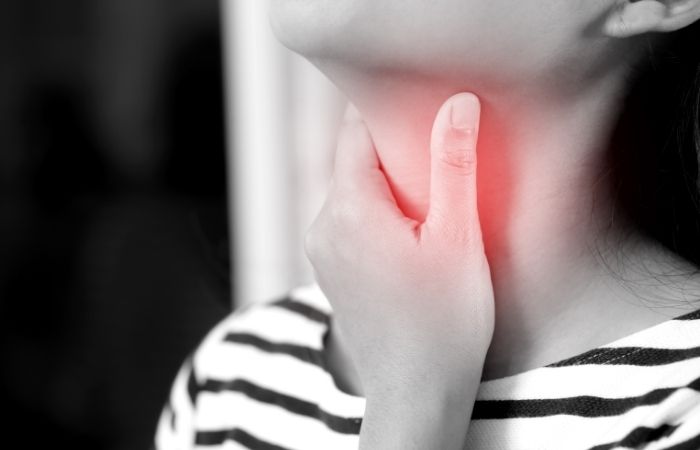
Most people associate a sore throat with strep, allergies, dry air, or a passing virus. But when it lingers, returns, or comes with additional symptoms like body aches or night sweats, it’s time to consider deeper causes. Throat infections from oral sex, acute HIV, and even Hepatitis A in rare cases can include pharyngitis or discomfort swallowing.
If you recently had oral sex and develop sore throat plus fever or fatigue, even without visible sores or lesions, consider throat-based STDs. Gonorrhea can infect the throat silently, as can chlamydia, often without triggering the kind of swelling that strep does. Testing options exist specifically for oral STDs and can be done with a throat swab at home or in clinics.
There’s no shame in wondering. The only mistake is assuming you already know.
Let’s Talk About Fatigue, Because It’s Not “Just in Your Head”
One of the most common reasons people ignore hepatitis or early HIV symptoms is because they chalk the fatigue up to stress. And to be fair, chronic stress does wear the body down. But the kind of exhaustion that comes with an active viral infection is different. It doesn’t lift after a day off. It doesn’t disappear with caffeine. It sits in your bones. And when paired with changes in appetite, mild fever, or yellowing in the whites of your eyes, it’s time to stop self-blaming and start investigating.
Fatigue is one of the earliest symptoms of both Hepatitis B and C. It’s not laziness. It’s not low iron (although that’s worth checking too). It’s your immune system working overtime. Don’t wait for jaundice to appear before taking it seriously. Many people with hepatitis never develop visible yellowing, but they still carry and transmit the virus.
If you’ve been feeling off and can’t shake it, an at-home hepatitis test might be the fastest way to move from worry to action.
Check Your STD Status in Minutes
Test at Home with Remedium10-in-1 STD Test Kit
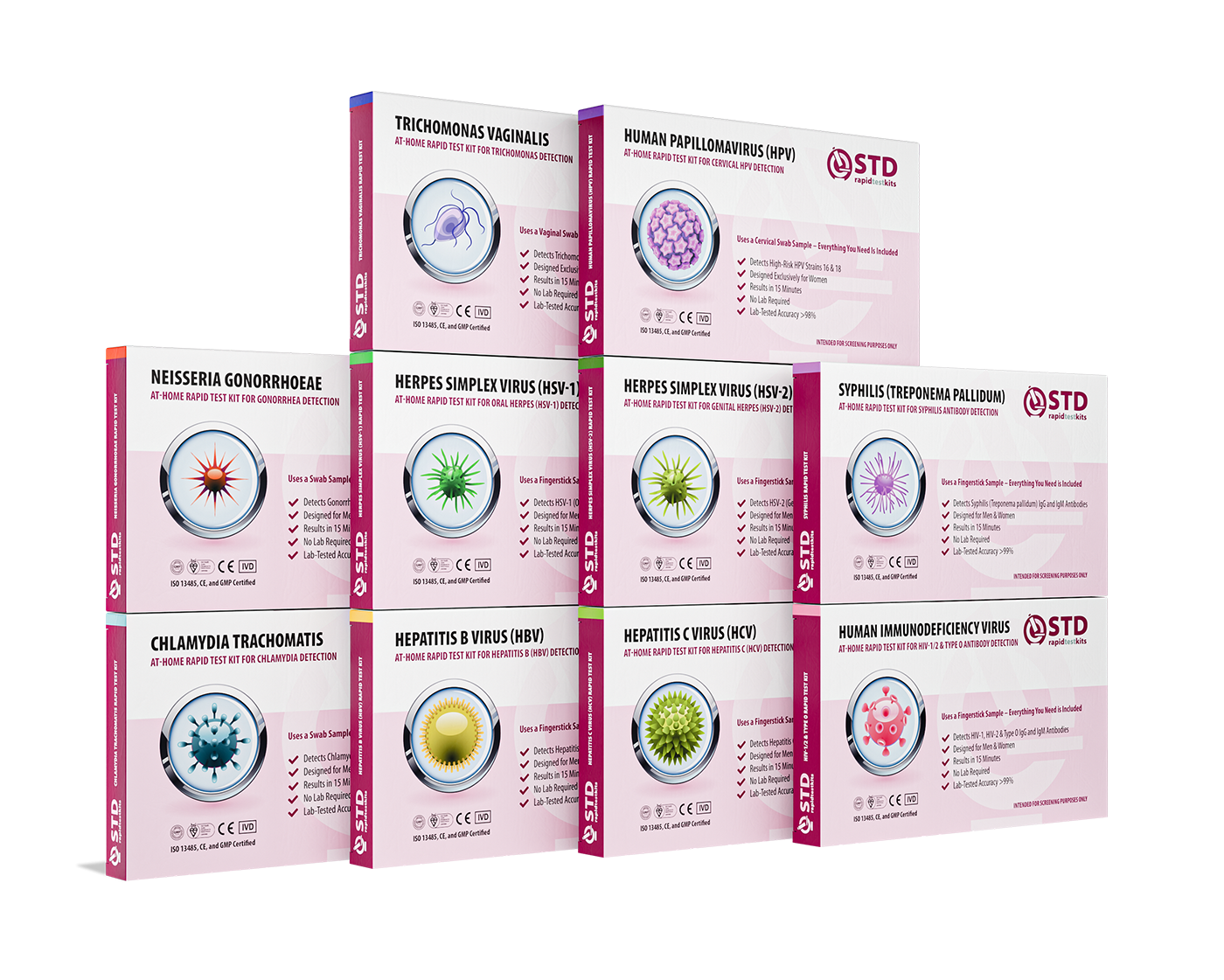
 For WomenResults in MinutesNo Lab NeededPrivate & Discreet
Order Now $189.00 $490.00
For all 10 tests
What to Do If You Test Positive
First: breathe. Finding out you have Hepatitis B or C can feel like the ground has shifted beneath you, but you’re not alone, and you have options. Antiviral medications are available. Some cases of Hep A resolve on their own with rest and fluids. For Hep B, treatment may include ongoing monitoring or medication depending on whether the infection is acute or chronic. Hep C is now curable with direct-acting antivirals in most cases.
Second: avoid alcohol, get blood work to assess liver health, and let your provider know about any medications you’re taking. If you have a partner or share household items, now’s the time to have an honest conversation, especially about razors, toothbrushes, and sex. Transmission prevention is part of care, not shame.
Deven, 41, found out he had chronic Hep B after donating blood. “I didn’t even know it was an STD,” he said. “I thought you only got it from needles. I had no idea I could give it to someone through sex.” Education matters. And so does knowing that having hepatitis doesn’t make you dirty. It makes you human.
You can move forward, safely, confidently, and without shame. Knowing is the first step. Testing makes it possible.
FAQs
1. Can hepatitis actually feel like a cold?
Yep, and that’s the tricky part. You might feel rundown, feverish, and wiped out in a way that screams “flu.” But if you’ve recently had unprotected sex, shared a razor, or even just partied a little hard, don’t brush it off too quickly. Hepatitis often walks in wearing a cold’s clothes.
2. My throat hurts but I tested negative for strep. Should I be worried?
If you also feel unusually tired, had a recent hookup, or your symptoms came out of nowhere, it’s worth testing, especially if you’ve ruled out strep, COVID, and flu. Throat-based STDs and early hepatitis can sneak in under the radar. Don’t gaslight yourself into ignoring it.
3. How long does it take for hepatitis symptoms to show up?
Usually a few weeks, sometimes up to three months. That’s why the timing can feel off. You might not link a random sore throat in January to a drunken hookup from early December, but your liver could. The virus takes its time, and symptoms don’t always show up on schedule.
4. I’m exhausted all the time. Could that be an STD?
Honestly? Maybe. Chronic, drag-you-down fatigue is one of the most ignored signs of Hepatitis B, Hepatitis C, and sometimes early HIV. If sleep, diet, and stress management aren’t helping, it’s worth checking what’s going on under the hood.
5. Can I get hepatitis from oral sex?
If blood or open sores are involved, yes. A bleeding gum, a cut in your mouth, even aggressive brushing before sex, all of that can create risk. Saliva alone isn’t the issue. It’s the tiny things we don’t see that open the door.
6. What if I already got tested and it was negative?
Timing matters more than most people think. If you tested too early, say, within the first couple weeks of exposure, the virus might not have been detectable yet. That’s why a retest around the 6–12 week mark (depending on the STD) is usually the smart move.
7. Does hepatitis always cause jaundice?
Not even close. People imagine they’ll turn yellow overnight, but many never show it at all. Jaundice usually shows up after the liver’s already under serious stress. You can be infected and contagious long before anything shows up in the mirror.
8. Is home testing really private?
Totally. The kit arrives in plain packaging, no flashing labels, no awkward pharmacy pickup. You can swab, prick, or pee in the privacy of your bathroom, and you’ll have results in minutes or a few days, depending on the type. No one else has to know unless you want them to.
9. What do I do if I test positive?
First, don’t panic. Hepatitis is treatable, and in some cases, even curable. You'll want a doctor to confirm and guide next steps, but in the meantime, avoid alcohol, tell your partners, and take a deep breath. You’ve got options, and you’re not alone.
10. Still not sure if you should test?
Ask yourself this: If a friend described exactly what you're feeling right now, would you tell them to get checked? If the answer is yes, then you already know what to do. Trust yourself. Your peace of mind is worth it.
It’s Not Just a Cold. It’s Your Health Talking.
When your body keeps whispering through fatigue, fever, or a sore throat that won’t quit, it might be saying more than “you’re getting sick.” It might be pointing toward an infection that doesn’t show up in obvious ways. Hepatitis doesn’t scream. It murmurs, and waits.
If you’ve had a recent exposure, even if it seemed small or low-risk, testing now could save you weeks, months, or years of uncertainty. Don’t wait for jaundice or a hospital visit. Take back the narrative before symptoms turn into damage. You can begin with a discreet Combo STD Test Kit that looks for the most common infections, like Hepatitis B and C. That's peace of mind: quick, private, and painless.
How We Sourced This Article: We combined current guidance from leading medical organizations with peer-reviewed research and lived-experience reporting to make this guide practical, compassionate, and accurate.
Sources
1. CDC – Hepatitis B Information
2. Mayo Clinic – Hepatitis C Overview
3. What Hepatitis B Feels Like (Before You Even Know) – CDC
4. Early Clues Your Body Might Have Hepatitis C – CDC
5. Feeling Off? Here’s How Hepatitis B Might Show Up – Mayo Clinic
6. Hepatitis C Explained: Symptoms, Causes & Risks – Mayo Clinic
7. Hepatitis A: Symptoms and Causes – Mayo Clinic
8. Viral Hepatitis: What It Is, Symptoms, Causes & Treatment – Cleveland Clinic
9. Fatigue in Patients with Chronic Hepatitis B – NIH/PMC
About the Author
Dr. F. David, MD is a board-certified infectious disease specialist focused on STI prevention, diagnosis, and treatment. He blends clinical precision with a no-nonsense, sex-positive approach and is committed to expanding access for readers in both urban and off-grid settings.
Reviewed by: S. Tran, NP-C | Last medically reviewed: January 2026
This article is meant to give you information, not to give you medical advice.


