How Do Disease Outbreaks Affect HIV Testing and Treatment Access?
When Ebola or COVID-19 strains a health system, HIV testing can fall sharply and people on treatment can find it harder to reach their medicine. Evidence from past outbreaks shows what gets lost, why a fall in diagnoses can partly reflect missed testing, and how you can keep testing and treatment on track when clinics are stretched thin.
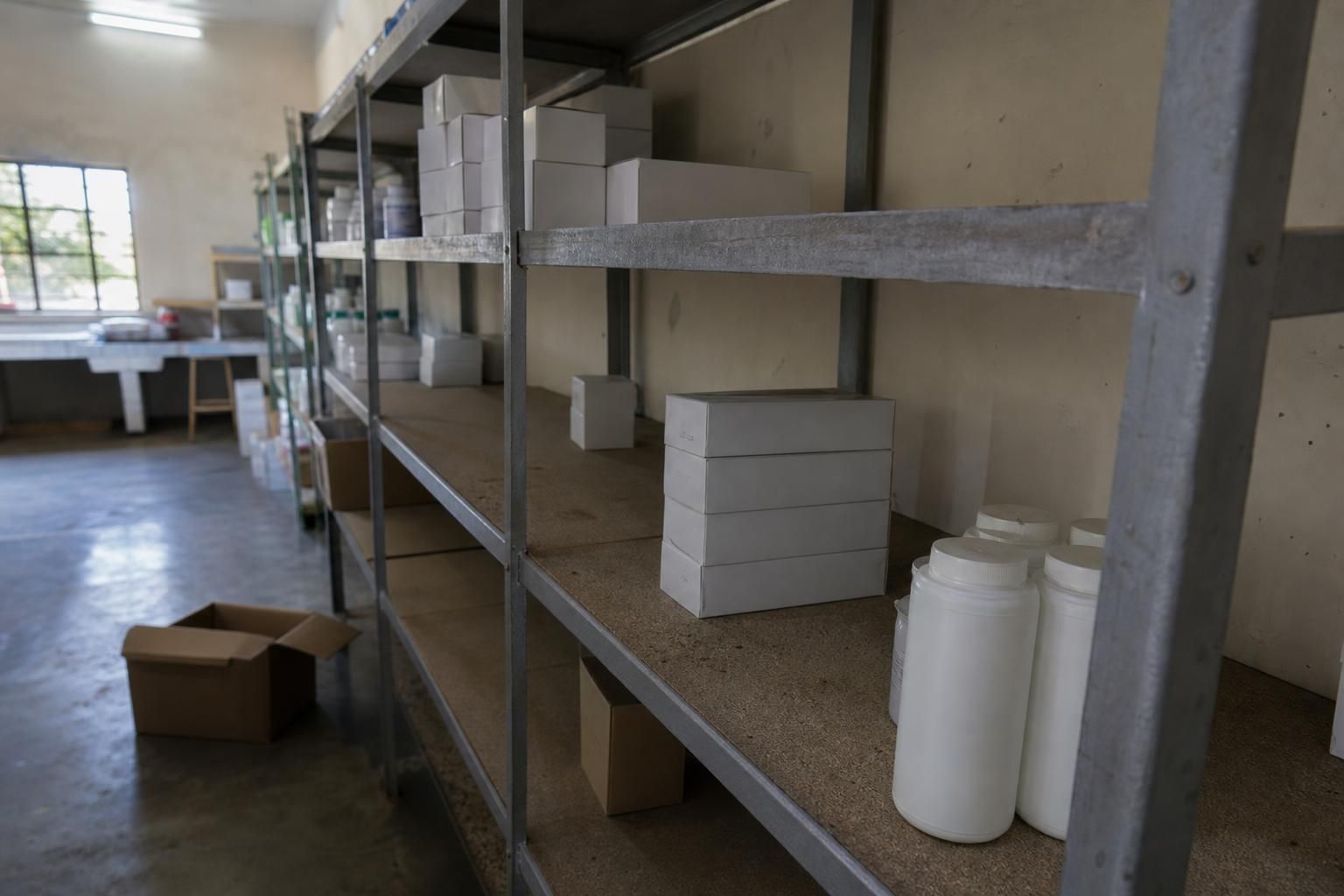



- In one Sierra Leone district, the number of people tested for HIV fell from 5,770 to 3,095 during the 2014–2015 Ebola period.
- In the U.S. in 2020, new HIV diagnoses fell 17% alongside a sharp fall in testing; CDC could not tell how much of the fall reflects missed testing versus less sexual activity or fewer infections, and urged efforts to make up missed diagnoses.
Published: October 2026 | Last updated: October 2026 | Editorial review and quality control: Martina N.
How do disease outbreaks affect HIV testing and treatment?
Outbreaks such as Ebola and COVID-19 can pull health workers, test kits and clinic time toward the emergency, and fear of infection can keep people away from facilities. HIV testing can fall sharply, which can leave infections undiagnosed, and people on treatment risk missed refills. In 2020, two large U.S. commercial laboratories reported about 1.35 million (14.7%) fewer HIV tests than in 2019, and CDC-funded testing fell by roughly 43–50% (<a href="https://www.cdc.gov/mmwr/volumes/71/wr/mm7125a2.htm">CDC MMWR</a>).
When an outbreak hits, HIV services can slip. Health workers are often redeployed to the emergency, test kits and medicines can get stuck in strained supply chains, and people stay away from clinics they fear could expose them to the new infection. Fewer people get tested, reported diagnoses can fall partly because infections go undiagnosed, and people already on treatment can have trouble collecting their medicine.
The question is back in focus because of the 2026 Ebola outbreak in the eastern Democratic Republic of the Congo. UNAIDS reported in May 2026 that, according to community organizations there, fear of exposure to Ebola in health facilities is leading some people living with HIV to avoid community antiretroviral therapy (ART) distribution points and to delay or miss clinic appointments (UNAIDS). UNAIDS says it is supporting efforts to keep HIV treatment and care running without interruption.
For the global response, see our piece on the UNAIDS 2025 report on PrEP, testing and HIV care.
Why outbreaks pull resources away from HIV care
HIV care depends on routine: steady testing, a reliable supply of medicine, and follow-up visits for lab monitoring. An outbreak can break several of those links at once.
- Staff. In emergencies, the nurses, laboratory technicians and community health workers who run HIV testing are often redirected to the outbreak response, such as case finding, isolation units and contact tracing.
- Supplies. HIV test kits and ART, the daily medicines that control HIV, can depend on the same transport and budgets as the emergency response. When those are diverted, stock at clinics can run low.
- Fear of the clinic. Ebola disease has an average case fatality rate of around 50%, with past outbreaks ranging from 25% to 90% (WHO). Fear of infection can keep people away from health facilities, as the reports from the DRC above show.
- Stigma and restrictions. Movement limits, closed outreach programs and stigma toward groups already marginalized in HIV care make it harder still to reach the people most likely to need a test.
The stakes are highest where HIV is most common. At the end of 2025, an estimated 41.0 million people were living with HIV, 64% of them in the WHO African Region, and an estimated 1.2 million people acquired HIV that year (WHO HIV fact sheet). Those are global and regional figures; they describe populations, not any one reader's risk.
What happened to HIV testing during Ebola and COVID-19
In both outbreaks, HIV testing fell sharply.
In Bonthe district in rural Sierra Leone, a remote district with only five Ebola cases, researchers used routine program records to compare the 11 months before the 2014 Ebola outbreak with the 11 months during it (Gamanga et al., Public Health Action, 2017). General-population HIV testing fell by almost half. In this district, the share of people who tested positive and started ART did not fall. It rose, although the difference was not statistically significant. The study covers one district, so it cannot tell us what happened to treatment starts elsewhere.
In the United States, a far better-resourced health system, data from two large commercial laboratories show HIV screening tests falling below half of 2019 levels within weeks of the pandemic's start (CDC MMWR, 2022). The CDC report notes that the fall in new diagnoses mirrored the fall in testing. Some infections were probably missed, though the report cannot separate this from reduced sexual activity or a real fall in new infections. The report does not measure whether the people who were diagnosed went on to start treatment.
HIV testing during two outbreaks, in numbers
- Bonthe, Sierra Leone: the study compared June 2013–April 2014 (before Ebola) with June 2014–April 2015 (during it). The fall in general-population HIV testing was statistically significant (P < 0.001).
- Bonthe: 62% (33 of 53) of people who tested positive started ART before Ebola, and 81% (33 of 41) during it (P = 0.06, not statistically significant).
- United States, 2020, HIV screening tests reported by two commercial laboratories: testing fell below half of 2019 levels by week 12 of the year.
Why a missed HIV test has consequences long after the outbreak ends
Someone with undiagnosed HIV cannot start treatment, and they can pass the virus on without knowing they have it. The outbreak eventually ends, but those months of missed diagnosis carry on. People are diagnosed later, sometimes only after HIV has already damaged their immune system, and they may have passed it on in the meantime.
Testing is the step that global HIV targets depend on. In 2025, 88% of people living with HIV knew their status, 89% of those were receiving ART, and 95% of people on ART had a suppressed viral load (WHO). Testing is the first of those three steps. Without a diagnosis, the other two cannot happen.
The benefit of treatment is large, which is why a delayed diagnosis matters so much. HIV is a manageable long-term condition for people who are diagnosed and stay on medicine. Reaching an undetectable viral load also protects partners.
People with HIV who maintain an undetectable viral load have effectively no risk of transmitting HIV through sex, and a significantly lower risk of transmission through other means (such as shared needles).
If you are on HIV treatment when services are disrupted
The most important rule is the simplest: keep taking your medicine as prescribed. Taking HIV medicines exactly as prescribed lowers the risk of drug resistance, where the virus changes so a medicine no longer controls it (HIVinfo, NIH). Stretching a supply by skipping doses can undo the control that treatment gives you.
A few practical steps reduce the risk of a gap:
- Ask for your refill as soon as you hear about an outbreak or disruption, not when you are down to the last few days.
- Ask your prescriber or pharmacist whether a longer supply is possible, and which other pharmacy or clinic can fill your prescription if yours closes.
- Keep a written note of each medicine name, dose and schedule, so another provider can continue the same regimen. If you receive long-acting injections, ask now what the plan is if an appointment is missed.
- Ask whether follow-up visits can move to telehealth while in-person care is limited.
If you take PrEP to prevent HIV, the same planning applies: ask your prescriber early about refills and about the regular HIV testing that PrEP requires.
Viral load monitoring, the blood test that shows whether treatment is working, is a laboratory test. No home kit measures it, including ours.
Contact your prescriber or pharmacist before you change how you take it. Do not cut doses or switch to a different medicine on your own. If you cannot reach your usual clinic, a clinician can often help bridge the gap if you bring your medicine names and doses. Some regimens, including long-acting injections, may need your HIV clinic.
Getting tested when clinic testing is cut back
Testing does not have to stop when a clinic cuts its hours. Community testing programs, pharmacies and self-tests can fill part of the gap. The CDC recommends that everyone aged 13 to 64 get tested for HIV at least once. It notes that a self-test can be done at home or in a private place, with results within 20 minutes (CDC). The same page is clear on the limit: if a self-test is positive, get laboratory testing to confirm the result.
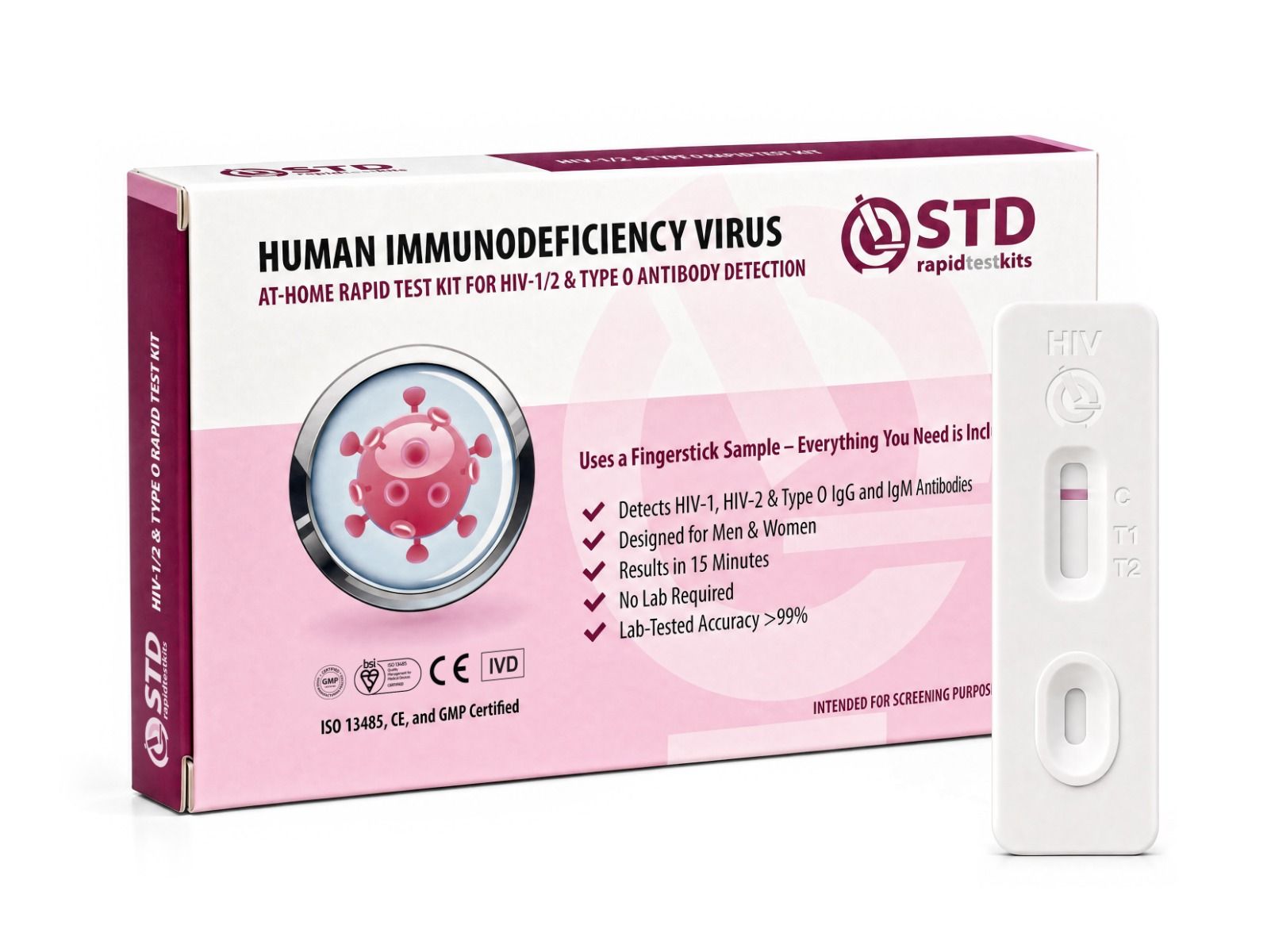
stdrapidtestkits.com sells at-home STI test kits, including the HIV test described below. Our at-home HIV antibody test is a fingerstick blood test that detects antibodies to HIV-1, HIV-2 and HIV-1 group O. It is not a fourth-generation antigen/antibody test or an RNA test. It is a preliminary screen: a reactive result needs laboratory confirmation, and a negative result does not rule out a recent infection. Per the manufacturer's instructions, it is read at 10 minutes and should not be read after 20. In the manufacturer's insert, the kit agreed with a commercial HIV antibody ELISA on 187 of 187 positive and 699 of 702 negative clinical specimens. That is agreement with another antibody test, not a measure of how early the kit detects a new infection. The insert does not state how the study specimens were collected, and the manufacturer publishes no figure for self-collected samples or results read at home.
Timing matters more than the brand of test. Antibody tests, including most rapid tests and self-tests, can usually detect HIV 23 to 90 days after exposure (CDC), so a negative before 90 days may need repeating. Our explainer covers how antibody testing fits alongside newer HIV treatments.
A self-test is the wrong first step in some situations. If you have symptoms, a partner who has been diagnosed with HIV, are pregnant, or had a possible exposure within the last 72 hours, see a clinician, even if that means traveling farther than usual.
After a possible exposure, PEP cannot wait for services to reopen
Post-exposure prophylaxis (PEP) is HIV medicine taken after a possible exposure to stop the infection from taking hold. It must be started within 72 hours, and people prescribed it take it daily for 28 days (CDC). That deadline does not move because a local clinic is closed or overwhelmed. If your usual provider is unavailable, an emergency department or urgent care center can assess you for PEP.
A test straight after the exposure cannot show whether that exposure infected you, because no test detects HIV that early (see the windows above). Do not put off going in to test at home first. Ask the clinician which tests they will do at the visit and when to come back for follow-up testing.
This article summarizes current guidance from unaids.org, the U.S. National Institutes of Health (NIH), the U.S. Centers for Disease Control and Prevention (CDC) and the World Health Organization (WHO) and the other sources listed below. Each specific figure or recommendation links to the page that states it, and every page used is listed under Sources with what it supports. It is general health information written by our editorial staff, not a diagnosis or a treatment plan; how we choose topics and use sources is described in our editorial policy.
- UNAIDS. UNAIDS supports efforts to ramp up Ebola and HIV response amid evolving Ebola situation in the Democratic Republic of the Congo and Uganda (press release, May 2026). Community reports of people living with HIV avoiding ART distribution points and missing clinic appointments for fear of Ebola exposure; efforts to keep HIV treatment uninterrupted.
- Gamanga AH et al. The Ebola outbreak: effects on HIV reporting, testing and care in Bonthe district, rural Sierra Leone. Public Health Action, 2017. HIV testing 5,770 vs. 3,095 people; ART initiation 62% vs. 81% (P = 0.06).
- U.S. Centers for Disease Control and Prevention. MMWR: HIV Testing Before and During the COVID-19 Pandemic, United States, 2019–2020 (June 2022). 14.7% fewer tests, 42.6% and 49.5% declines in CDC-funded tests, 17% fewer diagnoses.
- U.S. Centers for Disease Control and Prevention. Getting Tested for HIV (updated September 2026). Testing recommendation for ages 13–64, self-test use and confirmation, window periods for NAT, antigen/antibody and antibody tests.
- U.S. Centers for Disease Control and Prevention. Post-Exposure Prophylaxis (PEP). Start within 72 hours; take daily for 28 days.
- World Health Organization. HIV and AIDS fact sheet (July 2026). People living with HIV at end of 2025, share in the WHO African Region, new infections, and testing, treatment and viral suppression coverage in 2025.
- World Health Organization. Ebola disease fact sheet (April 2025). Average case fatality rate around 50%, ranging from 25% to 90% in past outbreaks.
- U.S. National Institutes of Health, HIVinfo. HIV Treatment: The Basics (reviewed January 2025). Adherence and drug resistance; undetectable viral load and transmission.