






Quick Answer: If a condom breaks, the smartest move is to test based on STD window periods. Most infections can be reliably detected 14 days after exposure, while HIV and syphilis may require testing at 3–6 weeks for peak accuracy. A full panel test is often the safest strategy.
This Happens More Than You Think
Condoms reduce risk dramatically, but they are not indestructible. Breakage and slippage happen, especially with incorrect sizing, expired condoms, insufficient lubrication, or prolonged friction. According to public health guidance from the Centers for Disease Control and Prevention, condom effectiveness depends heavily on consistent and correct use, and “correct” in real life isn’t always perfect.
I’ve talked to patients who describe the same moment. A college sophomore who whispered, “It was just one time.” A married dad who said, “I never thought I’d be back here at 38.” A woman in a new queer relationship who asked, “Do we both need to test for everything?” Different stories. Same pulse of fear.
The truth is simple: a broken condom creates potential exposure. It does not automatically mean infection. What matters now is timing and smart testing.
What Are You Actually At Risk For?
When people search “can you get HIV if a condom breaks,” what they’re really asking is: How bad is this? The answer depends on the type of sex, the partner’s status, and local prevalence rates. But broadly speaking, a condom failure during vaginal or anal sex can expose you to infections transmitted through bodily fluids or skin-to-skin contact.
The most common concerns after a condom break include chlamydia, gonorrhea, trichomoniasis, syphilis, HIV, and sometimes hepatitis B. Skin-to-skin infections like herpes or HPV can transmit even when condoms remain intact, which surprises many people.
But here’s where we slow down the anxiety. Transmission risk from a single encounter varies. Not every exposure results in infection. Testing is about clarity, not confession.
Window Periods: The Part Google Doesn’t Explain Well
The biggest mistake people make after a condom breaks is testing too early. You wake up the next morning, feel completely normal, and consider driving straight to a clinic. Or you take an at-home rapid test three days later and cling to a negative result. The problem? Your body may not have produced enough detectable markers yet.
This gap between exposure and reliable detection is called the window period. It’s not about symptoms. It’s about biology.
Below is a simplified master table to help you understand when different infections become detectable and when accuracy peaks.
| Infection | Common Test Type | Earliest Detection | Best Accuracy Window |
|---|---|---|---|
| Chlamydia | NAAT (urine or swab) | 7 days | 14 days+ |
| Gonorrhea | NAAT (urine or swab) | 7 days | 14 days+ |
| Trichomoniasis | NAAT or rapid antigen | 5–7 days | 14–28 days |
| Syphilis | Blood antibody test | 3 weeks | 6 weeks+ |
| HIV | 4th gen Ag/Ab blood test | 18–21 days | 6 weeks+ |
Notice the pattern. The two-week mark matters for many bacterial infections. HIV and syphilis require more patience. Testing on day three tells you almost nothing.
This is why the smartest approach after a condom break often involves two steps: early baseline testing if anxiety is high, followed by a definitive test at the peak accuracy window.

People are also reading: STD in Your Throat? What Oral Chlamydia Feels Like
Do You Need a Full STD Panel or Just One Test?
Here’s a micro-scene I see constantly. Someone decides they’re only worried about HIV. They take a rapid HIV test at home. It’s negative. Relief floods in. But they never test for chlamydia or gonorrhea, which are statistically far more common.
Unless you have very specific information about your partner’s status, a combo or full panel test is usually the most rational move. After all, exposure doesn’t discriminate. If bodily fluids were exchanged, multiple pathogens are theoretically possible.
That’s why many people choose a comprehensive option like a discreet at-home STD testing kit that screens for several infections at once. It simplifies the process and reduces the mental math of deciding which infections “count.”
The smartest way to test for multiple STDs isn’t to panic-test randomly. It’s to time your panel strategically and choose a test that matches the window period.
Rapid Test vs Lab Test After a Condom Break
Imagine two different people. One is sitting in their car outside a pharmacy, hands shaking, wanting immediate reassurance. The other person is calm but methodical and willing to wait for lab-level sensitivity. Both ways are correct. The timing and goals are what make the difference.
Rapid tests provide fast answers. Lab-based NAAT tests often provide the highest sensitivity for bacterial infections. The right choice depends on how many days have passed and how much uncertainty you can tolerate.
| Factor | At-Home Rapid Test | Lab-Based NAAT Test |
|---|---|---|
| Speed | Results in minutes | 1–3 days after sample processing |
| Privacy | Very high, no clinic visit | High, but involves lab handling |
| Best Use Timing | After window period begins | After 7–14 days for peak bacterial detection |
| Ideal For | Immediate reassurance or screening | Definitive confirmation testing |
If it’s only been 48 hours, neither option will give definitive answers for most infections. That’s the hard truth. If it’s been two weeks, a properly timed combo test can offer meaningful clarity.
And clarity, not fear, is the goal.
The First 72 Hours: What Actually Matters
The morning after a condom breaks feels louder than it should. Your phone buzzes. Coffee tastes different. Every sensation in your body feels suspicious. A slight itch becomes a possible symptom. A random twinge feels ominous. This is anxiety doing what anxiety does best, scanning for danger.
Here’s what actually matters in the first 72 hours. Most bacterial STDs like chlamydia and gonorrhea cannot be reliably detected yet. Your immune system has barely begun reacting. Testing immediately may give you a negative result that feels comforting but is biologically premature.
If HIV exposure risk feels significant, such as unprotected receptive anal sex with a partner of unknown status, this is the window where post-exposure prophylaxis, known as PEP, may be discussed with a healthcare provider. PEP must be started within 72 hours to reduce HIV infection risk. That decision is urgent and time-sensitive. Routine STD testing, however, is about timing, not speed.
This distinction is important. Emergency HIV prevention decisions happen quickly. Most other STD tests work best when you allow the window period to mature.
No Symptoms Doesn’t Mean No Risk
Three days after sex, you feel normal. A week passes. Still nothing. The temptation to relax is strong. You search “no symptoms after condom broke” and hope that silence equals safety.
Here’s the uncomfortable truth: most bacterial STDs are frequently asymptomatic. Many people with chlamydia or gonorrhea feel completely fine. Early HIV can feel like nothing at all. Even syphilis can present with a painless sore that goes unnoticed.
Symptoms are unreliable narrators. Testing is the only definitive answer.
Think of it this way. Symptoms are like smoke alarms. They’re helpful when they go off. But the absence of an alarm doesn’t prove there’s no fire. It just means the detector hasn’t been triggered.
Check Your STD Status in Minutes
Test at Home with Remedium7-in-1 STD Test Kit
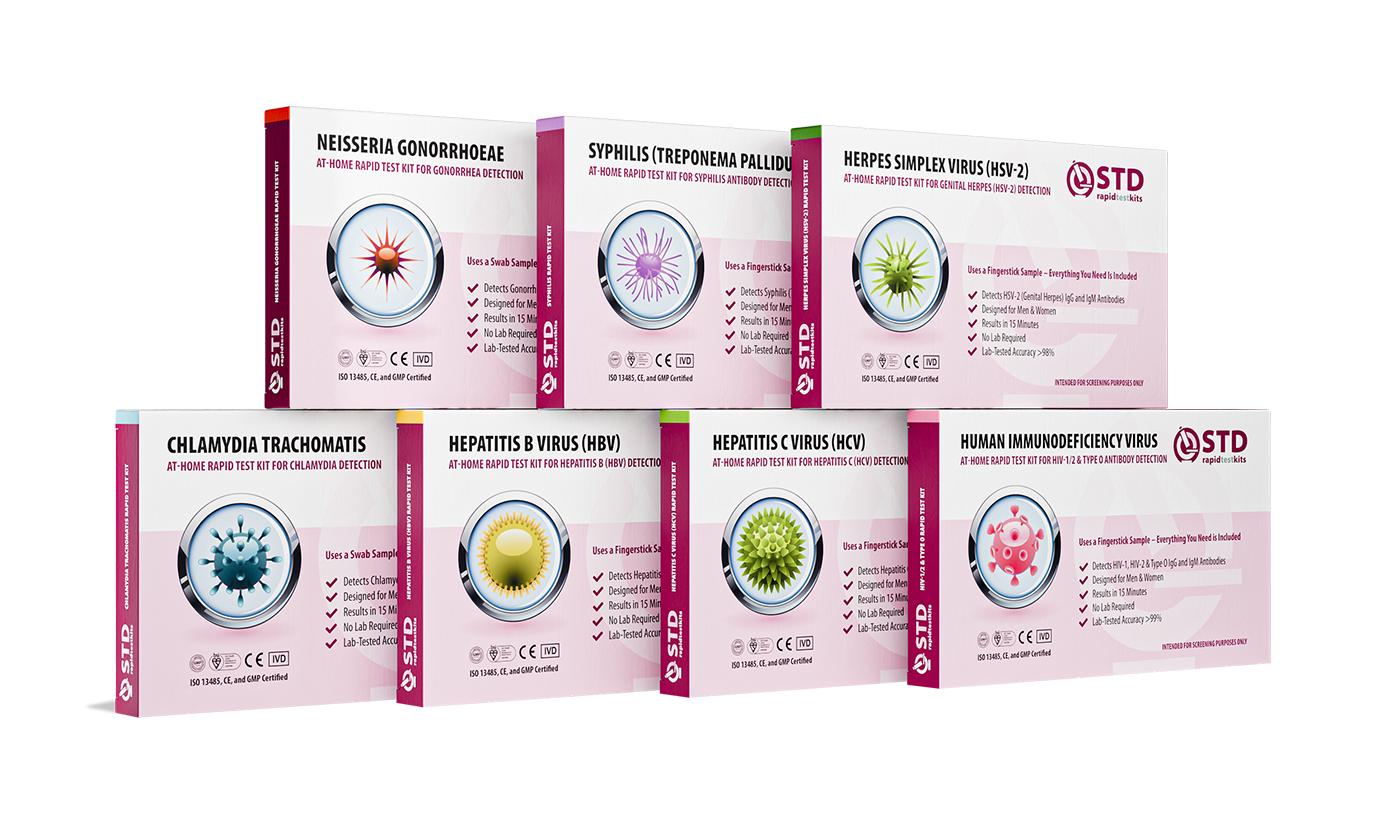
 For Men & Women
 Results in Minutes
 No Lab Needed
 Private & Discreet
Order Now $129.00 $343.00
For all 7 tests
The Smart Testing Timeline After a Condom Break
Let’s create a grounded, realistic plan. Imagine someone named Maya. The condom broke on a Saturday night. She feels anxious by Monday. By Wednesday she’s deep into search threads about STD anxiety after sex. Instead of panic-testing randomly, she chooses a staged approach.
Below is what that structured timeline can look like when testing for multiple STDs after exposure.
| Time Since Exposure | Recommended Action | Reasoning |
|---|---|---|
| 0–3 Days | Assess HIV risk and consider medical advice for PEP if applicable | PEP must begin within 72 hours if indicated |
| 7 Days | Optional early test for chlamydia/gonorrhea | Some infections may begin to show, but retesting may still be needed |
| 14 Days | Full panel test for common bacterial STDs | Peak detection window for most bacterial infections |
| 3–6 Weeks | HIV and syphilis blood testing | Antibody production reaches reliable levels |
| 6–12 Weeks | Final HIV confirmation if high concern | Gives the most accurate results for late seroconversion |
This timeline isn't meant to make you feel worse. It's about ending the unknown with a plan. When you know exactly when to test, the waiting becomes structured instead of chaotic.
What If It Was “Just One Time”?
I hear this sentence constantly. “It was just one time.” As if risk only applies to repeated behavior. Transmission probability does not care about frequency. It cares about exposure.
At the same time, it’s important not to catastrophize. A single condom break does not automatically equal infection. Risk depends on whether your partner carried an infection, what type of sex occurred, and biological variables like viral load.
The healthiest mental stance is neither denial nor disaster. It’s curiosity followed by testing.
Should Your Partner Test Too?
After the initial shock settles, another layer often appears. “Do I tell them?” “Do we both need to test?” These questions carry emotional weight, especially in new relationships.
The practical answer is yes, mutual testing is wise. If the condom broke, both partners shared the same exposure event. Framing the conversation around shared responsibility rather than blame can transform the tone entirely.
One patient once told me she texted, “Hey, that condom situation freaked me out a bit. I’m going to test in two weeks for peace of mind. Want to do it together?” The partner agreed instantly. What felt like a confession became collaboration.
When Anxiety Is Louder Than the Risk
Sometimes the real battle isn’t biological. It’s psychological. You start noticing everything. A random itch. A headache. A sore throat. You convince yourself it’s acute HIV symptoms three days post-exposure, even though that timeline doesn’t biologically align.
This is common. It doesn’t mean you’re irrational. It means uncertainty is uncomfortable.
The antidote to anxiety isn’t endless Googling. It’s a clear, timed testing plan and following through. When you replace guessing with scheduled action, your nervous system gradually quiets.
Choosing a Combo Test vs Individual Tests
When people search “full STD panel after unprotected sex,” what they’re really asking is whether they’re overreacting by testing for everything. The answer is usually no. A combo test is often the most efficient and emotionally relieving strategy after condom failure.
Instead of selecting individual tests based on fear, a multi-STD kit screens for the most common infections in one step. That efficiency matters. It prevents the cycle of testing for one infection, waiting, then worrying about another.
If you’re looking for a discreet option that allows you to test privately at home, a comprehensive panel from STD Rapid Test Kits can streamline the process without requiring a clinic visit. Testing becomes something you control, not something that controls you.
Peace of mind is not dramatic. It’s quiet. It’s scheduled. It’s informed.
What About HIV Risk Specifically?
Let’s talk about the question that usually sits at the center of the storm: “Can you get HIV if a condom breaks?” It’s the one that spikes your pulse. The one that makes everything else feel secondary.
HIV transmission risk depends heavily on the type of exposure. Receptive anal sex carries higher statistical risk than vaginal sex. Insertive roles carry different probabilities. Viral load of the partner matters enormously. If a partner is on effective treatment with an undetectable viral load, transmission risk is dramatically reduced.
But here’s what’s steady and grounding: modern HIV testing is highly accurate when timed correctly. A fourth-generation antigen/antibody blood test can often detect infection between 18 and 45 days after exposure. Testing too early creates uncertainty. Testing at the proper window creates clarity.
If HIV anxiety is dominating your thoughts, schedule a properly timed test and consider a follow-up at six weeks for confirmation. That’s not fear-based advice. It’s precision-based advice.
Pregnancy Panic vs STD Risk
When a condom breaks during vaginal sex, two separate concerns can collide: pregnancy and infection. These are biologically different timelines with different interventions. Emergency contraception is most effective within 72 hours, with some options extending slightly longer. STD testing, as we’ve discussed, revolves around window periods that often extend beyond two weeks.
I’ve seen people focus entirely on pregnancy prevention and forget about infection testing. I’ve also seen the reverse. The healthiest response acknowledges both pathways without conflating them.
Handling one concern does not automatically address the other. A negative pregnancy test at two weeks does not rule out chlamydia. A negative STD test at day five does not rule out pregnancy. Separate issues require separate timing strategies.

People are also reading: The New HIV Prevention Option That Only Requires Two Doses a Year
When Symptoms Do Show Up
Most people won’t develop symptoms quickly. But sometimes, something does appear. A burning sensation during urination. Unusual discharge. A rash. A sore. The immediate assumption is often catastrophic.
If symptoms develop within a week, bacterial infections like gonorrhea or chlamydia become more plausible. A painless sore appearing weeks later may suggest syphilis. Flu-like symptoms two to four weeks later can cause panic about acute HIV, though many common viruses produce identical symptoms.
The key point is this: symptoms accelerate testing. If you develop new, concerning signs, you do not need to wait for the ideal window period. You seek evaluation. Testing in the presence of symptoms shifts the timeline.
Why Testing Too Early Can Backfire
There’s a subtle psychological trap here. Early testing feels proactive. It feels responsible. But if it’s done before the infection is detectable, it can produce false reassurance.
Imagine someone tests for chlamydia five days after exposure and receives a negative result. Relief washes over them. They resume sexual activity. Ten days later, a repeat test is positive. The infection wasn’t new. It was simply too early to detect.
This is why structured retesting matters. If you test before 14 days for bacterial STDs, plan a second test at the two-week mark. For HIV, if testing occurs before six weeks, schedule a confirmatory follow-up. Accuracy improves with time.
Discreet Testing and Privacy Concerns
Not everyone feels comfortable walking into a clinic. Maybe you live in a small town. Maybe you share insurance with a parent. Maybe you simply don’t want to explain anything to anyone.
At-home testing has expanded because privacy matters. Discreet shipping, confidential results, and control over timing make the process less intimidating. For many people, that autonomy reduces delay.
If privacy is your top concern, ordering a multi-STD kit directly from STD Rapid Test Kits allows you to manage testing quietly and confidently. You control the timeline. You control who knows. You control the next step.
Testing isn’t about punishment. It’s about information. And information is power.
What If You Test Positive?
Let’s remove the drama from this possibility. Most bacterial STDs are treatable with antibiotics. Treatment is straightforward. Partner notification, while uncomfortable, is manageable. Life continues.
I once spoke to someone who sat in their car staring at a positive chlamydia result for twenty minutes before opening the door. They expected shame. Instead, they felt something surprising: relief. The waiting was over. There was a plan.
If you test positive, confirm the result if necessary, seek treatment promptly, and inform partners with clarity rather than accusation. Most infections caught early are resolved quickly. Untreated anxiety, on the other hand, lingers far longer.
Testing doesn’t define you. It informs you.
Check Your STD Status in Minutes
Test at Home with Remedium8-in-1 STD Test Kit
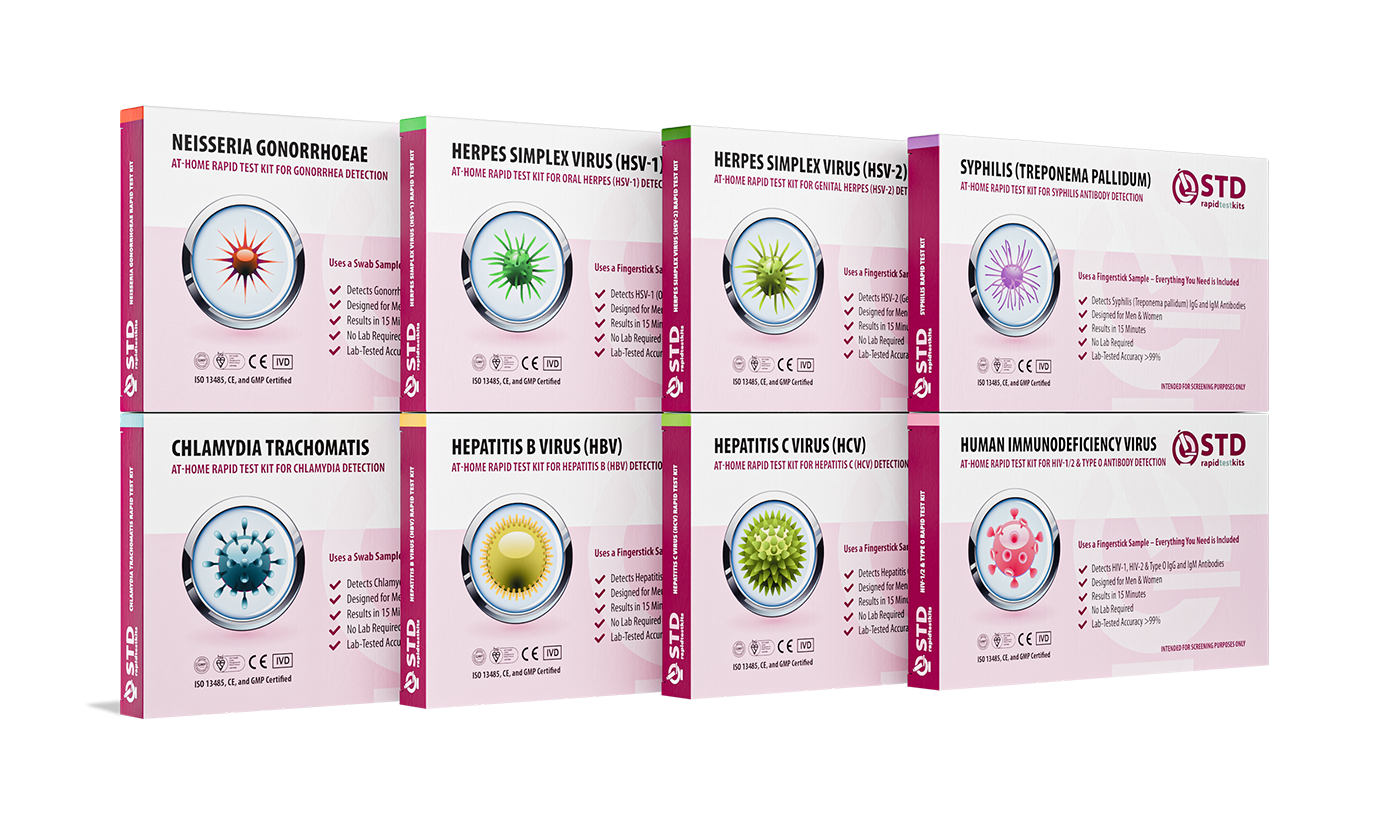 For Men & WomenResults in MinutesNo Lab NeededPrivate & Discreet
Order Now $149.00 $392.00
For all 8 tests
Before You Spiral Again, Read This
A broken condom is not a moral failure. It’s a mechanical failure. The break doesn't define this moment. It's what you do next.
You move from panic to precision. You follow window periods. You choose to test everything instead of just guessing. You test again when you need to. You put clarity before denial.
If you’re ready to take control now, a properly timed at-home combo STD test can screen for the most common infections discreetly and efficiently. Peace of mind is not dramatic. It’s deliberate.
FAQs
1. I feel completely fine. Be honest, can I just skip testing?
I get the temptation. If your body feels normal, your brain wants to close the case and move on. But here’s the investigator truth: most bacterial STDs don’t announce themselves with fireworks. Chlamydia and gonorrhea are famous for being quiet. Silence isn’t proof. It’s just silence. If a condom broke, testing at the right window gives you certainty instead of crossed fingers.
2. The condom broke last night. Is it pointless to test today?
For most infections, yes, today’s test won’t tell you much. That doesn’t mean you’re powerless. If HIV risk feels significant, the first 72 hours matter for discussing PEP with a provider. For everything else, think of testing like baking bread. You can’t pull it out of the oven five minutes in and expect it to be done. The biology needs time.
3. What if it was “just one time”?
Almost everyone says this at some point. Risk doesn’t measure morality or frequency. It measures exposure. One time can transmit an infection, but one time also often doesn’t. The healthiest stance isn’t panic or denial. It’s simple: test, know, move forward.
4. Do we both really need to test? It feels awkward to bring up.
Awkward, yes. Impossible, no. Framing matters. Try something like, “That condom situation stressed me out a bit. I’m going to test in two weeks for peace of mind, want to do it together?” Shared exposure means shared responsibility. When you approach it as teamwork, not accusation, most partners respond with relief rather than defensiveness.
5. I tested at 5 days and it was negative. Can I relax?
I want you relaxed. But I also want you accurate. Five days is often too early for reliable detection of common bacterial STDs. Early negatives can create false reassurance. If you tested before the 14-day mark, schedule a follow-up. Think of the first test as a draft, the second as the final version.
6. Is HIV the only thing I should really be worried about?
HIV tends to dominate the mental spotlight. It’s understandable. But statistically, after a condom break, infections like chlamydia or gonorrhea are more common. A full panel test covers what’s likely, not just what’s loud in your head. Smart testing means broad coverage, not tunnel vision.
7. How accurate are at-home rapid STD tests, really?
When used correctly and at the right time, many rapid tests are reliable screening tools. Timing is everything. A perfectly performed test taken too early can still mislead you. Match the test to the window period and follow instructions carefully. Accuracy improves dramatically when biology and timing align.
8. If I test positive, is my life about to implode?
No. Truly, no. Most bacterial STDs are treated with straightforward antibiotics. You take the medication, you abstain as directed, you retest if needed. The emotional weight often feels heavier than the medical reality. A positive result is information, not a character judgment.
9. Can stress cause symptoms that feel like an STD?
Stress is incredibly creative. It can amplify normal sensations and turn them into alarm bells. A mild itch becomes catastrophic in your head. A sore throat becomes “acute HIV.” Stress doesn’t create infections, but it can make your nervous system hyper-alert. When in doubt, test. Clarity quiets the spiral.
10. Is it possible the condom broke and nothing happened at all?
Absolutely. Many condom failures do not result in infection. That outcome is common. Testing isn’t about assuming disaster. It’s about confirming safety. Sometimes the smartest move isn’t dramatic, it’s simply verifying that you’re okay.
You Deserve Answers, Not Assumptions
A broken condom can send your brain into overdrive. You replay it. You Google symptoms. You try to calculate risk from memory. But assumptions aren’t answers, they’re just noise.
The calm, adult move here is testing. Not panic-testing. Timed testing. Two weeks for most bacterial STDs. Three to six weeks for HIV and syphilis if needed. Follow the biology, not the fear.
If you’re ready to replace guessing with clarity, a discreet at-home combo STD test kit can screen for the most common infections privately and efficiently.
You don’t need assumptions. You need information. And once you have it, you can exhale.
How We Sourced This Article: This guide blends current clinical recommendations from the Centers for Disease Control and Prevention, World Health Organization guidance, and peer-reviewed infectious disease research with real-world patient counseling experience.
Sources
1. CDC Sexually Transmitted Infections Treatment Guidelines
3. World Health Organization: Sexually Transmitted Infections Fact Sheet
8. Sexually Transmitted Infections (STIs) – NHS
About the Author
Dr. F. David, MD is a board-certified infectious disease specialist focused on STI prevention, diagnosis, and treatment. He combines clinical precision with a direct, stigma-free communication style to help people make informed decisions about their sexual health.
Reviewed by: Jordan L. Harper, DNP, FNP-C | Last medically reviewed: February 2026
This article is for informational purposes and does not replace medical advice.


