
Published: August 2025 | Last updated: May 2026 | Editorial review and quality control: Martina N.
The ten most common sexually transmitted infections in the United States cover a wide spread of risk. A few cause cancer when they sit untreated for years. A couple cause irreversible damage when missed. Most of them cause nothing visible at all in the first weeks or months. Knowing which is which is the difference between testing on time and finding out years too late.
This guide walks through each of the ten in plain English: how common it is, how it spreads, what it can look like, and which test actually catches it. Use it as a reference, not a diagnosis. The closing sections cover testing windows and what to do if you find yourself in the very common situation of having no symptoms but a real reason to wonder.
Key Takeaways
- Most STIs cause no symptoms in the first weeks. Routine testing finds infections that screening based on symptoms misses entirely.
- Window periods vary widely. Bacterial infections like chlamydia and gonorrhea show on tests within 1 to 2 weeks; syphilis typically within 3 to 6 weeks; HIV and hepatitis can take 3 weeks to 6 months depending on the test type.
1. Chlamydia: the most reported, mostly silent
Chlamydia is the most frequently reported bacterial STI in the United States, with about 1.6 million cases logged each year by clinicians per the CDC's STI surveillance data. Most people who carry it have no symptoms whatsoever, which is why the infection continues to spread at scale among partners who never realised they were carriers. People under 25 carry the highest burden, and screening rates have not kept pace with case counts.
When chlamydia does show, signs are easy to mistake for a urinary tract infection or post-shave irritation:
- Cloudy, white, or watery discharge from the vagina, penis, or rectum
- Burning during urination, more often dull than sharp
- Low pelvic ache or testicular ache, sometimes after sex
- Light bleeding between periods or after sex
Untreated infections can travel up the reproductive tract and cause pelvic inflammatory disease, which is one of the leading preventable causes of tubal infertility. Treatment is a short course of antibiotics, taken in full, but only if the infection is found. Annual screening is recommended for sexually active women under 25 and for anyone with a new partner per the CDC STI treatment guidelines.
2. Human papillomavirus (HPV): the hidden majority
HPV is so widespread that nearly every sexually active person will encounter at least one strain at some point in their life, according to the CDC's HPV overview. There are over 100 types. The body clears most of them on its own within 1 to 2 years. A small subset of high-risk types persists, and those are the ones that drive cervical, anal, oropharyngeal, vulvar, and penile cancers.
HPV passes through skin-to-skin contact in the genital area. Condoms reduce transmission but do not eliminate it, because the virus can live on skin not covered by latex. Most carriers feel nothing and notice nothing. Visible signs, when they appear, look like:
- Soft flesh-colored bumps, smooth or cauliflower-shaped, in clusters or alone
- Bumps on the vulva, vaginal wall, cervix, penis, scrotum, anus, or upper thighs
- For high-risk types, no visible sign at all, only abnormal cells found on a Pap smear
The HPV vaccine prevents most cancer-causing strains. Per the CDC's HPV vaccine guidance, routine vaccination is recommended through age 26, with shared clinical decision-making for adults aged 27 to 45 who were not previously vaccinated. Cervical screening with Pap and HPV tests remains the standard for detecting persistent high-risk infection. Our at-home HPV swab is validated for vaginal self-collection in women only; men needing HPV evaluation should see a clinician.

3. Gonorrhea: the comeback infection
Gonorrhea case counts climbed sharply through the 2010s and have only recently begun to decline. The CDC's 2024 STI surveillance data reports just over 540,000 gonorrhea cases nationally, alongside rising antibiotic resistance that has narrowed the list of effective treatments. Like chlamydia, it often runs silently. When it speaks up, it tends to speak loudly:
- Burning during urination that builds over a few days
- Thick, cloudy, yellow, or bloody discharge from the urethra, vagina, or rectum
- Painful, swollen testicles or sharp pelvic pain
- Sore throat from oral exposure (often missed without a swab)
Rectal and pharyngeal (throat) gonorrhea infections, common in any anatomy after receptive anal or oral sex, frequently cause no symptoms. Our at-home swab covers genital infection. For throat or rectal swabs, see a clinic, since those sample types are not currently available as at-home kits anywhere on the market. Untreated gonorrhea can spread to the bloodstream and cause joint pain, skin lesions, and rare cardiac complications.
4. Herpes (HSV-1 and HSV-2): the king of mixed signals
Herpes is one of the most common viral infections worldwide. The WHO estimates that roughly two-thirds of people under 50 carry HSV-1, the type most often associated with cold sores around the mouth, and around 13% of people aged 15 to 49 globally carry HSV-2, the type most often associated with genital outbreaks.
Either type can infect either site. HSV-1 increasingly causes genital infections through oral sex. Many carriers never have a single visible outbreak. Many transmit the virus during periods when no symptoms are present, a phenomenon called asymptomatic shedding. Visible outbreaks look like:
- Small painful blisters or shallow ulcers on genitals, mouth, or buttocks
- Tingling, itching, or burning at the site a day or two before blisters appear
- Flu-like symptoms during a first outbreak: fever, swollen glands, body aches
- Recurrent milder outbreaks at the same site, triggered by stress, illness, or hormones
Herpes is a manageable skin virus, not a verdict on character. Daily suppressive antiviral therapy reduces outbreak frequency and lowers transmission risk to partners by roughly half. Our at-home herpes panel uses a fingerstick blood draw to detect HSV-1 and HSV-2 antibodies. Antibody testing identifies past or established infection, not active lesions, so it is reliable from about 6 to 12 weeks after exposure for most people, with some assays requiring up to 16 weeks for full confidence in a negative result.
5. Syphilis: the great pretender
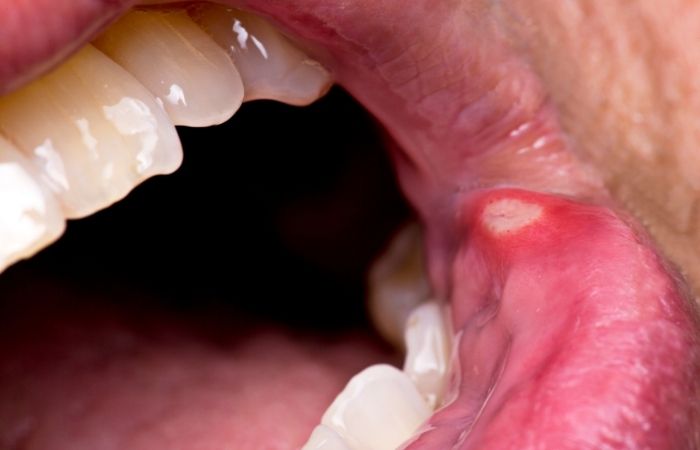
Syphilis earned its nickname for a reason. It mimics dozens of other conditions and progresses through distinct stages, each with its own pattern. Cases have risen dramatically in the past decade, with congenital syphilis (passed from parent to baby) growing fastest, per the CDC's syphilis surveillance.
- Primary stage: A single painless, firm, round sore (chancre, an ulcer that marks the site of infection). It heals on its own in 3 to 6 weeks, which is often when people stop worrying about it.
- Secondary stage: Rash on the trunk, palms, or soles, mucous patches in the mouth, swollen lymph nodes, fever, and patchy hair loss.
- Latent stage: No symptoms for months or years, but the infection is still present and still infectious to partners during early latent phase.
- Tertiary stage: Damage to heart, brain, eyes, or nerves, which can occur years after the original infection.
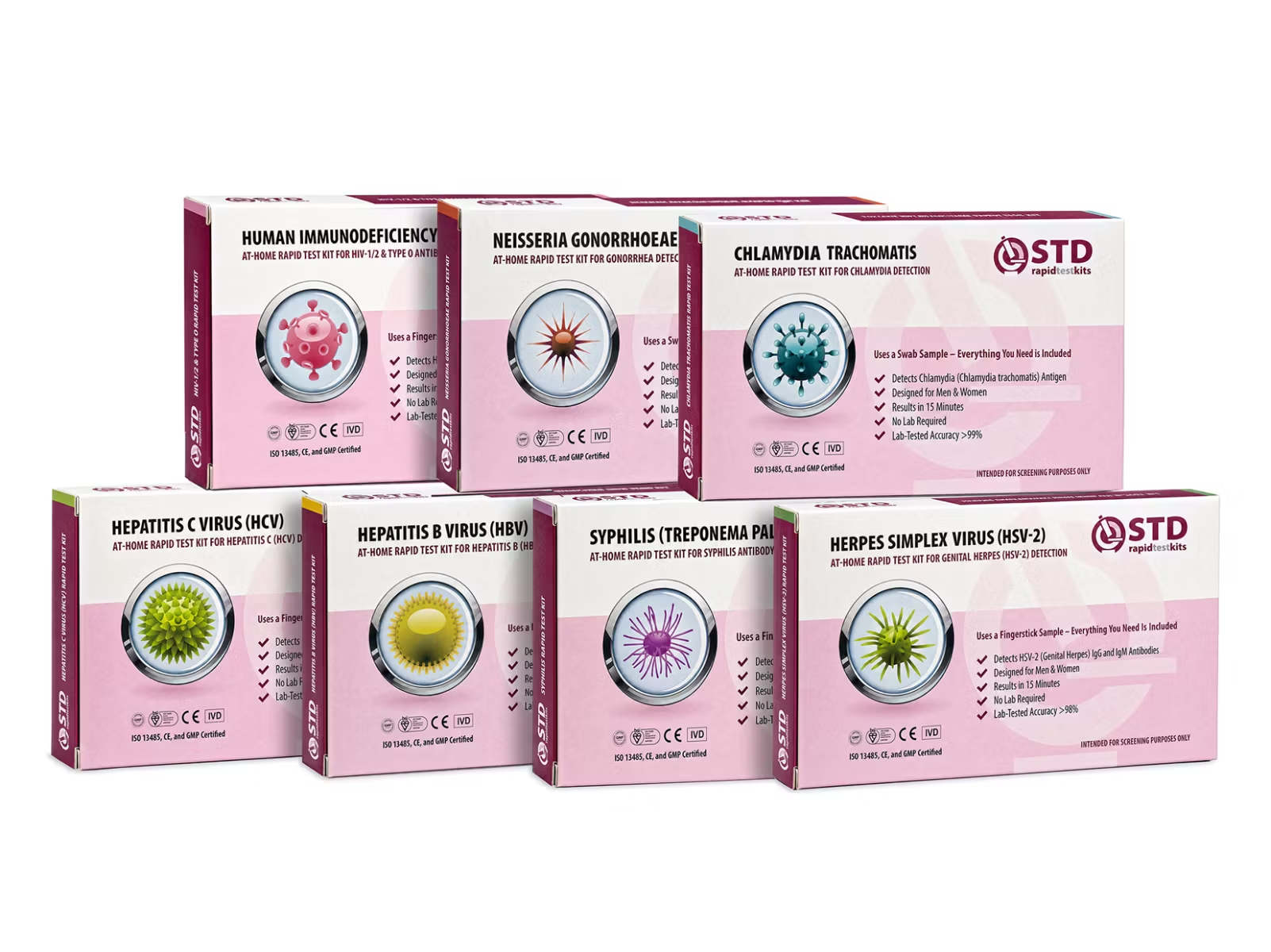
Testing is a simple blood draw. Treatment is penicillin and works at every stage, though late-stage organ damage cannot be undone. Anyone with a new sore that does not hurt, or a rash on the palms or soles, should test for syphilis specifically. Disclosure: this site sells the at-home rapid tests linked throughout this article; product recommendations are matched to the topic, not to commercial fit.

6. Trichomoniasis: the parasite few people name
Trichomoniasis is the most common curable STI you have probably never heard of. The CDC's trichomoniasis fact sheet attributes more than 2 million infections in the US to it, with approximately 30% of carriers developing any symptoms at all. The cause is a microscopic parasite, not a bacterium or virus. In people with vaginas, signs include:
- Frothy yellow-green vaginal discharge with a noticeable odor
- Genital itching, soreness, or burning
- Discomfort during sex or urination
In people with penises, the infection is usually silent or causes mild urethritis: light discharge or burning during urination. Trichomoniasis responds to a single course of oral antibiotics, but reinfection from an untreated partner is common, so both partners need treatment at the same time. Untreated infection in pregnancy raises the risk of preterm birth and increases susceptibility to HIV. Our at-home trich swab is validated for women only; men needing a trich test should see a clinician.
7. HIV: the infection that changed testing
HIV is no longer the death sentence it was in the 1980s. With early diagnosis and consistent antiretroviral therapy, people with HIV achieve undetectable viral loads and normal life expectancy, and an undetectable load means they cannot transmit the virus to sexual partners (the U=U science, summarized by the CDC). The catch is that early symptoms look exactly like a cold or flu:
- Fever, chills, sweats
- Sore throat and swollen lymph nodes
- Body aches, headache, fatigue
- Rash on the trunk, more often than the limbs
- For most people, no symptoms during the first weeks at all
The window period is the gap between exposure and when a test can detect infection. For modern fourth-generation antigen-antibody tests done in a lab, that window is typically 18 to 45 days. For at-home rapid antibody tests, the window can extend to 90 days. Pre-exposure prophylaxis (PrEP) prevents HIV in people at higher risk, and post-exposure prophylaxis (PEP) can prevent infection if started within 72 hours of a known exposure. Both come from a clinician, not at-home testing.
Post-exposure prophylaxis (PEP) is an emergency HIV-prevention regimen taken for 28 days, started within 72 hours of a known high-risk exposure. PEP comes from a clinician or urgent-care provider, not an at-home kit. If you suspect a recent exposure with real risk, see a clinic the same day. A negative at-home test taken before the window period closes is not a clearance.
8. Hepatitis B: the liver infection with a vaccine
Hepatitis B is a viral infection that targets the liver. It transmits through blood, semen, vaginal fluid, and from a pregnant person to a baby during birth. Universal infant vaccination has cut new infections sharply, but many adults born before routine vaccination remain unvaccinated and unscreened.
Acute infection clears on its own in most healthy adults within 6 months. A subset develops chronic Hep B, which can quietly damage the liver over decades and lead to cirrhosis or liver cancer. Symptoms, when present, look like:
- Yellow tint to the skin or whites of the eyes (jaundice)
- Dark urine or pale stool
- Persistent fatigue, nausea, or low appetite
- Right-upper-abdominal discomfort
The CDC recommends hepatitis B screening at least once during a lifetime for all adults aged 18 or older, regardless of risk profile. Vaccination is safe, effective, and recommended for adults who never received the series. Chronic Hep B is managed with antiviral medications.
9. Hepatitis C: the cure changed everything
Hepatitis C spreads primarily through blood-to-blood contact. Sexual transmission is uncommon but documented, particularly among men who have sex with men living with HIV. The CDC recommends a one-time Hep C test for all adults at least once in their lifetime, with repeat testing for anyone with ongoing risk.
For most carriers, Hep C is silent for decades. By the time symptoms appear, the liver is often already damaged. Symptoms can include:
- Chronic fatigue out of proportion to activity
- Right-side abdominal discomfort or fullness
- Jaundice or dark urine in advanced disease
The treatment landscape transformed in the past decade. Direct-acting antivirals taken for 8 to 12 weeks now cure more than 95% of cases, per WHO data. Without a diagnosis, even a highly effective treatment offers nothing, which is why the CDC recommends a one-time hepatitis C test for every adult and repeat testing for anyone at ongoing risk.
Both hepatitis B and hepatitis C now have clear universal-screening recommendations from the CDC: at least one Hep B test and at least one Hep C test for every adult aged 18 or older, regardless of risk profile. Hep B is preventable with the adult vaccine series and manageable with antivirals if chronic. Hep C is curable in over 95% of cases with a course of direct-acting antivirals. Either test can be done at home or at a clinic.
10. Mycoplasma genitalium: the emerging name
Mycoplasma genitalium (often called M. gen or MG) is a small bacterium increasingly recognized as a cause of urethritis in men and cervicitis (inflammation of the cervix) and pelvic inflammatory disease in women. Many infections are silent. Symptoms overlap heavily with chlamydia and gonorrhea, which is why many people get diagnosed only after standard treatment fails:
- Burning during urination, light discharge
- Pelvic pain or bleeding between periods
- Discomfort during sex
Most standard STI panels do not include MG unless specifically requested. The infection is increasingly antibiotic-resistant, and treatment usually requires a sequence of antibiotics rather than a single course. The CDC's STI treatment guidelines on Mycoplasma genitalium recommend testing in men with recurrent urethritis and women with recurrent cervicitis or pelvic inflammatory disease, rather than as a routine screen for asymptomatic people. Our home kits do not currently include an MG test; ask your clinician to add it if you fit the recurrent-symptom pattern.
How to read this list: risk versus visibility
Ranking these ten by which is worst is the wrong question. Risk depends on what you are weighing: prevalence, severity, transmissibility, or how easily an infection hides. Three useful groupings:
- Highly prevalent, often silent: Chlamydia, gonorrhea, HPV, herpes, trich. These are the infections most likely to be carried without anyone realizing.
- Lower prevalence, higher consequence if missed: Syphilis, HIV, hepatitis B, hepatitis C. Each can sit silent for years and cause serious organ damage when untreated.
- Emerging or under-tested: Mycoplasma genitalium. Often missed because standard panels do not include it.
The more useful lens here is behavior: how each infection spreads, hides, and responds to treatment. Use those differences to decide what to test for and when.
Many people who have a sexually transmitted infection do not have any symptoms. Without testing, infections often go undetected, and untreated infections can lead to severe health consequences.
When silence is the symptom
Most people learn about STIs through stories of obvious symptoms: visible sores, painful urination, dramatic discharge. Most STIs do not look like that. They look like nothing. Or they look like routine variation, the kind that gets blamed on tight underwear, gym germs, a long bike ride, a new soap, or stress.
The infections most likely to cause long-term damage are precisely the ones least likely to send a clear warning. Chlamydia silently scars fallopian tubes. HPV silently transforms cells. Hepatitis silently damages the liver. HIV silently weakens the immune system for years before opportunistic infections appear. Each of these reaches its tipping point not because it grew worse over time but because it was never caught.
Testing is the only signal that does not depend on the body raising its hand. The goal is not to live in alarm. The goal is to convert a small ongoing risk into a small ongoing checkpoint, the same way most people manage other quiet health questions: blood pressure, cholesterol, dental cleanings, skin checks. A sexually active life with a regular testing rhythm is one with answers, instead of one that hopes things stay quiet.

Testing windows by infection
A test taken too soon after a possible exposure can miss the infection it is looking for. The window period is the gap between the moment of infection and the moment a test can reliably detect it. Approximate windows for the at-home and clinic tests in everyday use:
- Chlamydia and gonorrhea: 1 to 2 weeks for swab-based testing.
- Trichomoniasis: 5 to 28 days, depending on the test method.
- HIV (4th-generation lab test): 18 to 45 days, with most infections detectable by day 30.
- HIV (rapid antibody test): up to 90 days for full window closure.
- Syphilis: typically detectable 3 to 6 weeks after exposure on standard blood tests.
- Hepatitis B and C: 6 weeks to 6 months for full window coverage; the CDC's hepatitis testing guidance describes specific repeat testing protocols.
- HSV-1 and HSV-2 (blood antibody): 6 to 12 weeks for most people, with some assays giving reliable negatives only by 16 weeks. Most clinical guidance treats 12 weeks as the practical confidence point.
If a test runs too early and comes back negative, that is not a guarantee. The fix is a repeat test at the end of the window period, not panic. For known recent exposures with high concern (HIV in particular), see a clinician within 72 hours about post-exposure prophylaxis.
FAQs
- Which STI is the most common?
- HPV, by a wide margin. Nearly every sexually active adult will have at least one HPV infection in their lifetime. Among reportable bacterial infections, chlamydia tops the list with about 1.6 million US cases per year per CDC surveillance.
- Can I have an STI with no symptoms at all?
- Yes, and this is the rule rather than the exception for chlamydia, HPV, herpes, trichomoniasis, hepatitis B and C, and the early phase of HIV. The absence of symptoms is not the absence of infection. Routine testing is what catches what symptoms do not.
- How soon after exposure can a test detect an infection?
- It depends on the infection and the test. Bacterial infections like chlamydia and gonorrhea show up fastest, often within one to two weeks of exposure. Hepatitis B and C take the longest, with full window coverage requiring up to six months. The Testing Windows section above breaks each infection out individually.
- Do all STI panels test for the same things?
- No. Standard panels usually cover chlamydia, gonorrhea, syphilis, HIV, and sometimes hepatitis. They typically do not include trichomoniasis, herpes antibody testing, mycoplasma genitalium, or HPV unless specifically requested. Always check what your panel includes.
- Can I get an STI from oral sex?
- Yes. Oral sex can transmit gonorrhea, chlamydia, syphilis, herpes, HPV, and (less commonly) HIV. Pharyngeal infections often cause no symptoms and require a throat swab from a clinician, since at-home swab kits are validated for genital sample sites only.
- Which STIs are curable, and which are lifelong?
- Curable with treatment: chlamydia, gonorrhea, syphilis, trichomoniasis, mycoplasma genitalium, and hepatitis C. Manageable but lifelong: HIV (with antiretroviral therapy), herpes (with antiviral suppression), and chronic hepatitis B. HPV is usually cleared by the immune system within 1 to 2 years; persistent infection is what drives cancer risk.
- How often should I test if I'm sexually active?
- CDC guidance suggests at least once a year for sexually active people, more often (every 3 to 6 months) for anyone with multiple partners, new partners, condomless sex, or in higher-risk groups. Test before any new sexual relationship if possible, and any time you have a specific reason to wonder.
- What's the most useful at-home test for someone who doesn't know what to test for?
- A combination panel covering the highest-prevalence infections (chlamydia, gonorrhea, syphilis, HIV, hepatitis B, hepatitis C, and herpes) is the most efficient screening tool. Single-infection kits make sense when there is a specific exposure or symptom in question. Anything that requires a throat or rectal swab still needs a clinic visit.
- U.S. Centers for Disease Control and Prevention. Annual STI surveillance data and reported case counts for chlamydia, gonorrhea, and syphilis in the United States.
- U.S. Centers for Disease Control and Prevention. STI treatment guidelines including screening recommendations by population.
- U.S. Centers for Disease Control and Prevention. HPV vaccine guidance covering routine vaccination through age 26 and shared clinical decision-making for ages 27 to 45.
- World Health Organization. Herpes simplex virus fact sheet covering global prevalence of HSV-1 and HSV-2.
- U.S. Centers for Disease Control and Prevention. HIV testing and prevention overview, including window periods and U=U guidance.
- U.S. Centers for Disease Control and Prevention. Universal hepatitis B testing recommendation for adults aged 18 and older.
- U.S. Centers for Disease Control and Prevention. Mycoplasma genitalium clinical and testing guidance within the STI treatment guidelines.
- U.S. Centers for Disease Control and Prevention. Trichomoniasis fact sheet covering US prevalence and symptom rates.
- World Health Organization. Hepatitis C fact sheet covering treatment outcomes with direct-acting antivirals.
