






Quick Answer: Bisexual men face high chlamydia risk due to under-testing and partner variation. Regular screening, especially rectal and throat tests, plus condoms and informed communication, are key prevention tools, even with no symptoms.
“I Didn’t Think I Was At Risk”: Why This Matters More Than You Think
James, 27, is a teacher who mostly dates women, but occasionally hooks up with guys, usually discreetly. “I figured as long as I didn’t bottom, I couldn’t really catch anything,” he said, recalling a recent one-night stand with a man he met at a wedding. No symptoms showed up. Months later, during a routine checkup for something unrelated, he found out he had rectal chlamydia.
This isn’t rare. According to the CDC, men who have sex with men (MSM), including bisexual men, are at significantly higher risk for untreated chlamydia, especially when rectal or throat sites are not tested during standard STI screenings. Many bisexual men fall through the cracks because doctors only test urine, ignoring sites where the bacteria often hides.
And that’s the problem. You can have chlamydia in your throat or rectum with zero symptoms, never suspect a thing, and unknowingly pass it to male or female partners. That’s why comprehensive, regular screening is so important, and why shame-based silence only makes things worse.
Where Chlamydia Hides: Why Site Matters More Than You Think
Unlike a lot of infections, chlamydia doesn’t always show up where people expect. For bisexual men, that can mean one thing: missed diagnoses. Most standard STD tests only screen urine. But chlamydia can thrive in the rectum or throat, especially after oral or anal sex, without causing pain, discharge, or any red-flag symptoms.
Here’s what that looks like in real life: Marco, 34, tested negative for chlamydia on a urine test after feeling guilty about a risky weekend. But no one told him that oral sex could still transmit the infection to his throat, and that a throat swab was a completely separate test. He didn’t find out until his girlfriend tested positive and asked him to retest with more thorough screening.
| Exposure Type | Test Type Needed | Possible Symptom Presence | Often Overlooked? |
|---|---|---|---|
| Receptive anal sex | Rectal swab | Rare to mild (discomfort, discharge) | Yes |
| Giving or receiving oral sex | Throat swab | Almost never | Yes |
| Insertive vaginal or anal sex | Urine sample | Sometimes (burning, discharge) | No |
Table 1. Which types of sexual contact require which test? Many bisexual men need multi-site screening, even if symptoms are absent.
This matters because untreated rectal or oral chlamydia can still spread to others, even through non-penetrative sex. And if you’re only tested via urine, you might walk away with a false sense of security.
People are also reading: Inside Delaware’s Chlamydia Surge: What’s Causing the Spike?
Testing Without Shame: What You Actually Need
If you’ve had oral or anal sex with anyone, regardless of their gender, your best bet is multi-site testing. That means asking for (or ordering) a urine test, a throat swab, and a rectal swab. Many bisexual men avoid clinics out of embarrassment or concern that their doctor won’t understand. That’s where at-home STD test kits come in.
You can discreetly test all three sites without leaving your house. Some kits allow you to self-swab your throat and rectum, then mail the samples to a lab. Others use rapid test strips for instant answers, though those usually focus on urine and may miss throat or rectal infections. Whichever method you choose, you’re taking control, and that’s something to be proud of, not ashamed of.
If you’re unsure which type of test matches your exposure, the Combo STD Home Test Kit offers coverage for the most common infections bisexual men face. It’s private, fast, and doesn't require awkward conversations with strangers.
One more thing: if you had unprotected sex recently, wait at least 7 to 14 days before testing for chlamydia. Testing too early might give a false negative. That doesn’t mean you have to sit in anxiety, instead, make a plan, mark the date, and use that time to reflect on your exposure and future prevention.
Check Your STD Status in Minutes
Test at Home with Remedium7-in-1 STD Test Kit

 For Men & Women
 Results in Minutes
 No Lab Needed
 Private & Discreet
Order Now $129.00 $343.00
For all 7 tests
When Prevention Fails: Real Talk on Condoms and Risk
Let’s be real: condoms are great. But they’re not foolproof. Many people assume condoms block everything, but chlamydia can still be transmitted if there’s genital contact before the condom goes on, or during oral sex, where condoms are used far less often.
Ravi, 29, used condoms for anal sex with a male partner but didn’t think to use one during oral. “We were just messing around, and it didn’t seem serious,” he said. “Later, I found out he’d tested positive.” Ravi didn’t have symptoms but ended up with a positive throat swab.
So what actually works? It’s about layering strategies, not relying on a single one. Condoms reduce risk. Regular testing finds infections that don't show any symptoms. Communication with partners opens space for honest conversations about recent exposures. It’s not about being perfect, it’s about being aware.
| Prevention Strategy | Effectiveness Against Chlamydia | Notes |
|---|---|---|
| Condoms during anal sex | High (if used correctly) | Breakage and late application can reduce protection |
| Condoms during oral sex | Moderate | Rarely used, but still offers some protection |
| Regular testing (every 3–6 months) | High (detects asymptomatic infections) | Especially important with multiple partners |
| Open partner communication | Moderate to high (depends on honesty) | Use as a supplement, not replacement, for testing |
Table 2. Preventing chlamydia requires a combination of strategies, condoms alone aren’t always enough.
You don’t need to live in fear, but you do need to live with facts. And that starts by dropping the shame and picking up the tools that keep you and your partners protected.
What Happens If You Test Positive?
Let’s say the result comes back and it’s positive for chlamydia. Maybe you tested out of anxiety. Maybe a partner told you. Or maybe you were just being responsible. What now?
First, take a breath. Chlamydia is one of the most treatable STDs out there. It’s usually cleared with a single dose or short course of antibiotics. You don’t need to go through this alone, and you don’t need to beat yourself up.
Kevin, 31, tested positive after a new relationship ended. “I felt embarrassed and weirdly guilty, even though I didn’t do anything ‘wrong,’” he said. “But once I told my doctor, got the meds, and sent my ex a heads-up text, I actually felt better. Like I was owning it instead of hiding.”
If you test positive with an at-home kit, you can take your result to a telehealth provider or clinic. Some services let you upload the result and receive treatment directly. And yes, if you’re not sure you read the test correctly, you can always confirm with a lab-based swab.
One of the most important things? Telling recent partners. That might feel awkward, but it’s the kind of awkward that prevents long-term health issues. Some people choose to send anonymous messages through partner notification apps or use contact tracing help from a clinic. Others prefer direct messages or calls. However you do it, you’re breaking a chain of infection, and that matters.
Can You Get Chlamydia Again?
Short answer: yes. Chlamydia doesn’t give you immunity. You can get it again the same way you got it the first time, and that’s especially common if partners don’t get treated at the same time, or if someone unknowingly reintroduces the infection later on.
Elijah, 24, tested positive after a long weekend hookup. He took his meds, felt relieved, then six weeks later tested positive again. “I thought it was gone, but I didn’t realize my partner hadn’t followed through with treatment,” he said. “We didn’t talk about it, I just assumed.”
This is where retesting comes in. The CDC recommends retesting three months after treatment to make sure you haven’t been reinfected. If you’re still hooking up with the same person, or seeing new partners, this is essential. Reinfection is common, but preventable.
And yes, if your original infection was in the throat or rectum, make sure you get retested at the same sites. Many people make the mistake of only redoing the urine sample. Don’t let test simplicity override test accuracy.
How Often Should Bisexual Men Test for Chlamydia?
There’s no one-size-fits-all rule, but if you’re a bisexual man who’s sexually active with new or multiple partners, testing every 3 to 6 months is a solid guideline. That’s especially true if you engage in oral or anal sex without consistent condom use.
If you're in a monogamous relationship and both partners have tested negative, you can likely extend the interval. But if you're dating, hooking up, or navigating mixed-gender relationships, it’s smart to assume that regular testing is just part of your sexual wellness routine.
This isn’t about fear, it’s about care. You change the oil in your car. You get a dental cleaning. Testing is no different. It doesn’t say anything negative about who you are. It says you respect your body and your partners.
Dealing with the “Am I Dirty?” Feeling
This one’s important. Because even if you know, rationally, that chlamydia is common and treatable, it can still stir up a deep shame. Especially if you grew up in a sex-negative household, or if you’ve internalized stereotypes about what it means to be bisexual, or sexually active, or “risky.”
Ben, 26, didn’t tell anyone, not even his best friend, after his diagnosis. “I didn’t want people to think I was ‘that kind of guy,’” he said. But the truth is, “that kind of guy” doesn’t exist. People of all genders, identities, and relationship styles get STDs. What matters isn’t how many partners you’ve had or who they are. What matters is that you take care of yourself after.
If you’re feeling overwhelmed, you’re not alone. Many people experience temporary anxiety or sadness after an STD diagnosis. But you have options. Counseling, online forums, or even talking to your healthcare provider can help. More importantly, remind yourself that getting tested and treated is a form of care, not confession.
Planning Your Next Steps: Timeline Table
If you’re wondering when to test, when to treat, and when to retest, use this quick guide to map it out. Remember, these are general guidelines, always consult a provider if you’re unsure or symptomatic.
| Scenario | When to Test | Follow-Up Plan |
|---|---|---|
| Recent unprotected sex (anal/oral) | 7–14 days after exposure | Consider retest at 4 weeks if symptoms or uncertainty |
| Positive chlamydia result | Begin treatment ASAP | Retest in 3 months to rule out reinfection |
| Partner tested positive | Test immediately + again at 2–4 weeks | Avoid sex until both treated |
| No symptoms, routine check | Every 3–6 months (if sexually active) | Multi-site testing recommended |
Table 3. Suggested testing and retesting timelines for bisexual men based on risk and exposure.
Testing isn’t just reactive, it’s proactive. By building a testing rhythm that fits your life and risk level, you protect yourself without paranoia. That’s care, not caution.
People are also reading: One Testicle Hurts But No Lump, Should I Be Worried?
Privacy, Discretion, and Why Testing Doesn’t Have to Be a Big Deal
One of the biggest reasons bisexual men avoid testing? Fear of exposure. Not just to STDs, but to judgment. You don’t want to walk into a clinic and explain the kind of sex you have. You don’t want your pharmacist raising an eyebrow. You don’t want your mail carrier knowing what’s in the package.
That’s valid. And that’s exactly why at-home testing exists. You can order a kit that arrives in plain, discreet packaging, test yourself in private, and get results without leaving your house. No awkward questions. No unnecessary disclosure. Just you, taking care of yourself.
Some kits even come with telehealth options or built-in treatment support. That means you’re not left hanging if the test comes back positive. You’ll know your next move, and you’ll have someone to help walk you through it.
For bisexual men, especially those who aren’t “out” in every aspect of life, this kind of privacy can make all the difference. Testing doesn’t have to feel like a public act. It can be a personal, quiet, empowering one.
Check Your STD Status in Minutes
Test at Home with Remedium6-in-1 STD Test Kit
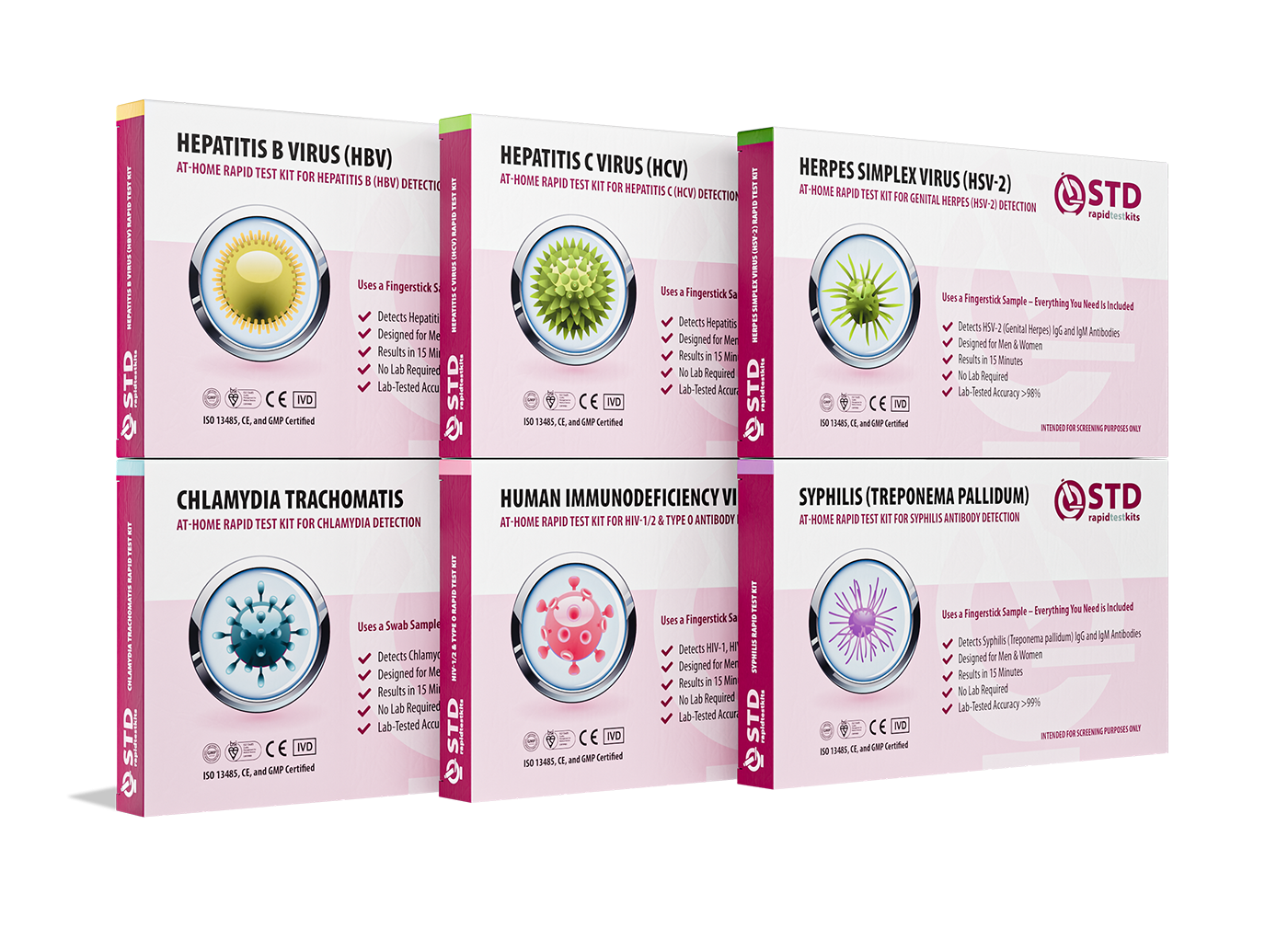 For Men & WomenResults in MinutesNo Lab NeededPrivate & Discreet
Order Now $119.00 $294.00
For all 6 tests
Before You Blame Yourself, Read This
If you’ve read this far, there’s a good chance you care about your health, your partners, and your peace of mind. You’re doing more than most people. And if you’ve ever asked, “Why didn’t I use a condom?” or “Why didn’t I get tested sooner?”, pause. That voice in your head that wants to punish you? You don’t owe it anything.
Chlamydia is incredibly common. It doesn’t mean you’re reckless. It doesn’t mean you’re dirty. And it doesn’t mean you have to carry shame forward with you. Testing, treating, and talking are acts of courage, especially in a world that doesn’t always talk about bisexual men, their risks, or their realities.
So here’s what you can do next:
Order a combo STD test kit that checks for the most common infections, chlamydia, gonorrhea, syphilis, and more. Do it quietly, do it confidently, do it for you. Because you deserve answers, not anxiety.
FAQs
1. Can you really get chlamydia from oral sex?
Yes, and it’s more common than people think. Chlamydia can live in the throat without causing any obvious symptoms. If you’re giving or receiving oral without a barrier, the bacteria can slip through. Most people don’t even realize they’re carrying it. So if you’ve had oral sex (especially with new or multiple partners), it’s worth adding a throat swab to your testing routine, even if everything feels fine.
2. I tested my pee. Isn’t that enough?
Not always. A urine test checks for chlamydia in the urethra, but it won’t catch an infection in your throat or rectum. If you’ve had oral or anal sex, you’ll need a separate swab for each site. We know, no one loves thinking about swabbing their butt or tonsils, but it’s the kind of care you give your body when you actually respect it.
3. Can I pass it from a guy to a woman, or vice versa?
Absolutely. Chlamydia doesn’t care about gender. If you’re bisexual and sleeping with people of different genders, it can move between partners no matter the direction. That’s why testing isn’t just about protecting yourself, it’s about protecting the people you care about, too.
4. How soon after a hookup should I get tested?
Hold off at least 7 days if you want the result to be reliable. The bacteria needs time to show up on a test. Testing too early can give you a false negative and false peace of mind. If you’re stressing, mark the calendar and plan your test day. That alone can calm the mental spiral.
5. Is at-home testing really private?
It is. Test kits arrive in plain envelopes or boxes, no loud branding, no awkward packaging. You test at home, at your pace, with your playlist in the background if you want. Your results come via secure portal or email, and nobody needs to know unless you choose to tell them.
6. Do bisexual guys really get chlamydia more often?
Statistically, yes, especially when it comes to undiagnosed cases. Bisexual men are less likely to get the full set of tests they need (like rectal or throat swabs) and may not disclose certain behaviors to providers who aren’t queer-affirming. That combo leads to under-testing and overexposure, even if no one “looks” sick.
7. So if I take antibiotics, it’s gone forever?
The infection? Yes, if you take all the meds as prescribed. But immunity? Nope. You can catch it again just like a cold. That’s why retesting 3 months later is smart, especially if you’re still hooking up or unsure if your partners got treated too.
8. I don’t have symptoms. Why test?
Because about 70% of people with chlamydia don’t have symptoms, and it’s especially sneaky in the throat and rectum. No burning, no discharge, nothing to tip you off. You could feel totally fine and still pass it to someone else. Testing is how you close that silent loop.
9. I’m scared to tell my partner I tested positive. What do I say?
Start with honesty and keep it simple. Try: “Hey, I tested positive for chlamydia. I’m getting treated and wanted to let you know so you can too.” You’re not confessing a crime, you’re doing something respectful. And if direct talk isn’t possible, anonymous text services exist. This isn’t about blame. It’s about care.
10. What if I mess up the home test?
Honestly? Most kits are foolproof if you follow the instructions. But if you’re unsure, say the line looks faint, or the swab feels too shallow, don’t panic. You can always retest or go for a lab follow-up. Better to double-check than ignore something that’s stressing you out.
You Deserve Answers, Not Assumptions
You don’t need anyone’s permission to take your health seriously. Not your doctor’s. Not your ex’s. Not the part of your brain that tells you, “It’s probably nothing.” Whether you’ve had one partner or dozens, whether your sex life is on pause or just got interesting again, you deserve to know where you stand.
Because the truth is, chlamydia doesn’t always announce itself. It hides. It spreads quietly. It crosses genders, bodies, boundaries. But when you choose to test, to ask the question, to get ahead of it, you’re not just avoiding infection. You’re reclaiming control.
Don't wait and wonder; get the answers you need. This at-home combo test kit quickly and discreetly checks for the most common STDs.
How We Sourced This Article: We combined current guidance from leading medical organizations with peer-reviewed research and lived-experience reporting to make this guide practical, compassionate, and accurate.
Sources
2. Planned Parenthood – What is Chlamydia?
3. American Sexual Health Association – Understanding Chlamydia
4. Men Who Have Sex with Men (MSM) – CDC STI Treatment Guidelines
5. Getting Tested for STIs – CDC
6. Chlamydia: Symptoms and Causes – Mayo Clinic
7. Sexually Transmitted Infections (STIs) – World Health Organization
8. Chlamydia and Gonorrhea Screening – U.S. Preventive Services Task Force
9. Sexually Transmitted Infections: Updated Guideline – American Family Physician
About the Author
Dr. F. David, MD is a board-certified infectious disease specialist focused on STI prevention, diagnosis, and treatment. He blends clinical precision with a no-nonsense, sex-positive approach and is committed to expanding access for readers in both urban and off-grid settings.
Reviewed by: L. Nguyen, FNP-BC | Last medically reviewed: January 2026
This article is meant to give you information, not to give you medical advice.


