
Published: September 2025 | Last updated: May 2026 | Editorial review and quality control: Martina N.
Most people who carry chlamydia have no idea they have it. The bacteria can sit quietly in cervical or vaginal tissue for months without itching, burning, discharge, or pain. Among women, roughly 70 to 80 percent never feel a single symptom. That includes during pregnancy.
The hard part of that statistic is what comes next. An undetected chlamydia infection at the time of delivery can transfer to a newborn during a vaginal birth, settling in the baby's eyes or lungs in the weeks that follow. The pregnant parent is fine. The baby is the one who gets sick. Most of these cases are entirely preventable with one extra test in the third trimester or one well-timed conversation with a partner. This article walks through how that happens and what to do about it.
Key Takeaways
- Around 7 in 10 women with chlamydia have no symptoms at all, and pregnancy does not change that.
- Babies exposed at birth most commonly develop conjunctivitis within 2 weeks or pneumonia between 2 and 6 weeks of life.
Why Chlamydia So Often Goes Undetected in Pregnancy
Chlamydia trachomatis is the most commonly reported bacterial sexually transmitted infection in the United States, and surveillance estimates suggest the actual number of infections is meaningfully higher than reported cases because most go undetected. Studies consistently estimate the asymptomatic rate above 70 percent in women and around 50 percent in men.
During pregnancy, the picture stays the same. The infection lives in cervical, vaginal, or urethral tissue. Some pregnant people notice a slight increase in vaginal discharge, mild pelvic discomfort, or light spotting after sex, but those signs blur with normal pregnancy changes and are easy to dismiss. Many never notice anything at all.
In practice that means a pregnant person can carry chlamydia for weeks or months and have no internal alarm telling her something is wrong. The first sign that the infection existed may be a baby who develops a stubborn cough three weeks after birth, or thick eye discharge in the first two weeks of life. By the time those symptoms appear, the connection back to a maternal infection is easy to miss unless someone specifically thinks to look for it.
Can you pass chlamydia to your baby without any symptoms during pregnancy?
Yes. Chlamydia can pass from a pregnant person to a newborn during vaginal delivery even when the parent has had no symptoms throughout pregnancy. The two most common consequences are neonatal conjunctivitis, an eye infection appearing in the first 1 to 2 weeks of life, and chlamydial pneumonia, a slow-onset lung infection appearing 2 to 6 weeks after birth. Retesting in the third trimester, especially after any new exposure or any partner who has not been treated, is the single most reliable way to prevent transmission.
Newborn Pneumonia from Chlamydia: Slow, Quiet, Easy to Miss
The most common newborn complication of untreated maternal chlamydia is a slow-developing pneumonia. It rarely arrives in the first days of life. Instead it shows up between the second and sixth week after birth, and at first it looks like a fussy infant with a mild cough.
Babies with chlamydial pneumonia typically have a soft, repetitive cough that sounds like a staccato bark rather than a wet rumble. Breathing is faster than expected for their age, often above 50 to 60 breaths per minute even at rest. Feeding gets harder because they have to interrupt swallows to breathe. The lungs themselves sound congested on a stethoscope, but the baby usually does not run a fever. That last detail is what throws off many providers, since most bacterial pneumonias in older children and adults present with high temperatures.
The clinical picture overlaps almost completely with viral bronchiolitis from RSV or with reflux-related coughing. Without a documented maternal history of chlamydia, or specific testing for Chlamydia trachomatis in the baby's nasopharynx, the bacterial cause stays invisible. Treatment is an oral macrolide antibiotic, usually azithromycin or erythromycin in newborn-appropriate dosing. Standard broad-spectrum antibiotics used for general bacterial pneumonia do not cover chlamydia well, which is why the diagnostic miss matters.
If you delivered without knowing your chlamydia status and your baby develops a persistent cough or rapid breathing in the first six weeks of life, name chlamydial pneumonia specifically when you call the pediatrician. That request usually triggers the targeted nasopharyngeal swab test that confirms it.
| Feature | Chlamydia Pneumonia | Typical Newborn Pneumonia |
|---|---|---|
| Onset after birth | 2 to 6 weeks | Often within first 7 days |
| Fever | Rare | Common |
| Cough quality | Staccato, dry | Wet or productive |
| Eye discharge present | Common | Uncommon |
| First-line antibiotic | Macrolide (azithromycin or erythromycin) | Varies, often broad-spectrum |
Newborn Eye Infection: Watch the First Two Weeks
Chlamydia is the most common identified bacterial cause of ophthalmia neonatorum, the medical term for a newborn eye infection. The pattern is distinctive. The baby's eyelids swell, the whites of the eyes turn red, and a thick, sticky discharge appears, usually starting between day 5 and day 14 of life. Unlike a blocked tear duct, the discharge from chlamydial conjunctivitis is purulent (yellow or yellow-green), both eyes are typically affected, and the swelling is significant enough that the baby may have trouble opening her eyes after sleeping.
Standard US hospital practice is to apply erythromycin ophthalmic ointment to every newborn's eyes shortly after birth as gonococcal-conjunctivitis prophylaxis. The ointment is effective against gonococcal conjunctivitis but less reliable against chlamydia. That gap is the reason a baby exposed to chlamydia at birth can still develop the eye infection even with routine prophylaxis.
Without treatment, chlamydial conjunctivitis can scar the cornea and cause vision problems, though most cases respond well to oral erythromycin or azithromycin when caught early. Topical eye antibiotics alone are not enough, because the same chlamydia is usually also colonizing the baby's nasopharynx by the time the eye infection appears. Systemic antibiotics handle both, which is why the treatment regimen is oral rather than ointment-only.

A First-Trimester Negative Isn't a Lifetime Pass
Standard prenatal care in the US includes a chlamydia and gonorrhea screen at the first prenatal visit, typically between 6 and 12 weeks of pregnancy. The CDC's STI treatment guidelines recommend repeat third-trimester screening for pregnant people under 25 and for anyone with ongoing risk factors. In practice, that second test is inconsistently offered. Many obstetric practices skip it unless the patient explicitly asks or unless symptoms appear.
Two things can happen between the first prenatal visit and delivery that make a clean first test misleading. The first is reinfection. A pregnant person who tested negative early on can acquire chlamydia later from a new partner, an existing partner who was never tested, or a partner who was treated but later reinfected by someone else and brought it back. Reinfection cycles are common, especially when partner treatment is incomplete or delayed.
The second is a false negative on the original test. Chlamydia tests, even highly sensitive nucleic acid amplification tests (NAATs), can miss low-bacterial-load infections or infections sampled at the wrong anatomical site. Self-collected vaginal swabs are slightly more sensitive than urine samples for chlamydia detection, but neither method catches 100 percent of cases.
Studies in higher-prevalence settings consistently find a meaningful proportion of early-negative pregnant patients testing positive by the third trimester, which is the rationale behind the CDC's retest recommendation.
Reinfection. A partner who was never tested, or any new unprotected exposure during pregnancy, can introduce the infection after a clean intake test.
False negative. Low-bacterial-load infections or imperfect sampling can be missed by even highly sensitive NAATs, particularly when the wrong anatomical site is sampled or the bacterial burden is below the assay's detection limit.
When to Test and Retest
The right testing rhythm during pregnancy is tied to risk and exposure, not a single appointment on a calendar. The default first-prenatal-visit screen catches infections that were present at the start of pregnancy. Beyond that, the question is whether the situation calls for an additional check, and the answer depends on age, partner status, and whether anything has changed since the last test.
| Pregnancy stage | What this test catches | Recommended action |
|---|---|---|
| First prenatal visit (6 to 12 weeks) | Infections present at start of pregnancy | NAAT via urine or vaginal swab, standard for all pregnant patients |
| Third trimester (28 to 36 weeks) | Reinfection or initially missed cases before delivery | Repeat NAAT recommended for patients under 25 or with ongoing risk |
| Any time after new or unprotected exposure | Newly acquired infections during pregnancy | Same-day NAAT plus partner testing, regardless of trimester |
At-Home Tests for Chlamydia: Useful, with Limits
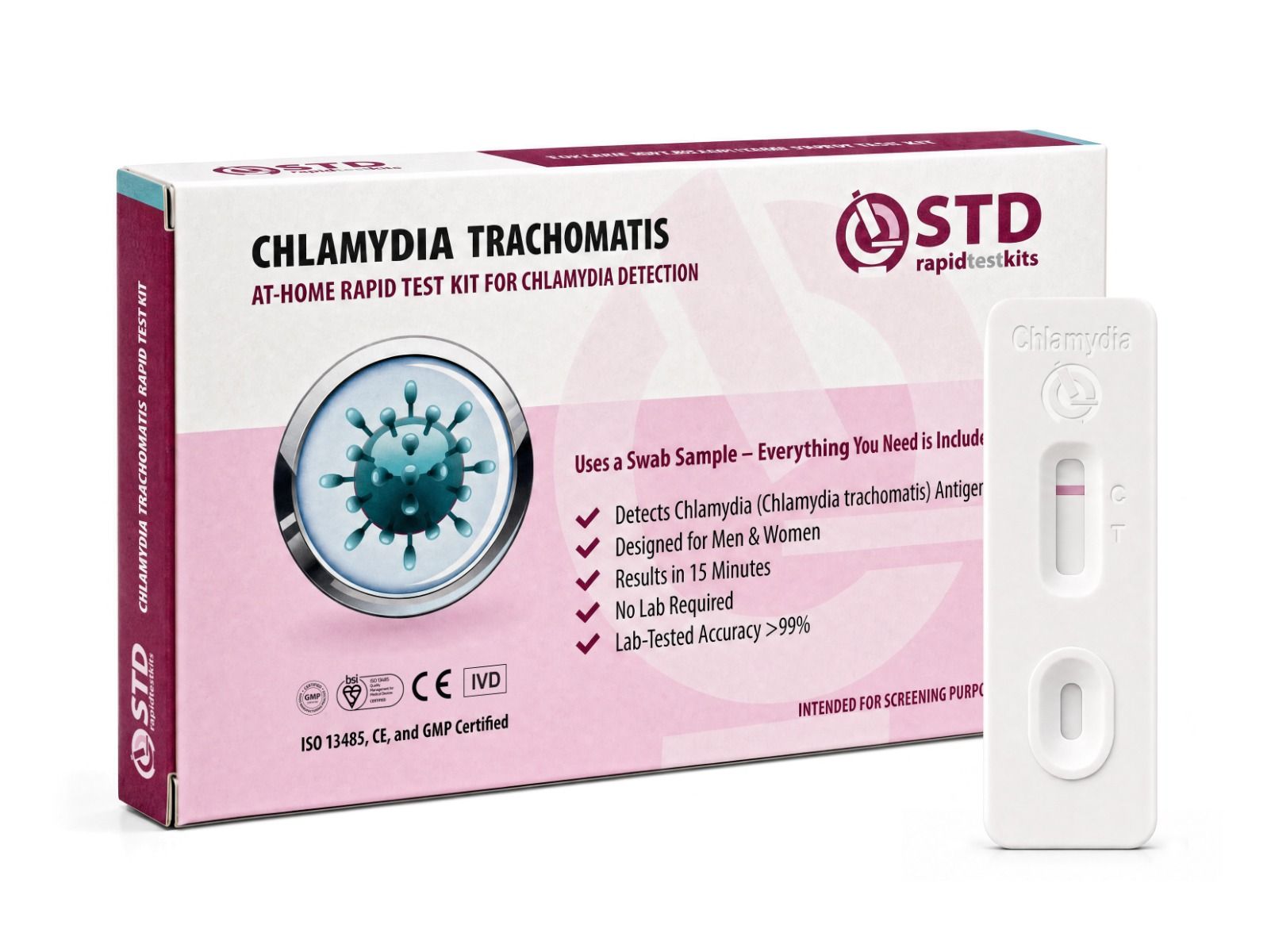
At-home rapid chlamydia tests have become widely available over the last several years. They use a self-collected vaginal swab and a lateral-flow immunoassay strip that returns a visible result in about 15 minutes. The chemistry is different from a laboratory NAAT, which remains the gold standard for chlamydia detection. Lateral-flow tests are screening tools, not confirmatory tools.
During pregnancy, that distinction matters for two reasons. First, a positive result on any test, at-home or in-clinic, should be reported to the OB before treatment so the diagnosis gets documented, partner notification happens, and any pregnancy-specific considerations get factored in. Second, if an at-home test comes back negative but you have had a recent unprotected exposure, a follow-up lab NAAT through your prenatal provider offers higher analytical sensitivity and a more definitive answer.
At-home tests are most useful as a fast first-pass check between appointments, particularly when reaching a clinic quickly is hard. They give a private, low-friction way to get information you can act on. A positive at-home result is enough to call the OB and start the treatment conversation the same day. Do not wait for a separate confirmatory test before making that call. Treatment delays are what cause newborn complications, and most providers will respect a positive home result while ordering their own confirmatory NAAT in parallel.
Whichever route you choose, look for kits that explicitly list chlamydia in the panel and that come from a vendor that publishes its lateral-flow sensitivity and specificity data, since those numbers determine how much weight to put on a negative result.
Treatment in Pregnancy Is Safe and Effective
The CDC's current STI treatment guidelines list azithromycin (1 gram orally as a single dose) as the recommended first-line treatment for chlamydia during pregnancy. It is highly effective when taken as a single dose, has decades of pregnancy-safety data behind it, and does not require ongoing pill compliance. Amoxicillin (500 mg three times daily for 7 days) is the standard alternative for patients who cannot take azithromycin.
A test of cure (a follow-up NAAT) is generally recommended approximately 4 weeks after treatment in pregnant patients. Earlier than that, the test can show a false positive because dead bacterial DNA from the original infection can still be detected. If the test of cure is still positive, retreatment with the alternative regimen is the next step.
The risk-benefit calculation here is one of the easier ones in obstetric medicine. Untreated chlamydia at delivery carries a meaningful chance of neonatal pneumonia or conjunctivitis. The recommended antibiotics have an excellent safety profile during pregnancy and have been used for this indication for decades. Treating is the lower-risk option in every direction. If you have been hesitant because you are worried about taking antibiotics while pregnant, talk through the specific safety data with your OB.
First-line in pregnancy: azithromycin 1 g, single oral dose.
Standard alternative: amoxicillin 500 mg three times daily for 7 days.
Test of cure: repeat NAAT approximately 4 weeks after treatment.
Partner treatment: all recent sexual partners, even if asymptomatic, ideally treated at the same time.
The Partner Treatment Step
The single biggest reason chlamydia recurs in pregnancy is an untreated partner. The CDC specifically recommends that all recent sexual partners of a person diagnosed with chlamydia receive treatment, ideally at the same time, regardless of whether the partner has symptoms. Many US states allow expedited partner therapy (EPT), where the diagnosed patient receives a prescription or medication packet to give the partner directly, bypassing the need for a separate clinic visit.
If a partner conversation feels hard, the options are wider than they look. Anonymous partner-notification services through county or state health departments can contact recent partners on your behalf without disclosing your identity. The notification is matter-of-fact and clinical: the partner is told they may have been exposed to a specific infection and given testing and treatment resources. This is not punitive, and it is far more common than most people realize.
The practical script when telling a partner directly is short. "I tested positive for chlamydia. It is treatable with a single dose of antibiotics. The CDC recommends partners get treated too, even without symptoms. Here is the info." That is the entire conversation.
If the Test Is Positive, Here Is the Sequence
The first reaction to a positive chlamydia result during pregnancy is usually some mix of guilt, fear, and disbelief. None of those reactions are the right one, but all of them are normal. Chlamydia is an infection, not a moral category. The bacteria do not ask about marital status or sexual history. Chlamydia is among the most common infections detected during routine prenatal screening, and outcomes for treated cases are excellent.
A treated and cleared infection is not an automatic indication for a cesarean; your OB will confirm delivery planning once clearance is confirmed on a test of cure.
The action sequence is short and worth running through in order:
- Call the OB the same day, share the result, and get the prescription started. Most clinics will write the prescription based on a confirmed positive without requiring an in-person visit first.
- Notify the partner, or use a confidential partner-notification service if a direct conversation is not possible, and arrange their treatment.
- Schedule a test of cure for approximately 4 weeks after the antibiotic course completes.
- Avoid sex, or use condoms consistently, until both people have completed treatment and confirmed clearance.
There is no scenario in which waiting "until after the baby is born" is the right move. The medication is one dose, safe in pregnancy, and clears the infection before delivery in nearly all cases.

The CDC and the US Preventive Services Task Force both recommend chlamydia screening at the first prenatal visit for all pregnant patients, with repeat third-trimester screening for those under 25 and for anyone with ongoing risk factors. Paraphrased from CDC STI Treatment Guidelines and the USPSTF recommendation statement on chlamydia and gonorrhea screening.
FAQs
- I'm pregnant with no symptoms. Why should I still test for chlamydia?
- About 7 in 10 women with chlamydia have no symptoms at all. The infection can sit in the cervix or vaginal canal for months without producing discharge, pain, or any other sign. During a vaginal delivery, the bacteria can pass to your baby's eyes or lungs even when you have felt completely normal throughout pregnancy. Testing is the only reliable way to know.
- If my first-trimester chlamydia test was negative, am I in the clear?
- Not necessarily. Between your first prenatal visit and delivery, you can be reinfected through an untreated partner or a new exposure. Tests can also occasionally produce false negatives if bacterial loads are low or sampling was imperfect. The CDC recommends a repeat test in the third trimester if you are under 25 or have any ongoing risk factors.
- What can chlamydia actually do to my baby?
- The two most common newborn complications are eye infection (neonatal conjunctivitis), which usually appears in the first 1 to 2 weeks of life, and pneumonia, which usually appears between 2 and 6 weeks of age. Both are treatable, but both are easier to prevent than to manage.
- Can I still have a vaginal birth if I test positive for chlamydia?
- Yes, with treatment. The antibiotics used for chlamydia in pregnancy (most commonly azithromycin) clear the infection in the great majority of cases. Once treatment is complete and a follow-up test confirms clearance, the risk to the baby drops to near baseline. A positive test during pregnancy is not an automatic cesarean indication.
- Is it safe to breastfeed if I had chlamydia during pregnancy?
- Yes. Chlamydia does not pass through breast milk. If you were treated during pregnancy and cleared the infection, breastfeeding is safe. If you are diagnosed and treated postpartum, the antibiotics commonly used (azithromycin, amoxicillin) are also breastfeeding-compatible. Confirm with your provider, but the short answer is that this is not a reason to skip breastfeeding.
- Does my partner need to get tested and treated too?
- Yes. Untreated partners are the most common cause of reinfection in pregnancy, and reinfection puts the baby back at risk. The CDC recommends treating all recent sexual partners regardless of their own symptoms. Many states allow expedited partner therapy, where you can take medication directly to your partner without them needing a separate appointment.
- How soon after antibiotics can I retest to make sure it is gone?
- The CDC recommends a test of cure approximately 4 weeks after completing the antibiotic course in pregnant patients. Testing earlier than that can produce false positives because dead bacterial DNA can still be detected for several weeks. If the test of cure is positive, your provider will discuss a different antibiotic regimen and a repeat check.
- Can I use an at-home test for chlamydia during pregnancy?
- Yes, but treat it as a screening tool rather than a final answer. A positive at-home result should always be reported to your OB so they can document, treat, and arrange partner notification. A negative result after a recent exposure should usually be backed up by a lab NAAT through your prenatal provider, since at-home lateral-flow tests have somewhat lower analytical sensitivity than the laboratory gold standard.
This article is grounded in current advice from the CDC, MedlinePlus, and the US Preventive Services Task Force recommendation statement on chlamydia and gonorrhea screening. We translate that material into plain-English steps a reader can actually use. We do not provide individual clinical advice. The goal is to make existing public-health and clinical-guideline material accessible to readers making real decisions in real time.
- U.S. Centers for Disease Control and Prevention. Chlamydia detailed fact sheet covering symptoms, transmission, asymptomatic presentation, and screening basics.
- U.S. Centers for Disease Control and Prevention. STI Treatment Guidelines, chlamydia chapter. Source for azithromycin first-line dosing in pregnancy, expedited partner therapy recommendations, test-of-cure timing at approximately 4 weeks, and third-trimester screening criteria.
- U.S. National Library of Medicine, MedlinePlus. Chlamydia infections reference page used as a plain-language cross-check for transmission, complications during pregnancy, and treatment basics.
- U.S. Preventive Services Task Force. Recommendation Statement on screening for chlamydia and gonorrhea, supporting the under-25 and pregnancy-screening recommendations.
