





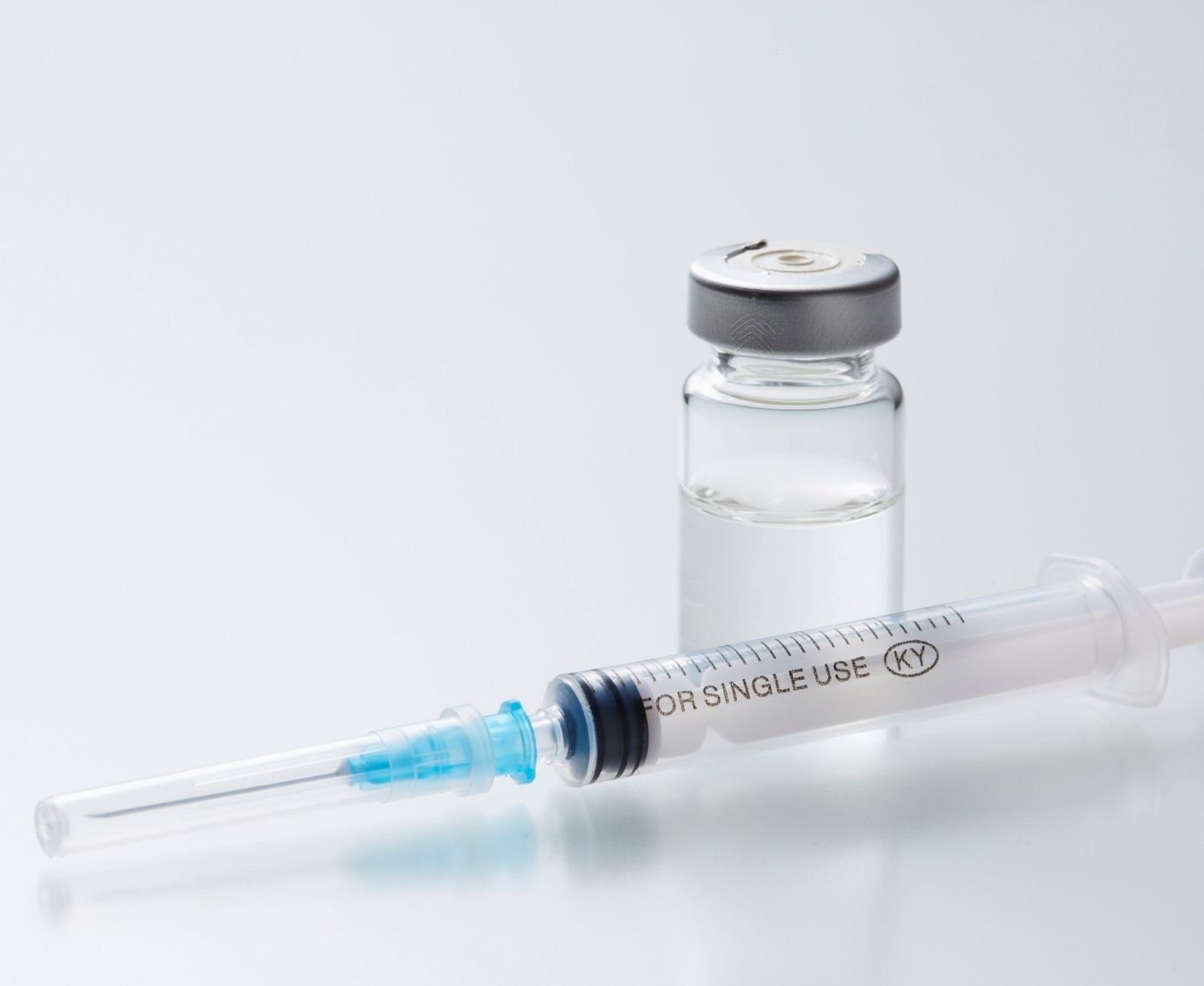

Quick Answer: No, the chlamydia vaccine is not yet available. It’s in early human trials, with optimistic signals, but access is still several years away.
Why the Chlamydia Vaccine Even Matters
Every week, someone like Maya, 24, sits in a health clinic and gets blindsided by a positive test. No symptoms. No clue. No idea which partner it came from. For Maya, like millions of others, chlamydia isn’t some dramatic health crisis, it’s a quiet disruption. A silent infection that could’ve gone undetected, untreated, and potentially threatened her fertility.
Chlamydia is the most reported bacterial STD in the U.S. and a leading cause of pelvic inflammatory disease (PID). Its stealth is what makes it dangerous. You don’t feel sick. You don’t see symptoms. And yet it’s spreading through your reproductive system like wildfire, especially if you’re under 30 and sexually active.
That’s why researchers have spent decades chasing a vaccine. Not just to prevent infection, but to protect people who don’t even know they’re at risk. A vaccine wouldn’t replace testing, but it could radically reduce reinfections, complications, and silent damage that shows up years later.
Why We Don’t Have One Yet
It might seem strange that in an age of COVID vaccines developed in under a year, we still don’t have one for chlamydia. But vaccine timelines aren’t just about science, they’re about urgency, market demand, and biology itself. For decades, chlamydia has been considered "treatable" with antibiotics. That status has often made it less of a funding priority, even as repeat infections piled up in young people and pregnant patients.
From a science perspective, chlamydia presents a mess of challenges. Unlike viruses like HPV or SARS-CoV-2, the chlamydia bacterium (Chlamydia trachomatis) hides inside your cells. That makes it harder to “show” your immune system what to target. It also infects multiple sites, cervix, urethra, throat, rectum, which adds complexity to designing a vaccine that works everywhere it needs to.
Early attempts in the 1960s actually made things worse: one trial resulted in more severe disease in some participants. It spooked the field. It took decades for science to catch up to what a safe and effective immune response to chlamydia might look like.
But now, things are moving.
People are also reading: The Future of STD Testing: Telemedicine, AI, and At‑Home Kits
Where Things Stand Today: A Vaccine in Human Trials
In 2025, Sanofi and the biotech company Evaxion launched a Phase 1/2 trial of an investigational chlamydia vaccine based on mRNA technology, the same platform used in many COVID-19 vaccines. The study is recruiting adults ages 18 to 29 who’ve had multiple partners or new sexual partners in the last six months. The trial spans roughly 18 months and aims to assess safety, dosage, and immune response.
That same year, the vaccine candidate received Fast Track status from the U.S. Food and Drug Administration. That’s a big deal. It means the FDA recognizes its potential public health impact and will streamline the review process once data is available.
But let’s keep it real: that doesn’t mean a vaccine hits CVS next year. Even under the best conditions, we’re still several years out. There’s no Phase 3 trial yet. No emergency authorization. And even if all goes well, rollout would likely begin with targeted populations, not a universal vaccine recommendation from the CDC overnight.
| Vaccine Type | Technology | Trial Phase | Projected Timeline |
|---|---|---|---|
| EVX-R1 (Sanofi/Evaxion) | mRNA platform | Phase 1/2 (ongoing) | Completion ~late 2026 |
| Other subunit vaccines | Protein-based | Preclinical | Unknown |
| MOMP-based constructs | Recombinant protein + adjuvant | Animal trials | Under development |
So the answer to your headline question, can you get the vaccine yet?, is still no. But it’s not “never.” For the first time, we’re seeing real momentum, real funding, and real human trial data starting to roll in. That’s more than we could say even five years ago.
Check Your STD Status in Minutes
Test at Home with RemediumChlamydia Test Kit
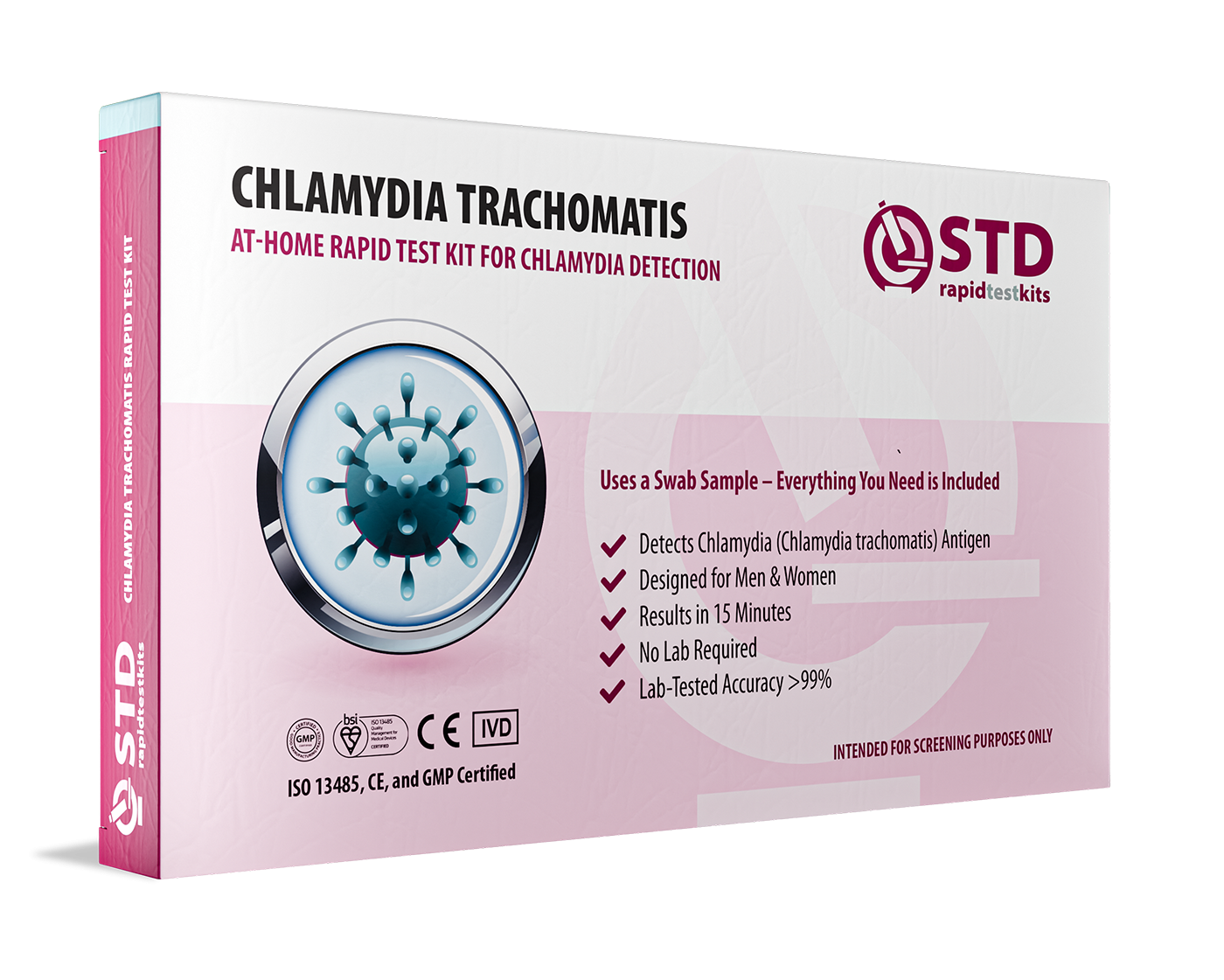
 For Men & Women
 Results in Minutes
 No Lab Needed
 Private & Discreet
Order Now $33.99 $49.00
Who Will Get It First?
Let’s talk logistics. When a chlamydia vaccine is finally approved, it won’t just show up in your doctor’s office and be offered to everyone. Access will roll out in stages, based on risk, age, and public health priorities. If you lived through the COVID-19 vaccine launch, you’ve seen this playbook before.
The likeliest priority groups? People under 30, especially those assigned female at birth. Why? Because that’s where chlamydia hits hardest in terms of fertility risks, silent infections, and long-term complications. According to the CDC, two-thirds of all reported chlamydia cases are in people ages 15 to 24. And while men get infected too, the biological consequences in women, like scarring in the fallopian tubes, make early protection a more urgent priority.
We also might see rollouts among people who test frequently, those with repeat infections, or communities with limited access to routine care. Think college campuses, LGBTQ+ health centers, STI clinics. Some models even suggest offering the vaccine alongside HPV shots or birth control consults to streamline delivery.
Jayden, 19, is on his second chlamydia infection in two years. Both times he says he had no symptoms. Both times he tested because his girlfriend asked him to. He says if there were a vaccine, he’d be the first in line. Not because he’s reckless, but because he knows how easy it is to miss the warning signs entirely.
What It Won’t Do, And Why You Still Need to Test
Let’s kill a myth before it starts: a chlamydia vaccine won’t make testing obsolete. Not now. Not ever. Vaccines reduce risk, they don’t erase it. Especially with an infection like chlamydia that spreads via vaginal, anal, and oral sex, across different anatomical sites, in different genders, and often without symptoms.
Even if a vaccine ends up being 70% effective, that’s not a free pass. It means your risk goes down. It means one partner might avoid infection. It does not mean you can skip testing forever or stop using protection. Think of it like the flu shot, you still wash your hands. Or the HPV vaccine, you still do Pap smears. Same logic.
Also, keep in mind: most of these vaccines will be designed to protect against initial infection. It’s less clear if they’ll prevent reinfection, or infections at all sites (like rectal or throat). It’s possible that future vaccines will only target certain strains or offer limited-duration protection. The science is still evolving.
Here’s where things get emotionally real. You might be reading this thinking, “I already had chlamydia, so what’s the point?” You’re not alone. For people like Brittney, 32, the first infection came and went in her 20s. No big deal. The second one? Her IUD failed. She got PID. Now she’s in fertility consults. She wonders if a vaccine would’ve changed anything. It probably would have. But no one offered her that option. No one had it to give.
That's why this isn’t just a scientific story, it’s a generational one. A vaccine might not erase past damage, but it can prevent someone else from living it. Especially for young people who don’t test often, don’t show symptoms, or don’t think it can happen to them.
How a Vaccine Will (and Won’t) Change the Way We Prevent STDs
Think of it this way: a chlamydia vaccine will become one more tool in the toolkit, not the whole toolkit. You still need regular testing, especially if you have multiple partners or change partners often. You still need to talk to your partners. You still need to think about condoms and dental dams, especially for anal and oral sex where vaccines may offer less coverage.
Here’s a snapshot of what your future might look like post-vaccine:
| Protection Tool | Current Role | Post-Vaccine Role |
|---|---|---|
| Condoms & Barriers | Primary prevention for chlamydia & other STDs | Still crucial, vaccine won’t protect against all STDs |
| Routine STD Testing | Essential for asymptomatic detection | Still recommended, especially for unvaccinated or new exposures |
| Partner Communication | Helps reduce reinfection & increase testing | Still vital, vaccines won’t change human behavior overnight |
| Vaccination (future) | Not available yet | Adds protection layer, especially for younger people |
So when the day comes, get the shot. But don’t hang up your common sense with your mask. Like all things in sexual health, this will be about layers. The vaccine is a layer. It is not the whole plan.
People are also reading: It Burns When I Poop After Sex. Is That an STD?
What If You Already Feel Left Behind?
Here’s a truth that doesn’t get printed in medical journals: a lot of people feel like they missed the vaccine boat. Maybe you’ve had chlamydia twice already. Maybe it gave you complications. Maybe it ended a relationship. So when you see headlines about "new vaccines on the horizon," it hits differently. Not with hope, but with grief. Why now? Why not when I needed it?
Ty, 27, still remembers how his ex told him she tested positive. He got checked, took the pills, didn’t feel anything, but something shifted. Sex got weird. Trust broke down. He says it wasn’t the infection that changed things, but the silence around it. The shame. A vaccine, he says, might not have fixed the relationship. But maybe they’d never have had that conversation at all. Maybe that’s what he misses the most: the version of his life where it never happened.
This is why prevention work, vaccine or not, has to be trauma-informed. The way we talk about STDs has to acknowledge the mental residue they leave behind. Not just the antibiotics. Not just the timeline. But the self-blame, the secrecy, the fear that you’re now marked in some invisible way. A vaccine doesn’t erase that. But it might stop it from happening again.
For people who’ve been infected before, a vaccine might still offer protection against reinfection, depending on how it’s designed. It’s too early to know exactly how strong or long-lasting that protection will be. But that’s not a reason to opt out. If anything, it’s more reason to stay informed. To be in the line when it’s your turn. To claim the care you were never offered before.
Check Your STD Status in Minutes
Test at Home with Remedium6-in-1 STD Test Kit
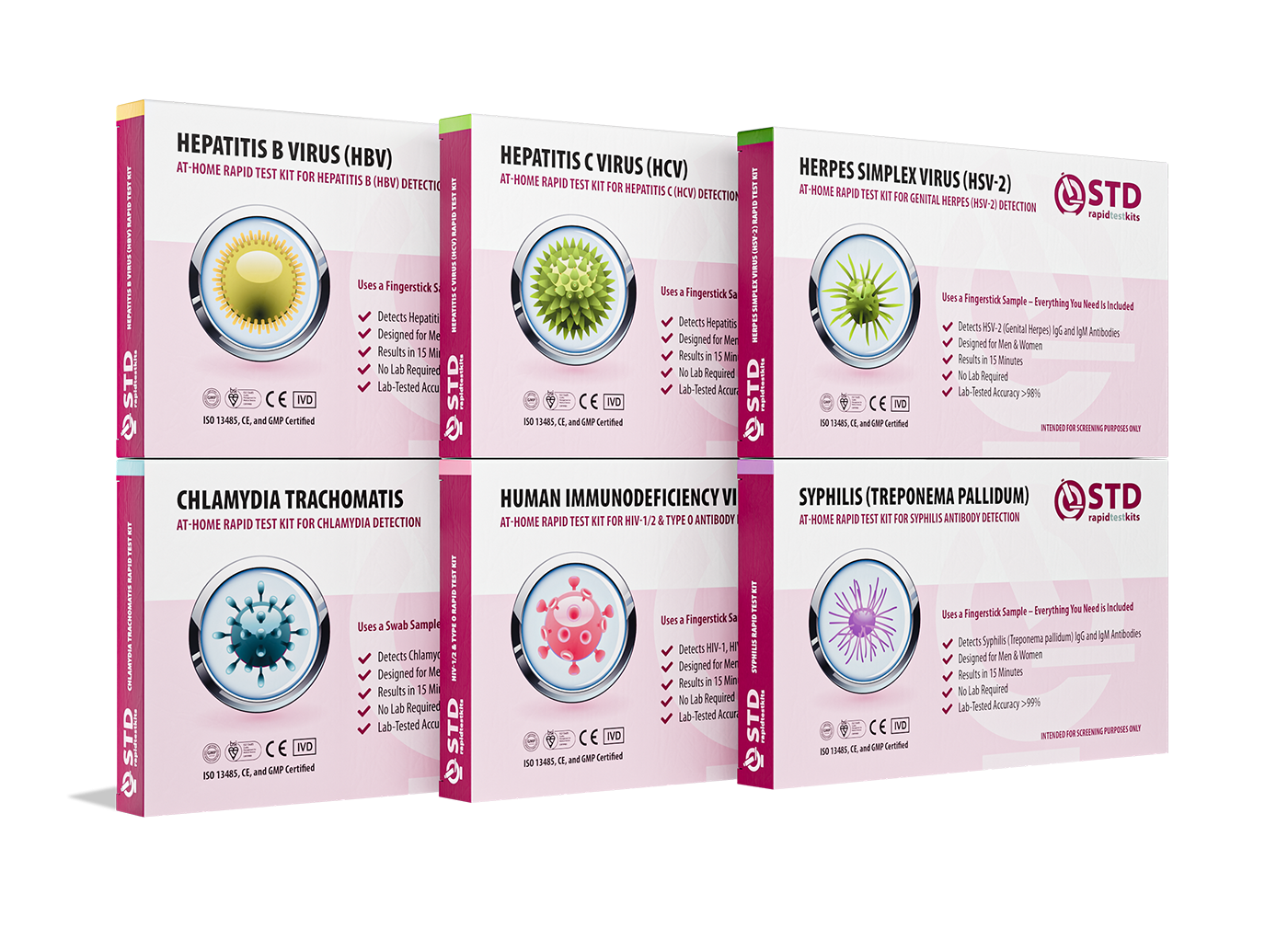 For Men & WomenResults in MinutesNo Lab NeededPrivate & Discreet
Order Now $119.00 $294.00
For all 6 tests
What to Do Now While You Wait
We’re not here to give you empty promises. The vaccine isn’t ready. It won’t be available next month, or probably even next year. But there are real things you can do today that offer peace of mind and protection.
If you’re sexually active and under 30, getting tested regularly is one of the most effective ways to avoid long-term complications. Even if you feel fine. Especially if you feel fine. Chlamydia doesn’t knock. It doesn’t burn for everyone. Sometimes it just hides. Until it doesn’t.
If you’ve recently had a new partner, or if your partner had other partners, it’s worth checking. And yes, you can do it from home. STD Rapid Test Kits offers discreet, affordable testing you can do without a clinic visit. No judgment. No awkward waiting rooms. Just clarity.
Think of it as your bridge. The vaccine is the future. Testing is the now. Both matter. Both can coexist. And both are part of taking care of yourself, and your partners, with honesty and care.
Here’s what that timeline might look like in your real life:
| Scenario | Recommended Action | Why It Matters |
|---|---|---|
| New sexual partner in the last 30 days | Take an at-home test 2 weeks post exposure | Window period allows detection of infection |
| History of chlamydia in past 2 years | Retest every 3–6 months, even without symptoms | Reinfection is common and often silent |
| Thinking about trying non-monogamy | Test before and after each new partner | Protects everyone involved, builds trust |
| Waiting for a partner’s results | Consider combo kit (e.g. Chlamydia + Gonorrhea) | Many infections occur in clusters |
If you're not sure what to order, this at-home combo test kit checks for multiple common STDs and comes in discreet packaging. It’s fast, accurate, and lets you skip the clinic without skipping your health.
FAQs
1. Can I roll up my sleeve and get the chlamydia vaccine right now?
Not yet. We’re not at that stage, no pharmacies, no doctor’s offices are offering it. The vaccine is still in clinical trials, which means researchers are testing it in small groups to make sure it’s safe and works. Best case? We’re still a few years away. Worst case? It stalls. But for now, it's “coming soon,” not “ready today.”
2. If I’ve already had chlamydia, does the vaccine still help me?
Yes, and that might surprise people. Having chlamydia once doesn’t mean you’re immune. In fact, you're at higher risk of getting it again. Think of the vaccine as a second line of defense, not a rewind button. It can help reduce your chance of another round, even if you’ve been through the antibiotics dance already.
3. Will the vaccine make condoms or testing pointless?
We wish. But no. This vaccine (when it’s available) will lower your risk, not erase it. It won't cover all strains. It won’t stop gonorrhea, syphilis, herpes, or HIV. And it won’t replace smart choices like testing regularly and having honest partner convos. It's a tool, not a hall pass.
4. Is this just for women?
Nope. Chlamydia doesn’t discriminate, and neither should the vaccine. Trials often focus on people assigned female at birth because of the fertility risks, but men, trans, and nonbinary folks can all get chlamydia and spread it. Infections happen in urethras, rectums, throats, this vaccine is being built with multi-site protection in mind. We’re not playing favorites.
5. How will I know when the vaccine is actually available?
When it’s ready, trust us, you’ll hear about it. Expect news blasts, clinic posters, maybe even ads like we saw with COVID or HPV. But until that day? If a sketchy site says they’ll mail it to you now, run. That’s not science. That’s snake oil.
6. What about people who never show symptoms, will the vaccine help them too?
Absolutely. That’s kind of the whole point. Most people with chlamydia don’t have symptoms, which means they don’t get treated, and they keep spreading it without knowing. A vaccine helps close that gap. It protects even when you don’t know you’re at risk.
7. How do I know if I should test now or wait for the vaccine?
If you’re asking this, test now. The vaccine isn’t coming this year, and waiting could mean missing a silent infection. It’s like waiting for airbags to be standard in cars before wearing a seatbelt. You’ve got tools now. Use them.
8. Can I still get chlamydia if I get vaccinated later?
Probably, yeah. No vaccine is perfect. Even the best one might reduce your risk by, say, 60% or 70%. That’s great news from a public health standpoint, but it doesn’t mean you’re invincible. Testing still matters. Condoms still matter. You still matter.
9. What does “Fast Track” mean, is that good or scary?
It’s good. It means the FDA is watching this vaccine closely and will speed up the review once trial results come in. It doesn’t mean cutting corners, it means recognizing this thing matters. But “fast” in vaccine years still means a few more laps around the clinical trial block.
10. Can I sign up for a trial and get it early?
Maybe. If you’re 18–29, sexually active, and near a major research center, you might be eligible. But keep in mind: trials aren’t freebies. You’ll be monitored, might get a placebo, and won’t know the results for a while. It’s science, not a shortcut.
You Deserve Answers, Not Assumptions
We all want to believe the next medical breakthrough will save us from our past. But while we wait for the chlamydia vaccine to move from lab bench to real life, your health can’t wait. Getting tested isn’t just about catching a silent infection, it’s about honoring your body, your future, and the people you share it with.
Don’t wait and wonder, get the clarity you deserve. This at-home combo test kit checks for the most common STDs discreetly and quickly.
How We Sourced This Article: We combined current guidance from leading medical organizations with peer-reviewed research and lived-experience reporting to make this guide practical, compassionate, and accurate.
Sources
1. Chlamydia Vaccine Candidate Gets Fast Track Status
2. Sanofi-Evaxion mRNA Chlamydia Vaccine Trial Listing
3. Chlamydia Vaccine Development: Recent Advances
4. Potential Public Health Impact of a Chlamydia Vaccine
5. Immunological Challenges in Chlamydia Vaccine Development
6. Rethinking STI Vaccines With Gender and Site Inclusion
About the Author
Dr. F. David, MD is a board-certified infectious disease specialist focused on STI prevention, diagnosis, and treatment. He blends clinical precision with a no-nonsense, sex-positive approach and is committed to expanding access for readers in both urban and off-grid settings.
Reviewed by: Alicia Hwang, RN, MPH | Last medically reviewed: November 2025
This article is only for information and should not be used as medical advice.


