






Quick Answer: Yes, you can get an STD from just foreplay. Skin-to-skin contact, saliva, and genital fluids, without penetration, can still transmit infections like herpes, HPV, gonorrhea, syphilis, and even HIV in rare cases.
When “We Didn’t Have Sex” Isn’t Protection
It’s one of the most common refrains on STD forums: “But we didn’t even have sex.” Sometimes that’s said by people who only made out. Other times, it was mutual masturbation, a naked grind session, or oral sex that didn’t seem like a big deal in the moment. But the body doesn’t care about definitions, only contact, fluid, and timing. And foreplay, despite the name, often includes all three.
Let’s be blunt: what many people call foreplay, oral sex, fingering, hand-to-genital contact, dry humping without clothes, carries real risk. It’s not as risky as unprotected vaginal or anal sex, but “less risky” doesn’t mean “no risk.” A 2022 review in Sexually Transmitted Diseases confirmed that herpes, HPV, gonorrhea, syphilis, and even hepatitis B can spread through intimate skin contact, oral fluids, and shared surfaces like fingers or sex toys.
The stigma around STDs often creates this binary thinking: either you had “real” sex and deserved the risk, or you didn’t, and you’re safe. That shame-based logic collapses when someone develops symptoms after what they assumed was a “safe” night.
So What Counts as Risky Foreplay?
Let’s walk through a few real-life micro-scenes, situations people ask about all the time when they’re panicking, Googling in the middle of the night, and wondering if they're being paranoid or cautious.
Scene 1: Two college students hook up at a party. There’s no sex, just oral and some touching below the waist. One of them has a cold sore healing, no blister, but still present. Ten days later, the other notices painful spots near the genitals. That’s how genital herpes (HSV-1 or HSV-2) often starts: not from full intercourse, but from mouth-to-genital oral contact.
Scene 2: A guy fingers his partner after they’ve both been grinding naked. Later, he scratches himself and rubs his eye. Three days later, he develops painful eye swelling and discharge. A swab confirms gonorrhea conjunctivitis, a rare but documented outcome from fluid transfer between genitals, hands, and eyes.
Scene 3: Two people mutually masturbate, occasionally sharing a vibrator. Neither cleans it between uses. A few weeks later, one of them tests positive for chlamydia. While less common, bacteria can survive briefly on moist surfaces like toys or fingers, especially if passed directly from one mucous membrane to another.

People are also reading: I Couldn’t Get a Test for 8 Months: COVID Delayed My STD Diagnosis
Table 1: Common Foreplay Acts and STD Risk Levels
| Foreplay Activity | Possible STD Transmission | Risk Level |
|---|---|---|
| Oral sex (mouth to genitals) | Herpes, gonorrhea, chlamydia, syphilis, HPV, HIV (rare) | Moderate to High |
| Fingering or hand-genital contact | Herpes, HPV, chlamydia (rare), gonorrhea (rare) | Low to Moderate |
| Genital grinding without clothes | Herpes, HPV, syphilis | Moderate |
| Shared sex toys (uncleaned) | Chlamydia, gonorrhea, HIV (rare), herpes | Moderate to High |
| Dry humping with clothes on | Minimal to no risk | Very Low |
Table 1. Risk estimates are based on current CDC, Mayo Clinic, and peer-reviewed literature. “Low” does not mean zero. Transmission depends on factors like viral load, skin condition, duration of contact, and presence of cuts or lesions.
Wait… You Can Get Herpes from a Handjob?
It’s rare, but possible, especially if fingers contact genital fluid or sores and are then used to touch mucous membranes like the mouth, eyes, or genitals of another person. The skin on hands is tougher than genital tissue, but when cuts, hangnails, or torn cuticles are present, transmission risk increases. There’s even a term, “herpetic whitlow”, for herpes lesions on fingers, often seen in healthcare or sex work contexts.
People are often shocked when they develop herpes or HPV after no penetration. But that’s because most education around STDs is centered on intercourse, ignoring the many ways bodies exchange contact, pleasure, and microbes. The virus doesn’t wait for penetration, just opportunity.
There’s also timing. Herpes has an average incubation period of 4 to 7 days. That means you might not connect a sore that appears next week with that makeout-heavy night you thought was “safe.”
Testing can be confusing too. Herpes blood tests don’t detect recent infection, and many people never show symptoms. That’s why up to 80% of people with genital herpes don’t know they have it, according to CDC estimates.
So yes, herpes, like many STDs, is fully capable of spreading during foreplay. Especially when foreplay includes direct oral-genital contact or any skin-to-skin rubbing involving infected areas.
Check Your STD Status in Minutes
Test at Home with Remedium7-in-1 STD Test Kit

 For Men & Women
 Results in Minutes
 No Lab Needed
 Private & Discreet
Order Now $129.00 $343.00
For all 7 tests
Why Some STDs Love Skin Contact
Some infections need fluids, blood, semen, vaginal secretions, to travel. Others? They just need skin. Herpes, syphilis, and HPV don’t require penetration or ejaculation. They transmit through touch, especially when one person has an active sore, wart, or lesion, even if it's small or unnoticed.
This is why someone can get infected even if a partner “looked healthy.” According to the Planned Parenthood HPV guide, many people with HPV or herpes have no visible signs but can still pass the virus through skin contact. That includes thighs, labia, pubic areas, and around the scrotum, places condoms often don’t cover.
Even a healing cold sore can transmit HSV-1 to the genitals during oral sex. Once transmitted, it becomes a lifelong infection. Some people only ever have one outbreak; others get recurring flares. Either way, it's a surprise nobody wants after what felt like innocent foreplay.
And if you think HPV is a “female problem,” think again. A 2023 review in The Lancet Global Health estimated that nearly 1 in 3 men globally are infected with genital HPV, most without knowing.
Table 2: STD Transmission Without Penetration
| STD | Foreplay-Only Transmission Documented? | How It Happens |
|---|---|---|
| Herpes (HSV-1, HSV-2) | Yes | Skin-to-skin contact, oral to genital contact, finger to genitals |
| HPV | Yes | Contact with warts or infected skin, even without symptoms |
| Gonorrhea | Yes (oral, fingers, toys) | Oral-genital contact, infected fluids on hands or objects |
| Syphilis | Yes | Direct contact with a syphilitic sore during foreplay |
| HIV | Rare | Through blood or open sores during oral, fingers with cuts, shared toys |
Table 2. While the risk is lower than intercourse, non-penetrative transmission has been confirmed in multiple studies. The key factors are mucosal contact, fluid exchange, and timing within the partner’s infectious window.
Real Talk: When “Safer” Still Isn’t Safe Enough
This doesn’t mean foreplay is dangerous or that intimacy should be clinical. But it does mean people deserve real facts. Knowing how STDs actually spread makes consent smarter, not scarier.
One common misconception is that if there is no ejaculation, there is no risk. However, gonorrhea and chlamydia can still be spread by pre-ejaculate fluid. Even light oral sex, like brief licking or rimming, can transmit syphilis, gonorrhea, and hepatitis A, according to the CDC’s current guidelines.
Also worth noting: STDs don’t always present with clear signs. Some people feel itching, burning, discharge, or bumps. Others feel nothing at all. That’s why people often don’t realize they’ve been exposed until weeks later, long after the hookup they dismissed as “safe” or “just messing around.”
In many ways, the term “foreplay” itself is misleading. It implies it’s not real sex. But medically speaking, any genital contact or exchange of fluids is sex, and can carry risk.
So When Should You Get Tested After Foreplay?
If your encounter involved no skin-to-skin contact, no fluid exchange, and you both remained fully clothed, your risk is extremely low. But if there was oral sex, finger-genital contact, naked grinding, or toy sharing? Testing is a smart move, especially if your partner’s status is unknown.
Here’s the tricky part: testing too soon can give false negatives. Every STD has a “window period”, the time between exposure and when a test can reliably detect it. You can test earlier for peace of mind, but follow up later if symptoms appear or the test was outside the optimal window.
The table below offers basic timing guidance.
Table 3: Testing Timelines After Foreplay-Only Contact
| STD | Earliest Test Date | Best Time to Test | Recommended Test Type |
|---|---|---|---|
| Chlamydia | 7 days | 14 days | NAAT (urine or swab) |
| Gonorrhea | 7 days | 14 days | NAAT (urine, throat, or rectal swab) |
| Syphilis | 3 weeks | 6 weeks | Blood test (RPR, VDRL) |
| Herpes | No reliable early blood test | Wait for symptoms or 12+ weeks | Swab of active sore or IgG blood test |
| HPV | N/A | 6 months or during annual exam | Pap test, HPV DNA test (cervical only) |
Table 3. These testing windows assume the exposure involved foreplay only (not penetrative sex). Testing too early may miss an infection. Consider retesting later if symptoms emerge or your partner’s status is uncertain.
If your head keeps spinning, peace of mind is one test away. This combo STD test kit covers the most common infections and delivers discreet results from the privacy of your home.

People are also reading: The Syphilis Surge No One Saw Coming
Case Study: “I Never Took Off My Underwear, So How Did I Get Herpes?”
Jasmine, 24, was sure she’d played it safe. Her hookup with a friend stopped short of intercourse. “We kept our underwear on the whole time,” she told her doctor two weeks later, confused and panicked by a painful sore near her vulva. “He touched me, I touched him, but we didn’t actually have sex.” A swab confirmed it: HSV-2, genital herpes.
“I felt betrayed by my own caution. I didn’t even do the ‘risky’ stuff and still ended up here.”
Her story isn’t rare. The assumption that clothing is a barrier depends on how much fabric is between two bodies, and what’s happening underneath it. Skin-to-skin contact between the groin, even through thin fabric or with shifting coverage, can be enough to transmit HSV if one person is shedding the virus. Even more frustrating? The person who passed it to her didn’t have symptoms, and still doesn’t. That’s the heartbreak of herpes: many people never know they’re contagious.
Jasmine’s doctor offered compassionate clarity, not blame. “This wasn’t a mistake. This was misinformation,” she remembers him saying. He explained that while condoms reduce risk, they don’t cover everything, and neither does underwear in a heated moment. She left the clinic with antivirals, a new understanding of sexual health, and a fresh mission: to be open with future partners and protect others from the shock she experienced.
Her story is a reminder: STI education must go beyond “just wear protection.” It must name the acts people actually do, oral, fingers, skin contact, and teach what’s real, not just what’s traditionally warned against.
Why So Many People Don’t Know They’ve Been Exposed
Up to 80% of people with herpes don’t know they have it. Many with chlamydia or gonorrhea only discover it through routine screening or after a partner tests positive. In the context of foreplay, this means a partner can feel fine, look fine, and still pass something along during a heated makeout or oral session.
One common frustration we hear: “They said they were clean.” But did they test? When? For what? Many people mistake “I don’t have symptoms” for “I’m STI-free.” And because standard STI panels don’t always include herpes or HPV unless specifically requested, someone can be tested and still be unknowingly positive.
Here’s what to ask next time: “Have you tested in the last 3–6 months? What did the test include? Did you get results?” If the answer is “I don’t know,” that’s not a red flag, it’s a yellow light to slow down and get clear.
And remember: testing isn’t about catching someone. It’s about creating safety for both of you. Especially when “just foreplay” turns into naked touching, shared toys, or unplanned oral sex, which it often does.
Check Your STD Status in Minutes
Test at Home with Remedium6-in-1 STD Test Kit
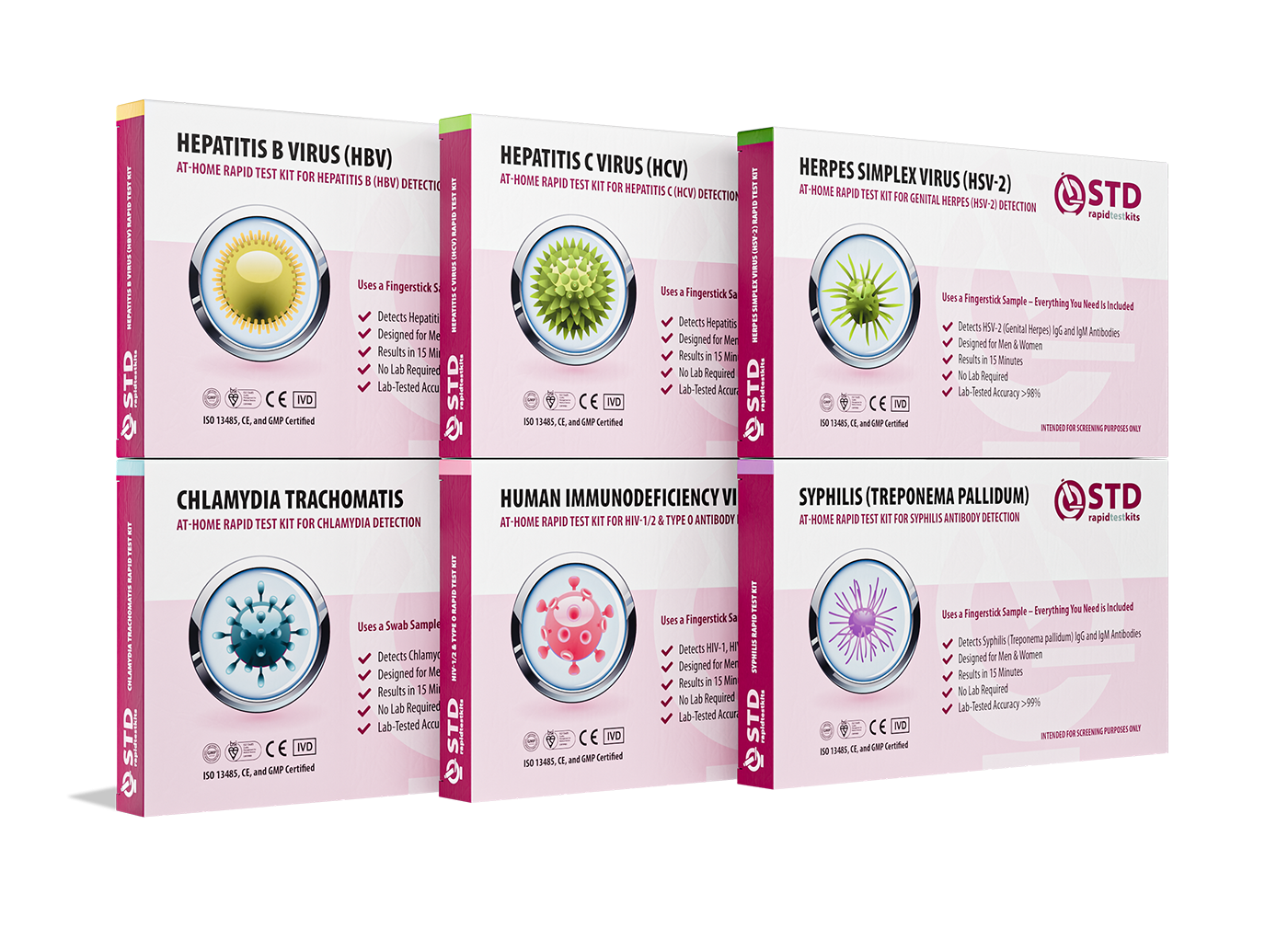 For Men & WomenResults in MinutesNo Lab NeededPrivate & Discreet
Order Now $119.00 $294.00
For all 6 tests
Sex-Positive Doesn’t Mean Risk-Blind
Foreplay isn’t dangerous. It’s normal. It’s good. And it’s often a key part of queer sex, sex after trauma, or early experiences where penetration isn’t desired or possible. But acknowledging its risks doesn’t ruin it, it makes it safer. Sex positivity includes clear, shame-free conversations about what bodies do and how infections spread.
That means we say what we mean. That “just a blowjob” is sex. That “just touching” can involve fluids. That “we used toys” might require a condom or cleaning step between partners. It’s not about fear, it’s about facts.
The most empowering thing isn’t avoiding risk, it’s understanding it, so you can choose with clarity. Whether you decide to test, disclose, pause, or proceed with a plan, that’s sexual agency. And that’s the goal.
If you’re here because something feels off, burning, bumps, discharge, or just a gut instinct, you’re not overthinking. You’re paying attention. You deserve answers, not assumptions.
Order a discreet, doctor-trusted kit from STD Rapid Test Kits. You don’t need permission to check your health, you just need options.
FAQs
1. Can I really get an STD from just foreplay?
Yes, and it throws a lot of people. “Just” oral, fingering, or rubbing bodies together might not seem risky, but if fluids, skin-to-skin contact, or open sores are involved, infections like herpes, HPV, or gonorrhea can absolutely be passed along. The body doesn’t care about our labels, it just responds to contact.
2. What about fingering, can that actually spread anything?
In rare cases, yes. If someone has a cut on their finger and touches infected fluids, or if fingers move from one partner’s genitals to another’s without washing, infections like herpes or gonorrhea can be transferred. It’s not common, but it’s not impossible either. Think of it like: if it’s wet, warm, and in contact, there’s potential.
3. Oral sex feels low-risk. Is it?
Lower, sure, but not zero. A mouth can carry herpes, gonorrhea, syphilis, even chlamydia or HIV (in rare cases). If someone has a cold sore, inflamed gums, or even a sore throat caused by gonorrhea, oral can pass that along. It’s not about fear, it’s about knowing what’s real.
4. We didn’t even take off our underwear. How could I have caught something?
If your underwear stayed fully on and dry, your risk is minimal. But sometimes things shift, friction moves fabric, or fluids leak through. Herpes and HPV especially love to travel across groins during grinding, so it’s not always about full nudity. It’s about contact and proximity.
5. My partner swears they were clean. Should I still test?
Here’s the thing: “clean” isn’t a test result. Many people haven’t been tested recently, don’t know what their panel included, or assume no symptoms means no infection. If you’re unsure, test for yourself, not because you don’t trust them, but because you trust your body and your peace of mind.
6. How soon can I test after a foreplay-only hookup?
Depends on what happened. For chlamydia or gonorrhea, you can test reliably around 7–14 days. Syphilis takes longer, closer to 6 weeks. Herpes? There’s no great early blood test, so it’s best to wait for symptoms or test around 12+ weeks if you’re concerned. See the table above for the full scoop.
7. I got a negative test, but symptoms started later. What now?
Retest. False negatives can happen if you test too soon or the infection wasn’t detectable yet. If you have new symptoms, burning, bumps, weird discharge, trust your body and check again. One test isn’t the whole story.
8. Do toys count as risky if they’re shared?
They sure can. If a sex toy touches one person and then goes straight to another without a condom or cleaning? That’s a fluid bridge. Chlamydia, gonorrhea, even herpes can hitch a ride. It’s not gross to share, it’s just smarter to clean or wrap between uses.
9. Is it even worth testing if I don’t have symptoms?
Absolutely. Many STDs, especially chlamydia and HPV, can hang out silently for months or years. No symptoms doesn’t mean no infection. Testing is how you keep yourself (and future partners) safe, even if nothing feels “off.”
10. Okay, but what if I’m just being paranoid?
Listen: if it’s bothering you enough to Google it at 2AM, it’s not paranoia. It’s your brain asking for clarity. Testing doesn’t mean you messed up. It means you care about your health, and that’s never something to apologize for.
You Deserve Answers, Not Assumptions
Foreplay is often left out of the conversation, treated like a harmless prequel to “real” sex. But real risks live there too. Herpes, HPV, gonorrhea, and syphilis can all travel through acts that feel innocent, safe, or “not enough” to warrant worry. But your health doesn’t depend on definitions, it depends on exposure, biology, and action.
Whether you’re dealing with symptoms, feeling unsure, or just want to stop worrying, you have options. You can test. You can treat. You can move forward with clarity instead of confusion.
Don’t wait and wonder, get the clarity you deserve. The most prevalent STDs can be swiftly and discreetly detected with this at-home combo test kit.
How We Sourced This Article: We combined current guidance from leading medical organizations with peer-reviewed research and lived-experience reporting to make this guide practical, compassionate, and accurate.
Sources
2. CDC STD Treatment Guidelines
3. About STI Risk and Oral Sex — CDC
4. About Genital HPV Infection — CDC
5. About Sexually Transmitted Infections (STIs) — CDC
6. STI Screening Recommendations — CDC
7. Sexually Transmitted Infections — NCBI Bookshelf
About the Author
Dr. F. David, MD is a board-certified infectious disease specialist who works to stop, diagnose, and treat STIs. He is dedicated to making his work available to more people in both urban and rural areas. He combines clinical accuracy with a straightforward, sex-positive approach.
Reviewed by: Dr. Lena Rothschild, MPH | Last medically reviewed: January 2026
This article is for informational purposes and does not replace medical advice.


