







The 4 Incurable STDs: What They Are and How People Manage Them
We’re diving deep, pun intended, into the science, the myths, and the actual risks behind STD transmission in swimming environments. Using real data, expert opinions, and even a few eye-opening case studies, we’ll walk through what’s possible, what’s not, and how to protect your health without giving up your summer fun.
Can STDs Really Be Transmitted in Pools? Separating Fact from Fiction
Let's start with the basics: STDs (sexually transmitted diseases) like chlamydia, gonorrhea, herpes, and syphilis are spread almost solely through direct person-to-person sexual contact by exchanging bodily fluids.
So what about your friend's party hot tub? According to the CDC and a variety of credible health sources, the likelihood of getting an STD from water, a public pool or jacuzzi, is very low to none.
Here's why:
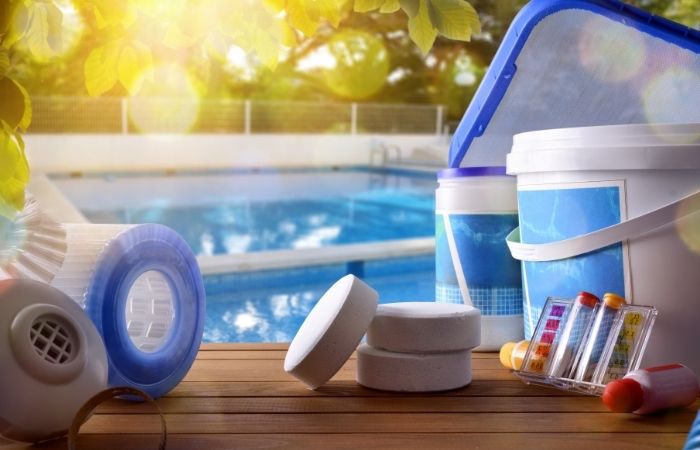
- Chlorine also kills most pathogens on contact. Public pools are strongly chlorinated and treated with other disinfectants designed to kill viruses and bacteria.
- STDs don't fare well outside the body. Pathogens like gonorrhea and chlamydia need warm, wet body conditions to thrive. The moment they hit chlorinated water, they're more than likely deactivated.
- Dilution is key. Even if tiny amounts of infected fluids did make it into the water, they would be immediately diluted.
That said, there have been case reports in the medical literature. In 2021, one case study described a woman who potentially acquired gonorrhea from a thermal pool in Europe. But the setting was an unregulated, unchlorinated, and crowded setting, hardly your local community pool.

What Are the Real Health Risks of Pools and Hot Tubs?
Just because STDs aren't an issue in the water doesn't mean public hot tubs and pools are risk-free. Here's a breakdown of what can happen:
Hot Tub Rash (Pseudomonas Folliculitis)
Caused by the bacterium Pseudomonas aeruginosa, this rash manifests as red, itchy bumps and tends to show up hours after relaxing in a poorly maintained hot tub.
It's not sexually transmitted but may be mistaken for herpes or another STD due to the appearance.
Urinary Tract Infections (UTIs)
Sitting in warm water for a long time, especially in a bathing suit, can create a warm, damp condition that breeds bacteria.
Although UTIs are not STDs, they can cause some of the same symptoms like burning or discomfort when urinating.
Yeast Infections or Bacterial Vaginosis
Once again, these are not sexually transmitted but tend to get lumped into STD discussions.
Warm, damp environments can play havoc with vaginal flora, especially in infection-prone individuals.
Molluscum Contagiosum
This skin infection can be spread by contaminated surfaces like towels or hot tub seats, not the water itself. It can appear very similar to genital warts, causing confusion.
In short, the real risks in the pool are more bacterial skin infections, not STDs. But these issues are usually minor and preventable with hygiene and clean facilities.
Check Your STD Status in Minutes
Test at Home with Remedium8-in-1 STD Test Kit

Claim Your Kit Today
Save 62%
 For Men & Women
 Results in Minutes
 No Lab Needed
 Private & Discreet
Order Now $149.00 $392.00
For all 8 tests
What About the Exceptions? Rare Cases and Misconceptions
So what about the scary headlines and that one guy on Reddit who said they got herpes from a spa? Let's examine:
Rare Cases
There are some sporadic case studies, like the 2021 Biomed Central study of possible gonorrnea infection in a hot bath. But these involve:
- Poor water sanitation
- High body-to-body contact
- Natural hot springs or poorly regulated spas
These are exceptions, not your neighborhood pool or resort hot tub.
Survival Outside the Body
Most STD pathogens do not live longer than seconds to minutes outside the human body, especially in treated water. Herpes, for example, is very fragile and dies quickly once exposed to air or water.
Towels, Benches, and Surfaces
Although STDs cannot be transmitted through water, shared surfaces like benches, towels, or gym equipment can carry skin-to-skin infections like:
- HPV
- Herpes (if the virus is active and very new)
- Molluscum contagiosum
It's a long shot, but if you're concerned, use your own towel and avoid sitting bare-bottomed on communal surfaces.

So How Do You Protect Yourself in Pools and Hot Tubs?
No need to swear off swimming for life, just swim smarter. Heed these few easy tips to reduce risk and be sure of your post-soak health:
- Tips for Safe Pool & Hot Tub Use
- Shower before and after swimming or soaking.
- Avoid pools with a strong chlorine odor, which can indicate a chemical imbalance.
- Don't enter if you have an open wound, rash, or recent infection.
- Change out of wet bathing suits immediately to reduce risk of yeast or bacterial overgrowth.
- Bring your own towel, flip-flops, and even a portable chair when using a public spa.
If you're sexually active and concerned about STD symptoms after swimming, especially if sex occurred in the area, it's a good idea to talk with a healthcare provider or try an at-home STD test privately.
What the Numbers Say – Statistical Realities of STD Transmission
With health myths, statistics help separate fear from fact.
According to the Centers for Disease Control and Prevention (CDC) and the World Health Organization (WHO):
- Chlorine kills most viruses and bacteria that cause STIs within a few minutes.
- There have been no reported, peer-reviewed cases of common STDs spread through properly maintained chlorinated pool water.
- Most waterborne diseases linked to hot tubs and swimming pools are the result of Pseudomonas, Legionella, or Cryptosporidium, none of which are STDs.
A 2021 case study at a thermal pool in Italy suggested the possibility of gonorrhea transmission, but the spa was not regulated, unchlorinated, and packed. Even in that case, researchers noted how rare and hard to prove such transmission is without direct contact.
In short? The numbers tell the tale: the risk is miniscule.
Order Now $189.00 $490.00 Check Your STD Status in Minutes
Test at Home with Remedium
10-in-1 STD Test Kit Claim Your Kit TodaySave 61%
 For WomenResults in MinutesNo Lab NeededPrivate & Discreet
For all 10 tests
What Do the Experts Say – Medical Opinions and Real-Life Cases
Dr. Elise Warner, infectious disease specialist:
"I always reassure patients that you can't get an STD from a pool or hot tub. You're more likely to get a cold from someone coughing in the locker room than chlamydia from the water."
Dr. Ricardo Mendez, dermatologist:
"Rashes after swimming are not uncommon, but most are due to bacteria or skin irritation, not STDs. Folliculitis or heat rash is usually mistaken for herpes, which leads to unnecessary alarm."
Case Insight: A 26-year-old female presented with a complaint of a rash following a spring break hot tub party. She was concerned about herpes. Diagnosis? Hot tub folliculitis, a harmless bacterial rash that improved with topical antibiotics.
The ruling from dermatologists and sexual health experts: Waterborne STD fears are grounded more in myth than in science.
A Little History – The Long-Standing Poolside Panic
STD myths in pools have existed since the early 20th century, when public spas and bathhouses became common.
At the time:
- STDs were extremely stigmatized, and people thought they could be contracted from toilet seats, linens, and, swimming pools, yes.
- In the 1950s and '60s, U.S. health posters warned soldiers about "dirty" bathhouses as places where STDs were rampant.
- Misinformation and moral panic created long-standing myths that are repeated even today.
It wasn't until the 1980s, due to more advanced research and better sexual education, that many of these ideas were disproven. But even today, social media and misinformation can quickly bring them back to the fore.
Looking Forward – Emerging Hygiene Trends and Public Health
As public awareness grows and hygiene regulations evolve, we're seeing:
- Enhanced pool maintenance criteria required by health departments
- Automated chlorine systems that test and adjust levels more accurately
- More knowledge about non-sexual infections so people can distinguish between real risks and hyped-up fears
- Apps and QR codes now help guests check pool inspection reports in some cities, a welcome sign that hygiene transparency is being incorporated into future trends.
With tools like at-home STD tests, individuals can discreetly check their status without panic, especially helpful when anxiety is driven more by uncertainty than actual exposure.
Real-World Relevance – Applying This Info in Daily Life
Here’s how to take this info and make it work for you:
Next Time You’re at a Pool Party:
- If you’re feeling off afterward, check for a rash or irritation, but don’t jump to STD conclusions.
- Know the difference between a waterborne skin condition and an actual sexually transmitted infection.
- Educate friends when myths pop up. The best way to kill misinformation is with facts, especially when they’re easy to understand.
When to Seek Help
If you’re experiencing symptoms like burning during urination, genital sores, or discharge, those likely didn’t come from the pool.
But it's better to test. Take a discreet home STD test to know without the humiliating clinic visit.
Order Now $119.00 $294.00 Check Your STD Status in Minutes
Test at Home with Remedium
6-in-1 STD Test Kit Claim Your Kit TodaySave 60%For Men & WomenResults in MinutesNo Lab NeededPrivate & Discreet
For all 6 tests
Industry Impacts – What This Means for the Wellness Industry
The hospitality and wellness industries, gyms, spas, hotels, have had to face these fears head-on:
- Upscale spas now have open chemical testing records and signage.
- Health resorts provide tips on hygiene, personal towel use, and safe behaviors.
- Gyms and health clubs are making their saunas and hot tubs cleaner than they have ever been before.
Even the STD testing companies have taken notice and are educating consumers about non-sexual transmission routes (or the lack thereof), which has led to fewer frantic unnecessary tests.
Testimonials – What People Are Saying
"I got a rash after a hot tub and freaked out thinking I had herpes. I paid for an emergency STD test. It was folliculitis from dirty jets. Wish I knew sooner."
, Jasmine P., 32, Florida
"We had a family pool party and my cousin swore she got an STD from sitting in the hot tub. She didn't, she had BV from not changing out of her suit all day."
, Chris D., 27, California
"I work at a resort spa. I can't tell you how many times people ask about STD risks. I wish I could hand them this article."
, Kaitlyn W., 41, Colorado
Common Misconceptions About STDs and Swimming
Myth 1: You can get herpes from a pool.
Fact: Herpes doesn't survive long outside the body. You can't get it from water.
Myth 2: Chlorine won't kill STD germs.
Fact: Chlorine kills most common STD-causing organisms in a matter of minutes.
Myth 3: Hot tubs are a breeding ground for sexual disease.
Fact: Unless you're having sex in one (don't), there's not much danger.
Myth 4: You can get an STD from sitting on a wet bench.
Fact: Only skin-to-skin infections like molluscum might possibly (infrequently) be a risk.
Myth 5: Any rash after swimming is an STD.
Fact: Most are bacterial, fungal, or irritation-related, not sexually transmitted.

FAQs
1.- Can STDs live in pool water?
Not for long. Chlorinated water kills most STD germs within minutes.
2.- Can you get an STD from a hot tub?
Not unless there is direct sexual contact. The water itself is not a means of transmission.
3.- What diseases can you catch from swimming?
Skin rashes, mostly, or ear infections, or waterborne bacteria, not STDs.
4.- Should I get tested after visiting a public spa?
Only if you had sexual contact, or if you have symptoms. Otherwise, no.
5.- Can children catch STDs from pools?
No, unless abuse is involved. STDs do not transmit in water.
6.- Does a chlorine smell mean clean?
Strangely, strong smell can be a sign of poor maintenance. Clean pools don't typically smell.
7.- What if I share the same towel with someone who has an STD?
Most STDs aren't spread through towels, but skin infections can be. Use your own towel.
8.- Will condoms keep me safe in a hot tub?
They offer some protection during sex, but latex is weakened by heat and water. Best not to have sex in water.
9.- Can I get HPV from a public bench or spa seat?
Unlikely. HPV typically requires skin-to-skin or mucous membrane contact.
10.- What should I do if I'm still worried?
Test at home for your own peace of mind. Our discreet kits give fast results without judgment.
Know the Risks, Not Just the Rumors
When it comes to swimming, hot tubs, and spas, it’s time to let go of the outdated fear that you’ll catch an STD just by taking a dip.
- Water? Not a threat.
- Hygiene? That’s what matters.
- STDs? Still a real issue, but not poolside.
Instead of worrying about every swim, put school first, testing when you need to, and good boundaries. Wherever you are, at a resort, gym, or hot tub party at a friend's house, you can have fun with the truth.
Take Action Now
- Get a confidential at-home STD test
- Share this article to end the myth
- Talk to a healthcare provider about your symptoms
And most importantly, stay safe by knowing the risks, not the rumors


