Acquired infection of Human Immunodeficiency Virus can cause devastating damage to the human body and may lead to death if left undiagnosed or untreated. Although the rates of mortality drastically went down when antiretroviral therapy was developed, understanding the disease, its progressions, and early diagnosis and management remain essential.
30 September 2024
5 min read
1598
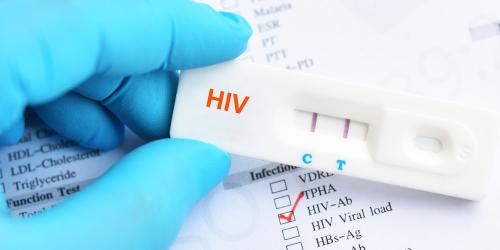
HIV has claimed millions of lives since its discovery in the 1980s. Still, advancements in medical science now allow us to manage this infection effectively. Today, the accessibility of STD rapid kit tests facilitates early diagnosis even in the comfort of your own home. Early diagnosis followed by prompt treatment can substantially reduce the risk of progression into Acquired Immunodeficiency Syndrome (AIDS) and subsequent mortality.
Most of the people medically treated can live healthy normal lives and can die from causes unrelated to their HIV infection. But it is very important to remember that life with living with HIV will influence not just your life but also the well-being of those people who are close to you—particularly people with whom you have sex.
HIV: A Global Health Concern
Infection with HIV is achieved through the direct contact of infected body fluids: blood, semen, pre-ejaculate, vaginal and rectal fluids, and breast milk. Although it is transmitted mainly through sexual activity, sharing needles, razors, or syringes among users of illegal drugs can provide another means for its transmission. As of 2018, an estimated 37.9 million people were infected with HIV worldwide, with 1.7 million children under 15 years old.
HIV Progression: The Three Stages
Stage One: Acute HIV Infection
Acute HIV infection begins one to four weeks post-infection. Symptoms can include flu-like symptoms, fever, headache, skin rash, sore throat, swollen lymph nodes, and musculoskeletal pain; others have no symptoms whatsoever. During this time, the body identifies the virus as foreign, and the immune system will be activated to fight this foreign invader. The viral load is very high at this time, and the individual is considered highly infectious.
Stage Two: Clinical Latency
The latent stage or the second stage of HIV is asymptomatic. However, this does not stop the virus from deteriorating the immune system in a slow but progressive manner. This could last as long as 15 years, and the individual is still contagious. Poor routine testing will leave the HIV infection undiagnosed, thereby helping to spread the disease because needed antiretroviral treatments are not given.
Advanced stages of the infection of HIV proceed to AIDS, which is characterized by typical symptoms of HIV infection and development of opportunistic infections. These are infections caused by organisms that do not normally cause disease in healthy people. Such infections are serious and dangerous for people with positive HIV status and often lead to death.
Symptoms during the third stage of HIV infection include weight loss, night sweats, chronic diarrhea, persistent cough, mouth sores, skin rashes, and severe opportunistic infections. Early diagnosis and treatment can help regain control over the virus to prevent progression toward AIDS.
The Physical Effects of HIV
The main target of attack for HIV is the immune cells of the body, which fight with a variety of life-threatening pathogens. The virus starts its destructive work immediately after entry into the body through replication and seroconversion. A latent period follows this initial period during which destruction continues, weakening the immune system. Further, HIV progresses to AIDS, causing severe immunodeficiency. Individuals with AIDS become very prone to opportunistic infections.
Early Diagnosis of HIV: A Necessity
According to estimates from 2015, it is estimated that half of the 40,000 Americans who were diagnosed with HIV that year had actually been infected for at least three years, and another quarter had been infected for seven years or more before their diagnosis. Shockingly, 20% of these individuals were already living with AIDS. These statistics point to the necessity of regular testing for early diagnosis, preventing further disease transmission, and enabling timely antiretroviral therapy
Strategies for HIV Prevention
HIV does not discriminate. Here are ways to reduce your risk of infection:
Get Tested Regularly: Every time you are going to have sex with someone new, both you and your partner should get tested for HIV and other STDs.
Practice Safe Sex: Use condoms or dental dams during intercourse. Consider maintaining a monogamous relationship or limiting the number of sexual partners.
Treat Other STDs: Having untreated STDs increases the chance of getting HIV. See a doctor to be tested and treated for STDs.
Post-Exposure Prophylaxis (PEP): If you think you have been exposed to HIV, see your healthcare provider right away about PEP—an emergency treatment that starts within 72 hours of possible exposure.
Pre-Exposure Prophylaxis (PrEP): This may be recommended for those at very high risk of HIV exposure.
Avoid Sharing Needles and Razors: Do not share needles, razors, or syringes, especially among users of injectable drugs.
Awareness and practice of these preventive measures will go a long way toward controlling the spread of HIV while enabling healthy lives for those living with the virus.
References
HIV/AIDS Basics - Centers for Disease Control and Prevention (CDC) - Link







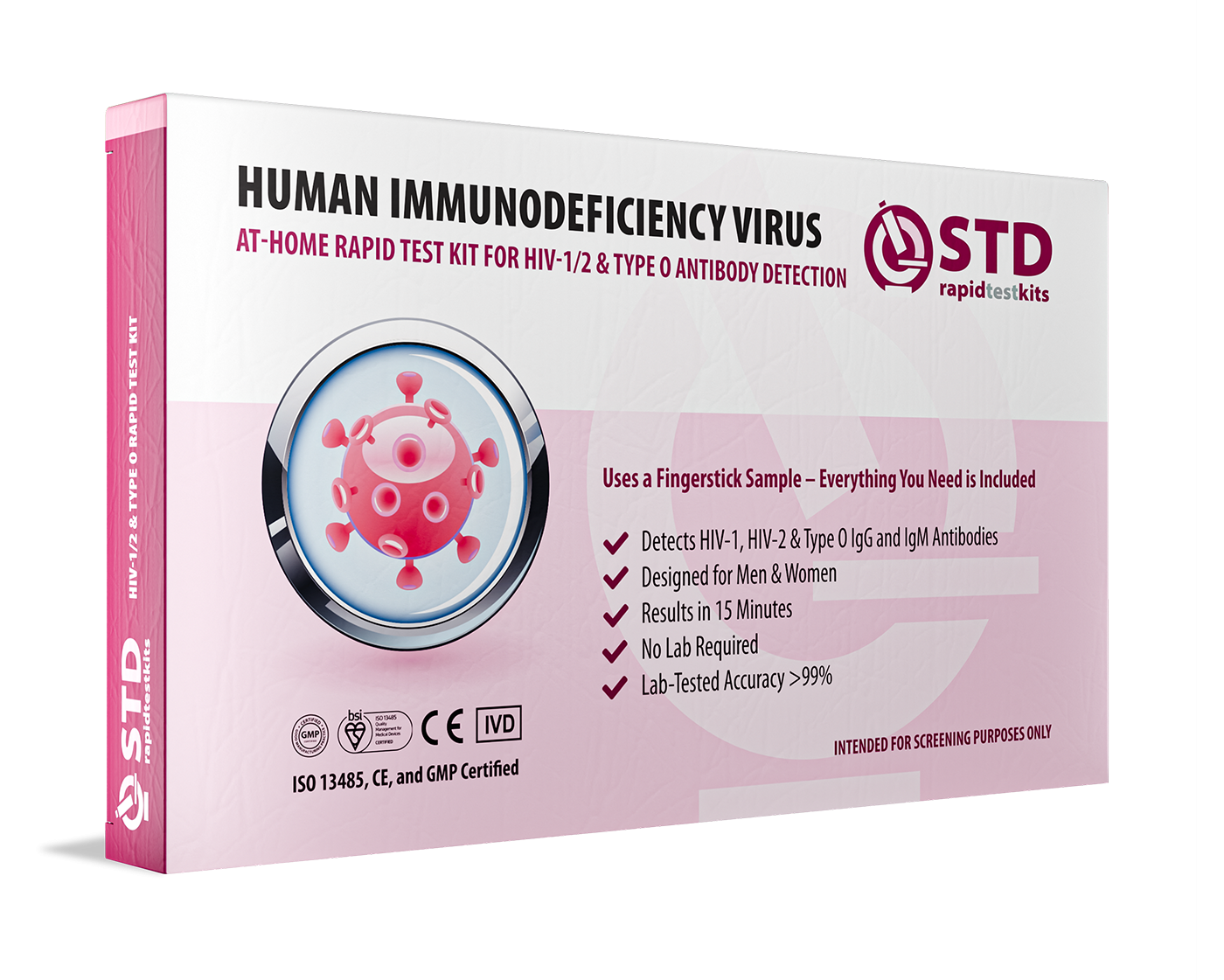
 For Men & Women
 Results in Minutes
 No Lab Needed
 Private & Discreet


