







Depression, Anxiety, and STDs: The Overlooked Impact
Understanding the Routes of STI Transmission
For the explanation of the issue, it is important to be aware of the usual mode of transmission of STIs. Most STIs are transmitted through sexual intimate contact involving vaginal, anal, and oral sexual contact. In certain instances, however, a few STIs can be contracted through non-sexual contact, such as by sharing a needle or other equipment related to injectable drug use.
Risk Factor: Sharing Underwear
While the general medical consensus may be that the risk of transmission remains on the low side, this is usually because most sexually transmitted infections are transmitted through genital secretions or blood, neither of which underwear is normally in contact with. However, here are some important exceptions to this general rule.
Case of the Pubic Lice
The most notable exception is the infection of pubic lice, popularly known as crabs. These microscopic parasites live in pubic hair and can be transmitted through intimate physical contact, as well as sharing clothes and sheets. While conventionally, pubic lice are not considered an STI, they nonetheless can be spread by sexual intercourse and cause itching and irritation on their home sites.
Scabies: Another Exception
Scabies is a different case. It is a skin infection caused by small mites that dig under the skin and can be transmitted through direct body contact, including sharing clothes or bedding. Though not generally recognized as an STI, sexual contact can definitely facilitate its transmission—intense itching and rash in the afflicted areas.
STIs like Chlamydia and Gonorrhea: A Rare Possibility
There is, however, a minor but viable chance in shared clothes or bedding concerning the viruses of the diseases Chlamydia and Gonorrhea. These bacterial STIs have been capable of surviving short lengths of time outside the body and can be transmitted through genital secretions or through blood. The transmission by shared clothes or bedding still falls into a lesser chance, not to be entirely dismissed.
Is Sharing Underwear a Safe Practice?
So, do STIs take hold from shared underwear? The short answer is, it is generally considered a low-risk behavior but there are some exceptions. If you're concerned you might have gotten an STI, it's always a good idea to take safer sex precautions and use protection, such as condoms or dental dams, to lower the chance of infection. Also, it is best to avoid sharing clothes or bedding with anyone who has an active STI or who has been diagnosed recently.
Sexual Health Matters
There is generally a low risk of acquiring an STI through underwear; however, it is also not impossible. In order to reduce STI transmission risk, the inclusion of safe sex practices and not sharing clothes or bedding with anyone suffering from an STI is important. It would be advisable to speak to a healthcare professional if one has concerns about his or her sexual health or is curious about the passing of STIs.
It is a fairly normal thing for someone to borrow underwear from someone else, be it with a sexual partner or with a very good friend. But is it safe? Are STIs transmitted by sharing underwear? Here, we try to explain the risks and exceptions of underwear sharing and how it leads to STI transmission.
Sharing Undergarments: A Delicate Balance Between Risk and Safety
Underwear is at times shared between individuals, perhaps during intimacy, between friends, or siblings. In all such habits, quite unexpected health risks may also be invited, especially if the standards of hygiene get compromised. Generally, the risk from shared underwear in respect to STI transmission remains low; nonetheless, under certain conditions, this may be amplified. Such influencing factors may include the type of STI, the life span of an STI when outside the body, and how recently it was since one partner had worn the shared underwear. Some bacteria, such as those that cause gonorrhea and chlamydia, can live briefly outside the human body. Quick sharing of underwear, especially if one is infected, may increase the risk in this way, but chances remain very small.
Hygiene Practices: A Key to Safe Sharing
Besides, a proper hygiene practice that allows for adequate washing and drying before sharing any apparel serves to further reduce this risk. High temperatures during washing and drying processes kill off most bacteria that may have survived, thereby reducing any potential risk of infection with an STI. However, individualistic practices toward intimate apparel are among the most effective ways to evade potential health hazards.
Risk Management and Health Promotion
Knowledge is the best protection against STIs. It is important to understand how these diseases are transmitted and take precautions against such transmission. Testing for STIs on a regular basis, especially if one is sexually active with multiple sexual partners, helps in early diagnosis and treatment.
Check Your STD Status in Minutes
Test at Home with Remedium7-in-1 STD Test Kit
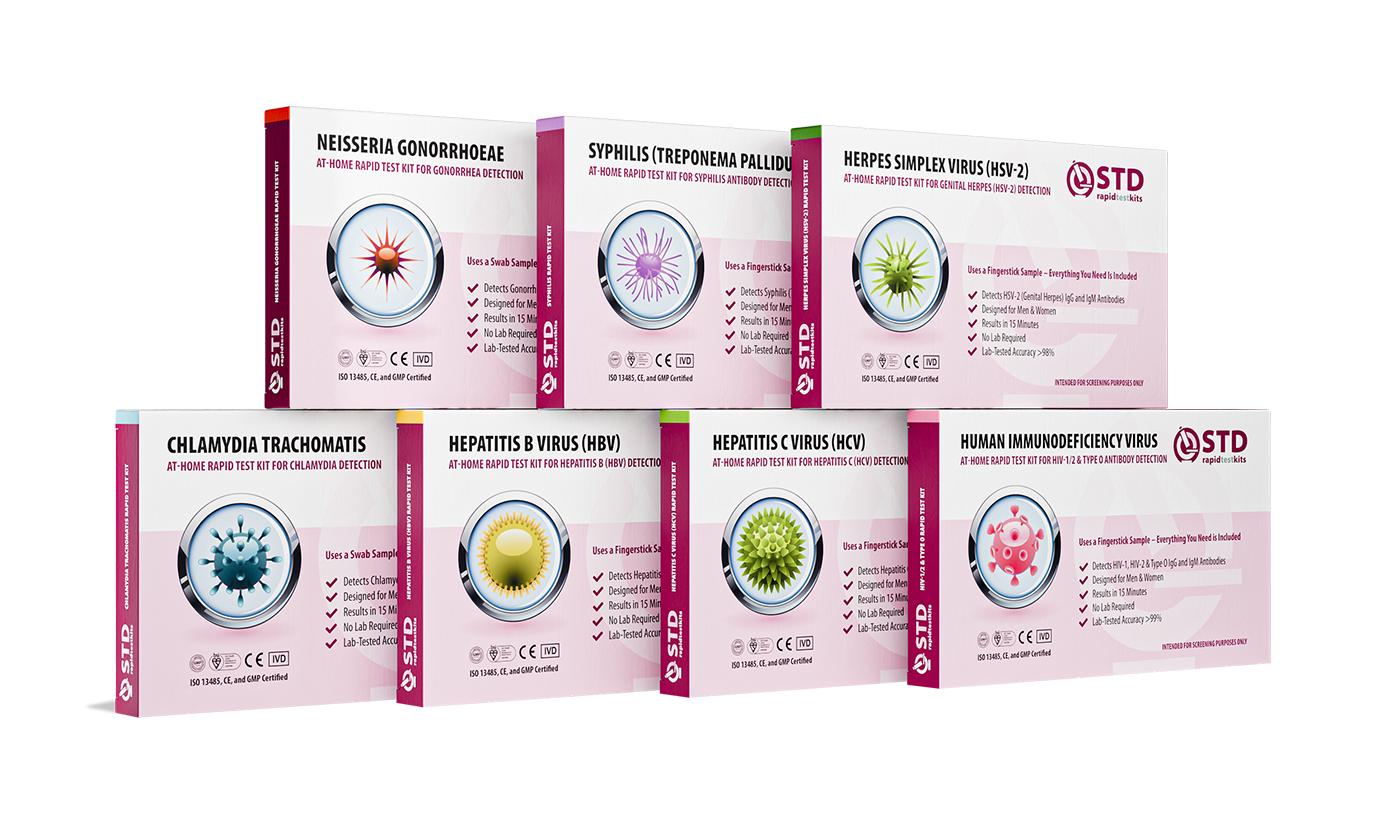
Claim Your Kit Today
Save 62%
 For Men & Women
 Results in Minutes
 No Lab Needed
 Private & Discreet
Order Now $129.00 $343.00
For all 7 tests
Safe Sexual Practices and Open Communication
Remember, protection during sexual activity greatly reduces the risk of transmission of STIs if condoms or dental dams are used. Open communication about your sexual health with a partner is also crucial in the prevention of STIs.
When Should One Consult a Doctor?
Consult a health professional immediately if any such symptoms as itching, rash, irritation, unusual discharge, or soreness appear. These could be symptoms of an STI or other skin infections. Such signs and symptoms should never be neglected, since early diagnosis may usually promise effective treatment.
The Takeaway
Although the risk of most STIs through underwear sharing is low, one should not get too comfortable because the risk level is still present. It follows that personal hygiene must be high, safe sexual practices followed, and open communication about sexual health concerns with a healthcare provider pursued. After all, as the adage goes, 'prevention is better than treatment,' and in this case, it happens to be very apt. Ensuring a safe hygienic environment not only reduces the risk of STIs immensely but also contributes toward general health and well-being.
Check Your STD Status in Minutes
Test at Home with Remedium3-in-1 STD Test Kit
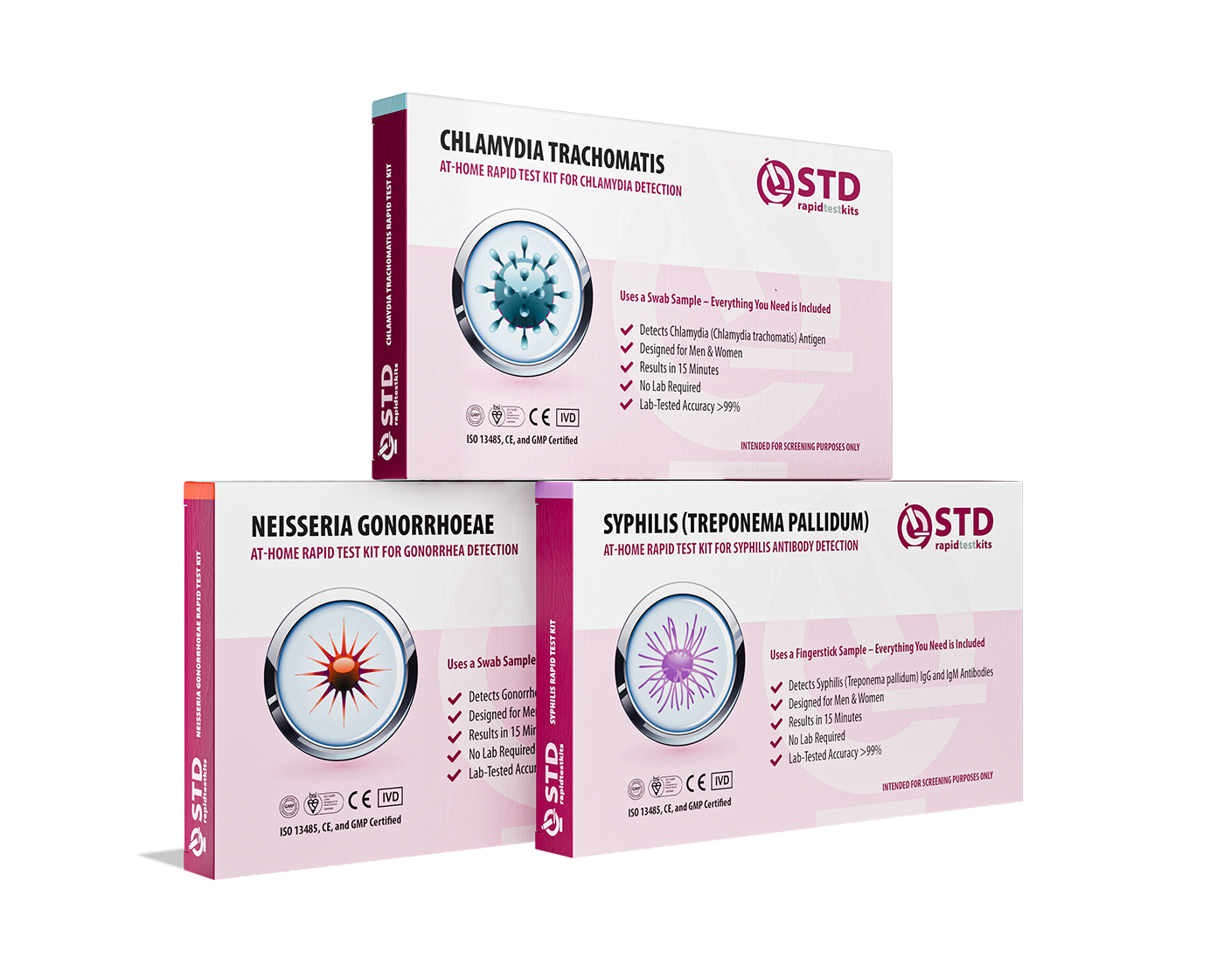
Claim Your Kit Today
Save 53%
For Men & WomenResults in MinutesNo Lab NeededPrivate & DiscreetOrder Now $69.00 $147.00


