







Quick Answer: Yes, you can be faithful and still get an STD. Viruses and bacteria like Herpes, HPV, and even Chlamydia can spread through non-sexual contact, dormant infections, or exposures that happened years before marriage. Testing, not assumptions, is the only way to know.
“But I’m Married. How Could This Happen?”
Naomi, 32, a church choir member, remembers the moment she saw the spot. “It looked like a razor bump,” she whispered, “but it hurt when I touched it.” She hadn’t been unfaithful, and neither had her husband, yet the fear was immediate: infidelity, judgment, the whole congregation whispering. What she didn’t realize was that Herpes can live silently in the body for years before showing a single sore. Faithfulness wasn’t the issue, biology was.
This is where so many people of faith find themselves: scanning their bodies, Googling at midnight, bargaining with God. Is it razor burn, a yeast infection, or something they dare not name? Searches like “STD symptoms no discharge” or “burning sensation after sex” explode in moments of fear, and shame makes it worse. Instead of seeking care, many double down on secrecy, sometimes waiting months or years before they finally test.
The reality is clear: being in a committed, religious marriage does not make you immune to sexually transmitted infections. In fact, public health research has shown that communities with higher levels of sexual silence, where premarital sex is stigmatized and testing is rarely discussed, often experience more delayed diagnoses and greater spread of infections. The body doesn’t respond to sermons; it responds to science.
People are also reading: Twice-Yearly PrEP Is Here: How Lenacapavir Could Revolutionize HIV Prevention in 2025
Faith, Biology, and the Stigma That Silences
Marcus, 44, remembers when the rumors started in his small-town congregation. “They said one of the ushers had HIV because God was punishing him. I knew that couldn’t be true, but the whispers made people afraid to sit near him.” For Marcus, who later tested positive himself, the shame wasn’t from the virus, it was from the way his community confused morality with biology.
Let’s get this out of the way: faith does not protect against STDs. Viruses like HPV or Herpes don’t care if you’re married, prayerful, or abstinent before your wedding night. Studies have shown that even couples who waited until marriage sometimes discover an infection later because one partner carried it silently for years. According to the Centers for Disease Control and Prevention, up to 80% of people with Herpes may not even know they’re infected until a first outbreak appears under stress, illness, or pregnancy.
That’s the biology: infections can hide, linger, and flare without warning. But the silence, the idea that testing is shameful or unnecessary for “good” people, comes from stigma. Researchers working with African American churches in the southern United States found that stigma around HIV and other STDs was often tied to sermons linking infection to immorality, even while pastors acknowledged privately that members needed resources. In fact, a peer-reviewed study on faith-based HIV interventions showed that congregations who embraced open dialogue and testing referrals saw better health outcomes than those who avoided the topic altogether.
Here’s the myth-busting truth: you can be faithful, you can be monogamous, and you can still get an STD. Chlamydia can linger silently for months without symptoms. Syphilis can lie dormant, surfacing years later with neurological complications. And yes, HPV is so common that most sexually active adults will contract it at some point, regardless of their marital or religious status. Pretending otherwise only delays care and puts partners at greater risk.
The Numbers Behind the Silence
Data shows that stigma isn’t just uncomfortable, it’s deadly. A 2020 study on stigma in faith communities found that fear of being judged by pastors or peers kept nearly 40% of congregants from seeking testing when they noticed symptoms. That delay increases the likelihood of complications and ongoing transmission. Another study documented that HIV stigma within churches directly correlated with fewer members getting tested, even when free testing was available through health fairs.
But here’s the hopeful flip side: when pastors, imams, and rabbis spoke openly about testing as a form of stewardship, protecting the body as a temple, congregants were significantly more likely to get screened. In Memphis, for example, partnerships between churches and local health clinics led to higher rates of HIV testing among young adults, proving that when faith leaders normalize health care, the community listens.
Silence reinforces shame. Science offers clarity. And faith leaders, when they dare to merge the two, can be powerful allies in prevention and healing.
When Silence Feels Safer Than Testing
Janelle, 26, sat in the church parking lot scrolling her phone, typing “burning after sex religious marriage STD” into Google. She and her husband had both been active in the youth ministry, both swore they’d never cheated, and yet here she was, panicked about a symptom she couldn’t pray away. “I thought God was testing me,” she recalled later. “I didn’t even know you could get Chlamydia without cheating.” The truth is, you can. Chlamydia often hides without discharge or obvious signs. It can smolder quietly, damaging reproductive health, even in marriages built on trust and fidelity.
What Janelle experienced is common. A survey published in the Sexually Transmitted Diseases Journal found that delayed testing was highest among religious young adults who reported high levels of sexual shame. Many reported believing that symptoms would “just go away” with prayer, or that seeking medical care would signal moral failure. But untreated Chlamydia, Gonorrhea, or Syphilis can lead to infertility, organ damage, and chronic pain. Faith doesn’t stop bacteria; antibiotics do.
Check Your STD Status in Minutes
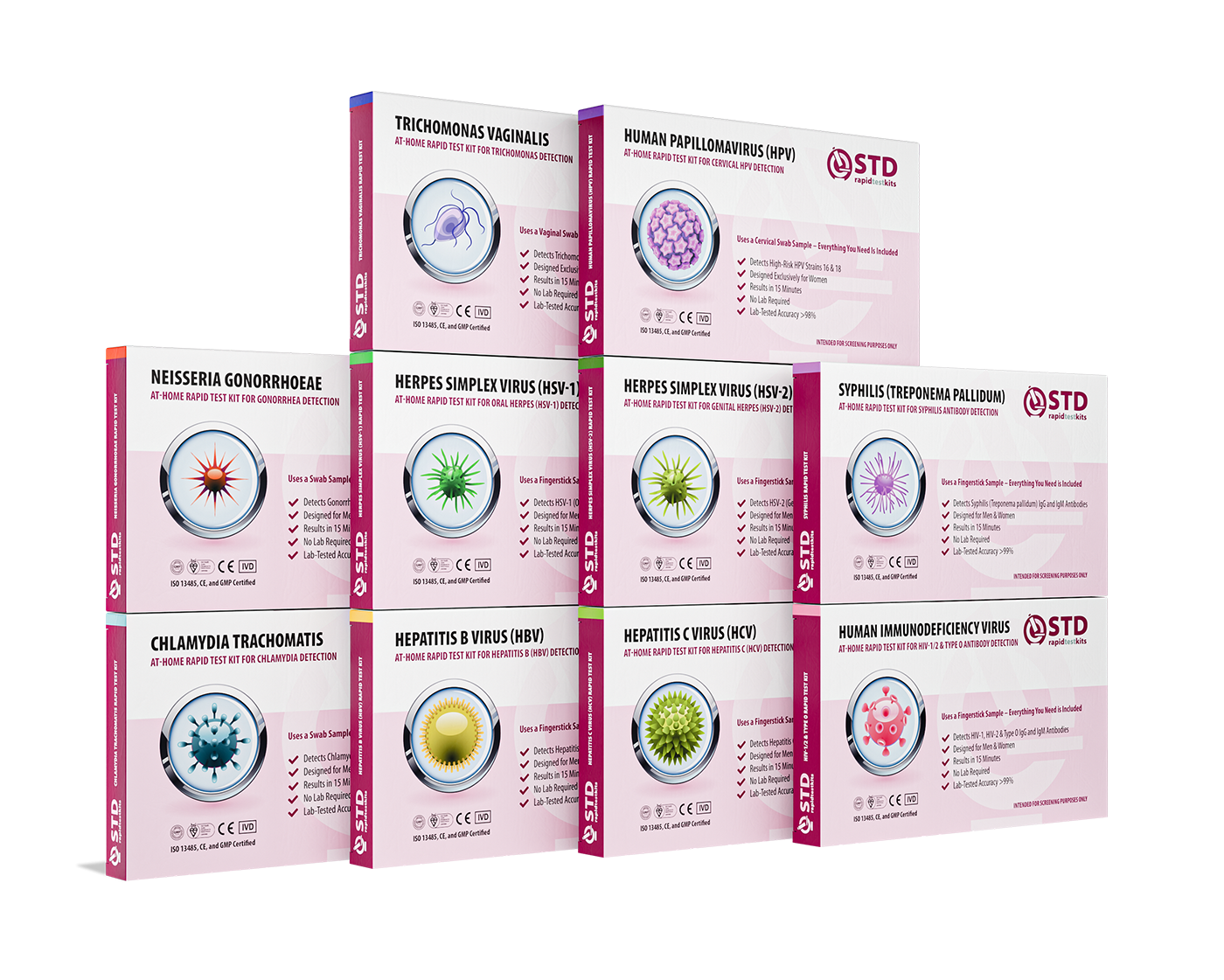
Test at Home with Remedium10-in-1 STD Test Kit
 For Women
 Results in Minutes
 No Lab Needed
 Private & Discreet
Order Now $189.00 $490.00
For all 10 tests
Faith Leaders as Bridges, Not Judges
Imagine a Sunday sermon that says: “Protecting your body through testing is protecting God’s creation.” For many, that’s all it would take to turn fear into action. Studies on faith-based health interventions show that when pastors frame sexual health as stewardship, not sin, members are more willing to seek care. In one U.S. study, congregations that partnered with health organizations to host confidential testing saw a measurable increase in HIV screenings among churchgoers under 35.
Pastor Elijah, a Baptist minister in Georgia, shared in a workshop: “We were losing too many young people to silence. So we started offering discreet referrals after service. I told them, ‘You don’t confess to me, you care for yourself.’ That shift changed everything.” His story mirrors findings from public health research showing that stigma reduction directly improves testing rates in communities of faith.
Sex-Positive, Faith-Positive
STD prevention doesn’t have to feel like a betrayal of spiritual values. In fact, it can be deeply aligned with them. Recognizing the sacredness of the body, caring for partners through testing, and refusing to let shame dictate health are all ways of living faithfully. Sex positivity isn’t about encouraging recklessness, it’s about affirming that pleasure and intimacy are part of human life, and that health is a cornerstone of that life.
Take Samir, 30, a devout Muslim man who discovered he had Herpes after marriage. “I thought my wife would think I’d betrayed her. But when the doctor explained it might have been dormant since before marriage, we realized it wasn’t about guilt. It was about moving forward together.” With proper management, Samir and his wife learned to navigate intimacy without fear. Their faith wasn’t shattered, it was deepened by honesty, compassion, and medical care.

People are also looking for: Everyday Ways Hepatitis C Can Spread: The Risks Hiding in Plain Sight
Practical Pathways Forward
If you’ve noticed symptoms, a rash that won’t heal, unusual burning, spotting, or no symptoms at all but a lingering worry, the next step isn’t confession, it’s clarity. At-home testing options mean you can seek answers privately, without a waiting room or community gossip. STD Rapid Test Kits provide discreet, FDA-approved screening for multiple infections, offering results in minutes. For those worried about judgment, these kits are often a lifeline: no questions, no shame, just knowledge.
Testing is not a betrayal of your faith. It is an act of love, toward yourself, toward your partner, and toward the community you serve. Silence, on the other hand, allows infections to spread unchecked, hurting the very families and congregations people of faith hope to protect.
As one HIV-positive priest in Uganda, Rev. Gideon Byamugisha, once said: “My faith doesn’t disappear because of a virus. My honesty is my ministry.” That’s the kind of courage that saves lives, and it starts with breaking the silence.
Peace of mind is one test away. Order your at-home combo STD test kit today and take the first step toward clarity and care.
FAQs
11. Can you really get an STD even if you’ve been faithful?
Absolutely. Picture this: you marry your partner, both of you thinking you’re starting “clean.” Years later, a cold sore or a rash shows up, and suddenly panic sets in. What happened? Infections like Herpes or HPV can sit silently in the body for years before showing their face. Faithfulness isn’t the issue, biology is.
2. Does an STD automatically mean someone cheated?
No. This is one of the most painful myths out there. A man might carry Chlamydia from a relationship he had at 19, never know it, and pass it on in marriage a decade later. It doesn’t mean betrayal, it means the infection was just waiting for the right moment to flare.
3. Can virgins really get STDs?
Yes, and here’s the kicker: you don’t need traditional intercourse to be exposed. Skin-to-skin contact, oral sex, even something as simple as sharing certain objects can spread viruses like Herpes. So when people say, “But we didn’t go all the way,” they’re often shocked to learn that wasn’t a shield.
4. Why don’t churches talk about this stuff?
Shame. Pure and simple. For generations, religious communities have treated sex as something whispered about behind closed doors. That silence makes people think testing is sinful, when really it’s just healthcare. A sermon that calls testing “stewardship” instead of “sin” could change lives overnight.
5. Is getting tested a lack of faith?
No way. Think about it: we pray for healing, but we also take antibiotics when we’ve got strep throat. Testing is the same, it’s wisdom, not weakness. Many pastors, imams, and rabbis are starting to preach exactly that.
6. Can prayer heal an STD?
Prayer can soothe your spirit, but viruses and bacteria don’t listen to hymns. Herpes outbreaks can be managed with antivirals, Syphilis can be cured with antibiotics. Faith can carry you emotionally, but medicine does the biological heavy lifting.
7. Are at-home STD tests legit?
Yes. Modern rapid tests are surprisingly accurate, often the same type of kits used in clinics. And they come with the privacy so many people in small, tight-knit faith communities need. It’s just you, the kit, and answers within minutes.
8. I’m terrified my community will find out. What do I do?
That’s the beauty of at-home kits. No waiting rooms. No risk of seeing your neighbor in line at the clinic. Just discreet packaging, results you control, and the choice of whether to share them with anyone.
9. Do all STDs have obvious symptoms?
Nope. In fact, some of the most common infections, like Chlamydia, usually don’t show any symptoms at all. That’s why testing matters: you can’t always trust your body to give you a warning sign.
10. What’s the first move if I think something’s wrong?
Take a breath. Don’t spiral into guilt or blame. The smartest first step is to get tested. Whether at home with a combo kit or at a clinic, knowing your status gives you power, and peace of mind.
You Deserve Answers, Not Assumptions
If you’re reading this with a knot in your stomach, you’re not alone. Millions of people in faith communities wrestle with the same fear: “What will people think if I get tested?” The truth is, testing is not a betrayal of your vows or your faith, it’s a commitment to truth, care, and love. Your health, your partner’s health, and your community’s wellbeing depend on breaking the silence.
Don’t wait and wonder, get the clarity you deserve. This at-home combo test kit checks for the most common STDs quickly, discreetly, and on your terms.
Sources
1. CDC – Sexually Transmitted Diseases (STDs)
2. Mayo Clinic – STD Symptoms and Causes
4. Planned Parenthood – STDs and Safer Sex
5. End HIV 901 – Faith-Based Partnerships
6. Faith-Based HIV Interventions: Research Findings
7. ScienceDaily – Stigma Reduction Improves HIV Testing Rates
8. Springer – African American Churches and HIV Stigma
9. MDPI – Faith Leaders and HIV Prevention
10. Rev. Gideon Byamugisha – HIV and Faith Leadership
11. The Religious Institute on Sexual Morality, Justice, and Healing


