Published: September 2025 | Last updated: May 2026 | Editorial review and quality control: Martina N.
Can STDs really cause cancer?
Yes, but only a handful. Persistent high-risk HPV causes nearly all cervical cancers and most anal, oropharyngeal, penile, vaginal, and vulvar cancers. Hepatitis B and C are the leading infectious causes of primary liver cancer. HIV raises risk indirectly, by weakening immune surveillance. Chlamydia, gonorrhea, herpes, and syphilis have weaker, less certain links. Screening, vaccination, and timely treatment remove most of the risk.
The link between sexually transmitted infections and certain cancers is well documented in oncology research, though the picture is more specific than the headlines suggest. Most STIs do not cause cancer at all. A small number can, and almost always only after years of untreated persistent infection. Roughly 10% of cancers diagnosed worldwide in 2022 were attributed to cancer-causing infections (WHO, cancer fact sheet), with HPV, hepatitis B and C, and HIV doing most of the work in sexual-health contexts. The good news: vaccination, routine screening, and timely treatment break that chain in the vast majority of cases.
This article walks through the infections that carry real cancer risk, the cancers they're linked to, and the testing and prevention steps that move the needle. Where research is mixed or weak, you'll see that called out plainly rather than dressed up.
This article is published by stdrapidtestkits.com, which sells at-home STI testing kits. We recommend products based on fit-for-purpose for the reader's concern, not commercial benefit.
Key Takeaways
- A small number of sexually transmitted infections drive most STI-related cancer risk: HPV (cervical, anal, oropharyngeal, penile, and vulvovaginal cancers) and hepatitis B and C (primary liver cancer) lead the list.
- Vaccines exist for two of the highest-risk infections (HPV and hepatitis B), and routine screening catches most cervical, anal, and liver problems early enough to treat.
How a chronic infection turns into cancer
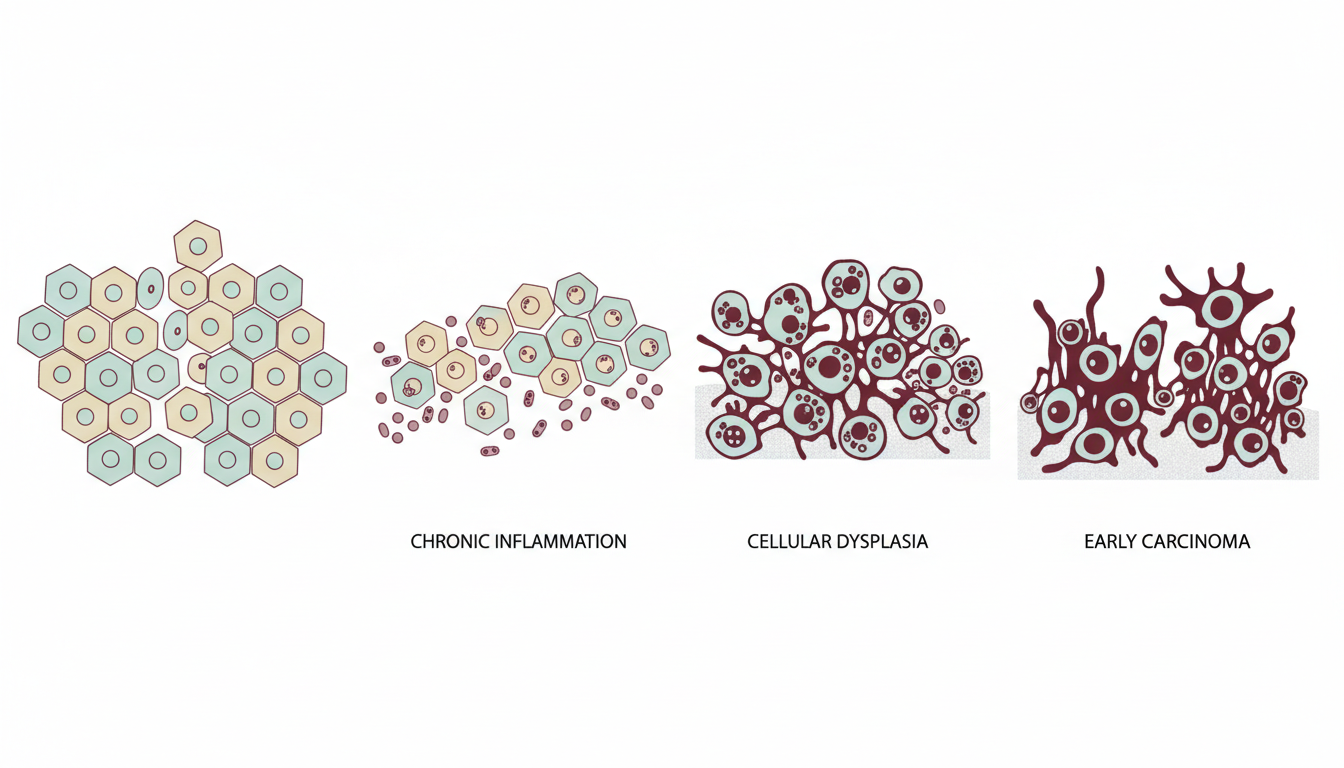
Cancer almost never starts with a single insult. It builds up over years through repeated cycles of cell damage, inflammation, and DNA error. Persistent infections can drive every step of that process.
Three broad mechanisms account for most infection-driven cancers:
- Direct cellular hijack. Some viruses make proteins that disable the cell's normal brakes on division. High-risk HPV strains produce two such proteins (E6 and E7) that interfere with the tumor-suppressor proteins p53 and Rb. When those brakes fail and the infection persists for years, the cell can accumulate the mutations needed to become cancerous. Hepatitis B virus can also insert its own genetic material into liver-cell DNA, contributing to the same pathway.
- Immune surveillance failure. A healthy immune system finds and destroys precancerous cells before they grow. HIV undermines that surveillance by depleting CD4 T-cells, which is why people with untreated HIV develop cancers driven by other oncogenic viruses (HPV, Epstein-Barr virus, Kaposi sarcoma-associated herpesvirus) at much higher rates than the general population.
- Chronic inflammation and tissue damage. Long-running infections (hepatitis B and C in the liver; chlamydia, trichomoniasis, untreated syphilis in genitourinary tissues) keep immune cells active in one location for years. That sustained inflammation produces reactive molecules and growth signals that damage DNA and select for abnormal cells.
Each pathway takes time. The cervical-cancer arc from initial HPV infection to invasive cancer typically runs 15 to 20 years in healthy women, and longer with vaccination or screening. Liver cancer from chronic hepatitis usually takes decades. That long lag is why screening works so well: between infection and cancer there's almost always a wide treatable window.
It's also why a positive STI test is rarely a cancer scare in itself. What you're managing clinically is the chance of an infection persisting untreated for years, which is what allows the slow path toward cellular damage to play out.
HPV: the leading viral cause of STI-related cancer
Human papillomavirus is the most studied and most consequential link between STIs and cancer. The CDC states that long-lasting infection with certain HPV types can cause cervical, vaginal, vulvar, anal, penile, and oropharyngeal cancers (CDC, about HPV and cancer). There are more than 200 known HPV types; about 14 are classified as high-risk for cancer, with types 16 and 18 driving most of the disease burden. HPV is responsible for a large share of the cancers diagnosed in the United States each year.
HPV is also extremely common. The CDC describes it as so widespread that nearly all sexually active people get it at some point in their lives. Most infections clear on their own within one to two years and never cause symptoms. A persistent infection with a high-risk type is what drives cancer risk, and crucially the cancer-driving strains are not the ones that cause visible genital warts. Someone can carry HPV 16 for years without any outward sign, which is why visible symptoms are not a reliable filter for cancer-relevant infection.
HPV strain groups at a glance
| HPV strain group | Causes warts? | Cancer risk | Most associated cancers |
|---|---|---|---|
| HPV 6 and 11 | Yes (most genital warts) | Very low | Rare or none |
| HPV 16 and 18 | No | High | Cervical, anal, oropharyngeal |
| HPV 31, 33, 45, 52, 58 and others | No | Moderate to high | Cervical, vulvar, penile, anal |
Cancers linked to HPV, and what protects against them
Persistent high-risk HPV is tied to cancers at several body sites. The share of cases it drives is documented by the U.S. National Cancer Institute:
- Cervical cancer. Virtually all cervical cancers are caused by HPV.
- Anal cancer. More than 90% of anal cancers are HPV-linked.
- Oropharyngeal cancer. About 70% of cancers of the back of the throat, base of the tongue, and tonsils are HPV-linked, and the share has been rising in men over the past two decades.
- Penile cancer. Roughly 63% of cases are HPV-linked, though penile cancer overall is uncommon.
- Vaginal and vulvar cancers. About 75% of vaginal and 69% of vulvar cancers are HPV-linked.
The American Cancer Society lists the same broad set of HPV-driven cancers across both sexes (ACS, HPV and cancer), which is why HPV is no longer treated as a women's-health-only concern.
What protects against HPV-related cancer
The HPV vaccine (Gardasil 9 in the U.S.) covers nine high-risk and wart-causing strains, including types 16 and 18. ACIP recommends routine vaccination at ages 11 to 12 with catch-up through age 26. Adults aged 27 to 45 may benefit from vaccination after shared clinical decision-making with a clinician, depending on personal risk. Even after sexual debut the vaccine can still protect against strains the person has not yet encountered.
For people with a cervix, the screening pathway is well established: a Pap test or an HPV test (or both) on the schedule your clinician recommends, typically every 3 to 5 years for average-risk adults. Pre-cancerous changes are highly treatable.
For other anatomic sites (anus, throat, penis), there is no broadly recommended general-population screening. Men in particular face a screening gap that the HPV vaccine partly compensates for. Risk reduction relies on vaccination, condom use (which lowers but does not eliminate transmission), and prompt evaluation of any persistent oropharyngeal, anal, or genital lesion.
Persistent symptoms worth getting checked
Most of these have ordinary, non-cancer causes. The trigger for a clinic visit is persistence: anything that does not settle within a few weeks deserves a clinician's look, not panic. None of these are a reason to assume cancer.
- A sore, lump, or wart-like growth in the genital or anal area that doesn't heal within a few weeks Common
- A persistent sore throat, hoarseness, or a painless lump in the neck lasting more than two to three weeks Common
- Unusual vaginal bleeding, especially after sex or between periods Common
- Pain, bleeding, or a lump in or around the anus Less common
- Abnormal results on a Pap or HPV test that your clinician asks you to follow up Common
- Unexplained weight loss, ongoing fatigue, or abdominal swelling (possible signs of advanced liver involvement) Rare
HIV: immune suppression amplifies cancer risk
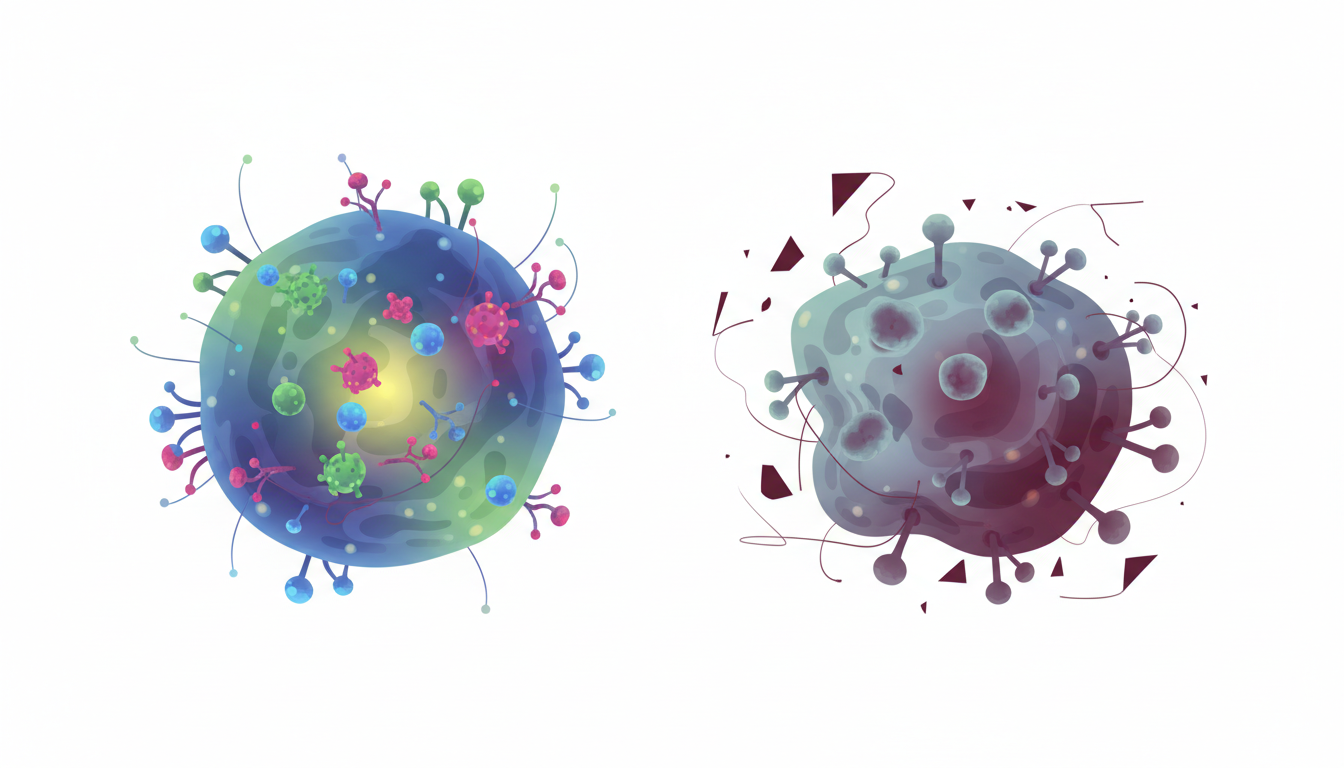
HIV does not directly cause most of the cancers seen in people living with the virus. The mechanism is indirect, though powerful: untreated HIV gradually depletes CD4 T-cells, the immune cells that normally identify and destroy abnormal or virus-infected cells before they grow into tumors. With that surveillance weakened, other oncogenic infections (HPV, Epstein-Barr virus, Kaposi sarcoma-associated herpesvirus) get more room to cause disease.
Cancers more common in people with HIV
- Kaposi sarcoma. Caused by Kaposi sarcoma-associated herpesvirus (KSHV / HHV-8), this cancer is far more common in people with untreated HIV. The U.S. National Cancer Institute reports that people with HIV are more than 200 times as likely to develop Kaposi sarcoma as the general population. It can appear in the skin, mouth, lymph nodes, lungs, and gut.
- Non-Hodgkin lymphoma. Several lymphoma subtypes, many of them Epstein-Barr-virus-related, occur at substantially higher rates in people with HIV.
- Cervical cancer. Women living with HIV have higher rates of persistent HPV infection and faster progression from precancerous changes to invasive cancer.
- Anal cancer. Anal HPV infection is more common and more persistent in people with HIV, particularly men who have sex with men.
- Liver and lung cancers. Smaller but still meaningful elevated risks remain even in the antiretroviral-therapy era, partly because of overlapping hepatitis or smoking exposures.
What lowers the risk
Effective antiretroviral therapy (ART), started promptly after diagnosis and continued lifelong, restores most of the immune surveillance that HIV strips away. People who maintain an undetectable viral load on ART have cancer rates much closer to (though still slightly higher than) the HIV-negative population, especially for AIDS-defining cancers. The CDC and major HIV-care guidelines treat early diagnosis followed by immediate ART as the single most impactful step against HIV-associated cancer risk. For HIV-negative people at higher exposure risk, pre-exposure prophylaxis (PrEP) substantially reduces transmission and removes the entry point to that elevated-risk pathway entirely.
Routine HIV testing is the connector. The U.S. Preventive Services Task Force recommends one-time HIV screening for all adults aged 15 to 65, with more frequent testing for people at higher risk. You can also reach for an at-home HIV test that returns a result in around 15 minutes; any positive rapid result should be confirmed with a laboratory test before any clinical action.
Hepatitis B and C: the liver-cancer connection
Both hepatitis B and hepatitis C can be spread through sexual contact, although for hepatitis C the dominant routes worldwide remain blood-to-blood (shared needles, tattoo equipment in unregulated settings, historical healthcare exposures). Sexual transmission of HCV is well documented but accounts for a smaller share of total infections; HBV by contrast is highly infectious through both blood and bodily fluids and transmits sexually quite efficiently.
Both viruses can cause chronic infection of liver cells. Over years to decades, that chronic infection can progress through fibrosis to cirrhosis and, in a subset of people, to hepatocellular carcinoma (HCC), the most common form of primary liver cancer. The World Health Organization's hepatitis B fact sheet links chronic HBV infection to cirrhosis and liver cancer, and the WHO hepatitis C fact sheet describes the same fibrosis-cirrhosis pathway for HCV. Together the two viruses account for the majority of primary liver cancer worldwide.
Risk reduction is well defined
- Hepatitis B vaccine. Routine for U.S. infants since the early 1990s and recommended by CDC for all unvaccinated adults aged 19 to 59. Three doses produce long-lasting protection. The vaccine prevents both acute infection and the long-term cancer risk that follows chronic infection.
- Hepatitis C cure. Direct-acting antiviral treatment cures more than 95% of hepatitis C cases in 8 to 12 weeks. Curing the infection before significant liver scarring occurs largely eliminates the cancer-risk pathway.
- Screening. CDC recommends one-time hepatitis C testing for all adults aged 18 and older, plus testing during every pregnancy and ongoing testing for people with continued risk. Hepatitis B testing is recommended at least once for all adults aged 18 and older.
Both viruses can sit silently in the body for years before any symptoms appear. By the time someone develops jaundice, abdominal swelling, or unexplained fatigue, liver damage is often already extensive. Testing is the only reliable way to find these infections early, and the testing pathway has become dramatically simpler over the last decade.
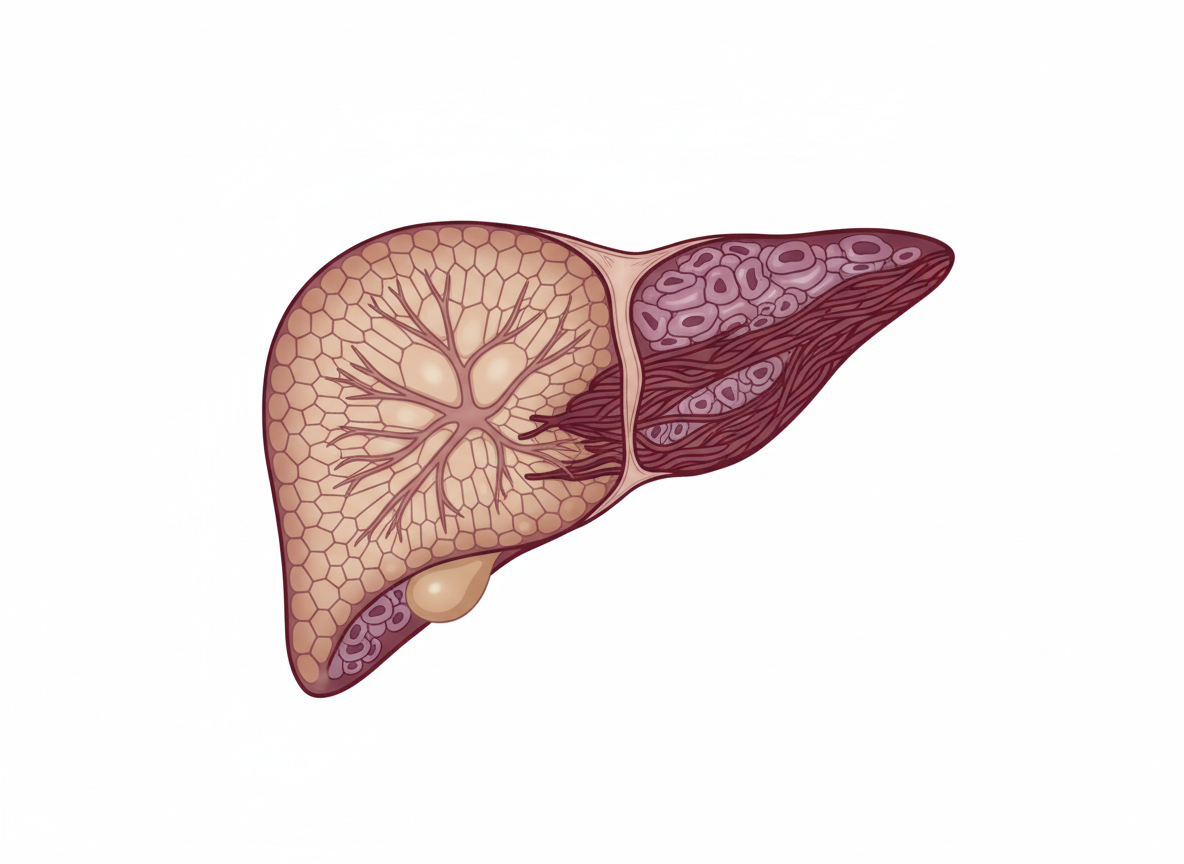
Liver cancer caused by hepatitis isn't sudden. It's the end of a long arc that begins with viral infection, runs through years of low-grade inflammation, and only progresses to cancer in a subset of people who develop cirrhosis. Every step in that arc has a tool: vaccines for hepatitis B, curative antivirals for hepatitis C, and one-time adult screening recommendations from the CDC for both. The catch is that both viruses are typically silent until late, which is the entire argument for testing once even if you feel fine.
Chlamydia, gonorrhea, and trichomoniasis: chronic-inflammation links
The three most common bacterial and parasitic STIs in this category share a pattern: they often cause no symptoms, they can persist for months or years if untreated, and the cancer-risk research focuses on the consequences of that chronic, low-grade inflammation rather than on direct viral oncogenesis.
What the evidence shows
- Chlamydia. Untreated chlamydia is the leading preventable cause of pelvic inflammatory disease (PID) and tubal-factor infertility in women. Several epidemiologic studies have reported associations between chronic chlamydia infection and a modestly elevated risk of cervical cancer, possibly mediated by chronic cervical inflammation that worsens HPV persistence. A few studies have also examined possible associations with ovarian cancer, with inconsistent results. Direct causation has not been established; the strongest argument for prompt treatment remains PID and infertility prevention, with any cancer-risk reduction as a secondary benefit. You can screen privately with an at-home chlamydia and gonorrhea test.
- Gonorrhea. Like chlamydia, gonorrhea can cause PID in women and chronic urethritis or epididymitis in men. Some studies have reported associations with prostate cancer in men with a history of repeated or chronic gonorrhea infection, again most likely through inflammation rather than direct causation. Antibiotic resistance is a separate and growing concern; CDC regularly updates first-line treatment recommendations.
- Trichomoniasis. A protozoan parasite, Trichomonas vaginalis is the most common curable non-viral STI worldwide. Research has found associations between Trichomonas infection and prostate cancer in men, and between Trichomonas and cervical pre-cancer in women, though as with the others, causality is inferred rather than proven. Trichomoniasis is fully curable with a short course of antibiotics.
The pattern across all three: untreated chronic infection appears to act as a risk amplifier when it co-exists with high-risk HPV, with general inflammation in the prostate, or in the immune-compromised. Treatment is straightforward and effective in nearly all cases. The challenge is detection, because symptoms are often absent.
Note on our trichomoniasis kit's gender scope
Our at-home trichomoniasis rapid swab is validated for vaginal self-collection only. Male readers needing trichomoniasis testing should see a clinic, where urethral swab and urine-based testing are available.
A large share of chlamydia and gonorrhea infections in women, and a smaller but still meaningful share in men, cause no noticeable symptoms. Trichomoniasis is similarly silent. Routine testing is the only way to catch these infections before they can do damage. The CDC recommends annual chlamydia and gonorrhea screening for all sexually active women under 25 and for older women with risk factors, plus targeted screening for men in higher-prevalence settings (<a href="https://www.cdc.gov/sti" target="_blank" rel="noopener noreferrer">CDC STI screening guidance</a>).
Herpes and syphilis: weaker but real signals
The cancer-risk evidence for herpes simplex virus and syphilis is less clear-cut than for HPV, HIV, or hepatitis. Both can produce chronic or recurrent inflammation in tissues that matter for cancer biology, though the population-level signal is more modest and more contested.
- HSV-2. Some older studies suggested a link between herpes simplex virus type 2 and cervical cancer. With more rigorous methods, that signal has weakened, and most modern reviews treat HPV as the dominant driver of cervical cancer with HSV-2 as, at most, a co-factor. A handful of studies have looked at HSV-2 and prostate cancer with similarly modest results.
- Syphilis. Untreated syphilis can persist for decades and cause systemic inflammation. The cancer-risk literature on syphilis is older and smaller, though some studies have reported associations with elevated rates of certain cancers, plausibly via long-term inflammation and immune disruption. Syphilis is fully curable with penicillin.
For both, the practical takeaway is the same as for the other infections in this article: detect early, treat or manage promptly, and the cancer-risk pathway largely closes.
The cancer signal for both infections is too weak to be the main reason to test or treat. The reasons that do justify acting are immediate: syphilis is fully curable with penicillin and prevents serious systemic complications when caught early, and herpes recurrences are well managed with daily suppressive antivirals if outbreaks are frequent. Routine STI screening picks up both. Take care of the infection at hand, and the modest residual cancer-risk pathway largely closes on its own.
What at-home tests can (and cannot) tell you
One point that gets lost between clinic visits and search results: even a comprehensive STI panel does not screen for cancer or for precancerous cell changes (a category called dysplasia, where cells look abnormal under a microscope but have not yet become invasive cancer). A negative HPV swab does not rule out dysplasia. A positive HIV antibody result tells you nothing about whether cancer has developed. The two are different tests answering different questions.
At-home rapid lateral-flow tests are screening tools. They use the same antibody or antigen targets that a clinic uses, in a faster and simpler format that trades some analytical sensitivity (especially compared with laboratory NAAT or PCR) for speed, privacy, and convenience. Used after the correct window period, they reliably answer the question "do I currently carry an infection that needs follow-up?"
What they do not do is replace a Pap test, a liver ultrasound, an anal-Pap follow-up, or any other cancer-specific screening. A positive screening result is a signal to confirm with a lab and start treatment. A negative result is a baseline, not a guarantee of cancer-free status, especially for HPV where the cancer-screening pathway is the Pap test rather than the antibody test.
| Infection | Home rapid test? | Cancer screening included? | Clinical screening to consider |
|---|---|---|---|
| HPV | Vaginal-swab rapid test (women only) | No | Pap test, HPV co-test, colposcopy if abnormal |
| HIV | Yes (fingerstick blood) | No | Cervical or anal Pap if HIV-positive |
| Hepatitis B | Yes (fingerstick blood) | No | Liver function tests, ultrasound monitoring if chronic |
| Hepatitis C | Yes (fingerstick blood) | No | Confirmatory RNA test, liver fibrosis assessment |
| Chlamydia / Gonorrhea | Yes (self-swab) | No | Annual screening per CDC guidance |
| HSV-2 | Yes (fingerstick antibody) | No | Clinical exam during outbreaks |
Practical prevention: what works
The headline-friendly fact about STI-related cancer is that almost all of it is preventable. Three categories of intervention do most of the work.
Vaccination
HPV and hepatitis B both have effective vaccines that prevent the chronic-infection pathway entirely. Both are recommended for adolescents in the U.S. with catch-up windows that extend into adulthood. The HPV vaccine has produced measurable population-level drops in HPV 16 and 18 prevalence and in cervical pre-cancer rates among vaccinated cohorts. The hepatitis B vaccine has been routine in the U.S. childhood schedule since the early 1990s, with global coverage cutting new chronic infections in children dramatically since then.
Screening
Cervical screening (Pap test, HPV test, or co-testing) catches almost all pre-cancerous cervical changes well before they become invasive cancer. Hepatitis B and C screening, now recommended one-time for all U.S. adults, identifies chronic infections early enough to treat or cure. HIV testing, recommended at least once for all U.S. adults aged 15 to 65, opens the door to ART before significant immune damage occurs. For people living with HIV, anal Pap screening is increasingly recommended, particularly for men who have sex with men.
Treatment
Bacterial and parasitic STIs (chlamydia, gonorrhea, trichomoniasis, syphilis) are curable with appropriate antibiotics. Hepatitis C is curable in over 95% of cases with 8 to 12 weeks of direct-acting antivirals. HIV cannot be cured, though daily ART produces an undetectable viral load and keeps the disease fully manageable for life. Each of these treatments closes (or substantially narrows) the path from infection to cancer.
Barrier methods and routine testing as the connector
Condoms reduce transmission of bloodborne and many fluid-borne STIs significantly. They are less effective against skin-to-skin viruses like HPV and herpes, where exposed skin outside the condom can still transmit. Vaccination and treatment only help if infections get detected, and in U.S. STI care the bottleneck is screening uptake, not access to treatment. At-home rapid tests, mailed PCR panels, and free clinic services all work toward the same goal of making testing cheaper, faster, and more private so more people follow through.
| Infection | Cancers linked | Best prevention | Notes |
|---|---|---|---|
| HPV | Cervical, anal, oropharyngeal, penile, vaginal, vulvar | HPV vaccine + cervical screening | Most direct cancer link of any STI |
| HIV | Kaposi sarcoma, non-Hodgkin lymphoma, cervical, anal | Early HIV testing + lifelong ART | Indirect; risk via immune suppression |
| Hepatitis B | Hepatocellular carcinoma (liver) | Hep B vaccine + adult screening | Vaccine fully prevents chronic infection |
| Hepatitis C | Hepatocellular carcinoma (liver) | One-time adult screening + DAA cure | Cured in over 95% of cases |
| Chlamydia | Possible cervical (via HPV co-factor) | Annual screening + antibiotics | Stronger argument is PID prevention |
| Gonorrhea | Possible prostate (via chronic inflammation) | Annual screening + antibiotics | Antibiotic resistance is rising |
| Trichomoniasis | Possible cervical, possible prostate | Targeted screening + antibiotics | Curable in days; women-only home kit |
| HSV-2 | Possible cervical (modest co-factor) | Suppressive antiviral if frequent recurrences | Cancer signal is weak |
| Syphilis | Weak indirect link via inflammation | Screening + penicillin | Fully curable |
When to test, and what to test for
The right testing schedule depends on your age, sexual activity, and risk profile. A few baseline recommendations apply broadly:
- HIV: at least once for all adults aged 15 to 65; annually or more often for sexually active gay and bisexual men, anyone with multiple partners, and people who inject drugs.
- Chlamydia and gonorrhea: annually for all sexually active women under 25, sexually active gay and bisexual men, and pregnant women. Older adults with new or multiple partners benefit from annual testing as well.
- Syphilis: annually for sexually active gay and bisexual men, pregnant women (at first prenatal visit), and people with HIV.
- Hepatitis B and C: at least once for all adults aged 18 and older, with repeat testing for ongoing risk.
- HPV / cervical screening: Pap test starting at age 21, then HPV-based testing or co-testing on the schedule your clinician recommends.
Beyond the schedule, test after any specific exposure event you're worried about. Window periods vary by infection: HIV antibody tests are reliable from about 23 to 90 days post-exposure depending on the assay (lab-based 4th-generation antigen/antibody combo tests can detect from around 23 days; home rapid antibody-only tests are more reliably interpreted from 45 to 90 days post-exposure). Chlamydia and gonorrhea swabs are reliable from about 1 to 2 weeks; syphilis blood tests are typically reliable from 3 to 6 weeks. A negative test inside the window doesn't fully rule out infection; a follow-up test at the end of the window is worth doing if there's a real concern.
Your next move: test, screen, or stay the course
Do you have a cervix and are you 21 or older?
Yes: Book a Pap test or HPV co-test on the cadence your clinician recommends. It is the only screen that catches precancerous cervical changes early enough to treat simply.
Are you unvaccinated against HPV or hepatitis B?
Yes: Ask a clinician about catch-up vaccination. The HPV vaccine is routine through age 26 and available through 45 with shared decision-making; the hepatitis B series is recommended for unvaccinated adults.
Has it been over a year since your last full STI screen, or have you had a new partner?
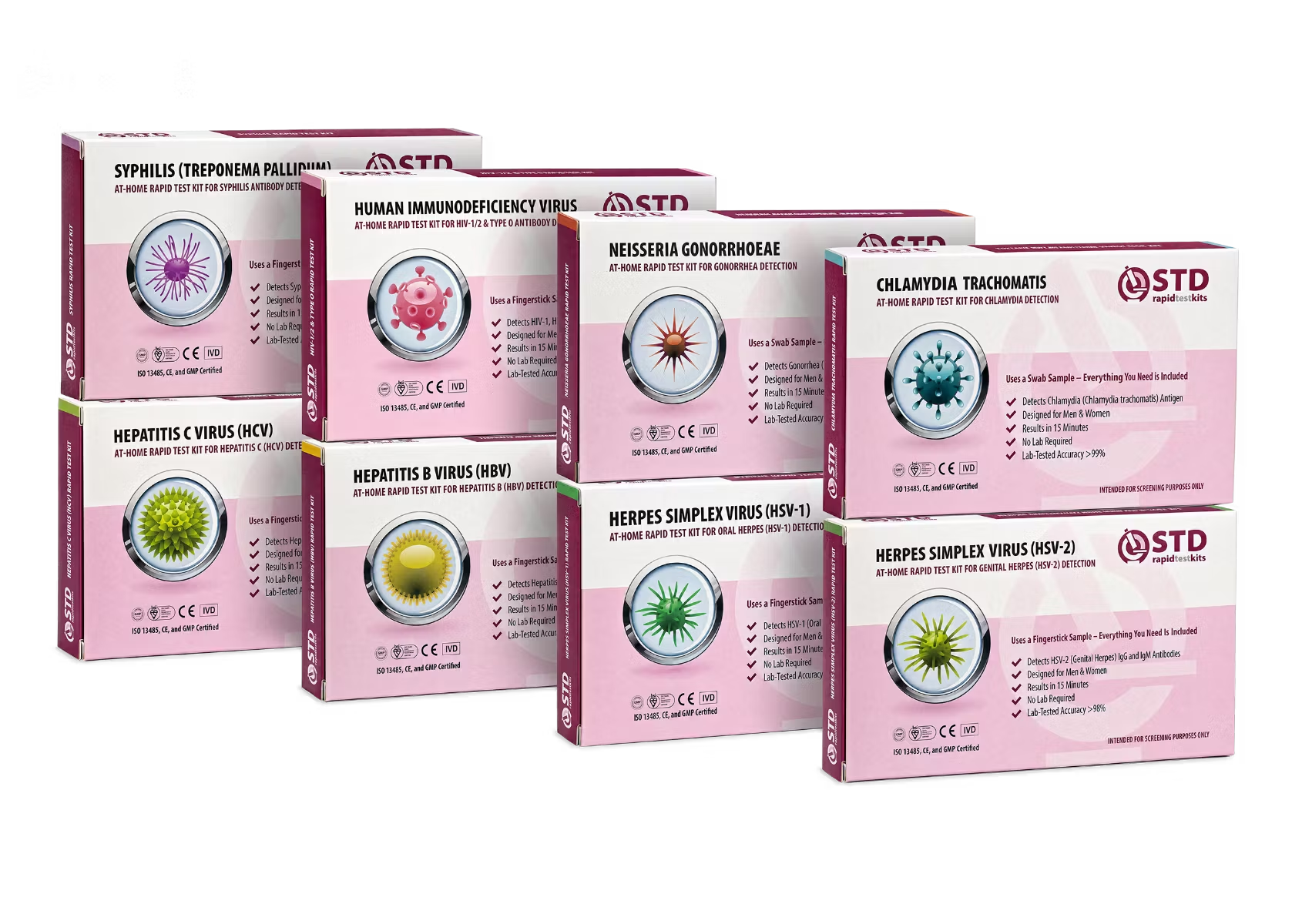
Yes: Screen now. An at-home 8-in-1 kit gives a fast baseline for the infection-related viral STIs covered here, and any reactive result should be confirmed with a laboratory test before you act on it.
No: You are likely current. Stay on your routine testing cadence and keep cervical or anal screening on schedule if it applies to you.
Guidance only. A clinician can tailor screening to your age, anatomy, and history.
FAQs
- Which STDs are most strongly linked to cancer?
- Four: HPV (cervical and several other anatomic-site cancers), hepatitis B and hepatitis C (liver cancer), and HIV (which raises risk indirectly by suppressing the immune surveillance that normally controls other oncogenic viruses). Chlamydia, gonorrhea, trichomoniasis, herpes, and syphilis carry weaker, less established links and are not classified as direct cancer causes.
- How long does it take for HPV to cause cancer?
- Routine Pap screening is designed to catch cervical cell changes during a long window where they're still highly treatable. The underlying biology takes 15 to 20 years (sometimes longer) for persistent high-risk HPV to progress from initial infection to invasive cancer if no one ever detects or treats it, which is why a regular screening cadence prevents the vast majority of cases.
- If I test positive for HPV, am I going to get cancer?
- Most people clear high-risk HPV within one to two years on their own; persistent undetected infection is the exception, not the rule. Only that persistent multi-year infection drives meaningful cancer risk, and Pap testing exists specifically to catch any cellular changes long before they become cancer.
- Does the HPV vaccine still help if I've already been sexually active?
- It can. ACIP recommends routine HPV vaccination at ages 11 to 12 with catch-up through age 26, and shared clinical decision-making for adults aged 27 to 45. The vaccine is most effective before any HPV exposure, but most people are not exposed to all nine strains the vaccine covers, so vaccination after sexual debut still provides meaningful protection against the strains you haven't encountered.
- If I have HIV, am I going to get cancer?
- No, though the risk is elevated and largely controllable. People with HIV who start antiretroviral therapy promptly and maintain an undetectable viral load have cancer rates much closer to the HIV-negative population than those with untreated HIV. Routine cancer screening, especially cervical and anal screening for people with HIV, is part of standard HIV care.
- Can men get cancer from STDs?
- Yes. HPV in men is linked to anal, penile, and oropharyngeal cancers. Hepatitis B and C cause liver cancer in both sexes. HIV-related cancer risks (Kaposi sarcoma, lymphomas, anal cancer) affect men, particularly men who have sex with men. Chronic gonorrhea, chlamydia, and trichomoniasis have been associated with elevated prostate-cancer risk in some studies, though direct causation isn't established.
- Will at-home STI tests detect cancer or precancer?
- No. At-home rapid tests detect current STI infection (HPV, HIV, hepatitis B, hepatitis C, syphilis, herpes, chlamydia, gonorrhea, depending on the kit). They do not detect cancer or precancerous cell changes. Cervical cancer screening requires a Pap test or HPV co-test from a clinician; liver-cancer monitoring uses ultrasound and blood markers.
- Do condoms prevent STD-related cancers?
- They lower risk substantially though they don't eliminate it. Condoms are highly effective against fluid-borne infections (HIV, hepatitis B, chlamydia, gonorrhea, trichomoniasis). They're less effective against skin-to-skin infections (HPV, herpes, syphilis), because exposed skin not covered by the condom can still transmit. Condoms are one tool in a layered prevention approach that also includes vaccination, screening, and treatment.
- U.S. Centers for Disease Control and Prevention. HPV (Human Papillomavirus) basics, transmission, and the HPV-associated cancer link.
- World Health Organization. Hepatitis B fact sheet, including the link from chronic HBV infection to cirrhosis and hepatocellular carcinoma.
- World Health Organization. Hepatitis C fact sheet, including the fibrosis-cirrhosis-liver-cancer pathway and the more-than-95% direct-acting antiviral cure rate in 8 to 12 weeks.
- U.S. National Cancer Institute. HPV and Cancer: share of cervical, anal, oropharyngeal, penile, vaginal, and vulvar cancers attributable to HPV.
- U.S. National Cancer Institute. HIV Infection and Cancer Risk fact sheet, covering AIDS-defining and non-AIDS-defining cancers and the more-than-200-times elevated Kaposi sarcoma risk in people with HIV.
- American Cancer Society. HPV and Cancer: the cancers HPV is known to cause in adults across both sexes.
