






Quick Answer: Yes, STDs like chlamydia, gonorrhea, and even herpes can affect sperm quality, motility, and fertility, sometimes without any symptoms. Early testing and treatment are key to protecting long-term reproductive health.
Why Some Men Never Know Until It’s Too Late
Matt was 35, single, and healthy, or so he thought. He’d had a few partners in the past year, used condoms “most of the time,” and never felt sick. He didn’t know that up to 70% of men with chlamydia show no symptoms at all, even while the infection travels up the urethra, inflames the epididymis, and potentially scars reproductive tissues. By the time Matt got tested, after a new relationship and months of trying to conceive, damage had already been done.
This is the reality for many men. STDs can be stealthy. While some cause noticeable symptoms, others do their work quietly, settling in the testicles, prostate, or vas deferens. Without regular screening, many men are left in the dark until fertility issues emerge. And even then, STDs aren’t always the first suspect.
But the science is clear: multiple STDs can reduce sperm quality, interfere with ejaculation, damage reproductive structures, and, in some cases, lead to irreversible infertility if left untreated.
Which STDs Are Most Harmful to Sperm?
Each infection has its own pathway of harm. Some affect sperm production directly, while others cause inflammation that blocks or alters the flow of sperm. Infections like chlamydia and gonorrhea are the most documented threats, but others like HIV, syphilis, and herpes also play a role in reproductive disruption, even if that link isn’t always discussed at the time of diagnosis.
| STD | How It Can Affect Sperm | Possible Outcomes |
|---|---|---|
| Chlamydia | Infects the epididymis, causes inflammation, scars sperm pathways | Lower sperm count, poor motility, infertility |
| Gonorrhea | Targets urethra, epididymis, and sometimes the prostate | Blocked sperm ducts, pain with ejaculation, testicular damage |
| Herpes (HSV) | Doesn’t infect sperm directly but may trigger inflammation | Occasional sperm quality drop during outbreaks |
| HIV | Reduces sperm concentration, affects hormone levels | Decreased fertility, especially if untreated |
| Syphilis | Spreads systemically; may inflame the testes or nervous system | Rare but possible sperm disruption and erectile issues |
Table 1: Common STDs and their impact on male fertility. This information highlights how even symptomless infections can lead to serious sperm damage if left unaddressed.
Notice a theme? Many of these infections attack parts of the male reproductive system that are out of sight, and, if you’re not testing regularly, out of mind. You don’t need pain or swelling to be at risk. And that’s the most dangerous part.
People are also reading: Why “Real Men Don’t Get Tested” Is Killing Us
Sperm Quality: More Than Just a Count
When we talk about sperm damage, it’s not just about the number. Fertility depends on several factors: how many sperm are present (count), how well they move (motility), how they’re shaped (morphology), and whether they carry intact genetic material (DNA fragmentation). STDs can affect all of these.
Chlamydia, for example, has been shown in studies to increase sperm DNA fragmentation, a measure strongly linked to miscarriage and failed IVF cycles. Inflammation from infections may expose sperm to oxidative stress, damaging their DNA before they even leave the testicles. Others may cause partial blockages, meaning sperm are present, but can’t reach the outside world.
For some men, this damage reverses after treatment. For others, especially those who delay care, the effects may linger long after the infection is gone.
Why Symptoms Can’t Be Your Only Guide
It’s tempting to rely on how you feel. No burning, no weird discharge, no pain? Must be fine. But the data tells a different story. The majority of men with chlamydia or trichomoniasis don’t report noticeable symptoms. Gonorrhea can be silent too, especially in the early days.
Some infections cause vague symptoms, fatigue, slight pelvic discomfort, changes in semen, but these are easy to miss or chalk up to stress, caffeine, or long work hours. In Chris’s case, the only clue was that odd discharge months ago. No pain, no fever. But it was enough to scar the epididymis, the coiled tube where sperm mature before ejaculation.
That's why relying on symptoms alone is risky. Testing is the only way to know what’s going on. Even a quick at-home test can give you insight into what might otherwise stay hidden for years.
Check Your STD Status in Minutes
Test at Home with Remedium6-in-1 STD Test Kit
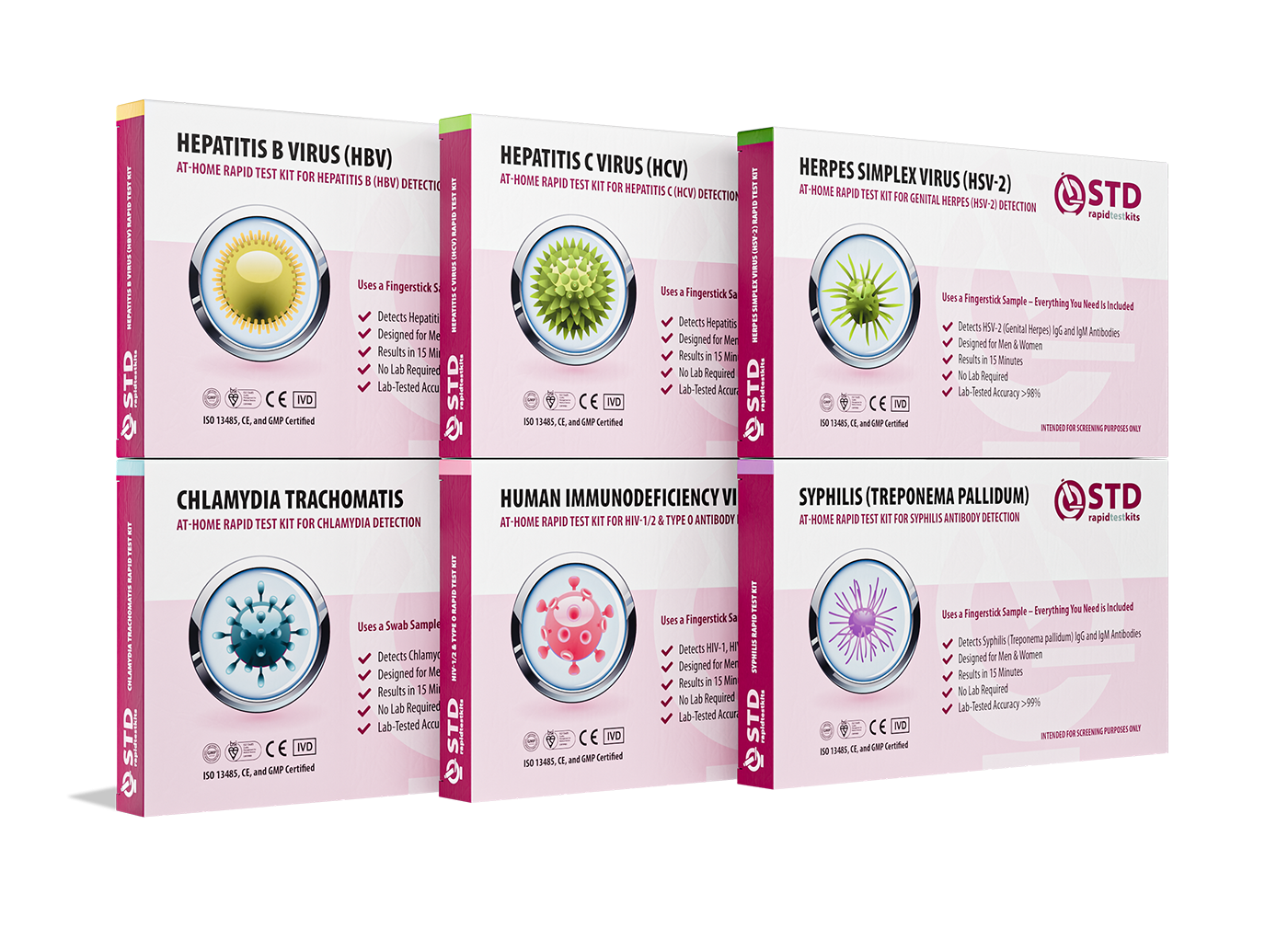
 For Men & Women
 Results in Minutes
 No Lab Needed
 Private & Discreet
Order Now $119.00 $294.00
For all 6 tests
The Window of Risk: When Damage Happens
The idea that an infection only matters when it hurts is one of the most harmful myths around male sexual health. In reality, damage can begin soon after infection, especially if inflammation is involved. A 2021 study showed that untreated chlamydia can start affecting sperm parameters within just a few weeks, and the longer the infection lingers, the higher the risk of permanent scarring or DNA changes.
Infections that ascend to the epididymis or testicles (a condition called epididymo-orchitis) can create lasting damage, even if treated later. This condition may come with sudden swelling, fever, or groin pain, but not always. In some cases, the first sign is infertility.
And while treatment clears the infection, it doesn’t always undo the damage. That’s why early testing, before symptoms show or before conception attempts, is crucial.
| Infection | Damage Timeline | Testing Recommended |
|---|---|---|
| Chlamydia | Can begin damaging sperm within 2–3 weeks | 14 days post-exposure or earlier if symptoms appear |
| Gonorrhea | Inflammation possible within 1 week | 5–7 days post-exposure for rapid testing |
| Trichomoniasis | Subtle damage possible; harder to detect in men | Anytime after risky exposure if partner tests positive |
| Herpes (HSV) | Mostly indirect impact via inflammation during outbreaks | At first symptom or known partner diagnosis |
Table 2: How fast different STDs may begin to affect sperm, and when testing makes the most sense for fertility protection.
If you’re sexually active and planning to have children, or even just want to preserve your options, getting screened regularly is one of the most protective things you can do. You don’t have to wait for something to feel “off.”
How Testing Can Protect Your Fertility (Even If You Feel Fine)
Marcus didn’t think he needed to test. He was 26, in a monogamous relationship, or so he thought. When his partner came back from a routine checkup with a positive chlamydia result, Marcus got tested too. Positive. No symptoms, no warning, and yet the doctor warned him that every month the infection went untreated increased the chances of long-term reproductive damage. He started treatment immediately. That test might have saved his ability to have kids down the line.
Regular testing isn’t just about your current partners. It’s about protecting future ones too, including the ones you may hope to raise. CDC guidelines recommend sexually active men under 30, especially those with new or multiple partners, get tested at least once a year, or more often if risks increase. But if you're planning to conceive, test proactively. Don’t wait until there’s a problem.
At-home test kits make this easier than ever. You can screen for chlamydia, gonorrhea, syphilis, HIV, and more without stepping into a clinic. Most kits use urine or a fingerstick sample and give results in a few days or even minutes. It's fast, private, and gives you power.
If you’re feeling anxious or unsure, know this: testing is a power move, not a punishment. It's an act of love for your partner, your future, and your peace of mind, whether you're in a serious relationship or just dating.
Don’t wait and wonder, get the clarity you deserve. This at-home combo test kit checks for the most common STDs discreetly and quickly.
Can You Still Have Kids After an STD?
Here’s the part where hope meets science. Yes, many men who’ve had STDs go on to father children. Even with some sperm damage, conception is often still possible, especially with early treatment. But if an infection lingers for months or years undiagnosed, the risks increase. Scarring in the sperm ducts. Reduced sperm production. Less movement. These problems might not be obvious from the outside, but they can affect fertility in ways that aren't obvious.
For men who’ve had untreated chlamydia, gonorrhea, or epididymitis, doctors may recommend a full semen analysis before trying to conceive. This test measures count, motility, morphology, and even DNA fragmentation, giving a clearer picture of reproductive health. In some cases, antibiotics can reverse sperm changes. In others, assisted reproductive techniques like IUI or IVF may be needed.
But fertility isn’t just about infection history, it’s also about timing. If you’ve recently cleared an STD, many providers suggest waiting at least 30–60 days post-treatment before trying to conceive. That gives your body time to heal, and gives your sperm the best shot at success.
People are also reading: I Got Syphilis and I Wasn’t Even Having Sex
What If You Were Never Tested and Have No Symptoms?
This is where most men fall. No pain, no discharge, no reason to worry, right? But fertility clinics often tell a different story. Roughly 1 in 5 cases of male infertility have a history of untreated infections. And for many of those men, their only clue was that nothing was happening after months of trying to conceive.
If you’ve never been tested for common STDs, especially chlamydia and gonorrhea, and you're sexually active or planning to have kids, now is the time. You don’t need symptoms to justify a test. You don’t need to explain anything to anyone. Think of it like changing your oil before a road trip, you’re checking what’s under the hood to make sure you’re ready for the journey ahead.
You might come back negative. Or you might catch something early. Either way, the knowledge is worth it.
How Long Should You Wait to Test After Exposure?
If you’ve had a recent encounter and you’re worried, timing matters. Each STD has a different window period, which is the time it takes after exposure for the infection to show up on a test. Test too early, and you might get a false negative. Wait too long, and silent damage could set in.
Let’s say you had unprotected sex last weekend. Here’s what makes sense:
If it’s been less than 5 days, testing now might not catch everything, but it can still help identify gonorrhea or a high bacterial load. Retest at 14 days to be sure. If it’s been over 2 weeks, you’re likely in the accuracy window for most rapid and lab-based tests. If you’re already seeing symptoms, test now regardless of timing.
And if you’re planning to conceive, consider a full panel test along with a semen analysis, especially if you or your partner have a history of STDs or trouble conceiving. Stopping an infection isn't enough; you also need to protect what's important to you in the future.
Whether it’s a bump, a twinge of doubt, or a question about fertility, you deserve answers. STD Rapid Test Kits makes testing accessible, confidential, and fast, no excuses, no appointments, no judgment.
Check Your STD Status in Minutes
Test at Home with Remedium8-in-1 STD Test Kit
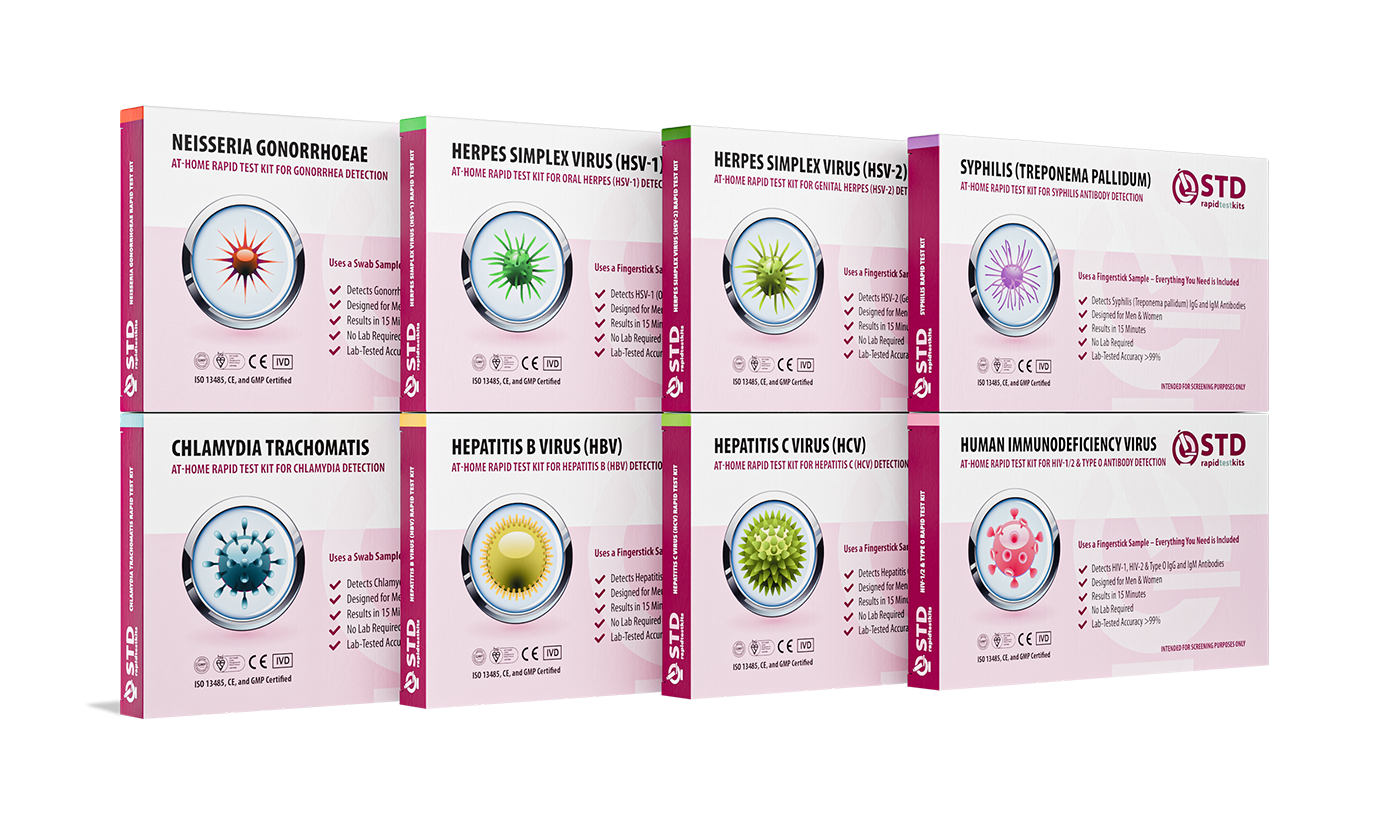 For Men & WomenResults in MinutesNo Lab NeededPrivate & Discreet
Order Now $149.00 $392.00
For all 8 tests
“I Thought I Was Fine”: A Wake-Up Call
Jorge was 32, newly engaged, and honestly excited to start trying for kids. He and his partner had talked about baby names, bought a second-hand crib, even downloaded a fertility app. But month after month, nothing. His fiancée went in for tests first. Everything looked great. Then it was Jorge’s turn. The results came back: low sperm count, poor motility, and abnormal morphology. The culprit? A past chlamydia infection he didn’t even know he’d had. No symptoms. No clue. Just silent damage, probably years old.
That’s the punchline so many men never see coming. We associate STDs with symptoms, itching, burning, a rash. But the truth is, many infections do their worst damage quietly, especially when it comes to your fertility. And unless you're testing regularly, you won’t even know they're there. Not until it's personal. Not until you're in a clinic with a sample cup in your hand, wondering what went wrong.
Here’s the deal: you don’t need to panic. But you do need to pay attention. Testing isn’t about shame. It’s about showing up for yourself, your partner, and the life you might want down the line. Think of it as part of your long game, like taking care of your back, your finances, or your heart. If you’re sexually active and fertility is anywhere on your radar, get tested. Get treated. Then move forward with the peace of mind you actually deserve.
Still got questions? Let’s break down some of the stuff most guys are too embarrassed, or too confused, to ask.
FAQs
1. Can an STD really mess with my sperm?
Yep, some STDs don’t just crash your weekend, they sneak into your reproductive system and quietly wreak havoc. Chlamydia and gonorrhea are the biggest culprits. They can inflame the tubes where sperm are stored or even block them entirely. You might not feel a thing, but your sperm definitely could.
2. I had chlamydia a year ago. Am I still fertile?
Maybe. If you treated it quickly, you could be totally fine. But if it hung out in your body for months without you knowing, it might’ve caused some damage, especially to your epididymis (that coiled tube where sperm mature). The only way to know for sure? Get a semen analysis and check things out under the hood.
3. I’ve never had symptoms, so why would I need to test?
Because symptoms are overrated. Most men with chlamydia or trichomoniasis feel totally normal. No burning, no discharge, nothing weird. That’s what makes these infections so sneaky, and so dangerous. If you're sexually active, regular testing is how you protect your future self.
4. Does herpes affect sperm?
Not directly, no. Herpes usually doesn’t live in the same parts where sperm are made. But when you have an outbreak, the inflammation or fever can temporarily lower your sperm quality. It’s more like a stress event than permanent damage, but still something to watch if you’re trying to conceive.
5. Can I still have kids after an STD?
In most cases, yes. Plenty of men get diagnosed, get treated, and go on to father children. But if the infection went untreated for a long time, or caused scarring, you might need a little extra help, like assisted reproduction or fertility treatment. Either way, you're not out of the game.
6. How long should I wait to try for a baby after treatment?
Give your body a minute to bounce back, usually 4 to 8 weeks is smart. That gives your sperm time to regenerate, especially after antibiotics or inflammation. Your doctor might suggest retesting or a semen analysis before diving into baby-making mode.
7. Is it true gonorrhea can damage my testicles?
Unfortunately, yeah. If gonorrhea travels up and causes epididymitis, it can inflame or even scar the area around your testicles. It doesn’t happen to everyone, but when it does, it’s painful, and potentially harmful to fertility. Fast treatment is the key to avoiding that.
8. What test should I get if I’m worried about sperm damage?
Start with an at-home STD panel that covers the big ones, chlamydia, gonorrhea, HIV, and syphilis. If you’ve had symptoms, long-term untreated infections, or trouble conceiving, follow up with a semen analysis. It’s like a report card for your sperm, motility, count, shape, and all.
9. Do STDs lower testosterone or affect erections?
Not usually in a direct way, but some long-term infections can irritate the prostate or cause chronic inflammation, which messes with hormones. Plus, let’s be real, anxiety about STDs or fertility can absolutely affect sexual function. Testing and treatment can actually help get your confidence (and erections) back on track.
10. Is at-home STD testing legit?
It is when you pick the right brand. Many at-home kits use the same tech as clinics, just shipped to your door. Look for FDA-approved or lab-certified options. You’ll pee in a cup or do a quick finger prick, send it off, and get results fast. No awkward clinic visits, no judging stares, just answers.
You Deserve Answers, Not Assumptions
Fertility isn't just about the future; it's also about having power, knowledge, and peace of mind right now. Your sexual health is more important than you might think, whether you've had partners in the past or are just starting to think about having kids. And it's never too late to take charge.
Testing isn’t just for when things go wrong. It’s for when you want to get things right, from protecting your body to preparing for parenthood. The best time to test was yesterday. The second-best time is today.
Order a discreet combo STD test kit to check your status quickly, safely, and privately, because your fertility deserves facts, not fear.
How We Sourced This Article: We combined current guidance from leading medical organizations with peer-reviewed research and lived-experience reporting to make this guide practical, compassionate, and accurate.
Sources
1. CDC's Advice on STD Testing
2. Mayo Clinic – Male Infertility Overview
3. Sexually transmitted infections: effects on male fertility
4. Guidelines for Treating Sexually Transmitted Infections, 2021
5. Gonorrhea: What It Is and What Causes It
6. Infertility: Frequently Asked Questions | Reproductive Health
7. Infertility - Diagnosis and treatment
8. Sexually Transmitted Infections - StatPearls - NCBI Bookshelf
9. The Impact of STIs on Fertility
About the Author
Dr. F. David, MD is a board-certified infectious disease specialist focused on STI prevention, diagnosis, and treatment. He blends clinical precision with a no-nonsense, sex-positive approach and is committed to expanding access for readers in both urban and off-grid settings.
Reviewed by: Dr. A. Hargrove, MPH | Last medically reviewed: January 2026
This article is for informational purposes and does not replace medical advice.


