







Quick Answer: Yes, some STDs can pass from a pregnant person to a baby during pregnancy or childbirth. These include syphilis, HIV, herpes, gonorrhea, chlamydia, and hepatitis B. Fortunately, routine prenatal testing and treatment dramatically reduce the risk of a baby being born infected.
How STDs Can Reach a Baby in the First Place
When people hear about babies being born with infections, they often imagine something rare or unusual. In reality, doctors have been studying these transmission pathways for decades, and the mechanisms are well understood.
There are three main ways an infection can move from parent to baby.
The first route is through the placenta during pregnancy. Some bacteria and viruses can cross the placenta and reach the developing fetus in the womb. When this happens, the infection is called a congenital infection.
The second route is during childbirth. As a baby moves through the birth canal, they may come into contact with bacteria or viruses present in genital fluids or lesions.
The third possibility is after birth, particularly through breastfeeding with certain infections.
Dr. Elena Vargas, an infectious disease specialist, often explains it this way:
“Pregnancy doesn’t shield babies from infections entirely. But prenatal care is designed to catch these infections early, treat them quickly, and dramatically reduce the risk of transmission.”
This is why STD screening is a routine part of prenatal care across the world.
The Most Common STDs That Can Affect Newborns
Not every STD can pass to a baby. But several well-known infections have the ability to spread during pregnancy or birth if untreated.
The table below summarizes the infections doctors pay the most attention to during prenatal screening.
| STD | When Transmission Can Happen | Possible Effects on Baby |
|---|---|---|
| Syphilis | During pregnancy through placenta | Congenital infection, organ damage, miscarriage risk |
| HIV | Pregnancy, delivery, breastfeeding | Immune system infection |
| Herpes (HSV) | Primarily during birth | Skin lesions, brain infection |
| Gonorrhea | During delivery | Severe eye infection in newborn |
| Chlamydia | During delivery | Eye infection or pneumonia |
| Hepatitis B | At birth | Chronic liver infection |
While that list can sound intimidating, it’s important to remember something reassuring: most pregnant people are tested for these infections early in pregnancy and again later if needed.
That screening system is one of the main reasons severe congenital infections have become much less common in countries with routine prenatal care.

People are also reading: Need STD Results Today? Here’s When a Rapid Test Is the Right Choice
Why Syphilis Is the Infection Doctors Take Most Seriously
Among all sexually transmitted infections, syphilis is the one obstetricians monitor most carefully during pregnancy. The reason is simple: the bacterium that causes syphilis can cross the placenta and infect a baby long before birth.
Untreated congenital syphilis can lead to serious complications, including miscarriage, stillbirth, or long-term health problems in infants.
But here’s the critical detail many people don’t realize: syphilis is also one of the most preventable congenital infections when detected early.
Routine prenatal blood tests screen for the infection during the first trimester. If it’s found, antibiotics can eliminate the infection and prevent transmission in the vast majority of cases.
A midwife once described the situation bluntly during a prenatal class:
“Syphilis sounds scary, but the real danger is not knowing it’s there. Once we catch it, treatment is straightforward and incredibly effective.”
This is why public health experts emphasize screening rather than fear.
What Happens If an Infection Is Present During Delivery
Some infections are less likely to affect a baby during pregnancy but can still spread during childbirth. This is especially true for gonorrhea, chlamydia, and herpes.
Doctors use several strategies to reduce these risks during labor and delivery.
Doctors may suggest a cesarean section if a person has an active herpes outbreak close to the time of birth. This keeps the baby from coming into contact with the virus in the birth canal.
Hospitals also routinely apply antibiotic eye ointment to newborns shortly after birth. This simple treatment protects babies from eye infections caused by gonorrhea or chlamydia exposure during delivery.
These preventive steps are so routine that many parents don’t even realize they’re happening.
Why HIV Transmission to Babies Is Now Rare in Many Countries
Decades ago, HIV transmission during pregnancy was a major concern. Today, medical advances have dramatically changed that reality.
When HIV is diagnosed during pregnancy and treated with antiretroviral medications, the chance of passing the virus to the baby can drop below 1 percent.
This dramatic reduction comes from a combination of medical strategies.
Medication lowers the amount of virus in the bloodstream, making transmission far less likely. Doctors may also adjust delivery plans and provide preventive medication to newborns after birth.
Dr. Nathan Chen, who works in maternal-fetal medicine, often tells patients:
“With modern treatment, the vast majority of parents with HIV deliver healthy babies who never contract the virus.”
This shift is one of the most significant success stories in infectious disease medicine.
Check Your STD Status in Minutes
Test at Home with Remedium6-in-1 STD Test Kit
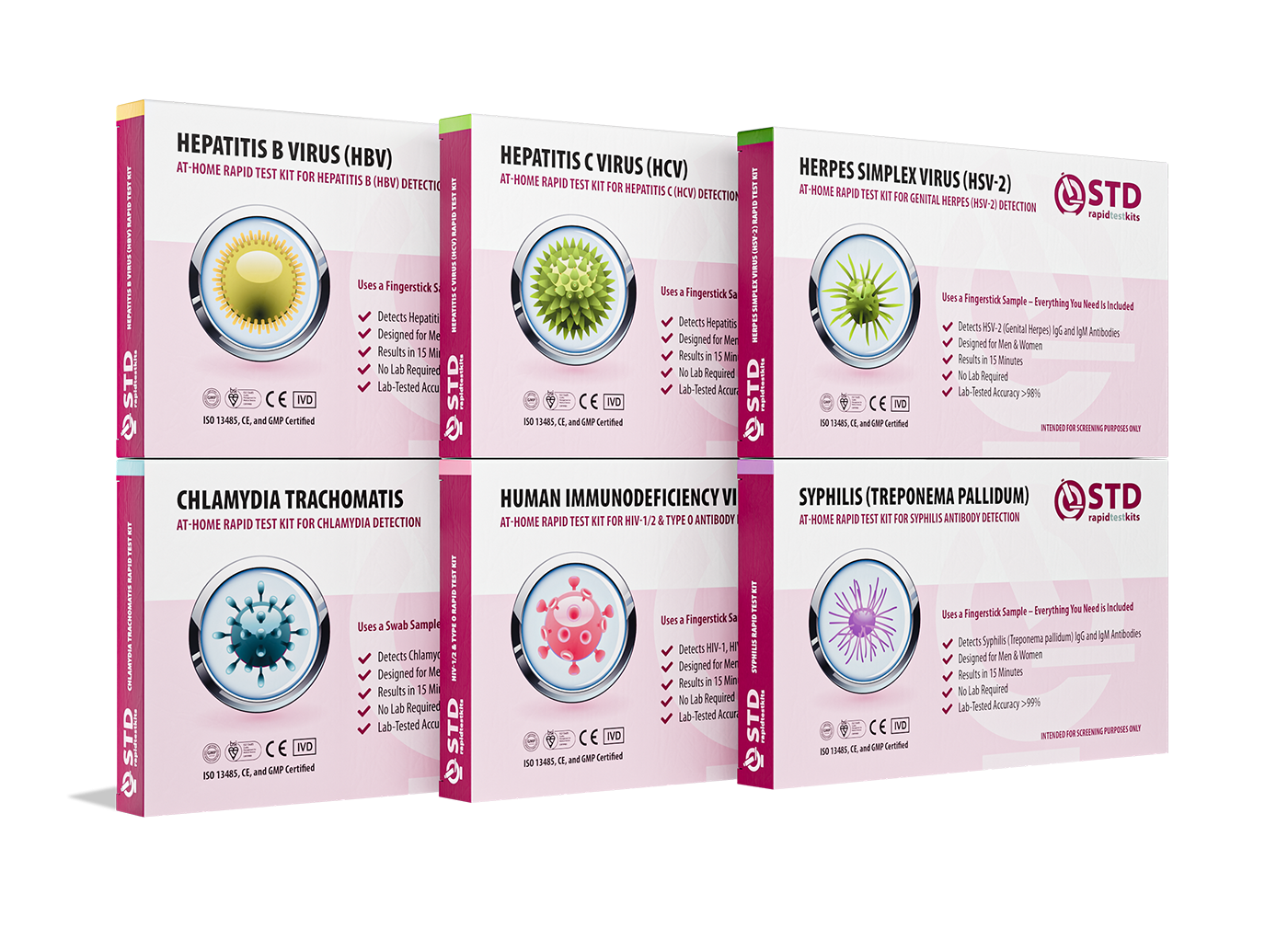
 For Men & Women
 Results in Minutes
 No Lab Needed
 Private & Discreet
Order Now $119.00 $294.00
For all 6 tests
What Symptoms Doctors Watch for in Newborns
In many cases, babies exposed to infections show no symptoms at all, especially when treatment happens early. But doctors still monitor newborns closely for signs that an infection may be present.
The symptoms depend on the specific infection involved.
| Symptom | Possible Associated Infection |
|---|---|
| Eye redness or discharge | Gonorrhea or chlamydia |
| Skin blisters | Herpes |
| Breathing problems | Chlamydia pneumonia |
| Rash on hands or feet | Congenital syphilis |
| Liver enlargement | Syphilis or hepatitis B |
Most of these conditions are treatable when identified early. Pediatricians monitor newborns closely during the first days of life precisely so they can intervene quickly if needed.
Why Many People Don’t Know They Have an STD During Pregnancy
One of the biggest misconceptions about sexually transmitted infections is that they always cause obvious symptoms. In reality, many STDs can exist quietly in the body for months, or even years, without noticeable warning signs.
This is particularly true for infections like chlamydia, gonorrhea, and syphilis. Someone may feel completely healthy and still carry bacteria that could potentially affect a pregnancy.
That doesn’t mean someone did anything wrong. It simply reflects how these infections behave biologically.
A patient named Jasmine once described her surprise after routine prenatal testing:
“I felt totally fine. No symptoms, no warning signs. When my doctor told me I had chlamydia from a routine pregnancy test, I was shocked, but she also reassured me that catching it early meant we could treat it quickly.”
Stories like Jasmine’s are extremely common. And they explain why routine STD testing during pregnancy isn’t optional, it’s standard medical practice.
What Actually Happens During Prenatal STD Screening
Most prenatal care begins with a series of blood tests and lab screenings. These tests look for infections that could affect both the pregnant person and the developing baby.
Doctors typically check for infections like syphilis, HIV, and hepatitis B early in pregnancy. In many clinics, testing for chlamydia and gonorrhea is also included during the first appointment.
Later in pregnancy, some tests may be repeated. This is especially true if a patient has new risk factors or lives in an area where certain infections are increasing.
The goal of these screenings is simple: identify infections before they have a chance to affect the baby.
If a test comes back positive, treatment can usually begin immediately.
What Treatment Looks Like When an STD Is Found
Finding an infection during pregnancy can feel frightening at first. But the truth is that most STDs found during prenatal care can be treated safely.
The treatment approach depends on the specific infection.
| STD | Typical Treatment | Goal of Treatment |
|---|---|---|
| Syphilis | Antibiotic injections | Prevent congenital infection |
| Chlamydia | Oral antibiotics | Eliminate infection before delivery |
| Gonorrhea | Antibiotic injection | Prevent newborn eye infection |
| HIV | Antiretroviral therapy | Reduce viral transmission |
| Herpes | Antiviral medication | Reduce outbreak risk near delivery |
These treatments are carefully chosen to be safe for pregnancy while protecting the baby.
One obstetrician summarized the philosophy this way:
“The earlier we detect an infection, the easier it is to treat, and the safer the pregnancy becomes.”
People are also reading: Itchy After Sex, No Discharge, Could It Be Trichomoniasis?
How Hospitals Protect Babies Immediately After Birth
Even when prenatal care goes perfectly, hospitals still take extra precautions during the first hours of a newborn’s life.
One of the most common preventive steps is the use of antibiotic eye ointment. A nurse puts a little medicine in the baby's eyes right after birth.
This practice protects against infections that could cause blindness if left untreated. The treatment specifically targets bacteria such as gonorrhea and chlamydia that might have been present during delivery.
Newborns may also get vaccines or medicines, depending on the situation.
For example, babies born to parents with hepatitis B get a vaccine and antibodies that protect them within hours of being born. This mix makes it much less likely that you'll get sick.
These protective steps happen quickly and quietly, often before parents even realize they’re taking place.
The Role of At-Home Testing Before or During Pregnancy
For people planning a pregnancy, or those who simply want peace of mind, testing before conception can be an important step.
Many infections remain asymptomatic, which means testing is the only reliable way to know whether treatment is needed.
Some people prefer the privacy and convenience of testing at home before visiting a doctor. Reliable testing options allow individuals to check for multiple infections without scheduling a clinic appointment.
If you want to learn more about discreet screening options, you can visit the STD Rapid Test Kits homepage for information about available testing tools.
For broader screening, the Combo STD Home Test Kit checks for several of the most common infections. Knowing your status early can help you enter pregnancy with confidence and clarity.
Why Congenital STDs Are Less Common Today Than Many People Think
If you read headlines or posts on social media about sexually transmitted infections during pregnancy, it might seem like it's common for babies to be born with them. In fact, modern prenatal medicine has made it much less likely for newborns to get these infections.
Because of routine screening and faster treatment, outcomes today look very different than they did decades ago. Most pregnant patients are tested for several infections at their first prenatal visit. If anything turns up, doctors can step in quickly, usually long before the baby is ever in danger.
That proactive approach has changed the outcome for millions of pregnancies.
Dr. Laura Martinez, a maternal health physician, often explains it this way:
“The reason we test every pregnant patient isn’t because we expect infections. It’s because screening gives us the chance to prevent problems before they start.”
This philosophy, catch early, treat early, is what protects most newborns today.
Myths That Cause Unnecessary Fear About STDs and Pregnancy
When people start researching infections and pregnancy online, they often run into myths that make the situation sound much worse than it actually is. Clearing up those misconceptions is important because fear can sometimes discourage people from seeking testing or medical care.
A common myth is that if a parent has an STD, their baby will get it too. In reality, transmission is not guaranteed at all. Many infections never get to the baby at all if they are screened and treated.
Another false belief is that symptoms always show up right away. As we talked about before, infections like chlamydia or gonorrhea may not show any signs for months. That's why it's better to try something out than to guess.
A third myth is that only certain people are at risk. In truth, STDs can affect anyone who is sexually active. Doctors don’t screen pregnant patients because they assume risk, they screen because prevention works best when it’s universal.
As one public health nurse put it during a prenatal education session:
“Testing is just part of good prenatal care, the same way checking blood pressure or blood sugar is.”
What Expecting Parents Can Do to Reduce Risk
The good news is that preventing infections from affecting a baby is usually straightforward. Most prevention strategies revolve around awareness, testing, and early treatment.
Doctors typically recommend a few simple steps for people who are pregnant or planning to become pregnant.
- Get screened early: Testing for STDs before birth is usually done in the first trimester.
- Follow treatment plans: If an infection is found, taking medication exactly as prescribed is essential.
- Attend follow-up appointments: Some infections require repeat testing later in pregnancy.
- Encourage partner testing: Treating both partners prevents reinfection.
These steps may seem simple, but they’re remarkably effective.
In many cases, once an infection is treated during pregnancy, it no longer poses a risk to the developing baby.
Check Your STD Status in Minutes
Test at Home with Remedium7-in-1 STD Test Kit
 For Men & WomenResults in MinutesNo Lab NeededPrivate & Discreet
Order Now $129.00 $343.00
For all 7 tests
The Emotional Side of STD Testing During Pregnancy
It’s worth acknowledging something that rarely appears in medical charts: emotions. Being told you need STD testing during pregnancy can trigger anxiety, embarrassment, or even guilt.
But healthcare providers generally approach this conversation very differently than people expect.
For doctors, STD screening during pregnancy isn’t about judgment, it’s about prevention. Testing is simply another part of making sure both parent and baby stay healthy.
Many patients later say the same thing once they’ve gone through the process.
“I was nervous when my doctor mentioned STD screening,” recalled Elena, who recently had her first child. “But she explained it’s something every pregnant patient does. After that, it just felt like a normal medical test.”
When viewed through that lens, testing becomes much less intimidating.
When Doctors Recommend Extra Monitoring
Sometimes doctors recommend additional monitoring during pregnancy. This usually happens if an infection was detected earlier in the pregnancy or if there are other medical factors involved.
Extra monitoring may include repeat lab tests, additional ultrasounds, or consultation with specialists in maternal–fetal medicine.
These precautions allow doctors to track the baby’s development and ensure that treatment is working effectively.
In most cases, pregnancies continue normally after treatment. Babies are delivered healthy, and parents leave the hospital with nothing more than a story about an unexpected test result early in pregnancy.
That outcome is far more common than many people realize.
FAQs
1. Wait, can babies really be born with STDs?
Yes, but it’s not as common as the internet sometimes makes it sound. A few infections, like syphilis, HIV, or herpes, can pass from a pregnant person to a baby during pregnancy or delivery. The important thing to know is that doctors screen for these infections early in pregnancy specifically so they can treat them before a baby is ever affected.
2. If someone has an STD while pregnant, does that mean the baby will get it too?
Not necessarily, far from it. In many cases, once doctors identify the infection, treatment stops it from reaching the baby at all. For example, antibiotics for syphilis during pregnancy are incredibly effective, which is why prenatal testing exists in the first place.
3. Which infections worry doctors the most during pregnancy?
The one doctors keep the closest eye on is syphilis, because it can cross the placenta and affect a baby before birth if untreated. They also routinely screen for HIV and hepatitis B, and they watch for infections like chlamydia, gonorrhea, and herpes that can sometimes pass during delivery.
4. Can babies pick up an infection during birth?
Yes, that’s possible with some infections. Bacteria like gonorrhea or chlamydia can spread if a baby passes through the birth canal while the infection is present. That’s one reason newborns get protective antibiotic eye ointment right after birth, it prevents a type of eye infection doctors have known how to stop for decades.
5. Do they test babies for STDs after they are born?
Sometimes, especially if the doctors think the baby might have been exposed. Pediatricians may run blood tests, monitor symptoms, or provide preventive medication just to be safe. Most of the time, though, prenatal treatment already solved the problem before the baby arrived.
6. What about herpes, can that spread to a newborn?
It can, but doctors are very careful about it. If a woman has an active herpes outbreak close to her due date, doctors often recommend a C-section to keep the virus from spreading. Taking antiviral drugs late in pregnancy can also lower the risk of an outbreak happening at all.
7. I’ve heard HIV can pass to babies, is that still happening?
It can happen, but modern treatment has changed the picture dramatically. When HIV is diagnosed and treated during pregnancy, the risk of passing it to the baby can drop to below one percent. In other words, most babies born to parents with HIV today are born completely HIV-negative.
8. Can a baby get an STD from breastfeeding?
Almost all STDs cannot spread through breast milk. HIV is the main exception in certain situations, which is why doctors sometimes give specific feeding recommendations depending on treatment and viral levels. For the vast majority of infections, breastfeeding isn’t a transmission route.
9. If someone feels perfectly healthy, do they still need STD testing during pregnancy?
Absolutely, and this surprises a lot of people. Many infections like chlamydia and gonorrhea can exist quietly without symptoms. That’s why prenatal STD screening is routine: it catches infections that otherwise would have gone completely unnoticed.
10. What’s the single best way to protect a baby from congenital infections?
Early testing. That’s really the key. When infections are identified early in pregnancy, or even before pregnancy, doctors can treat them quickly, and most babies are born healthy with no infection at all.
You Deserve Clarity, Not Quiet Worry
Hearing that babies can be born with STDs can sound alarming at first. But the real story isn’t about fear, it’s about prevention. Modern prenatal care is built around catching infections early, treating them quickly, and making sure babies arrive healthy.
Doctors know what to do if there is an infection. Antibiotics can kill the germs that cause infections like chlamydia and syphilis. Antiviral drugs can help with herpes. Taking care of babies before they are born keeps them from getting sick. Every step is meant to clear up any confusion and lower the risk.
If you’re planning a pregnancy or simply want peace of mind, testing is the simplest place to start. A discreet screen like the Combo STD Home Test Kit checks for several common infections privately at home. Knowing your status early gives you the same thing every good medical decision starts with: clarity.
How We Sourced This Article: This guide draws on current clinical guidance on sexually transmitted infections during pregnancy, congenital infection research, and obstetric screening recommendations. We reviewed guidance from public health authorities and peer-reviewed infectious disease research to explain how infections can pass from parent to baby and how modern prenatal care prevents it. Medical literature on congenital syphilis, neonatal herpes, and perinatal HIV transmission informed the clinical details presented here.
Sources
1. Centers for Disease Control and Prevention – STDs and Pregnancy
2. Centers for Disease Control and Prevention – Congenital Syphilis
3. Fact Sheet on Sexually Transmitted Infections from the World Health Organization
4. PubMed: Studies on Congenital and Neonatal Infections
5. HIV.gov: Stopping the Spread of HIV from Mother to Child
6. NIH ClinicalInfo – Intrapartum Care for People With HIV
7. Stanford Medicine Children’s Health – Conjunctivitis in Children
About the Author
Dr. F. David, MD is a board-certified infectious disease specialist focused on STI prevention, diagnosis, and treatment. His writing blends clinical precision with a direct, stigma-free voice that prioritizes clarity, privacy, and informed decision-making.
Reviewed by: Sarah L. Whitaker, MD, Obstetrics & Maternal-Fetal Medicine | Last medically reviewed: February 2026
This article is meant to give you information and should not be used as a substitute for professional medical advice.


