







Quick Answer: Yes, some sexually transmitted infections can become life-threatening if untreated. HIV, syphilis, hepatitis B, hepatitis C, and HPV can lead to severe complications such as organ failure, neurological damage, cancer, or immune system collapse over time.
The Truth About “Dangerous” STDs
When people search online asking, “Can an STD kill you?”, what they’re really asking is whether a sexually transmitted infection can become serious enough to threaten life. Yes, but not usually overnight.
Most infections start out slowly. Some early signs could be mild irritation, strange discharge, a rash, or no signs at all. Because the discomfort often fades, many people assume the infection has resolved on its own. In reality, some pathogens remain active inside the body and slowly spread.
Dr. Elena Rojas, an infectious disease specialist, explains it bluntly: “The infections that scare us most aren’t the ones that hurt immediately. It’s the ones people forget about for ten years.”
That long timeline is exactly why certain STDs can become dangerous. Instead of causing acute illness, they gradually damage tissues, organs, or the immune system.
Understanding which infections carry those risks helps clarify why testing and treatment matter, even when symptoms seem minor.
STDs That Can Become Life-Threatening
Not every sexually transmitted infection has the same potential for severe complications. Some are uncomfortable but rarely fatal when treated. Others can lead to cancer, organ damage, or systemic disease if they remain untreated for long periods.
| STD | Main Long-Term Risk | Typical Timeline of Damage |
|---|---|---|
| HIV | Immune system destruction leading to AIDS | Years without treatment |
| Syphilis | Neurological damage, heart complications | 10–30 years in untreated cases |
| HPV | Cancers of the cervix, throat, anus, penis | Often 10–20 years |
| Hepatitis B | Liver cirrhosis and liver cancer | Chronic infection over decades |
| Hepatitis C | Progressive liver disease | Slow progression over decades |
Doctors emphasize that the danger lies in the word “untreated.” With modern medicine, most of these infections can be controlled, cured, or managed effectively if diagnosed early.
But when people delay testing, often because symptoms are mild or nonexistent, these pathogens have time to cause deeper harm.

People are also reading: Why Are STD Results Delayed, and How At-Home Testing Skips the Wait
Infections That Rarely Kill, But Can Still Cause Severe Harm
When people talk about the “most dangerous STDs,” they sometimes assume that infections like chlamydia or gonorrhea are harmless. That’s not entirely accurate.
These infections don't usually kill people right away, but they can still cause serious health problems if they aren't treated.
| Infection | Common Complications | Who Is Most Affected |
|---|---|---|
| Chlamydia | Pelvic inflammatory disease, infertility | Women with untreated infections |
| Gonorrhea | Joint infections, bloodstream infection | People with untreated systemic spread |
| Trichomoniasis | Increased HIV risk, pregnancy complications | Pregnant individuals |
| Herpes | Uncommon systemic infection in neonates | Babies who were exposed during birth |
Gonorrhea that isn't treated can sometimes get into the blood and cause a disease called disseminated gonococcal infection. This can make you feel hot, hurt your joints, and give you skin lesions.
Chlamydia can also move upward through the reproductive system, causing pelvic inflammatory disease. Over time, this inflammation may damage fallopian tubes and lead to infertility.
These infections aren't usually deadly, but if you don't treat them, they can still have bad effects.
Why Many Dangerous STDs Go Undetected
One of the biggest problems with sexual health is that many infections don't show any signs.
People often think that STDs will cause pain or sores that are easy to see. In fact, some infections that have the most serious long-term risks are the ones that don't show any signs of illness at first.
HPV, hepatitis, and HIV can remain asymptomatic for long periods. Even syphilis can disappear temporarily after the initial sore heals.
This lack of symptoms is exactly why doctors emphasize routine testing. As one clinician puts it: “Waiting for symptoms is like waiting for smoke before checking if the stove is on.”
Testing Is What Prevents the Worst Outcomes
The reassuring part of this conversation is that modern testing and treatment make severe complications far less common than they once were.
Blood tests, swabs, or urine samples can now quickly tell if someone has a sexually transmitted infection. If doctors find infections early, they can treat them before they cause long-term damage.
For people who prefer privacy, at-home options are also available. Services like STD Rapid Test Kits provide discreet testing solutions that allow individuals to check their status without visiting a clinic.
These kits can screen for multiple infections and help people take the first step toward treatment if needed.
The Real Takeaway Doctors Want People to Understand
When people hear that an STD can become life-threatening, it can sound alarming. But the real message isn’t fear, it’s awareness.
Most infections that once caused severe complications are now manageable or curable with modern medicine. The key factor is whether they’re diagnosed.
Ignoring symptoms, avoiding testing, or assuming an infection has resolved on its own are the situations that allow complications to develop.
As Dr. Rojas often tells patients: “The dangerous STD isn’t the one you test for. It’s the one you never check.”
What Happens Inside the Body When STDs Go Untreated
One of the biggest misconceptions about sexually transmitted infections is that they remain limited to the genitals. In reality, many pathogens travel through the bloodstream or lymphatic system, allowing them to reach organs far beyond the initial site of infection.
This process can take years. Because the damage happens so slowly, people sometimes feel perfectly fine while it is happening.
Doctors often describe untreated infections as a “slow burn.” The body may tolerate the pathogen for long periods, but inflammation, cellular damage, and immune disruption gradually accumulate.
Understanding how that process works helps explain why some STDs eventually become life-threatening.
Check Your STD Status in Minutes
Test at Home with Remedium6-in-1 STD Test Kit
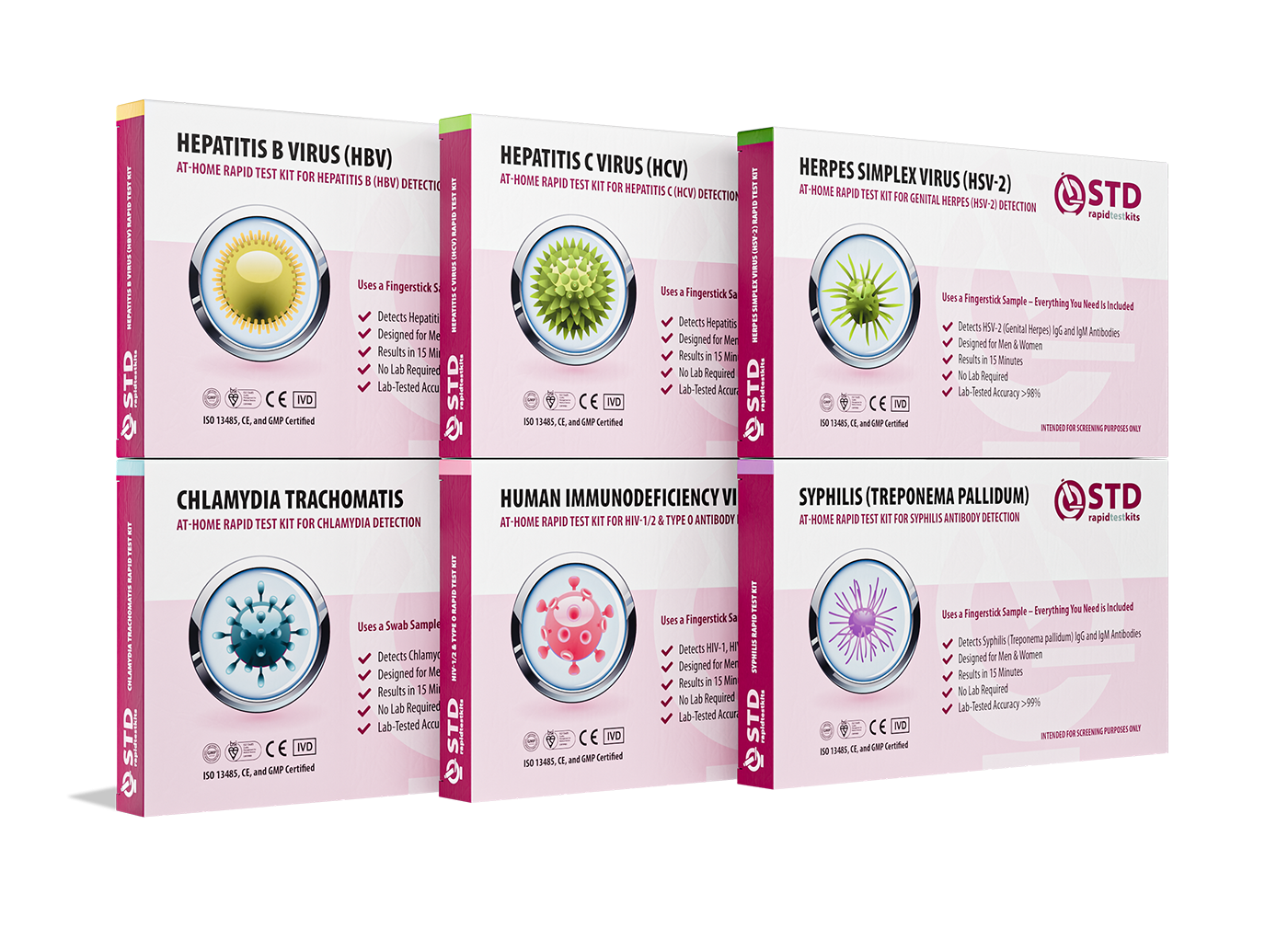
 For Men & Women
 Results in Minutes
 No Lab Needed
 Private & Discreet
Order Now $119.00 $294.00
For all 6 tests
The Timeline of Untreated Infection
Different infections follow different timelines. Some start hurting the body within months, while others don't show serious problems for decades.
| Infection | Early Stage | Intermediate Effects | Advanced Complications |
|---|---|---|---|
| HIV | Mild flu-like illness or no symptoms | Gradual immune decline | AIDS and opportunistic infections |
| Syphilis | Painless sore (chancre) | Skin rash, latent stage | Brain and heart damage |
| HPV | Often no symptoms | Cell changes in tissues | Cancer development |
| Hepatitis B or C | Mild illness or no symptoms | Chronic liver inflammation | Cirrhosis or liver cancer |
These timelines show an important point: the most dangerous stage of an infection often comes long after the first exposure.
That delay can make it difficult for people to connect serious illness later in life with an infection that occurred years earlier.
The Role of Chronic Inflammation
Many infections become dangerous because they trigger long-term inflammation. While inflammation is a normal immune response, chronic inflammation gradually damages healthy tissues.
In hepatitis infections, the immune system constantly attacks infected liver cells. Over time, this repeated damage causes scar tissue to replace healthy liver tissue.
High-risk strains of HPV also mess up the normal way cells grow and repair themselves. Cells that are damaged may keep growing instead of dying off on their own. This can sometimes lead to tumors that are cancerous.
This is why doctors often talk about stopping problems before they start or treating them early instead of waiting for them to get worse.
Why Some STDs Are Known as "Silent Infections"
Another reason why dangerous STDs can go untreated for years is that they don't always show up with obvious symptoms.
People often think that a serious infection would hurt a lot or show signs of it. But pathogens don't always act that way.
HPV, hepatitis, HIV, and even chlamydia can remain silent for long periods. During this time, individuals may feel completely normal while the infection slowly spreads or damages tissues.
Researchers in public health often call this the "silent epidemic" of sexually transmitted diseases. Many people unknowingly carry infections, which lets diseases spread and problems grow without anyone noticing.
That’s exactly why routine screening matters so much in sexual health.
When an Infection Becomes a Medical Emergency
Most STD complications happen slowly over time, but you should never ignore certain warning signs.
If you have severe abdominal pain, neurological problems, unexplained weight loss, a fever that won't go away, or jaundice after being exposed to something, you should see a doctor right away.
These symptoms don’t automatically mean an STD is responsible. But they can also mean that there is a systemic infection or organ involvement that needs to be checked out right away by a doctor.
If you don't get treatment for an infection like gonorrhea or syphilis, it can sometimes spread to your bloodstream or nervous system. When that happens, things can get worse very quickly.
Fortunately, these severe outcomes are uncommon when infections are diagnosed and treated early.
Why Early Testing Changes Everything
The encouraging reality is that nearly all of the dangerous outcomes associated with STDs are preventable.
Modern treatments are extremely effective once an infection is identified. Antibiotics can cure bacterial infections like syphilis and gonorrhea, while antiviral medications allow people with HIV to maintain strong immune systems.
Even infections linked to cancer risk, such as HPV, can often be detected early through screening programs that monitor cellular changes.
Testing acts as the turning point. It converts an unknown risk into a manageable medical condition.
For people who prefer privacy or convenience, home testing solutions have made screening much more accessible. Options like the combo STD home test kit allow individuals to check for several common infections without visiting a clinic.
For many people, that accessibility removes the biggest barrier to knowing their status.
People are also reading: Trichomoniasis Test at Home: How to Use It and Read the Results
Why People Delay STD Testing, And Why Doctors Worry About It
When physicians talk about untreated sexually transmitted infections becoming dangerous, they almost always mention one underlying issue: delay. Not necessarily deliberate neglect, but the very human tendency to wait and see if something resolves on its own.
Sexual health concerns often carry embarrassment, uncertainty, or fear of judgment. Someone might notice mild irritation, an unusual discharge, or a small rash and convince themselves it’s temporary. Sometimes the symptoms actually fade, reinforcing the belief that the problem disappeared.
But many infections don’t disappear. They simply move into a quieter phase.
Dr. Marcus Levin, a public health physician who works in sexual health clinics, explains it this way: “By the time some people finally come in for testing, the infection has been present for years. That doesn’t mean the situation is hopeless, but it does make treatment more complicated.”
The longer certain infections remain undiagnosed, the greater the chance they can cause systemic complications.
How STDs Affect Different Parts of the Body
Sexually transmitted infections are often linked to the reproductive organs, but their effects can go much further than that. Once pathogens get into the blood or lymphatic system, they can get to almost any organ.
This is why doctors sometimes see complications in places that seem unrelated to sexual health. Neurological symptoms, heart problems, and liver disease can all stem from infections that originally began as STDs.
| Body System | Possible Complication | Associated Infection |
|---|---|---|
| Immune System | Progressive immune failure | HIV |
| Nervous System | Neurological damage, memory loss | Syphilis |
| Liver | Cirrhosis or liver cancer | Hepatitis B, Hepatitis C |
| Reproductive System | Infertility and chronic pelvic pain | Chlamydia, Gonorrhea |
| Cellular Tissue | Cancer development | HPV |
Seeing these infections through the lens of whole-body health changes how people understand them. They are not isolated conditions; they are systemic diseases that can impact multiple organs if untreated.
The Psychological Side of Ignoring Symptoms
Another reason untreated STDs can persist is psychological avoidance. Health researchers have documented a phenomenon called “diagnostic delay,” where people postpone medical testing because they’re afraid of the result.
This reaction is extremely common and completely human. Worrying about getting sick, how it will affect your relationships, or the stigma that comes with it can make the idea of testing seem too much to handle.
But ironically, the uncertainty itself often causes more stress than the diagnosis would. Many infections are easily treatable once identified, and knowing one’s status allows people to take action.
Sexual health counselors often remind patients that testing is not a judgment about behavior. It’s simply a medical check, similar to checking blood pressure or cholesterol.
Removing shame from the conversation helps people take care of their health sooner rather than later.
What Doctors Wish More People Knew About STD Risk
Physicians who specialize in sexual health repeatedly emphasize a few key points that don’t always make it into public conversations.
First, infections do not discriminate. Anyone who is sexually active can be exposed, regardless of age, relationship status, or number of partners.
Second, many people who transmit infections don’t know they have them. Because symptoms are often absent, individuals may unknowingly pass infections to partners.
Third, testing is far more common than people realize. Clinics, telehealth services, and home testing providers conduct millions of screenings every year.
When doctors talk about the most dangerous STDs, they are rarely trying to scare people. Their goal is to encourage awareness and early detection before complications develop.
As one infectious disease specialist put it: “The real risk isn’t testing positive. The risk is carrying an infection for years without knowing.”
Check Your STD Status in Minutes
Test at Home with Remedium8-in-1 STD Test Kit
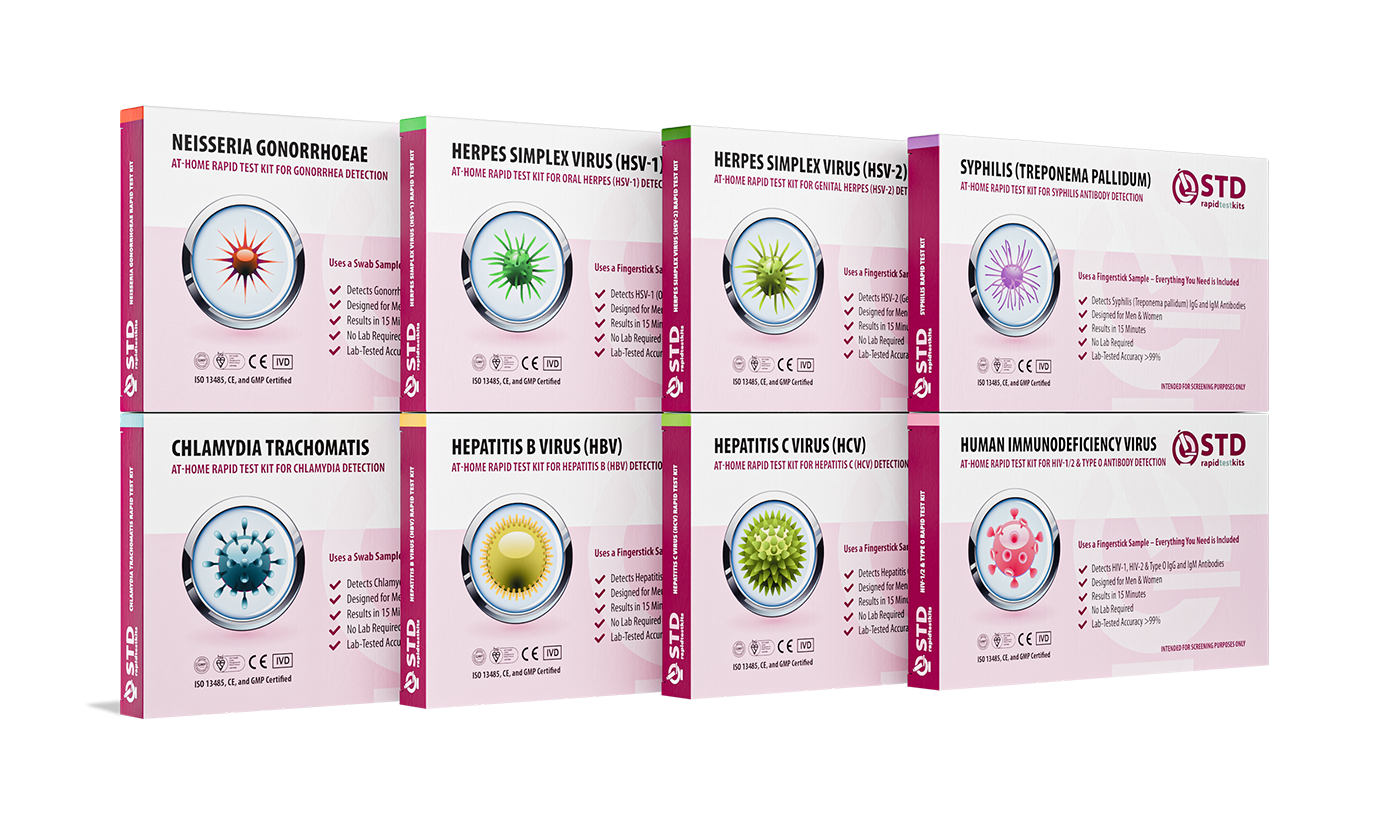 For Men & WomenResults in MinutesNo Lab NeededPrivate & Discreet
Order Now $149.00 $392.00
For all 8 tests
When Routine Screening Makes the Biggest Difference
Routine screening is particularly important after certain life events or changes in sexual activity.
Doctors typically recommend testing after new sexual partners, after unprotected intercourse, or if a partner receives a diagnosis. Screening is also often recommended during pregnancy because some infections can harm newborns.
Many adults also choose to get tested for STDs as part of their regular health care, just like they do with yearly physicals.
Regular screening dramatically reduces the likelihood that infections will remain untreated long enough to cause serious complications.
Even when a test result comes back positive, early treatment almost always prevents the long-term effects discussed earlier in this article.
FAQs
1. Can an STD actually kill you?
In rare cases, yes, but usually not the way people imagine. Most sexually transmitted infections don’t suddenly become fatal overnight. The real danger is when infections like HIV, syphilis, or hepatitis stay untreated for years and quietly damage the immune system, brain, or liver. With modern medicine, those outcomes are largely preventable once someone knows what’s going on.
2. What STD do doctors worry about the most?
The honest answer changes depending on the situation, but untreated HIV, syphilis, and chronic hepatitis B or C are high on the list. Not because they’re common disasters, but because they can quietly progress for years before anyone realizes something serious is happening. Doctors tend to worry most about the infections people assume are harmless.
3. How long could someone have an STD without realizing it?
Longer than most people expect. Some infections show symptoms quickly, but others can sit in the body for years. A person might feel perfectly fine while something like HPV or hepatitis slowly affects cells or organs. That’s why routine testing exists, it catches things before the body starts paying the price.
4. Can chlamydia or gonorrhea kill you?
Almost never. These infections are extremely treatable and doctors cure them every day with antibiotics. The real issue is when they’re ignored for months or years, especially in women, where they can cause pelvic inflammatory disease and fertility problems. Think of them as infections that can cause serious complications, not ones that usually become deadly.
5. Which STD is linked to cancer?
HPV is the big one. Certain strains can cause cervical cancer and are also linked to throat, anal, and penile cancers. But the important detail people often miss is timing, it usually takes many years for cancer to develop. Regular screenings and HPV vaccination make a massive difference.
6. Do dangerous STDs always cause symptoms?
Not at all, and that’s the tricky part. Some of the infections doctors care about most are the quiet ones. HPV, hepatitis, and even HIV can remain silent early on. Someone can feel totally normal while the infection is still present in the body.
7. If I feel fine, should I still get tested?
Yes, and this surprises a lot of people. Just because you feel fine doesn't mean everything is fine. Checking your sexual health is like checking your cholesterol or blood pressure: it finds problems early, before they get worse.
8. Are at-home STD tests actually reliable?
Many are. Modern home tests use similar diagnostic technology to what clinics use. The key is choosing reputable tests and following instructions carefully. For people who feel anxious about clinic visits, they can be a very practical first step.
9. What’s the biggest mistake people make with STDs?
Waiting. Waiting for symptoms, waiting for things to “clear up,” waiting until anxiety finally wins. Sexual health doctors see this pattern constantly. Most infections are simple to treat once identified, but they have to be identified first.
10. If someone tests positive for an STD, what happens next?
Usually something much less dramatic than people fear. A doctor confirms the result, recommends treatment if needed, and talks through partner notification and follow-up testing. For many infections, treatment is straightforward, and life moves on normally afterward.
You Deserve Clarity, Not Guesswork
Hearing that some STDs can become dangerous sounds intimidating at first. But the real takeaway isn’t fear, it’s timing. The infections doctors worry about most are the ones people never test for, the ones that quietly sit in the background while life moves on.
The good news is that almost every serious complication linked to STDs is preventable when infections are detected early. Testing turns uncertainty into information, and information is what allows doctors to treat infections before they become long-term problems.
If you’ve had a recent exposure or simply want peace of mind, start with a discreet screen like the Combo STD Home Test Kit. Your results are private. Your decisions stay in your hands. And clarity always beats guessing.
How We Sourced This Article: This guide is based on the most up-to-date clinical advice from the CDC, WHO, and major medical centers on sexually transmitted infections, as well as peer-reviewed studies on the long-term effects of STDs. We looked at studies on HIV progression, the neurological effects of syphilis, and cancers related to HPV to show how some infections can become dangerous if they aren't treated. All clinical explanations were made easier to understand while still being based on reliable medical sources.
Sources
1. Centers for Disease Control and Prevention – Sexually Transmitted Diseases Overview
2. World Health Organization – Sexually Transmitted Infections Fact Sheet
3. National Cancer Institute – HPV and Cancer
4. World Health Organization – Hepatitis B Fact Sheet
5. Mayo Clinic – Sexually Transmitted Diseases Overview
6. Planned Parenthood – STD Basics and Prevention
7. Johns Hopkins Medicine – Sexually Transmitted Diseases Overview
8. National Library of Medicine – Sexually Transmitted Infections Clinical Overview
About the Author
Dr. F. David, MD is a board-certified infectious disease specialist focused on STI prevention, diagnosis, and treatment. His work centers on making complex sexual health science understandable, practical, and stigma-free for everyday readers.
Reviewed by: Board-Certified Infectious Disease Specialist | Last medically reviewed: March 2026
This article is only for information and should not be used instead of professional medical advice.


