





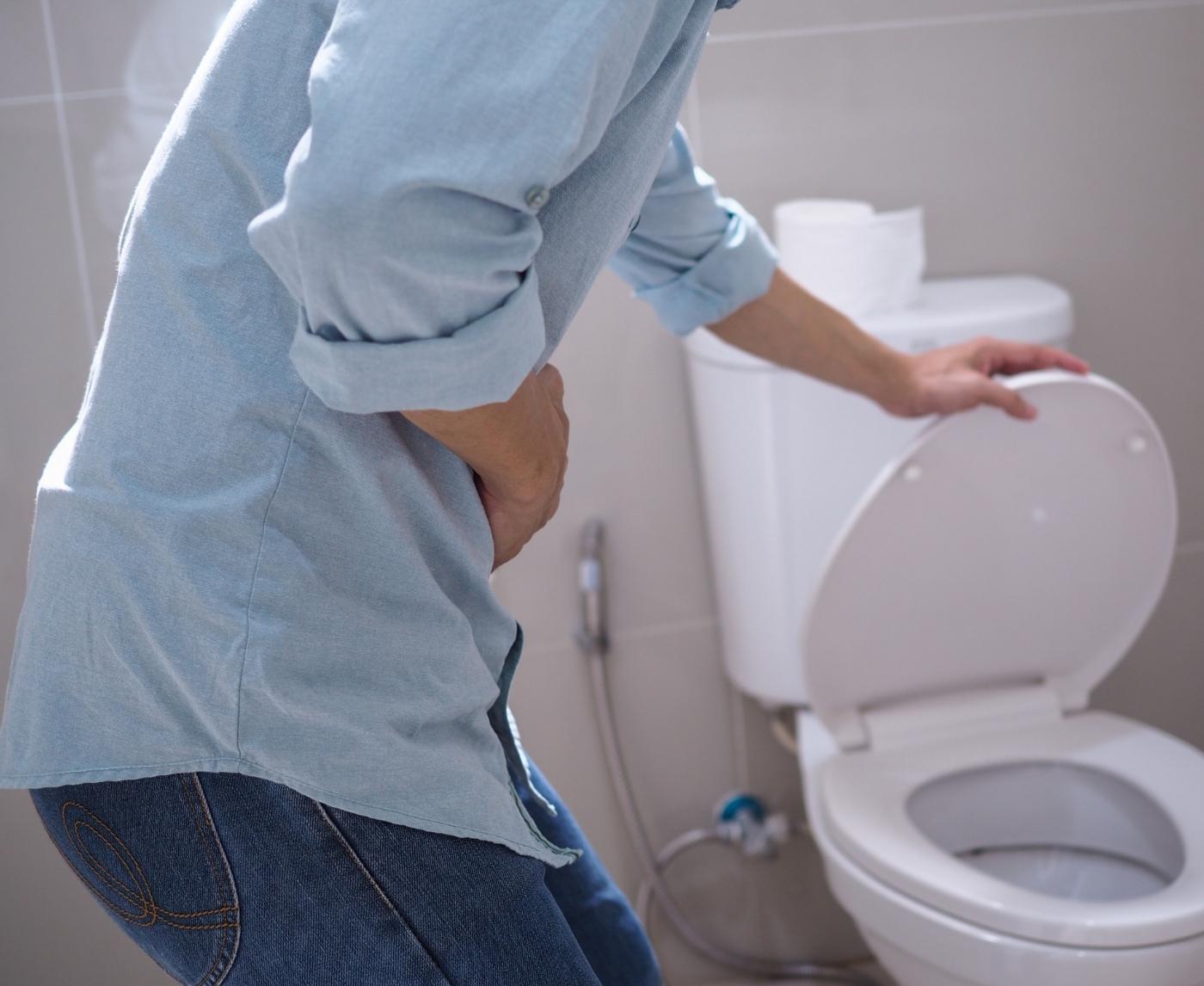

Quick Answer: Burning and urgency after sex can be signs of a UTI or an STD, but symptoms alone can't tell the difference. Testing is the only way to know for sure, and early testing prevents delays in treatment.
Why It Feels the Same, But Isn't
Your urethra doesn’t care whether it’s being irritated by bacteria from your own body or a sexually transmitted infection. Burning, pressure, peeing more often than usual, all of that can happen from friction, dehydration, or exposure to a new partner’s flora. That’s part of what makes early diagnosis so tricky. Many providers, especially in rushed clinical settings, will hear “burning pee” and immediately prescribe antibiotics for a presumed UTI. But here’s the issue: antibiotics for a UTI won’t cure chlamydia. They won’t touch gonorrhea. And if you actually have trichomoniasis, your UTI meds might make symptoms worse.
Below is a symptom comparison table, drawn from CDC and WHO guidance, showing how much overlap exists between UTIs and some of the most common STDs. Notice how few symptoms are exclusive to one diagnosis.
| Symptom | UTI | Chlamydia | Gonorrhea | Trichomoniasis |
|---|---|---|---|---|
| Burning with urination | Common | Common | Common | Possible |
| Increased urgency/frequency | Very common | Possible | Possible | Possible |
| Pelvic or lower abdominal pain | Sometimes | Common | Common | Common |
| Unusual discharge | Rare | Common | Common | Very common |
| Blood in urine | Sometimes | Rare | Rare | Possible |
| Symptoms after sex | Rare (unless triggered by sex) | Common | Common | Very common |
Table 1: Symptom overlap between UTIs and common STDs. As shown, no symptom is exclusive to either category, making self-diagnosis unreliable.
“I Thought It Was Just a UTI”: Real-World Confusion
Sophia, 27, started feeling a dull ache in her pelvis two days after a weekend trip with her new partner. “It burned when I peed, and I was going every 30 minutes. I didn’t think twice, I called in a refill for the antibiotics I had from last year.” The pain dulled, but three weeks later, her OB-GYN diagnosed her with chlamydia. She had no idea that STDs could mimic UTIs so closely, or that antibiotics could mask symptoms without clearing the actual infection.
Jalen, 34, had his first-ever urinary symptoms after a hookup he believed was low-risk. “I assumed it was dehydration. Then a day later, it felt like I was peeing fire. The urgent care nurse said UTI, but the meds did nothing.” It wasn’t until a full-panel STD test revealed gonorrhea that he got proper treatment, and clarity.
These aren’t rare cases. In fact, studies show that up to 25% of sexually active women under 30 who are diagnosed with a UTI actually have an undetected STD at the same time. And many cisgender men, who rarely get UTIs, are misdiagnosed altogether, leading to untreated infections and onward transmission.
The overlap in symptoms isn’t just inconvenient, it’s dangerous. Delayed treatment of chlamydia or gonorrhea can lead to pelvic inflammatory disease, fertility issues, and chronic pain. For men, it can cause epididymitis or urethral strictures. And in all cases, continuing to have sex without knowing the truth puts partners at risk.

People are also reading: How to Tell a Partner You Have HPV
When Timing Matters More Than Symptoms
Here’s the frustrating truth: even if you know something’s off, your test might still come back negative, if you test too soon. That’s because both UTIs and STDs have what’s called a “window period”, the time between exposure and when an infection shows up on a test. And that window depends on what kind of infection you’re dealing with, and which kind of test you’re using.
Let’s break this down with real numbers. Below is a timing chart that compares how soon after sex different infections become detectable. If you’ve already tested and it was negative, but symptoms are still happening, this chart might explain why.
| Infection/Test Type | Earliest Reliable Detection | Peak Accuracy Time | Test Type |
|---|---|---|---|
| Urinary Tract Infection (UTI) | Same day as symptoms | Day of symptoms | Urine culture or dipstick |
| Chlamydia | 5–7 days post-exposure | 14 days post-exposure | NAAT (swab or urine) |
| Gonorrhea | 5–7 days post-exposure | 14 days post-exposure | NAAT (swab or urine) |
| Trichomoniasis | 7 days post-exposure | 14–21 days post-exposure | NAAT or rapid antigen |
Table 2: Detection windows by infection and test type. STD results can be falsely negative if tested too soon after exposure.
That means if you had sex last weekend and tested yesterday, a negative chlamydia or trich result doesn’t necessarily clear you. The bacteria might not have replicated enough to trigger a test result. Waiting at least 10–14 days gives you the most accurate read. And if your symptoms started before that window, it might actually point toward a UTI, or an earlier STD exposure you didn’t realize at the time.
Check Your STD Status in Minutes
Test at Home with Remedium6-in-1 STD Test Kit
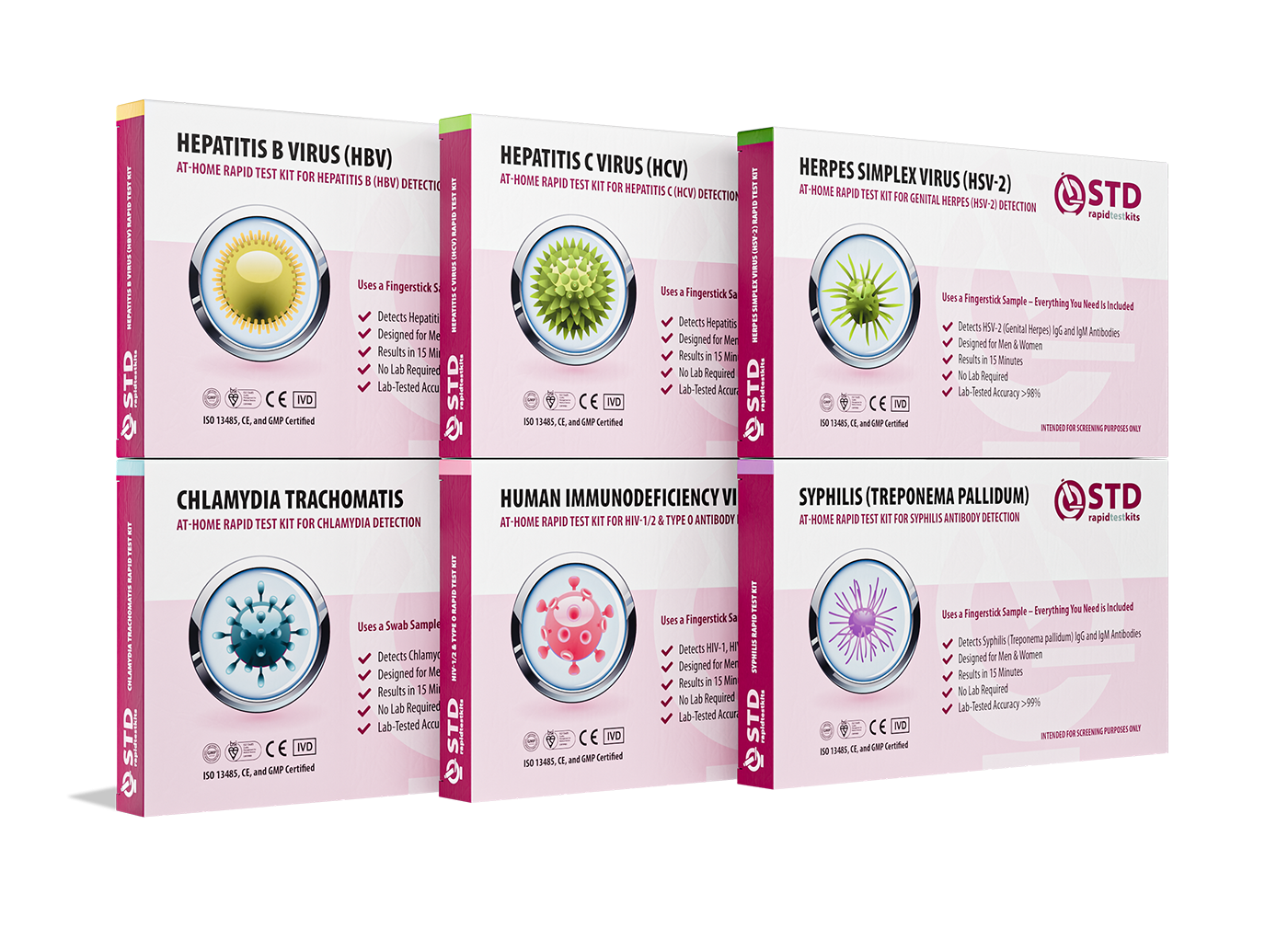
 For Men & Women
 Results in Minutes
 No Lab Needed
 Private & Discreet
Order Now $119.00 $294.00
For all 6 tests
“I Got Tested Too Early, and Paid the Price”
Cam, 29, was proactive. “We hooked up on a Friday. I had symptoms by Sunday, burning, cramping, even a little blood. I used an at-home STD test on Monday and it came back clean, so I figured it was a UTI.” But two weeks later, Cam’s symptoms came back stronger. A new test revealed gonorrhea. “I had trusted the first test, but it was too early. I wish someone had told me that. I could have spared myself two weeks of pain, and probably saved my partner a lot of stress too.”
These stories aren’t cautionary tales meant to scare you, they’re here to show you what real testing strategy looks like. It’s not about jumping to test the morning after. It’s about knowing when accuracy peaks, and choosing a method that works for your body and your timeline.
If your symptoms are intense, if they came on suddenly after sex, or if they don’t respond to UTI treatment, it’s time to test. And if you already tested early, don’t feel defeated. Just consider retesting after 10 to 14 days to confirm what’s really going on.
Wondering where to start? This at-home combo test kit checks for the most common infections and arrives in discreet packaging, no clinic visit needed. If your head keeps spinning, peace of mind is one test away.
UTI Meds Didn’t Work, Now What?
If you’ve already taken antibiotics for a UTI and you’re still in pain, something isn’t adding up. A proper UTI should respond within 24 to 48 hours. No improvement after that means you either didn’t have a UTI in the first place, or you have a resistant infection, which needs a different class of medication.
But more often than not, persistent symptoms mean the original diagnosis was wrong. That’s especially true for people assigned female at birth, who tend to get empirically treated without cultures. It’s even more true for trans and nonbinary folks, who often face rushed or dismissive care. And for cisgender men, a diagnosis of UTI should always raise suspicion for something more serious. UTIs are rare in people with penises, and when burning starts after sex, STDs are the more likely culprit.
If this is you, don’t wait. Retest. Switch gears. You don’t need to suffer through another week of cranberry juice and doubt. A fast, discreet STD panel can rule in, or rule out, what your clinic missed. And from there, treatment is simple, effective, and confidential.
Testing Is Care, Not Confession
We need to talk about shame. Because too many people delay STD testing, not because they don’t want to know, but because they’re afraid of what it means if they do. Afraid it confirms a hookup was “bad.” Afraid it proves they were “reckless.” Afraid they’ll be judged for needing care.
But testing doesn’t mean you did something wrong. Testing means you care. About your body. About your partners. About clarity. In a world where symptoms lie and timelines get blurred, the most protective thing you can do is pause, breathe, and get the facts. You’re allowed to make decisions from information, not fear.
And let’s be real: if you’re having sex, especially with new or multiple partners, symptoms like burning, urgency, or strange discharge are worth checking out. Period. You deserve answers without feeling like you're on trial for your sex life.
How to Tell If It’s Time to Test
If you’re still unsure whether it’s a UTI or an STD, or maybe even both, the chart below offers a narrative breakdown of what symptoms and situations lean one way or the other. Again, this isn’t a replacement for testing. But it might help you spot the pattern faster.
| Scenario | More Likely UTI | More Likely STD |
|---|---|---|
| Burning starts same day after sex | Yes | Unlikely (unless prior exposure) |
| Burning + unusual discharge | Rare | Yes |
| Urge to pee but no urine output | Very common | Possible |
| Symptoms after new partner | Possible | Common |
| Symptoms persist after antibiotics | Unlikely | Very likely |
| Bleeding or pelvic pain during sex | Rare | Common |
| Fever, back pain, or nausea | Possible (esp. kidney infection) | Possible (esp. PID) |
Table 3: Symptom context clues. Use this to guide next steps, but always confirm with testing.
Why Partner Testing Matters, Too
You’ve figured it out. You tested. You got a diagnosis. Now what?
If you test positive for chlamydia, gonorrhea, or trichomoniasis, your next step is making sure partners know, so they can get tested and treated too. Not because you owe them something. Not because you did anything wrong. But because infection passes silently when we don’t speak up.
It doesn’t have to be awkward. It doesn’t have to be emotional. It can be as simple as: “Hey, I just got tested and found out I have [X]. You might want to check too, these things don’t always have symptoms.” Many clinics now offer anonymous partner notification services, or you can send messages through STD notification apps.
If you’re nervous about that conversation, you’re not alone. But testing is only one half of the loop, partner care closes it. And if you're in a committed relationship, early disclosure can actually strengthen trust. It shows you take your sexual health, and theirs, seriously.
Need a discreet way to support your partner? Consider sending them this link: STD Rapid Test Kits offers fast, private options they can use without leaving home.

People are also reading: UTI or STD? Why You Might Be Treating the Wrong Infection
When It’s More Than Just a Physical Symptom
Burning pee is one thing. But the mental spiral it kicks off? That’s a whole different beast. The moment symptoms hit, your brain starts running laps: “Was it that last partner? Did the condom slip? Am I just being paranoid?”
It’s more than discomfort, it’s shame, dread, memory sifting, body-checking, browser tab overload. If you’ve ever Googled something like “STD that feels like UTI” at 3AM, welcome to the club. And if you've ever hesitated to tell a partner or friend what's going on down there, that's not cowardice, it's survival instinct. Because so many of us have been taught that genital pain equals guilt. That infections are punishment. That asking for help makes us dirty or dumb.
That narrative is garbage. Pain is a message, not a moral verdict. Whether it's from a UTI or an STD, or something else entirely, you’re not weak for noticing. You're strong for not ignoring it. Symptoms aren't shameful. Silence is what delays healing.
Rhea, 22, said it best after a misdiagnosed UTI turned out to be trichomoniasis: “I didn’t want to say anything because I thought maybe I just didn’t drink enough water. But when it didn’t go away after meds, I finally tested. That test wasn’t just for the infection, it was for me, to prove I wasn’t making it up.”
You’re allowed to advocate for your body. You’re allowed to ask twice. You’re allowed to test even if someone told you “it’s just a UTI.” And you’re allowed to want clarity, even if the answer makes you nervous. Especially then.
Check Your STD Status in Minutes
Test at Home with Remedium8-in-1 STD Test Kit
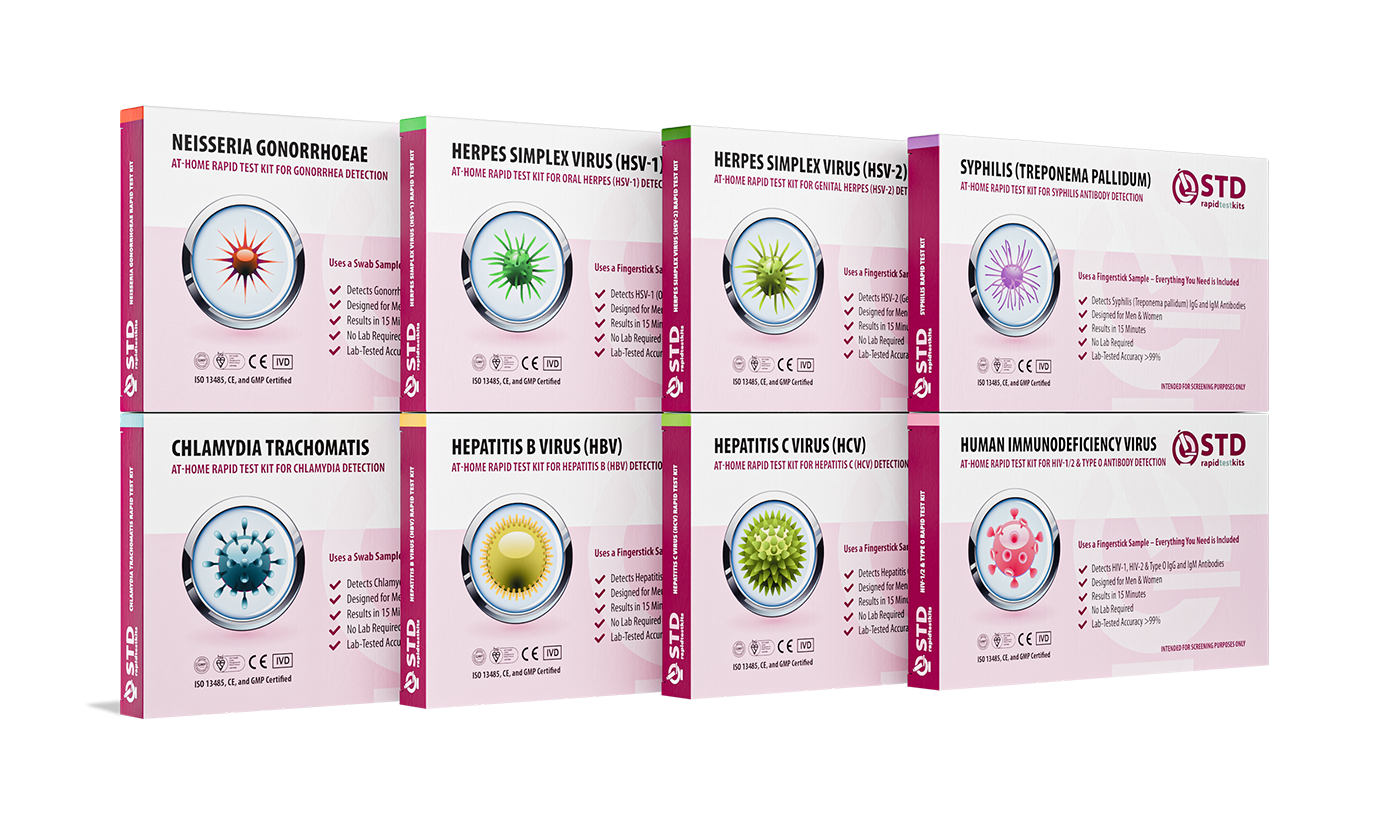 For Men & WomenResults in MinutesNo Lab NeededPrivate & Discreet
Order Now $149.00 $392.00
For all 8 tests
What You Can Do Right Now (No Clinic Required)
You don’t have to sit in this uncertainty. If you’re reading this with an ache in your gut or your bladder or your chest, here’s what you can do, right here, right now:
First, pause. Seriously, breathe. Remind yourself that whatever this is, it’s figureoutable. Then check your timeline. When did symptoms start? Was there a specific encounter that feels like a turning point? If it was within the last few days, you might need to wait a bit for a test to be accurate, but you can still prepare.
You can order an at-home combo STD test today. It’ll arrive quietly, without anyone knowing. You’ll collect a sample when your window hits, send it off, and get clear, private results, no clinic, no awkward questions, no stairs full of waiting strangers.
If you’ve already tested and your symptoms persist, plan a retest. Symptoms that outlast antibiotics deserve another look. And if you’re someone who keeps getting “UTIs” that never seem to go away, ask your provider to rule out chlamydia and trich. You can also request a full-panel home test instead, it might save you weeks of discomfort and confusion.
Most importantly? Talk to yourself like you would a best friend. No more “Why didn’t I…?” or “I’m so stupid for…” You’re not stupid. You’re tuned in. That’s power. That’s protection. That’s how healing starts.
FAQs
1. Can a UTI really feel just like an STD?
Yep. That burning urgency? The pressure like your bladder's full when it's not? Classic UTI. But also textbook chlamydia. The catch? Your body only has so many ways to scream “something’s off” down there, so infections often sound the same. The only way to be sure is to test.
2. Is it possible to have both at once?
Unfortunately, yes. And it happens more often than you'd think. We've seen people treated for a UTI, only to discover they had trichomoniasis tagging along. You’re not cursed, you’re just dealing with two sneaky infections that like the same real estate.
3. I took antibiotics for a UTI and nothing changed. What gives?
If those pills didn’t touch your symptoms, they probably weren’t aimed at the real culprit. Many standard UTI meds won’t work on STDs. It's like bringing a water gun to a grease fire, wrong tool, wrong target.
4. I got symptoms right after sex. Is that timing suspicious?
Definitely raises an eyebrow. UTIs can be triggered by sex, especially if your anatomy’s prone to them. But if you’re getting symptoms 1–3 days after a hookup, especially with a new partner, that’s also peak onset for many STDs. The clock matters.
5. I tested negative but still feel off. Could it be too early?
Totally. Your body might be waving red flags, but your test hasn’t caught up yet. Think of it like a pregnancy test on day one, too soon to confirm what’s brewing. For most STDs, you’ll want to wait at least 7–14 days after exposure for best accuracy.
6. Do guys really get UTIs?
Rarely, and that’s the point. If you’ve got a penis and you’re suddenly peeing fire post-hookup, don’t assume it’s a bladder thing. It’s far more likely to be something like gonorrhea. And yes, you still need to test, no one’s immune.
7. My pee smells weird. Is that a clue?
Kinda. Strong or funky-smelling urine can happen with UTIs, dehydration, even certain foods. But if the smell is fishy and comes with discharge or itch, that’s more on the STD spectrum, especially if it’s new for you.
8. Do I have to tell my partner if it’s an STD?
Ethically, yeah. Practically, it’s the only way to stop the ping-pong effect of reinfection. It doesn’t have to be dramatic. A simple text like, “Hey, I tested positive for [X]. You might want to check too, no hard feelings,” gets the job done. It’s not about blame. It’s about not passing things along silently.
9. Can I test at home without anyone knowing?
100%. At-home kits are made for this exact reason. You don’t need a doctor’s note, you don’t need to drive anywhere, and no receptionist is going to raise an eyebrow. It’s just you, the kit, and your next best move.
10. What happens if I test positive?
You breathe. Then you treat it. Most common STDs are curable, and the rest are manageable. A positive test isn’t the end of anything, it’s the start of real healing, real answers, and real peace of mind. You're not dirty. You're informed.
You Deserve Answers, Not Assumptions
It’s easy to brush off urinary symptoms. To assume it’s just another UTI. To hope the pain fades without asking too many questions. But when it doesn’t? When the burning lingers, the urgency spikes, or antibiotics fail, you don’t need guilt. You need clarity.
STDs and UTIs share the same stage, but they play out differently behind the scenes. And unless you test, you won’t know which script your body is following. So pause the guessing game. This combo test kit offers answers without judgment. Because you have a right to know what's really going on and to get better right away.
How We Sourced This Article: We combined current guidance from leading medical organizations with peer-reviewed research and lived-experience reporting to make this guide practical, compassionate, and accurate.
Sources
2. Urinary Tract Infection Basics
3. About Sexually Transmitted Infections (STIs)
4. Getting Tested for STIs | CDC
5. Sexually transmitted disease (STD) symptoms
6. Sexually Transmitted Infections - StatPearls
About the Author
Dr. F. David, MD is a board-certified infectious disease specialist focused on STI prevention, diagnosis, and treatment. He blends clinical precision with a no-nonsense, sex-positive approach and is committed to expanding access for readers in both urban and off-grid settings.
Reviewed by: K. Montoya, NP, AAHIVS | Last medically reviewed: January 2026
This article is only meant to give you information and should not be taken as medical advice.


