Published: September 2025 | Last updated: May 2026 | Editorial review and quality control: Martina N.
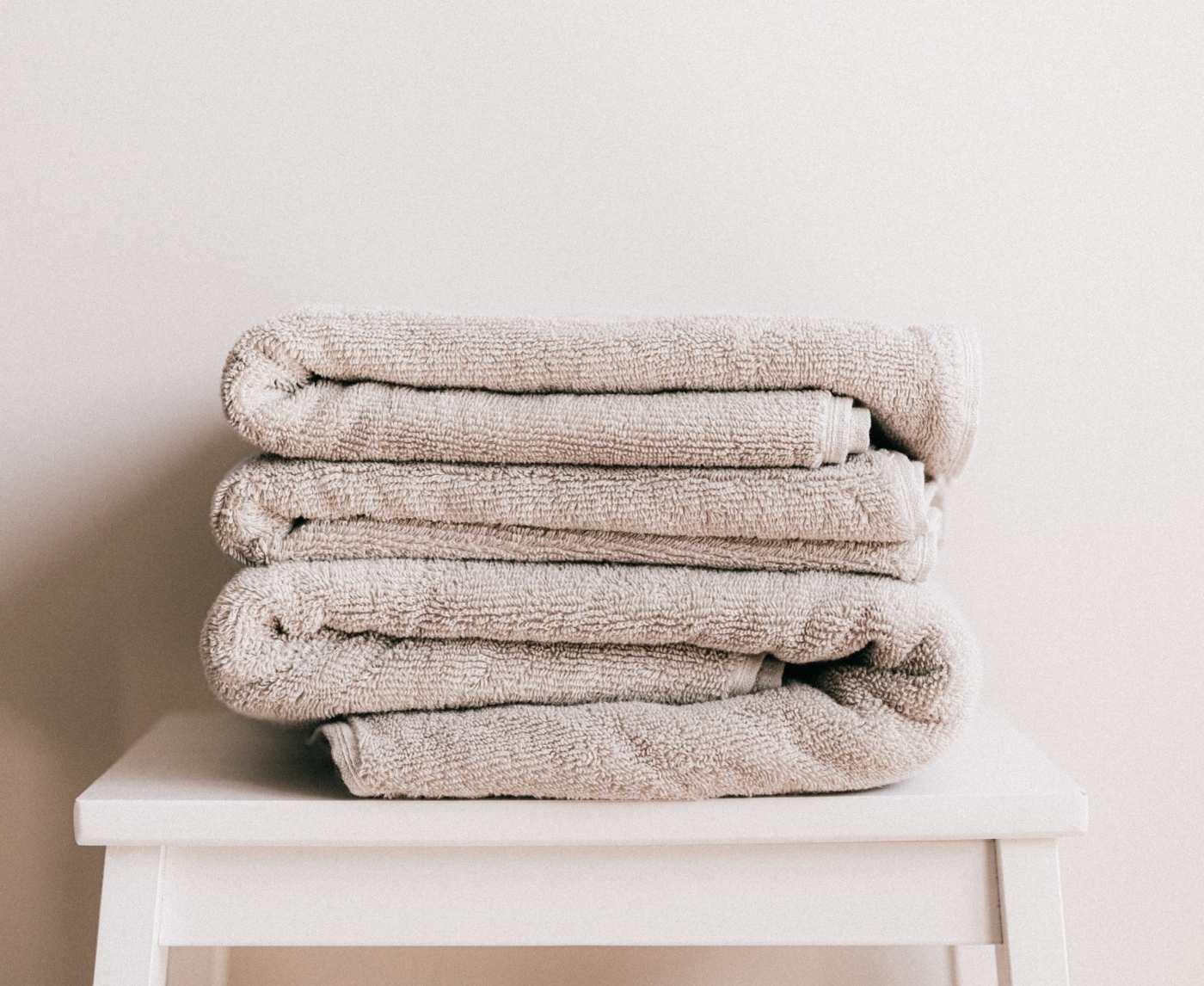
Bethenny Frankel checked into a hotel, used the bathroom towels, and ended up with a bacterial skin infection that swelled her eyes shut and inflamed her face for days. She had not had sexual contact. She had not done anything reckless. She had just used a towel. The story went viral because it taps a fear most travelers, daters, and gym-goers share: that an unfamiliar surface might leave them with something painful, embarrassing, or both. And here is the part that keeps coming up in our reader email: when that "something" shows up on your skin, it can be nearly impossible to tell at a glance whether you are looking at staph, MRSA, an ingrown hair gone wrong, or an early sexually transmitted infection.
This guide walks through how to read the signal, when an at-home rapid STI test helps, and when the right answer is a clinic swab instead.
Key Takeaways
- Bacterial skin infections from shared towels, razors, or sheets can look almost identical to herpes, syphilis, or chlamydia rashes. Eyes-on inspection alone is not enough to tell them apart.
- At-home rapid STI kits rule sex-related infections in or out within minutes once you are past the right window period. They do not diagnose staph or MRSA, which need a clinic wound swab.
How a Towel Infection Can Look Like an STD
The first signal is usually small. A tingle. A hot patch of skin near a shaving line. A red spot that was not there yesterday. Frankel described "burning under the skin," which is also how many people describe an early herpes outbreak, an angry ingrown hair, or a localized cellulitis. The pattern overlaps because the underlying biology overlaps: a break in the skin barrier, a microbe gaining a foothold, and an inflammatory response that looks the same from outside no matter what set it off.
Frankel's clinicians eventually landed on a bacterial skin infection, with staph the most common culprit (CDC, Staphylococcus aureus basics). Staph thrives in warm, damp environments: hotel laundry rooms, spa towel piles, locker-room benches, gym mats, shared barber capes. MRSA (methicillin-resistant Staphylococcus aureus) is the harder-to-treat variant, and it spreads in the same kinds of settings, mostly through direct contact with an infected wound, contaminated hands, or shared items like towels and razors (CDC, sharing items that spread staph).
Now layer on the visual confusion. A staph boil and a herpes vesicle can both present as a tender, swollen, fluid-filled bump. A patch of folliculitis on the inner thigh can mimic the early macular rash of secondary syphilis. An infected ingrown hair near the bikini line can pass for a primary herpes lesion in a phone-camera photo. Ocular involvement, which is what hit Frankel hardest, is also a recognized presentation for several conditions, including chlamydia conjunctivitis when the eye gets seeded from elsewhere in the body (CDC, sexually transmitted infections overview).
The clinical reality is that most clinicians cannot reliably distinguish these by looking. They swab. The table below maps where the overlapping presentations actually come from, so your panic does not outrun your evidence.
| Symptom you can see | STIs that present this way | Bacterial or non-STI causes |
|---|---|---|
| Painful red bumps in a tight cluster | Herpes (HSV-1 or HSV-2) vesicles | Folliculitis, infected ingrown hair, herpetic whitlow lookalikes |
| Single firm painless ulcer | Primary syphilis chancre | Aphthous ulcer, traumatic erosion, contact-dermatitis erosion |
| Spreading red patch with warmth | Disseminated gonococcal skin involvement (rare) | Cellulitis, staph or strep skin infection, early MRSA |
| Pus-filled boil or abscess | Rare as a primary STI presentation | Staph abscess, MRSA furuncle, infected sebaceous cyst |
| Eye redness with discharge | Chlamydia or gonorrhea conjunctivitis | Bacterial conjunctivitis, viral conjunctivitis, contact-lens contamination |
What At-Home Tests Can, and Can't, Tell You
Disclosure: this site sells the at-home rapid STI kits described in this section. We recommend products based on fit for the reader's concern, not commercial benefit.
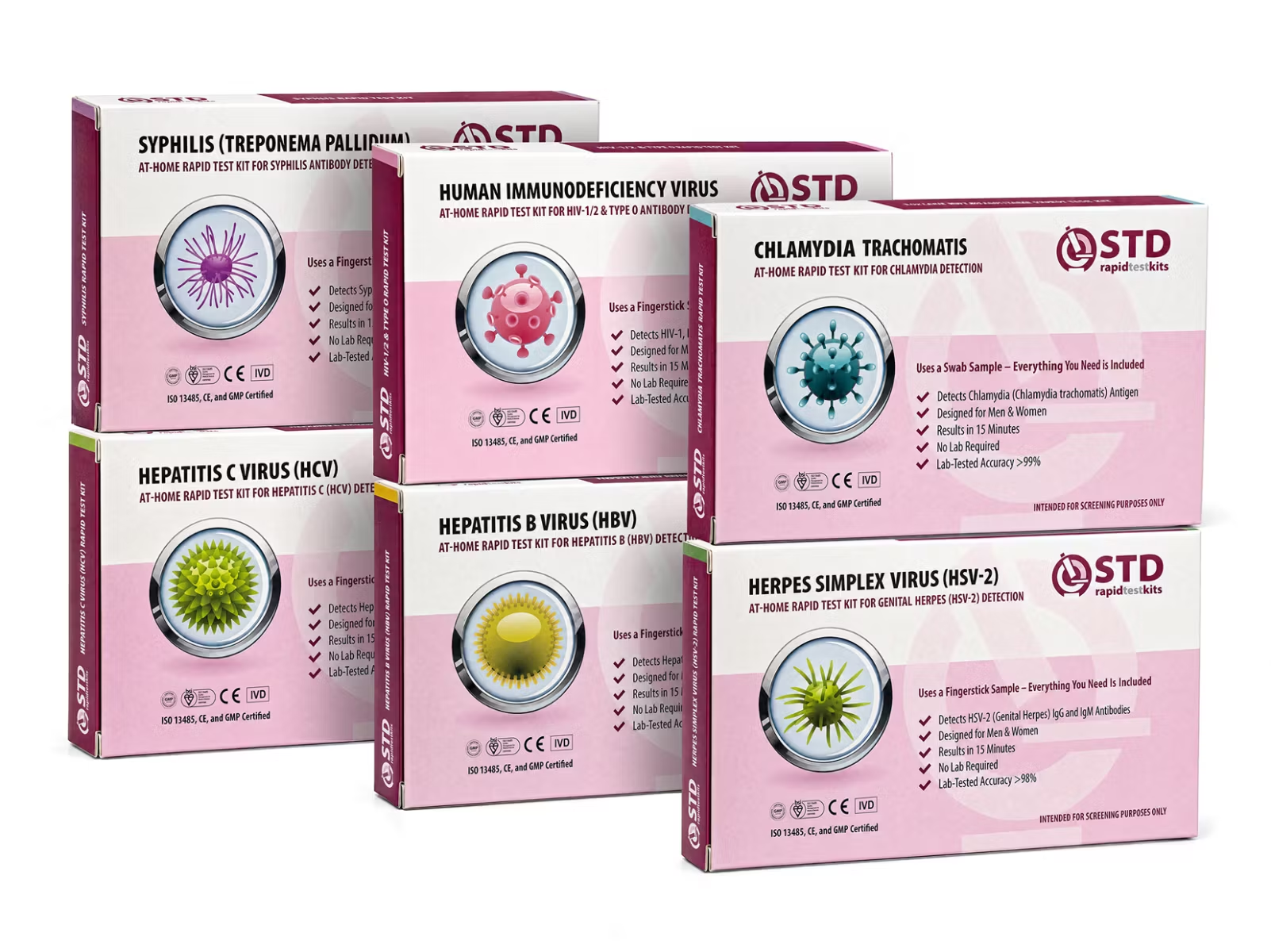
At-home STI testing solves one specific problem: you want to know whether a sexually transmitted infection is part of your situation without booking a clinic visit or explaining yourself to a stranger. Our kits use lateral-flow rapid chemistry, the same family of test you have probably used for pregnancy or COVID. You swab or fingerstick at home, wait roughly 15 minutes, and read a control-and-test line that tells you whether the antigen or antibody the strip is looking for is present.
What they can answer: are you positive for HIV, syphilis, hepatitis B, hepatitis C, HSV-1, HSV-2, chlamydia, gonorrhea, trichomoniasis, or HPV (the last two are vaginal-swab kits validated for female anatomy only). What they cannot answer: is this specific lesion herpes versus a staph boil at this exact moment. Antibody tests measure your immune system's long-term response to a virus, so a positive HSV-2 result tells you that you carry the virus; it does not prove the angry spot on your chin today is an active outbreak rather than an unrelated bacterial pustule.
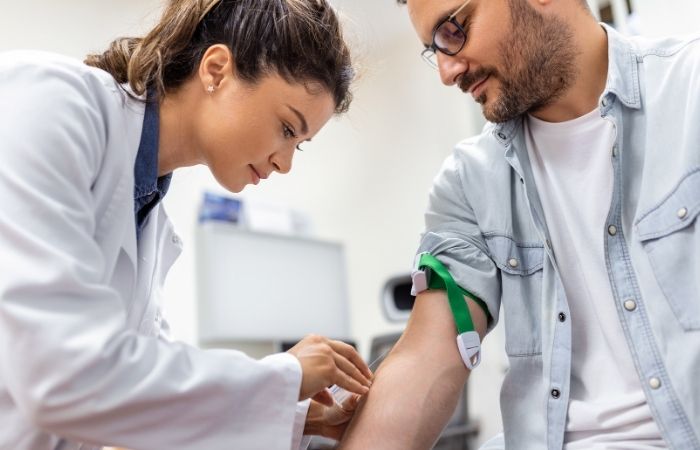
What at-home rapid STI kits also cannot answer: is this staph or MRSA. We do not sell a home test for bacterial skin infections, and we will not pretend otherwise. If your rash is hot, expanding, or producing pus, and the timing and exposure do not point toward sex, a same-day telehealth visit or in-person clinic appointment for a wound swab is the right first move. A wound swab sent to a lab for bacterial culture and antibiotic sensitivity testing will identify whether the bacterium is staph and whether the strain is methicillin-resistant, which changes the antibiotic that works.
So think of the at-home rapid kit as the "rule sex out" tool, and the clinic swab as the "identify the bacterium" tool. They are complementary instruments for two different questions, and both can be useful in the same week.
Timing Is Everything: The Window Period Problem
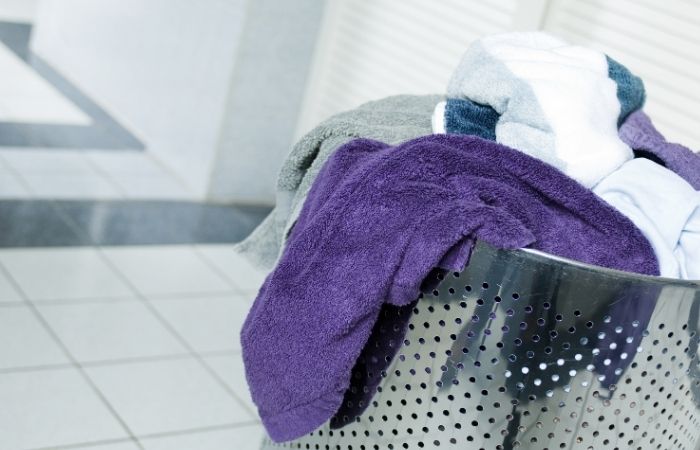
One reason at-home tests come back "clear" while symptoms keep escalating is the window period. Every infection has a gap between exposure and the moment a test can reliably detect it. Test inside that window and you can get a true negative that turns into a positive a week or two later, not because the test was broken but because there was not yet enough antigen, antibody, or genetic material in your system to detect.
Rough guideposts for the common infections, drawn from manufacturer labels and CDC screening guidance (CDC STI overview):
- Chlamydia and gonorrhea: detectable from about 7 to 14 days after exposure on swab-based testing.
- HIV (fourth-generation antigen/antibody, including rapid lateral-flow): typical window of 18 to 45 days, with most exposures detectable by 45 days (CDC HIV testing guidance).
- Syphilis: antibody tests usually turn positive 3 to 6 weeks after exposure.
- HSV-2 blood antibody: seroconversion commonly takes 6 to 12 weeks, occasionally longer.
- Hepatitis B and C: detection windows vary by assay; 4 to 12 weeks is a reasonable default.
Frankel's escalating swelling is the rule for bacterial infections, not the exception. Staph and MRSA produce mostly local signals: redness, warmth, an expanding margin, pus, sometimes fever. They do not respect a tidy window the way antibody tests do, and the absence of fever does not rule out a serious skin infection that needs antibiotics.
The practical translation: pick the test that fits the question, and pick the timing the test was validated for. If you took a fingerstick HSV-2 test 4 days after a worrying contact and got a negative, that is not your answer. Retest at 6 to 12 weeks. If your rash is getting bigger or hotter while you wait, that is a clinic moment, not an at-home test moment.
Can you really get an STI-looking infection from a hotel towel?
Yes. Staph and MRSA are common shared-surface bacteria that produce redness, swelling, painful bumps, and pus visually indistinguishable from a herpes outbreak, a syphilis chancre, or chlamydia eye involvement. An at-home rapid STI test takes roughly 15 minutes and tells you whether sex is part of the picture (when used past the right window period for that infection). Confirming staph or MRSA still requires a clinic wound swab, since at-home STI kits do not test for bacterial skin infections.
When to Retest, and Why It Is Not Paranoia
If you tested and the result was negative but the symptom is still there, retesting is the right move in two specific situations: the first test was inside its window, or your immune response had not yet ramped up. Both are common, and both produce a real negative followed by a real positive without anything being wrong with the kit.
A representative pattern: someone takes an HSV-2 rapid blood test on day 5 after a new exposure, sees a clean result, then develops a sore on day 10. By day 60, antibody levels rise enough that a repeat test turns positive. The first test was not wrong. It was simply early. Antibody assays measure your body's response, and that response takes weeks to build for HSV, syphilis, and HIV.
Retest is the right call when:
- You tested inside the validated window for that infection (a 5-day HSV antibody test, a 10-day HIV test).
- A previously untested partner has just told you they tested positive.
- You completed treatment for chlamydia or gonorrhea and want a test-of-cure at the recommended interval.
- Your kit was past its expiry date or stored above the temperature range printed on the box.
- Symptoms persist or change after a clean initial result.
- You have had significant new exposure since the last test.
And if the rash itself keeps spreading, do not loop the same at-home test for reassurance. Get a clinic swab. A persistent expanding red margin past 48 hours, especially with fever, is exactly the presentation public-health authorities tell patients to escalate to in-person care (CDC, Staphylococcus aureus basics).
The CDC's <a href="https://www.cdc.gov/staphylococcus-aureus/about/index.html" target="_blank" rel="noopener">Staphylococcus aureus basics page</a> tells readers to avoid sharing items like towels, razors, and needles, and to keep wounds covered until healed. The same advice applies to MRSA, which is a methicillin-resistant strain of the same bacterium. Risk climbs in warm, damp settings where fabric stays in prolonged contact with skin, exactly the conditions a busy hotel laundry room produces.
Real-Life Scenarios: Where People Land on the Wrong Test First
Consider the typical Vegas-weekend pattern. Someone shares a hotel bathroom with five friends, does not hook up, and returns home with a painful sore on her lip two days later. Her first thought is herpes; her second is shame; her third is to start Googling. A rapid HSV-1 antibody test gives her information about whether she carries the virus, but it does not settle whether this specific lip sore is an HSV-1 outbreak or a staph furuncle from an infected razor someone left near the sink. The right tool here is a clinic-administered swab of the lesion, ideally before she pops it.
Or consider the one-night-stand pattern. A traveler hooks up, uses the hotel towels, showers in the morning, and develops a tender red patch in his groin three days later. First instinct: panic-test for every STI on the menu. His rapid chlamydia and gonorrhea swabs come back negative (which is plausible at three days, but also possibly too early). A telehealth visit and a wound swab eventually confirm MRSA, treated with a topical and an oral antibiotic. The at-home tests were not wasted; they ruled out the most stigmatized possibilities and freed him to focus on the actual problem.
Most people who land on this page have something far more mundane than either of the first two patterns: irritation from new soap, a heat rash from a long flight, or razor burn after travel-shaving. These do not need any test. They need a few days of leaving the area alone, fragrance-free moisturizer, and watching for signs that escalate (spreading redness, warmth, pus, fever). If nothing escalates, nothing was wrong.
Vegas-weekend: shared bathroom, no recent sexual contact, lip or face sore that mimics herpes but turns out to be staph from a contaminated razor or towel.
One-night-stand: hotel towels plus new sexual partner, groin patch panic-tested for STIs first, then identified as MRSA on a clinic wound swab.
Routine irritation: new soap, flight heat rash, or shaving burn. Settles within 48 hours of leaving the area alone with fragrance-free moisturizer. No test needed unless it escalates.
Your Results, Your Privacy, Your Pace
The most common reason readers tell us they delayed testing is privacy. They worry about the shipping label, the email subject line, the chance that a roommate or partner sees the box. Reasonable concerns. Our kits ship in plain unmarked packaging, the return address is generic, and order confirmations do not mention the product on the outside of the envelope.
This matters more than it sounds. The CDC's own data on testing barriers consistently flags stigma and privacy as the top reasons people skip or delay STI screening (CDC, STI prevention and screening). A discreet kit you can open in your bathroom, your car, your van, or a guest cabin removes one of the steps between worry and answer.
For travelers and remote workers, this also makes testing portable. Rapid lateral-flow kits do not need refrigeration as long as they stay within the temperature range printed on the box, and most fit easily into a carry-on. A kit you bought in advance and brought with you costs you nothing if you never use it, and saves you a week of anxious Googling if you do.
Plain unmarked envelope or box. No product name on the outside. Return address generic. Order confirmation emails do not name the kit in the subject line. Results read only by you, on a private page you reach through a one-time link.
What If Your Test Comes Back Positive?
A positive result is information. It is not a verdict on your worth, your future, or your relationships. Most sexually transmitted infections are treatable, and several are curable with a short course of antibiotics. Chlamydia and gonorrhea clear with prescribed antibiotic regimens; syphilis at most stages is treated with penicillin; even chronic viral infections like HSV-2 are managed with suppressive antivirals that significantly reduce outbreaks and transmission risk (CDC, sexually transmitted infections overview).
The order of operations after a positive at-home result usually looks like this. First, do not retest in panic five minutes later; the result will be the same. Second, book a telehealth or in-person appointment for a confirmatory lab test (a NAAT or a confirmatory serology), since lateral-flow rapid tests can produce false positives in a small minority of cases. Third, ask your clinician about treatment options and whether to notify recent partners. Most US states support expedited partner therapy for chlamydia and gonorrhea, which lets your provider prescribe treatment for a named partner without requiring them to come in first; ask whether that option applies to your situation.
Notification is the hardest part, and there is no script that makes it easy. A direct factual text ("I just tested positive for X and you should get tested, here is a link") is usually better than a long apology. Your past partners may not react well, and that reaction is separate from the fact that telling them was the correct call. If a partner needs the link to a testing kit, you can send it over without commentary; they can take it from there.
What This Story Really Teaches Us
Frankel's hotel-towel infection went viral because it was relatable. Most readers have walked out of a hotel bathroom slightly unsure about the towels. Most have wondered, at least once, whether a new skin spot was bacterial or sexual or just hormonal. The stigma gap between those three categories is enormous, and it makes calm decision-making harder than the underlying biology demands.
Here is the calm version. Shared surfaces transmit bacteria, especially staph and MRSA, and especially in warm damp conditions. Sex transmits sexually transmitted infections. The two can produce overlapping skin findings. At-home rapid STI kits are the right tool to answer "is sex part of the picture" within minutes. Clinic wound swabs are the right tool to identify a specific bacterium. Neither tool can do the other's job, and using the wrong one first wastes a few days you do not want to lose if the rash is escalating.
If you came to this page because something on your skin is worrying you, the next step is usually one of three things: leave it alone for 48 hours and watch, take an at-home STI test if a recent exposure puts an STI on the differential, or call a clinic if the rash is hot and spreading. The kit below covers the broadest at-home STI panel we ship in a single discreet package.

Frequently Asked Questions
- Can you really get an infection just from a hotel towel?
- Yes, if the towel was not washed at a temperature high enough to kill bacteria, or was reused without being laundered, staph and MRSA can survive on damp fabric and transfer to skin through small cuts or irritated follicles. Gym cloths, shared spa towels, and rental linens carry the same risk. Most exposures still do not cause an infection, but they can, and Frankel's case is a public example of the worst-case version.
- How do I tell if this is an STI or a skin infection from a shared surface?
- Visual inspection alone usually cannot. The right question is timeline and exposure: if the rash started two to three days after sharing towels, sheets, or a razor with no recent sexual contact, bacterial is more likely. If it started a week or two after new sexual contact, an STI is on the differential. When the timeline overlaps, testing for both is the cleanest answer.
- Is herpes easy to confuse with a staph boil or an infected ingrown hair?
- Yes. A herpes vesicle and a staph furuncle can look identical in a phone photo. Even clinicians often swab to be sure. The most useful tell is recurrence: herpes tends to recur in roughly the same anatomical spot, while staph and ingrown-hair infections do not.
- Do at-home STI kits test for staph or MRSA?
- No. Our at-home kits are rapid lateral-flow tests for specific STIs, not bacterial-skin panels. If your rash is hot, expanding, or producing pus, a clinic or telehealth wound swab is the right next step. The two tools work alongside each other, not as substitutes.
- When should I take an at-home STI test after a worrying exposure?
- Earliest reliable detection windows are: chlamydia and gonorrhea at 7 to 14 days on a swab test; syphilis at 3 to 6 weeks; HIV at 18 to 45 days on a fourth-generation antigen-antibody test; HSV-2 blood antibody at 6 to 12 weeks. A negative inside any of these windows still needs a follow-up retest at the correct interval before you treat it as final.
- My test came back negative but my symptoms are still there. Now what?
- Two possibilities. First, you may have tested inside the window period; retest at the recommended interval for that infection. Second, you may be dealing with something the test does not check for, like staph, MRSA, eczema, or contact dermatitis. If the rash is getting worse or has lasted more than a few days, escalate to a clinician for an in-person look and a wound swab if indicated.
- Can you get an STI without penetrative sex?
- Yes. Skin-to-skin STIs like herpes and HPV can transmit through close genital contact, oral sex, and shared sex toys without any penetration. If the exposure felt risky, the test is worth taking regardless of whether "sex" technically happened.
- Will anyone know I ordered an at-home test?
- Not unless you tell them. The packaging is plain, the return address is generic, the email confirmations do not name the product on the outside, and results are read by you alone. You decide who hears anything.
- U.S. Centers for Disease Control and Prevention. Staphylococcus aureus basics: where staph lives, how it transmits, prevention advice including not sharing towels and razors, and when to seek care for an expanding skin infection.
- U.S. Centers for Disease Control and Prevention. MRSA prevention and care guidance, including hygiene recommendations for community settings.
- U.S. Centers for Disease Control and Prevention. Sexually transmitted infections overview, including common presentations, screening recommendations, and treatment summaries for chlamydia, gonorrhea, syphilis, and HSV.
- U.S. Centers for Disease Control and Prevention. HIV testing guidance, including window-period detection ranges by test type.
- Mayo Clinic. MRSA symptoms and causes, including escalation criteria for in-person care.
- Mayo Clinic. Sexually transmitted diseases overview: symptoms, causes, and treatment options across common STIs.
