Could That Uncomfortable Sore Be a Syphilis Chancre?
Syphilis is an STI infection caused by the bacterium Treponema pallidum, which contributes a significant amount of new cases to the global records of the World Health Organization annually. It is vital to know its stages, signs and symptoms, and prevention methods in order to diagnose and get treated as early as possible.
02 October 2024
4 min read
3300
Could That Uncomfortable Sore Be a Syphilis Chancre?
Syphilis is an STI infection caused by the bacterium Treponema pallidum, which contributes a significant amount of new cases to the global records of the World Health Organization annually. It is vital to know its stages, signs and symptoms, and prevention methods in order to diagnose and get treated as early as possible.
Stages of Syphilis
In general, syphilis is observed to progress into four stages, each having distinct symptoms and complications:
Primary
Secondary
Latent
Tertiary
Interestingly, the different stages do not always occur in a straightforward chronological line; they can appear in a varied sequence.
Development of Syphilitic Chancre
The chancre is a painless sore developed during the primary stage of syphilis. It is highly infectious and can last from 1-5 weeks. The common sites of chancres are the genitals, though they may occur on several other parts of the body such as:
Anus
Mouth
Lips
Tongue
Tonsils
Fingers
Breasts
Nipples
It is important to note that syphilis is mainly acquired by mere contact with the chancre during sexual exposure.
Syphilis Chancre versus Chancroid: Differences and Similarities
Syphilis chancre is easily mistaken for chancroid because of some similar characteristics. However, there are key differences:
Similarities:
Both result from sexually transmitted infections.
Both lesions occur on the genital regions.
Both are small, approximately 2 cm in diameter.
Differences:
Chancres are caused by Treponema pallidum; Chancroids by Haemophilus ducreyi.
Chancres are painless; Chancroids are very painful.
Chancres can heal without treatment; Chancroids require medical treatment.
Chancres are usually single; Chancroids often appear as multiple sores.
Signs and Symptoms of Syphilis Chancre
Look for the following signs which may indicate the presence of a syphilis chancre:
Swollen lymph nodes in the region where the chancre has appeared.
Painless sores in the rectum, on the skin or genitals, or even in the mouth.
Even without treatment, these sores can heal themselves within 3-6 weeks. However, the absence of the chancre doesn't imply a cure for syphilis.
Syphilis Chancre Transmission
The infectious chancre of syphilis can be spread through direct skin-to-skin contact with an infected sore. Condoms reduce the risk of transmission, but if the sore is in a position that is not covered by the condom or is in the throat, then infection may still occur.
Prevention of Syphilitic Chancre
To prevent syphilis, consider the following measures:
Avoid sexual intercourse if exposed to infection.
Practice safe sex by using condoms.
Engage in monogamous relationships with partners free from syphilis.
Do not share sex toys.
Get regular STD testing for yourself and your partner.
Do not share needles.
Diagnosing Syphilis Chancre
Diagnosis of syphilis chancre includes:
Identifying symptoms and signs.
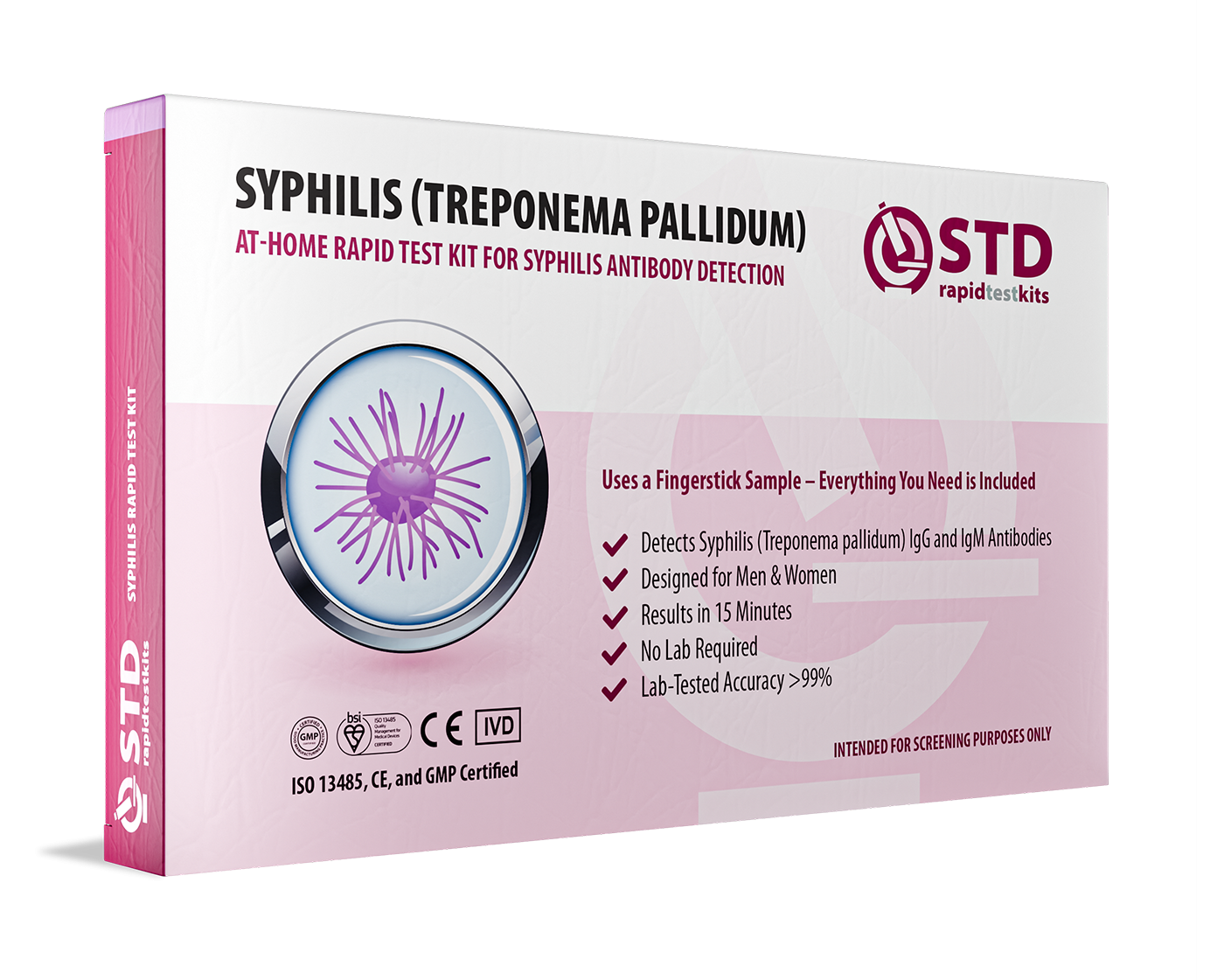
Using a Syphilis rapid test kit.
Identifying the bacteria that cause syphilis under a microscope.
The most common medication for treating syphilis chancre is penicillin. If a patient has a penicillin allergy, other antibiotics such as doxycycline, azithromycin, or ceftriaxone may be prescribed.
Syphilis Chancre: How to Manage Your Recovery
It is highly advisable to avoid sexual contact throughout the treatment period until all sores have disappeared. This prevents further transmission of the disease to your partner. If sexually active during treatment, ensure that your partner also receives treatment to prevent reinfection. Follow your healthcare provider's recommendations about when sexual activity can safely resume.
Ways of Syphilis Chancre Transmission
The syphilis chancre can be spread through the following:
Direct contact with the syphilis chancre.
Anal, vaginal, or oral sex.
Sharing sharp objects or sex toys with infected persons.
Conclusion
The primary stage of syphilis is critical for treatment because medications like penicillin can be highly effective in addressing the presence of a chancre. If you experience any of the symptoms mentioned, seek medical attention immediately for diagnosis and appropriate treatment.
Awareness of STIs like syphilis, along with practicing precautionary methods, is crucial in combating the spread of such diseases. Always practice safe sex and get regular STD screenings as part of routine healthcare. Remember, early detection and treatment are the best ways to effectively manage sexually transmitted infections.








 For Men & Women
 Results in Minutes
 No Lab Needed
 Private & Discreet


