






At-Home HIV Test or Lab Work: What Actually Gives You Peace of Mind
The Rise of At-Home STD Testing
The need for convenient, confidential, and affordable STD testing has never been higher. With 1 in 5 Americans infected with an STI and many unaware they are infected, routine testing is a critical public health requirement.
Traditional testing, however, creates obstacles that discourage people from being tested.
Why People Avoid Traditional STD Testing
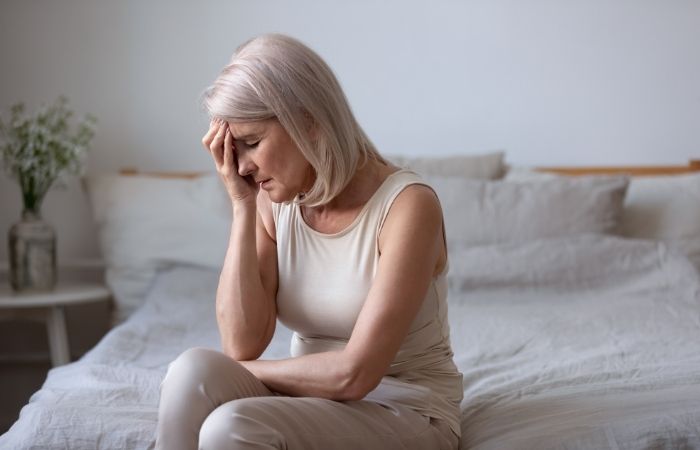
Despite overall awareness of sexual health, most people delay or never have themselves screened for STDs. Some of the most common reasons are:
- Embarrassment – Shying away from judgment by medical experts or stigmatization by others.
- Time constraints – Busy lives make it awkward to schedule and actually visit clinics.
- Privacy concerns – Not everyone is comfortable discussing their sex life face-to-face.
- Cost barriers – Testing in a clinic can be expensive, and insurance is not something that everyone can have.
Enter at-home STD testing.
The Convenience Factor: Test on Your Own Terms
At-home STD testing eliminates the shame and inconvenience of the past. These tests allow consumers to:
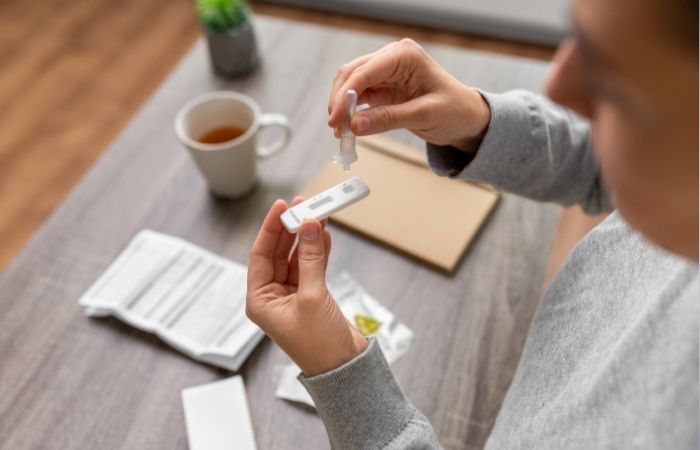
- Collect their own samples (urine, swabs, or blood from a finger prick).
- Send them to certified labs to test or receive immediate results at home.
- Receive discreet, trusted results online without having to make in-person visits.
In a 2023 study, over 60% of individuals who had already rejected testing reported that they would be more likely to become tested with at-home testing. This is creating a sexual health control cultural revolution.
Technological Advances in At-Home Testing
As medical diagnostics develop rapidly, at-home STD testing becomes more efficient and precise. Among the chief advances are:
- Minute results via FDA-approved fast test kits.
- Greater sensitivity and specificity to keep false positives/negatives low.
- AI-supported diagnosis for optimal analysis of test results.
- Send-it-in mail-in test kit sent to licensed labs for professional-grade accuracy.
All these with the same high level of precision as in-clinic testing—with the convenience of home.
Check Your STD Status in Minutes
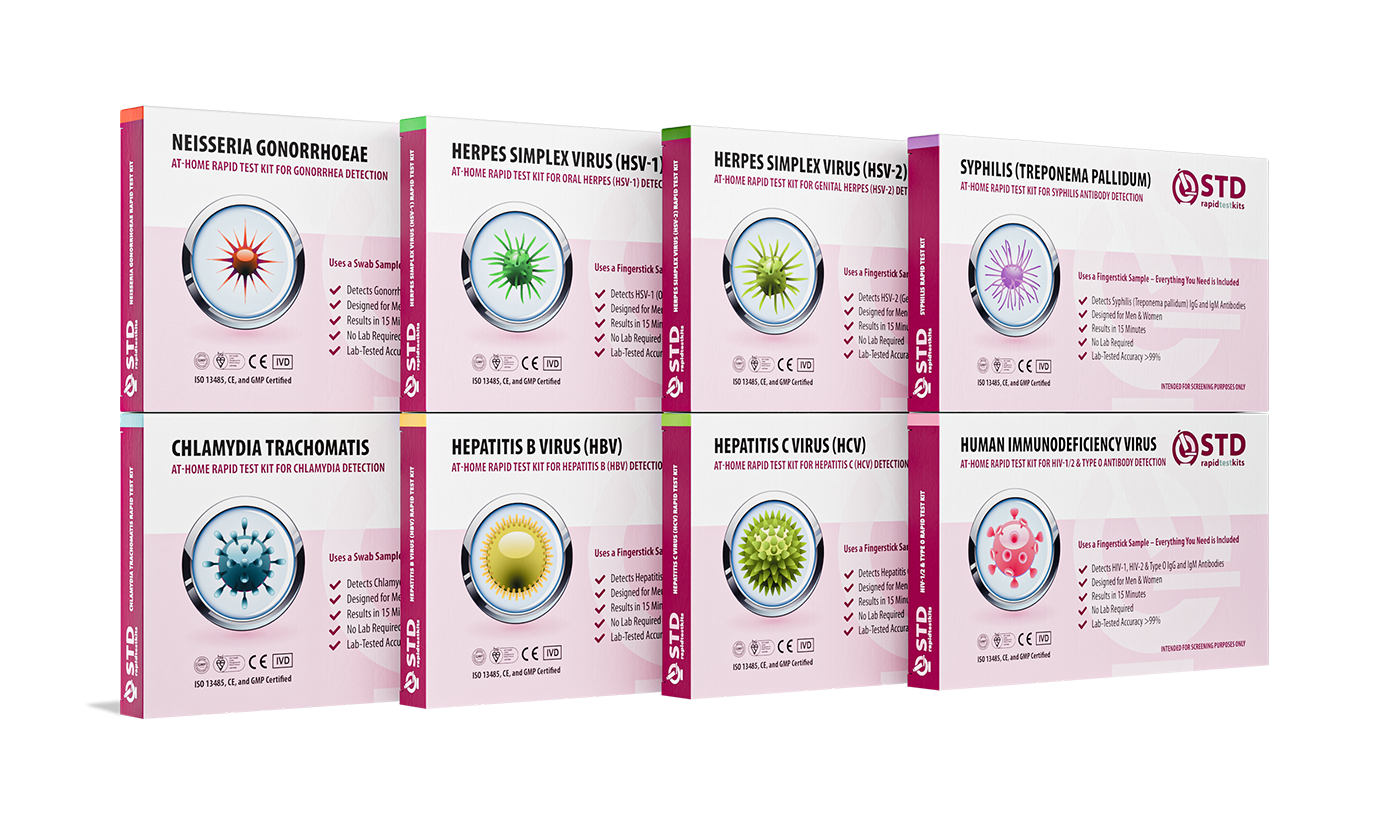
Test at Home with Remedium8-in-1 STD Test Kit
Claim Your Kit Today
Save 62%
 For Men & Women
 Results in Minutes
 No Lab Needed
 Private & Discreet
Order Now $149.00 $392.00
For all 8 tests
The Benefits of Home STD Testing
Home STD testing is not only convenient; it's actually better than traditional screening in several ways. Here's why people are making the change:
Greater Privacy and Confidentiality
Sexual health is personal. Most people do not want to discuss their problems with doctors, especially in small towns where anonymity is low. Home testing allows complete discretion—no embarrassing discussion, no possibility of being seen at a clinic, just private, secure results.
Easy Access for Underprivileged Groups
The majority of people lack easy access to STD test centers, especially in remote areas. Home testing removes this hurdle, and anyone who has access to the internet can receive sexual health care.
Cost-Effectiveness and Accessibility
Most at-home tests, like those of STD Rapid Test Kits, are cheaper than clinic testing at between $25 to $100 for the disease tested. That is compared to regular lab tests that cost $150 or more per test.
Less Waiting Time and Instant Results
Clinic testing typically includes:
- Booking an appointment (which could take weeks).
- Waiting in a waiting area.
- Waiting days or even weeks to receive test results.
- With quick at-home STD testing, results in minutes—not waiting around, not stressing.
Promotes Routine Testing
Since at-home testing is easy and cheap, it promotes routine testing. Routine testing is the secret to early detection—and early detection prevents complications and transmission rates.
Challenges and Myths of At-Home STD Testing
Even with the seeming advantages, some myths surrounding at-home STD testing exist. Let's debunk them:
Myth #1: Home Tests Aren't as Precise as Lab Tests
Fact: All but a handful of FDA-approved home tests have accuracy rates over 95%. Clinic-based home tests use the same technology found in clinics. The key is to deal with well-known brands like STD Rapid Test Kits.
Myth #2: You Can Only Screen for a Bunch of STDs at Home
Reality: Home tests currently are capable of identifying chlamydia, gonorrhea, syphilis, HIV, trichomoniasis, herpes, and others—like a clinic.
Myth #3: At-Home Testing is Too Expensive
Reality: Most home tests are less expensive than going to a clinic, and some offer discounted packages or subscription testing for regular check-ups.
Myth #4: At-Home Tests Aren't Regulated
Reality: The majority of home tests are FDA-approved and collaborate with accredited laboratories to maintain clinical accuracy standards. Always opt for well-known brands.
Myth #5: Positive Results Mean No Support
Reality: The majority of home test services offer telemedicine consultations to help users understand results and treatment.
What's Next for At-Home STD Testing in 2025?
The future of at-home STD testing has never been brighter. In 2025, we can look forward to:
- Instant digital diagnostics from AI-driven result analysis.
- More insurance coverage for home STD testing.
- More FDA-approved rapid tests with clinical-grade precision.
- More public awareness campaigns encouraging self-testing.
- Telehealth expansions that connect consumers directly to physicians for prescriptions.
With advances in technology and access, home STD testing will continue to revolutionize sexual healthcare.
Check Your STD Status in Minutes
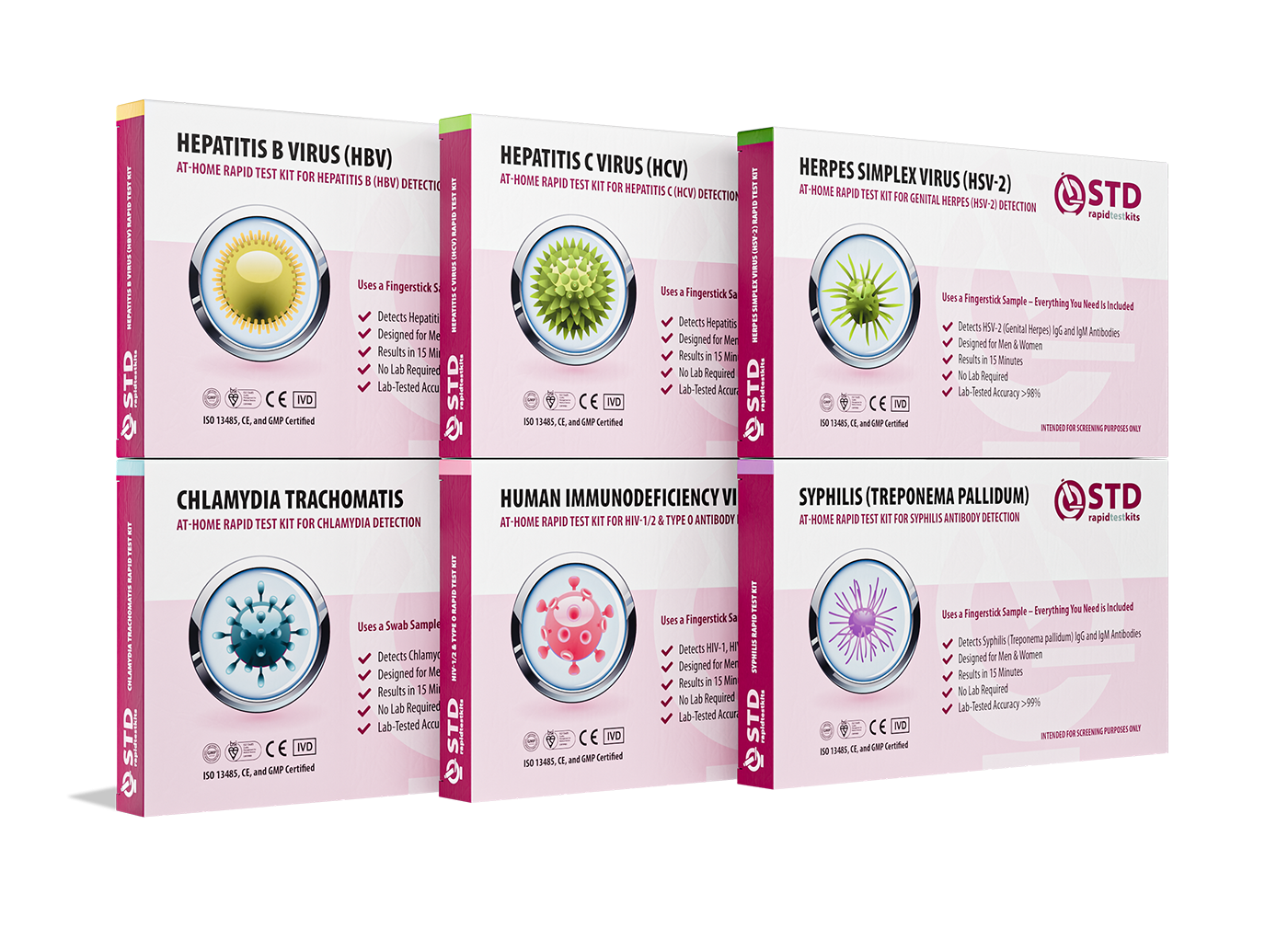
Test at Home with Remedium6-in-1 STD Test Kit
Claim Your Kit Today
Save 60%
For Men & WomenResults in MinutesNo Lab NeededPrivate & DiscreetOrder Now $119.00 $294.00
For all 6 tests
FAQ
1. Are at-home STD tests accurate?
Yes! The majority of valid home STD tests are 95% accurate or more. Home lab tests utilize the same technology as clinics. Home rapid tests are also very accurate but must be confirmed by lab testing if a positive is detected.
2. How long do results take?
Rapid home tests (e.g., STD Rapid Test Kits) provide results within minutes.
Lab tests sent through the mail tend to have results 2–5 days after receiving the sample at the laboratory.
3. Do home STD tests identify all infections?
All but a few at-home STD tests can check for chlamydia, gonorrhea, syphilis, HIV, herpes, and trichomoniasis. Some of them even give complete panels that test for multiple infections simultaneously.
4. What if I receive a positive result?
If you receive a positive result:
- Speak with a physician about what's next.
- Most at-home test vendors offer telemedicine consultations to discuss results.
- You may require further lab confirmation in certain cases.
5. How do I know my results are correct?
- Use the instructions correctly to yield a proper sample.
- Test at the right time (some STDs have a "window period" before they are detectable).
- Use high-quality brands like STD Rapid Test Kits to ensure quality.
6. Is home STD testing expensive?
Not always. Tests are as low as $25, and full-panel tests are $80–$150. This is in comparison to clinic visits at $150+ for each test, so home testing is typically less costly.
7. Can I buy over-the-counter at-home STD tests without a prescription?
Yes, the majority of at-home STD tests can be bought online without a prescription. There are prescription requirements for some tests in some states.
8. Are my test results confidential?
The majority of home STD testing agencies employ anonymous packages, secure web sites, and encrypted data banks to safeguard anonymity. Nobody will receive any results without your approval.
9. In what way is testing at home distinct from testing in a clinic?
- Convenience: Confidential STD testing at home involves you testing discreetly, without the hassle of a clinic visit or appointment. Testing at a clinic requires scheduling, waiting, and facing others in an open-face environment.
- Privacy: Home testing is entirely private, with no private conversation whatsoever. Clinic testing, on the other hand, involves direct clinician conversation.
- Accuracy: Public home tests are 95%+ accurate, which is almost identical to lab-based clinical tests, which are 99%+ accurate.
- Cost: At-home STD tests cost between $25 and $150, based on the infection type. Clinic tests may cost $150 or higher per test, especially for non-insured individuals.
- Result Time: Quick at-home STD testing gives a result within minutes, and mail-in laboratory testing takes between 2 to 5 days. Results from tests in clinics take 3 to 7 days
10. Who should use at-home STD testing?
Home STD testing is most suitable for:
- Those who value privacy and do not want to go to clinics.
- Those who have hectic schedules and cannot afford time off for in-clinic visits.
- Those in remote or underserved areas with limited healthcare access.
- Anyone who would like a swift and low-cost screening option.

The Future is At-Home Testing
Home STD testing is now no longer novel—it's a sexual health care revolution. With upgraded technology, upgraded accuracy, and upgraded accessibility, more and more people are turning to self-testing as a valid, confidential, and cost-effective clinic alternative.
If you’ve ever hesitated to get tested because of stigma, inconvenience, or cost, at-home STD tests remove those barriers. In 2025 and beyond, self-testing will continue to evolve, providing faster, cheaper, and even more advanced diagnostic options.
If you want discreet, cheap, and reliable STD testing, give the trusted home test kits of STD Rapid Test Kits a shot. Your body is your own—test on your own terms.
Sources
1. FDA Grants Marketing Authorization of First Home Test for Chlamydia, Gonorrhea and Trichomoniasis
2. Sherlock Bio evaluates over-the-counter rapid test for STIs, aims launch in 2025


