






How Public Health Campaigns Are Fighting STD Stigma and Encouraging Testing
The Origin of STDs – How It All Began
STDs didn’t just appear with the invention of cities or the swinging '60s, they likely existed before humans could write them down. Traces of venereal disease symptoms have been found in the remains of prehistoric humans and animals, suggesting that sexually transmitted infections are truly ancient.
One of the earliest documented STDs was syphilis, a disease that rocked Europe in the late 15th century. There’s still debate about where it came from, some believe it originated in the New World and was brought back by Columbus’s sailors, while others suggest it existed in Europe earlier but mutated into a deadlier form.
At the same time, ancient texts from Egyptian, Greek, and Roman cultures report symptoms that are similar to today's gonorrhea and chlamydia, although they called them more lyrical names such as "the dripping disease" or "diseases of Venus." Lacking antibiotics or scientific knowledge, these diseases were usually attributed to curses, gods, or bad morals.
Flash forward to the 20th century, and we have the advent of HIV/AIDS, a viral disease that burst onto the world's radar in the 1980s. Even though the virus most probably transmitted from primates to humans in the early 20th century, it went undetected until it killed communities on the margins.
Benefits of Understanding STD History
You might wonder, why does it matter where STDs come from? Isn’t it more important to know how to treat or avoid them? Yes, but understanding history gives us crucial insights:
It helps reduce stigma
Realizing that STDs have affected people of all backgrounds, across all centuries, helps break the idea that these infections are linked to shame or recklessness.
It exposes the roots of public health responses
Historical outbreaks of syphilis or HIV prompted widespread reforms in sexual education, public health funding, and medical ethics.
It teaches us from past mistakes
From forced testing in colonial territories to the unethical syphilis studies in Tuskegee and Guatemala, STD history reminds us why consent and transparency matter.
It reveals patterns
Some infections increase during wars, social unrest, or when contraception access declines. Understanding these trends allows us to anticipate the next public health tide.
It unites global cultures
Each region has its own STD history, influencing laws, cultural mores, and treatment. From herbal remedies in East Asia to Renaissance Europe's quarantine houses, the history of STDs is worldwide.
Check Your STD Status in Minutes
Test at Home with Remedium10-in-1 STD Test Kit
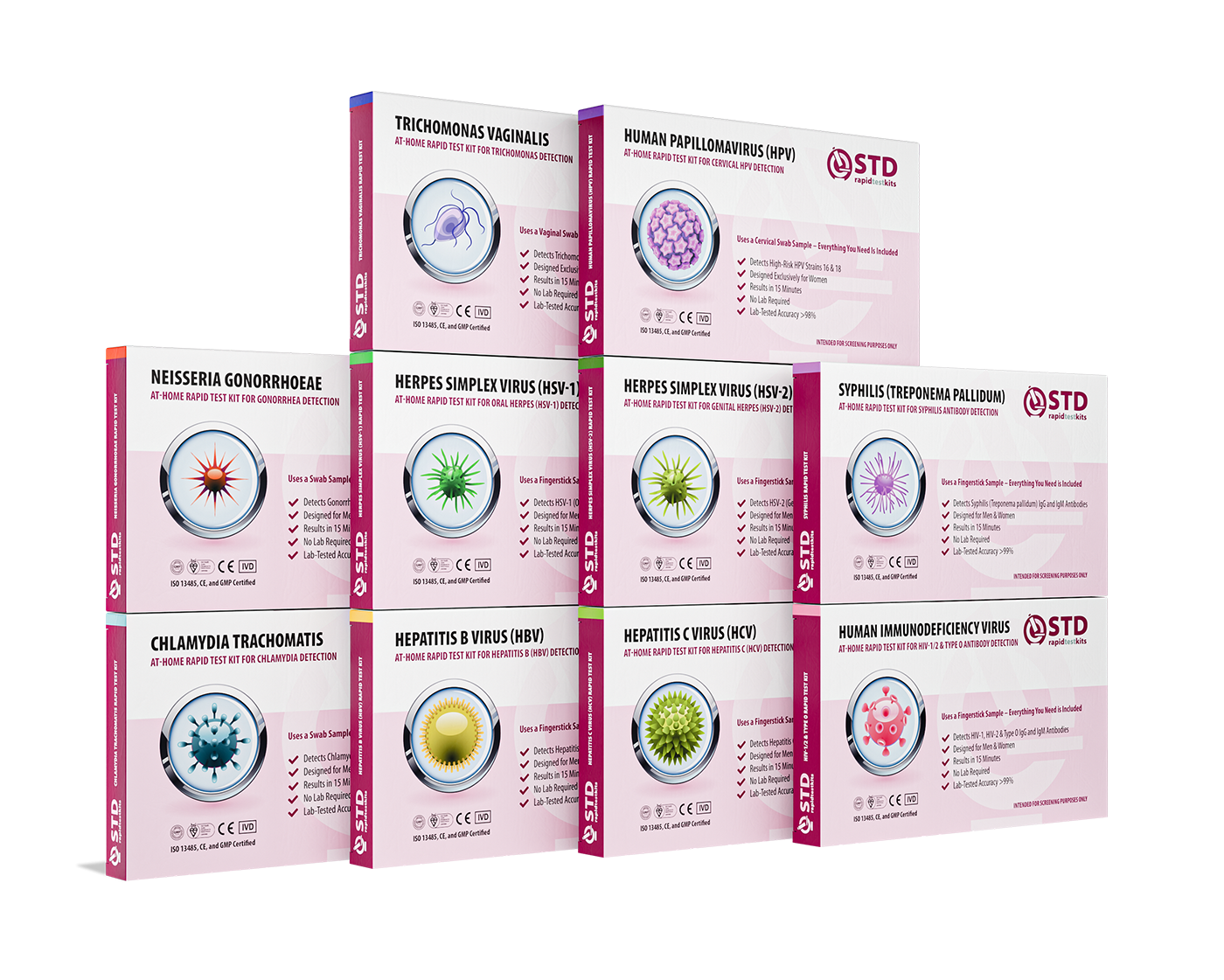
Claim Your Kit Today
Save 61%
 For Women
 Results in Minutes
 No Lab Needed
 Private & Discreet
Order Now $189.00 $490.00
For all 10 tests
The Risks and Misconceptions That Persist
Despite centuries of dealing with STDs, we still struggle with some major challenges today:
Ongoing Stigma
People with STDs are often judged unfairly, leading them to hide infections or avoid testing. This delay can cause worse outcomes and more transmission.
Misinformation
Myths like “you can’t get an STD from oral sex” or “you’ll know if you have one” are still widespread, and wrong.
Past misperceptions still influence how people view diseases like herpes or HPV.
Gaps in Testing
Many individuals, even in wealthy countries, fail to get tested. Others cannot afford it, feel ashamed, or lack access, particularly rural or conservative groups.
Medical Mistrust
Past acts of mistreatment, such as the Tuskegee Syphilis Study, have produced years of distrust, particularly within communities of color.
Superbugs
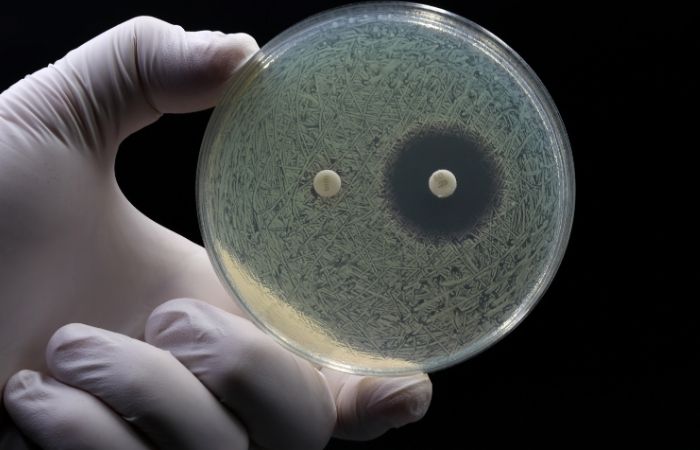
Antibiotic-resistant strains of gonorrhea and other STDs are on the rise. Some infections that were once easy to treat are becoming more dangerous.
From the Past to the Present – Practical Protection Tips
What can you do, knowing this long and messy history?
- Get tested regularly, especially if you're sexually active with multiple partners.
- Have honest conversations with partners about sexual history and protection.
- Use protection, including condoms and dental dams, even during oral sex.
- Don’t rely on symptoms, many STDs are silent for months or years.
- Order at-home STD test kits from trusted sources if privacy or time is a concern.
- Educate others using resources from places like the CDC, Planned Parenthood, or WHO.
Understanding that you’re part of a very long history, one filled with confusion, resilience, and scientific breakthroughs, makes staying informed and safe a powerful act.
STD Outbreaks and Trends in History
Let's speak in terms of numbers.
- During the 1490s, syphilis spread like a wildfire across Europe, taking thousands of lives and inducing widespread panic. The condition was harsh and deforming, with treatments including mercury.
- It was during 1981 that the very first known HIV infections were seen in the U.S.
By the end of the decade, millions were infected worldwide. - Over 1 million STIs are acquired every day around the world, as reported by the World Health Organization.
- Syphilis rates in the United States reached a 70-year high in 2023, as reported by the CDC, highlighting the need for awareness and screening.
- Statistics show that over 50% of new STD infections are among people under age 25, highlighting further the need for early education.
This data helps paint a picture of how STDs have moved through time, and why they’re still a pressing concern today.
Check Your STD Status in Minutes
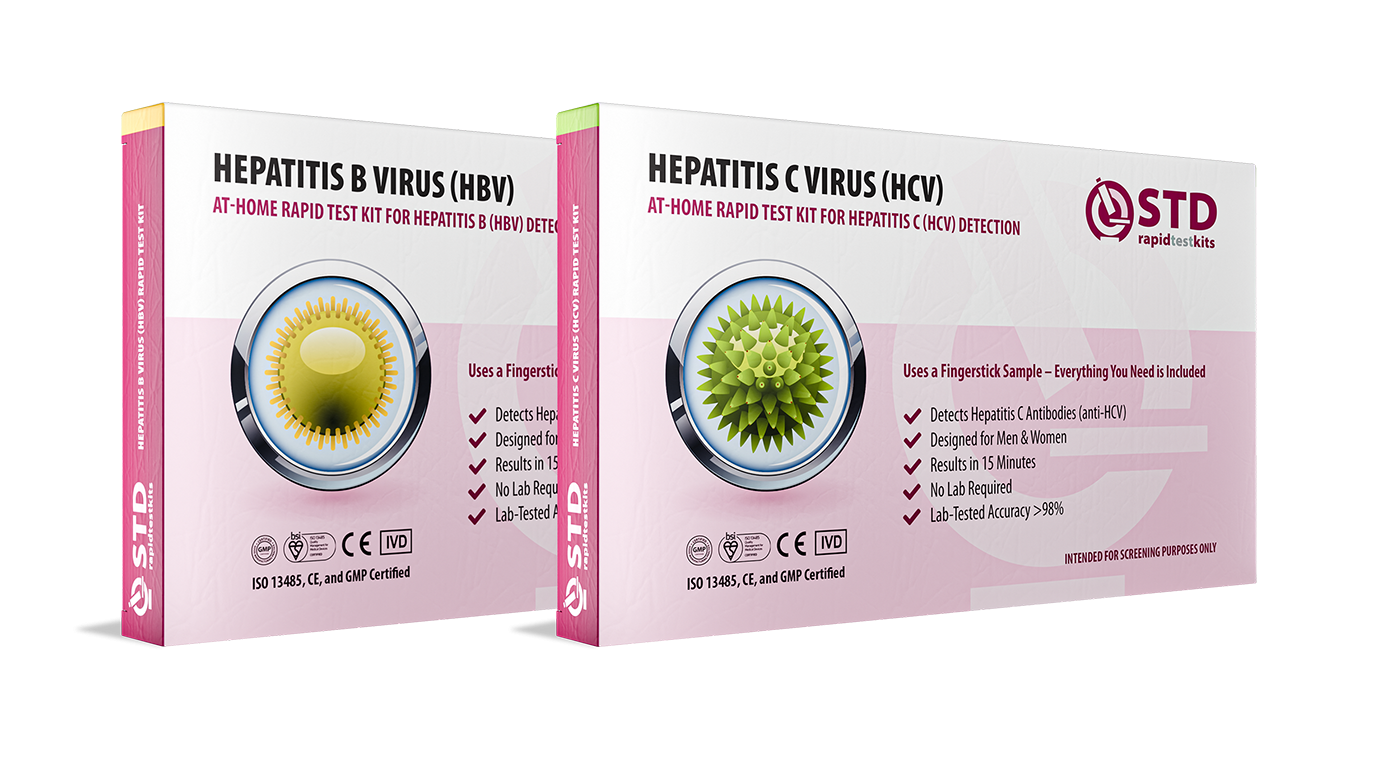
Test at Home with RemediumHepatitis B & Hepatitis C Test Kit
Claim Your Kit Today
Save 50%
 For Men & WomenResults in MinutesNo Lab NeededPrivate & Discreet
Order Now $49.00 $98.00
For all 2 tests
Expert Insights and Real-World Case Studies
Dr. Helen Fisher, a sexual health researcher, said
“STDs are not a reflection of morality, they’re a reflection of biology and access.”
Her quote echoes across countless interviews with sexual health professionals who’ve spent their careers fighting stigma and promoting understanding.
A Guatemala case study, uncovered in 2010, explained that hundreds of individuals were infected with syphilis during the 1940s as part of immoral U.S. experiments. The scandal provided a stark reminder of how STDs have throughout history been weaponized against already marginalized groups.
On the flip side, real-world programs like the U=U campaign (Undetectable = Untransmittable) have helped transform the conversation around HIV. When someone with HIV has undetectable viral levels, they cannot pass the virus to a partner, an empowering fact backed by science.
In 2015, a young woman named Lena (her name has been changed to protect her privacy) spoke at a sexual health conference in Los Angeles about living with herpes.
"I thought my life was over," she said. "But now I see it's just one small part of my story. I still date, I still laugh, I still live."
These narratives and voices attest to the true effect of STDs, not simply on bodies, but on identities, relationships, and communities.

A Brief History of STD Treatment and Perception
STDs have throughout history been treated with more terror than reality. Anciently, mercury was a usual (and poisonous) cure for syphilis. Medieval Europe witnessed individuals quarantined or even executed for suspected sexual disease.
In the early 20th century, doctors began using arsphenamine (Salvarsan) to treat syphilis, marking the dawn of antimicrobial treatment. But it wasn’t until penicillin was introduced in the 1940s that syphilis became truly treatable.
At the same time, the HIV/AIDS epidemic of the 1980s revolutionized public health once and for all. Initial treatments were agonizing and slow, but by the mid-1990s, antiretroviral therapy (ART) started transforming lives. Now, individuals with HIV can lead long, healthy lives with appropriate treatment.
But STD treatment has always been bound up with culture and shame. Infected women have often been called promiscuous, while infected men were excused or even glorified. The history of STDs is also a history of double standards.
The Future of STD Prevention and Diagnosis
There are some exciting (and overdue) trends in STD prevention ahead:
- Rapid Testing: Home testing kits now allow people to check their status privately, avoiding clinics and stigma.
- Telehealth and Discreet Delivery: More providers are offering online consultations and at-home treatment options.
- Vaccines: We already have effective vaccines for HPV and Hepatitis B, and more are in development.
- Genomic Surveillance: Researchers can now track evolving STD strains, including drug-resistant gonorrhea, using genetic tools.
- AI-Powered Risk Assessments: Some apps help users assess STD risk based on their sexual history, behavior, and partner info (though with caution).
And perhaps most importantly, comprehensive sex education is being pushed to replace outdated, abstinence-only curricula. With better tools and better understanding, the future of STD prevention is more hopeful than ever.
Check Your STD Status in Minutes
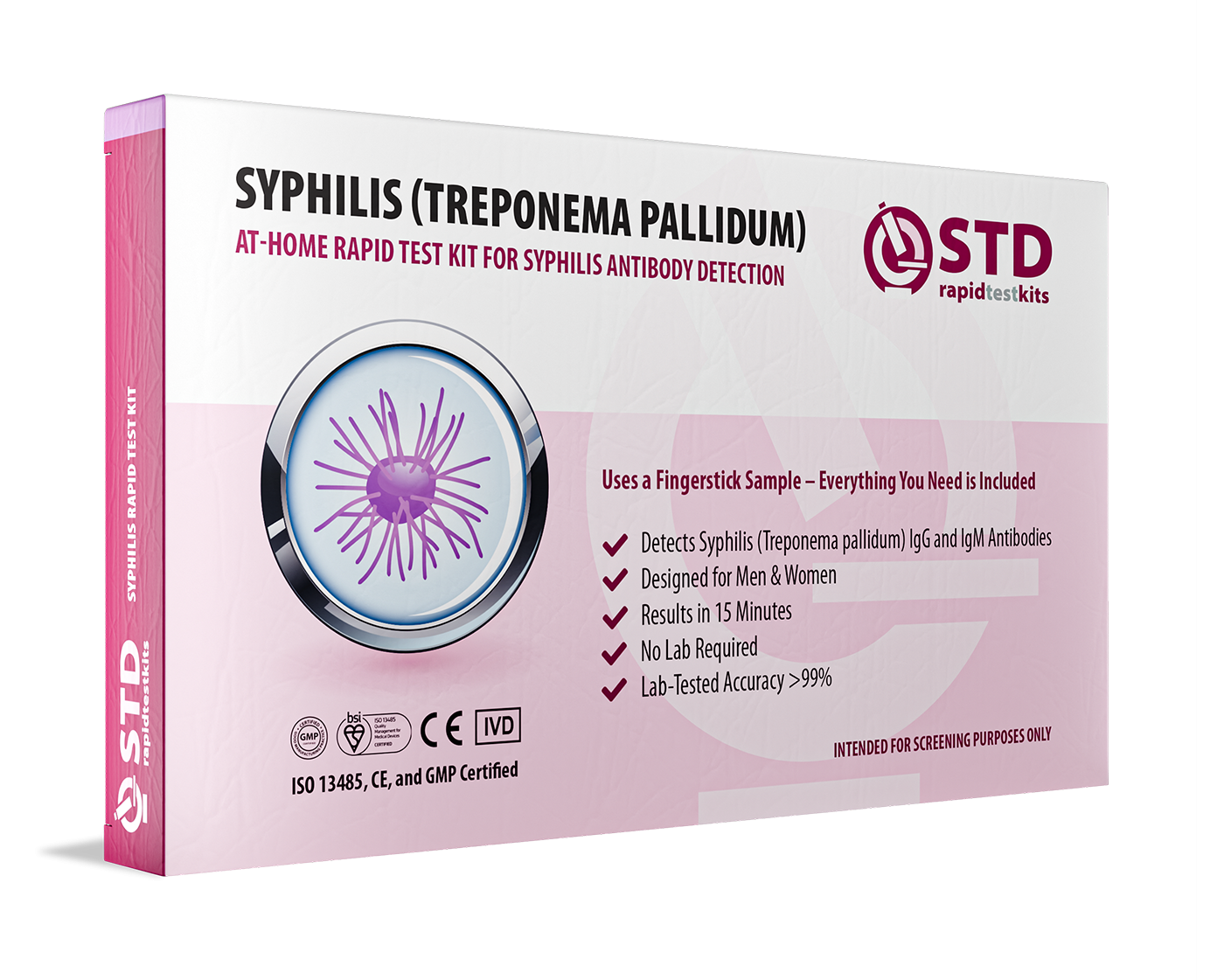
Test at Home with RemediumSyphilis Test Kit
Claim Your Kit Today
Save 31%
For Men & WomenResults in MinutesNo Lab NeededPrivate & DiscreetOrder Now $33.99 $49.00
How to Apply STD History to Your Life Today
It might seem odd to apply ancient medical history to your Tinder profile, but here’s how the past can help you now:
- Normalize testing: Just like brushing your teeth, routine STD tests should be a regular part of life.
- Avoid shame: Realize that millions before you have dealt with infections, and that it says nothing about your worth or character.
- Be proactive: Knowing how STDs spread, mutate, and persist gives you the edge in protecting yourself and your partners.
- Talk openly: The more we talk about STDs, the less power stigma holds.
- Stay curious: Medicine changes fast, keep learning, asking questions, and supporting your sexual health.
The Impact of STDs Across Industries
STDs don’t just affect individuals, they have wide-reaching impacts across industries:
Healthcare
Billions are spent annually on STD treatment and prevention.New resistance trends are shaping drug development priorities.
Education
More schools are demanding medically accurate, inclusive sex ed. Colleges increasingly offer free testing and mental health support.
Workplaces
Some employers now offer discreet STD testing as part of wellness programs. Insurance policies are expanding coverage for preventive sexual health care.
Entertainment and Media
Public figures discussing their own STD experiences have helped reduce stigma (e.g., Usher, Ella Dawson).
Films and television programs are using safer sex messages more frequently now.
Technology
STD dating apps and hookup sites are including test reminders and health tips.
Wearable tech is being tested for future real-time infection monitoring (still in the early stages).

Personal Stories and Testimonials
Let's hear from real people:
"Went through feeling embarrassed when I discovered I had chlamydia. Then I learned that it was so prevalent and simply curable. I now go in for 6-month checks, and I feel more in control."
, Jordan, 27
"Thought herpes spelled doom for me as far as dating was concerned. Now it's just one of the medical conditions to work around. If a person does not understand, then they're not the correct individual.
, Amira, 31
“My HIV diagnosis felt like a death sentence in 1993. But I’m still here, healthy, and mentoring others. The meds work. The science works. You just have to stay engaged.”
, Ray, 58
These testimonials bring home the reality: an STD diagnosis isn’t a sentence, it’s a moment, and one that you can manage with the right care, education, and support.
Common Misconceptions About STD Origins
Let’s debunk a few persistent myths:
“STDs are modern diseases.”
False. STDs have existed for millennia, in nearly every society.
“You can tell if someone has an STD.”
False. Most STDs are asymptomatic in the early stages.
“Only promiscuous people get STDs.”
False. One encounter is all it takes, STDs don’t discriminate.
“STDs come from animals.”
Partially true. HIV likely originated from primates, but most STDs evolved alongside humans.
“If you don’t have symptoms, you don’t need testing.”
Also false. Regular testing is key to preventing long-term complications and protecting partners.
Check Your STD Status in Minutes
Test at Home with Remedium6-in-1 STD Rapid Test Kit

Claim Your Kit Today
Save 60%
For Men & WomenResults in MinutesNo Lab NeededPrivate & DiscreetOrder Now $119.00 $294.00
For all 6 tests
FAQs
1. What was the first known STD?
Syphilis is the most documented early STD, but gonorrhea likely predates it.
2. Did Columbus bring STDs to Europe?
It’s a leading theory. Many believe syphilis was brought from the New World after 1492.
3. Were there STDs in ancient civilizations?
Yes! Evidence suggests STDs existed in ancient Egypt, Rome, and China.
4. How did people treat STDs before antibiotics?
Mercury, herbs, heat therapy, and religious rituals were common, often ineffective and harmful.
5. When was HIV first discovered?
HIV was identified in 1983, but likely crossed into humans around the early 1900s.
6. Why are some STDs getting harder to treat?
Overuse of antibiotics has led to resistant strains, especially gonorrhea.
7. What’s the link between stigma and STD history?
Historically, STDs were tied to “moral failings,” especially for women and queer people. That stigma still lingers.
8. How many people get STDs today?
Over 1 million new STIs are contracted daily worldwide, per the WHO.
9. Is at-home STD testing reliable?
Yes, when you buy from trusted sources. It’s a private and effective option.
10. Can we ever fully eliminate STDs?
We can control and reduce them, but total elimination is unlikely without vaccines for all major infections.
The Timeless Relevance of STD History
STDs are a story of ignorance, survival, science, and shame-mostly survival. From ancient tablets to TikTok campaigns, the way we think, talk about, and treat sexually transmitted diseases has undergone enormous evolution.
But understanding this history doesn’t just help us look back, it helps us make smarter choices today. Whether it's getting tested, talking to a partner, or simply refusing to feel ashamed, you have more power now than ever before.
So take that step. Get informed. Talk about it. And if you're due, go ahead and order an at-home STD test kit, it's fast, easy, and could protect your future.
And don’t forget to share this article, you never know who might need to read it today.
Reputable Medical Sources
1.- Sexually Transmitted Infections - StatPearls
2.- Sexually Transmitted Diseases, Overview and Update
3.- History of Venereal Diseases from Antiquity to the Renaissance
4.- Sexually Transmitted Infection – Wikipedia Overview
5.- Push to Improve Syphilis Testing in US
6.- The Coventry Experiment: Radioactive Food Without Consent


