How to Recognize Early Signs of HIV after Unprotected Anal Intercourse
One of the most dangerous behaviors and activities for getting HIV and other sexually transmitted infections is unprotected anal intercourse. Learning to identify very early signs of HIV symptoms development, testing may become crucially important for your health.
Whether one has been troubled after a recent sexual encounter or simply wants more enlightenment on the issue, this article will equip one with the ability to identify probable symptoms of HIV infection, comprehend associated risks, and apply the use of a home test kit for quick and private diagnosis.
30 September 2024
5 min read
2746
Risks in Unprotected Anal Sex
Of course, the easiest way HIV can be passed through is unprotected anal intercourse, which carries a much greater risk than any other sexual activity. Because the rectal lining is rather thin and quick to fissure, the virus has easy access to the blood. In this regard, whether one acts in an insertive or receptive manner, the risk is great.
Countless individuals engage in unsafe sex, oblivious to the implications. There are those who trust their errant partners who themselves may be unaware of their status, while others feel that just one time will not get them infected. It is disheartening, however, to know that the HIV virus does not have eyes, and one can actually acquire it from just a single act of unsafe sex.
Early Symptoms of HIV to Watch Out For
Early HIV symptoms, also called acute retroviral syndrome (ARS) or primary HIV infection, can appear from 2 to 4 weeks following an infection. Symptoms are often mild and may be attributed to influenza or another viral infection. Watch for the following:
Fever: The most frequent early-occurring symptom of HIV infection is an unexplained, sudden fever or raised body temperature. Other symptoms may include tiredness or lymphadenopathy.
Fatigue: An unusually tired feeling or exhaustion, even after adequate rest, can be another early warning marker. The fatigue felt is beyond the norm and unlike that from not sleeping enough.
Swollen lymph nodes: Swelling in your neck, armpits, or groin may indicate your body's battle against the infection.
Sore throat: A persistent sore throat that lasts into weeks or months may be a prodrome of HIV infection.
Rash: Usually develops in the first few days of HIV infection. It commonly appears on the trunk as a red-colored and itchy rash.
Muscle and joint ache: Unexplained muscle and joint aches may signal that the body is responding to a recent infection.
Night sweats: Excessive night sweats are an early symptom in some individuals infected with HIV.
Headache: A severe headache that is not alleviated by over-the-counter medications may also be an early sign of HIV.
Many of these symptoms are not a hallmark of HIV infection and could be due to other medical conditions. However, if you experience any of these symptoms after having unprotected anal intercourse, it is crucial to get yourself tested.
The Importance of Early Testing
An HIV test should be done as soon as possible after exposure. The earlier the detection, the easier it is to prevent or reduce the spread of the virus to others and treat or intervene in the condition to dramatically improve the prognosis for long-term health.
Using an HIV Self-Test Kit
The prospect of going to the clinic for testing is terrifying to many, largely because of the fear of stigma or poor privacy. Fortunately, home test kits offer an easy, accurate, and private solution. Here are some reasons to consider using an HIV home testing kit:
Privacy: Testing at home offers complete privacy. You don’t need to explain your situation to a healthcare professional if you're uncomfortable doing so.
Sensitivity: A range of FDA-approved HIV test kits is available that are almost as sensitive as those in clinics. They test for HIV antibodies in blood or saliva.
Quick results: Most HIV home-testing kits provide results within 20 minutes, reducing anxiety during the testing process and allowing for immediate action.
Ease of use: Home test kits come with clear instructions. Most kits require a small finger-prick blood sample or a gum swab.
Counseling and support: Many home testing kits include access to helplines or counseling, helping answer questions or offer guidance about results.
If your test result comes back positive for HIV infection, you should see a healthcare provider immediately to confirm your result and start treatment. The sooner treatment begins, the better your prognosis for long-term health, and it significantly reduces the chances of transmitting the virus to others.
If your test result is negative but you still have concerns or symptoms, consider testing again after the window period—the time from exposure when a test can accurately detect the virus—or see a healthcare provider for further evaluation.
There is a significant risk of contracting HIV through unprotected anal intercourse. Early symptoms should not be ignored, and testing should not be delayed. An HIV self-testing kit provides an easy, private, and accurate way to determine your status. Testing as part of your healthy lifestyle can ensure early diagnosis and treatment, protecting both you and your sexual partners.







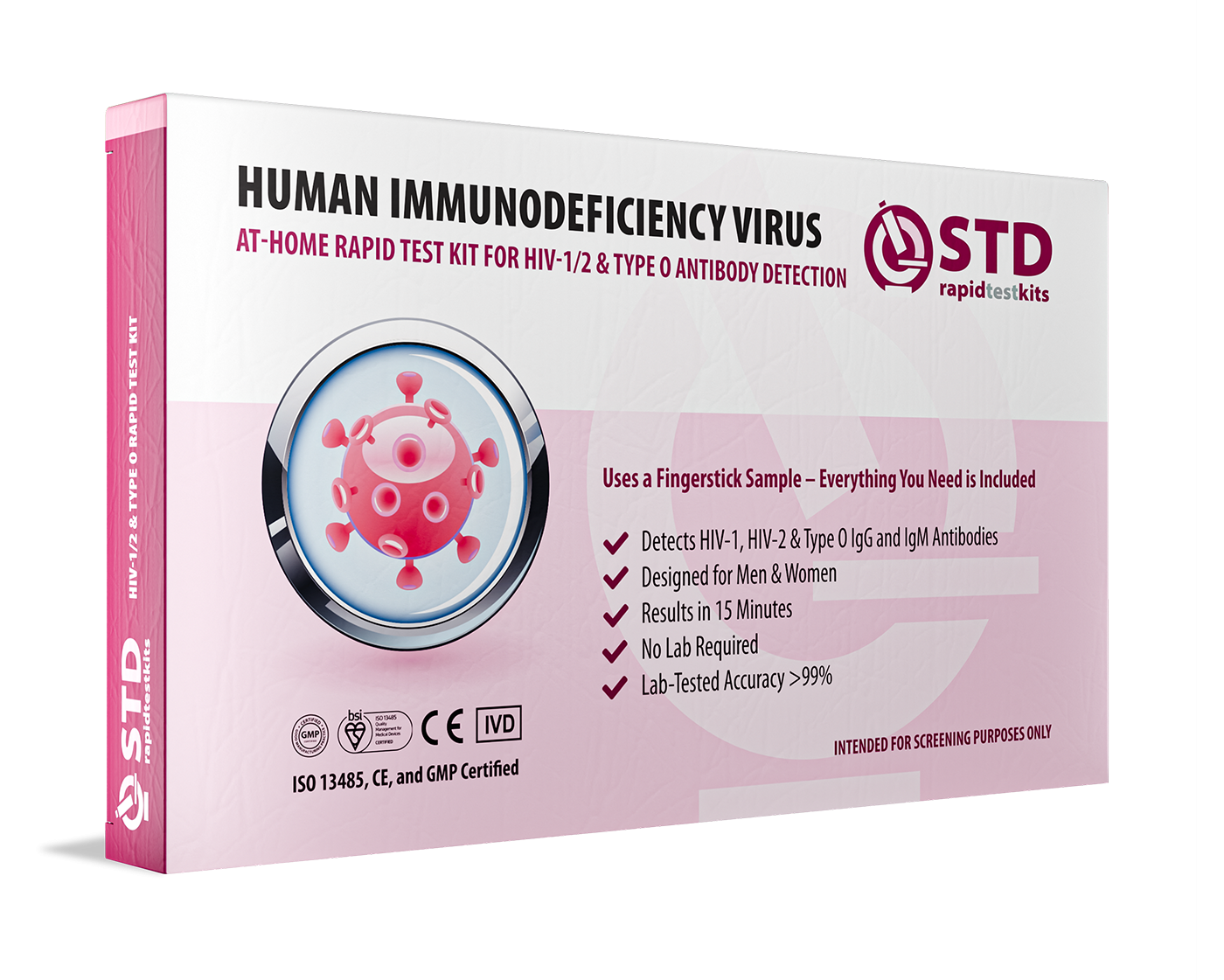
 For Men & Women
 Results in Minutes
 No Lab Needed
 Private & Discreet


