





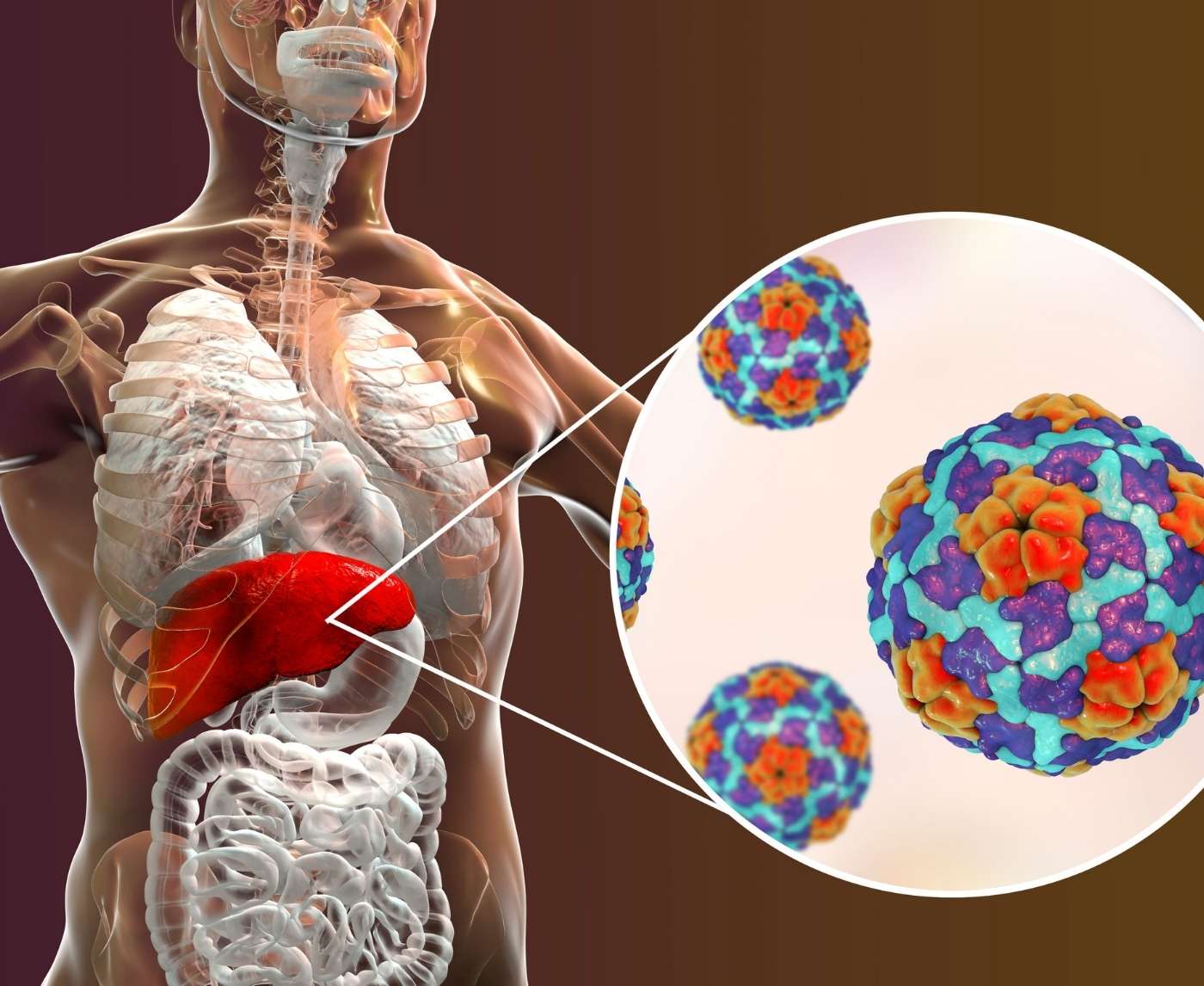

Quick Answer: Hepatitis C can silently inflame and scar your liver over 10–30 years, often without symptoms. This gradual damage can lead to cirrhosis, liver failure, or cancer if untreated.
“I Felt Fine, Until My Liver Wasn’t”: The Silent Story of Hep C
Tony, 42, never imagined an old hookup would still be haunting his health. “I was just tired all the time,” he remembers. “I thought it was work stress or turning 40. Then one blood test turned into an ultrasound… And suddenly, they were saying my liver was scarred. I didn’t even know I had Hepatitis C.”
This is how Hep C operates: it slides under the radar. Unlike infections that scream with fevers or rashes, Hepatitis C can live quietly in your blood and liver for years. It slowly causes inflammation and scarring, called fibrosis, before cirrhosis finally shows up on lab work or imaging.
Early damage is often invisible. A little fatigue, some brain fog, maybe a loss of appetite, but most people don’t connect these to a sexually transmitted infection. By the time the liver shows serious signs, scarring can be permanent.
People are also looking for: The Breakthrough HIV Injection You Need to Know About
Why Hepatitis C Hides Until It Hurts
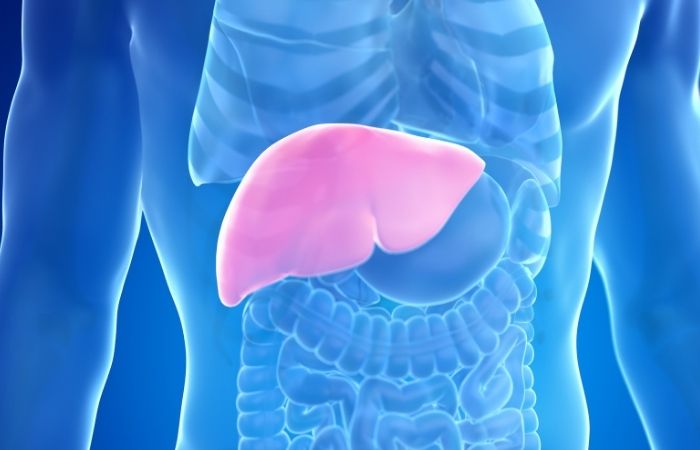
Your liver is a workhorse. It filters blood, processes nutrients, and detoxifies your body. But it’s also stubbornly silent, capable of losing 70% of its function before you notice anything is wrong. Hepatitis C takes advantage of this quiet resilience.
Once the virus enters the bloodstream through sex involving blood contact, needle sharing, or even a past transfusion, it settles in the liver. There, it triggers slow-burning inflammation. Over years or decades, this leads to:
- Fibrosis: The liver forms small scars as it repairs itself.
- Cirrhosis: Widespread scarring distorts liver shape and function.
- Complications: Fluid buildup, jaundice, and even liver cancer.
CDC data shows that up to 25% of people with chronic Hepatitis C will develop cirrhosis within 20 years if untreated. And the risk climbs faster for those who drink alcohol, live with HIV, or have fatty liver disease.
When Symptoms Finally Show Up, It's Usually Too Late.
The scariest thing about Hepatitis C is that your liver can be in trouble without giving you clear warning signs. In the beginning, the signs aren't very clear:
- Tiredness: feeling tired even after resting.
- Brain fog: a slight problem with focusing or feeling "off."
- Low appetite or nausea: People often say it's just stress or a bad diet.
- Joint pain: Sometimes thought to be caused by getting older or using them too much.
Most people don't get help until scar tissue has already formed because these aren't specific. As cirrhosis gets worse, some of the symptoms that can happen later on are:
- Jaundice: Yellowing of the skin and eyes is called jaundice.
- Ascites: Ascites is when fluid builds up in the belly and makes it swell.
- Bruises: If you bruise easily, it could mean your liver isn't working right.
- Spider Veins: Spider veins are small red blood vessels that show up on the skin.
Case Study: “By the Time I Noticed, My Liver Was Already Scarred”
Sandra, 37, thought she was just stressed from juggling two jobs.
“I was tired, but I blamed coffee and bad sleep. I didn’t even realize my dark urine and weird itchy skin were related. When my doctor told me I had Hepatitis C and stage 3 fibrosis, I felt like the rug was pulled from under me.”
Her story isn’t rare. Studies show that 15–25% of people with chronic Hep C develop cirrhosis within 20 years. Co-factors that accelerate this include:
- Alcohol use: Even moderate drinking speeds up scarring.
- Coinfections: HIV or Hepatitis B can double progression speed.
- Metabolic health: Diabetes and fatty liver make things worse.
In other words, cirrhosis doesn’t happen overnight; it creeps in silently, shaped by both the virus and lifestyle factors.
Check Your STD Status in Minutes
Test at Home with RemediumHepatitis C Test Kit
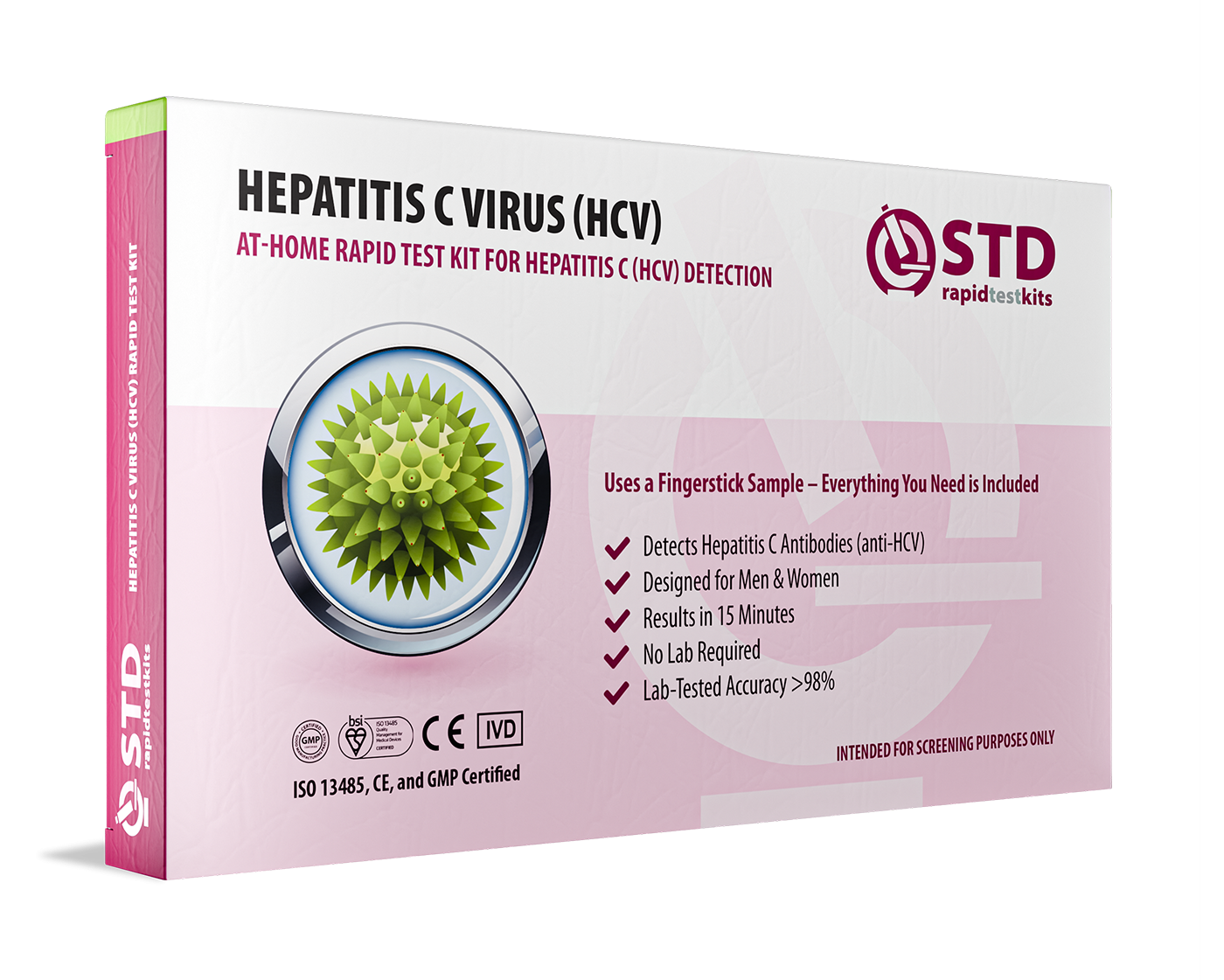
 For Men & Women
 Results in Minutes
 No Lab Needed
 Private & Discreet
Order Now $33.99 $49.00
You Don’t Have to Wait for Symptoms
If you’ve ever had unprotected sex, shared drug equipment, or received a transfusion before 1992, you could be living with silent Hepatitis C. Testing is the only way to know before permanent damage occurs. Early diagnosis saves livers, and today’s treatments are highly effective.
Take back control of your health. Get fast, discreet answers with an Hepatitis B & C 2-in-1 At-Home Rapid Test Kit. Results are private, accurate, and can guide your next steps without the wait.
The Slow March from Fibrosis to Cirrhosis
When Hepatitis C first infects the liver, the damage is very small. The immune system attacks cells that are infected, and the liver tries to heal itself, leaving behind small scars called fibrosis. These scars grow and connect over time, cutting off blood flow and killing healthy tissue.
This is how the progression usually goes:
- Stage 1: Minimal Fibrosis: The liver is still working normally, but scarring starts.
- Stage 2: Moderate Fibrosis: The scar tissue gets bigger, and labs show more inflammation.
- Stage 3: Bridging Fibrosis: Scars connect, blocking off parts of the liver.
- Stage 4: Cirrhosis: damage that is permanent and widespread and can cause liver failure or cancer.
According to data from the CDC, 20–25% of people with chronic Hepatitis C will develop cirrhosis within 20 years if they don't get treatment. The risk goes up a lot if there are other stressors, like alcohol or co-infections. Without medical help, life expectancy can drop a lot in the later stages.
Expert Insight: “Your Liver Won’t Complain Until It’s in Crisis”
“One of the most frustrating things about Hepatitis C is its silence,”
says Dr. Malik R., a hepatologist at Johns Hopkins.
“By the time patients feel something specific, like swelling, jaundice, or confusion from liver toxins, they often have advanced cirrhosis. This is why we emphasize testing, even for people who feel perfectly healthy.”
This delay between infection and diagnosis is what makes public health experts call Hepatitis C a “silent epidemic.” Many only learn of their infection during routine labs or blood donation screenings, sometimes decades after exposure.
People are also looking for: How Do At-Home STD Test Kits Work?
Why Testing Early Can Save Your Liver
The good news: modern antivirals can clear Hepatitis C in more than 95% of cases. Clearing the virus early can halt, and sometimes partially reverse, liver scarring. Once cirrhosis sets in, the liver can still stabilize with treatment, but the risk of cancer remains higher than average.
Whether you’re anxious after a past hookup or simply want peace of mind, knowing your status is a powerful step. You don’t need to wait for symptoms that may never come until it’s too late.
Don’t wait and wonder. Check your status today with a Hepatitis C home test kit and take the first step toward protecting your liver.
When Silence Feels Safer Than Testing
One of the cruel tricks of Hepatitis C is psychological: if you feel fine, it’s easy to pretend everything is fine. Many people delay testing out of fear, shame, or the hope that “no news is good news.” But the liver’s silence is not your friend, it’s a trap.
Andre, 29, put it off for years.
“I hooked up a lot in my early twenties. I used protection most of the time, but not always. I kept thinking, if I don’t get tested, I can’t get bad news. Then my friend got diagnosed and I finally did a home test. Positive. If I’d waited another five years, who knows where I’d be.”
People often have to wait longer because of the stigma around Hepatitis C. People are afraid that a positive test will make them look "dirty" or careless. In reality, infections can happen through tattoos, shared razors, past medical procedures, or even one unprotected hookup with blood contact. It doesn't mean you're guilty if you get tested. It means you care about yourself.
Life After a Hepatitis C Diagnosis
Receiving a positive test can feel like a gut punch, but it’s also the first step toward reclaiming your health. Today’s antiviral treatments are short, highly effective, and often covered by insurance. Clearing the virus doesn’t just stop new liver damage, it also reduces the risk of cirrhosis and liver cancer dramatically.
Many people report a profound emotional shift after treatment. Lila, 34, described it like this:
“I didn’t realize how much I was holding my breath. Once I started treatment, it felt like I finally exhaled. My energy came back, and I stopped worrying every time I felt a stomach twinge.”
And if you’re already living with some scarring, know this: with medical guidance and lifestyle changes, like avoiding alcohol and maintaining a healthy weight, your liver can often stabilize and even partially heal. The worst thing you can do is wait in fear. Testing, treatment, and support can rewrite your future.
Check Your STD Status in Minutes
Test at Home with Remedium8-in-1 STD Test Kit
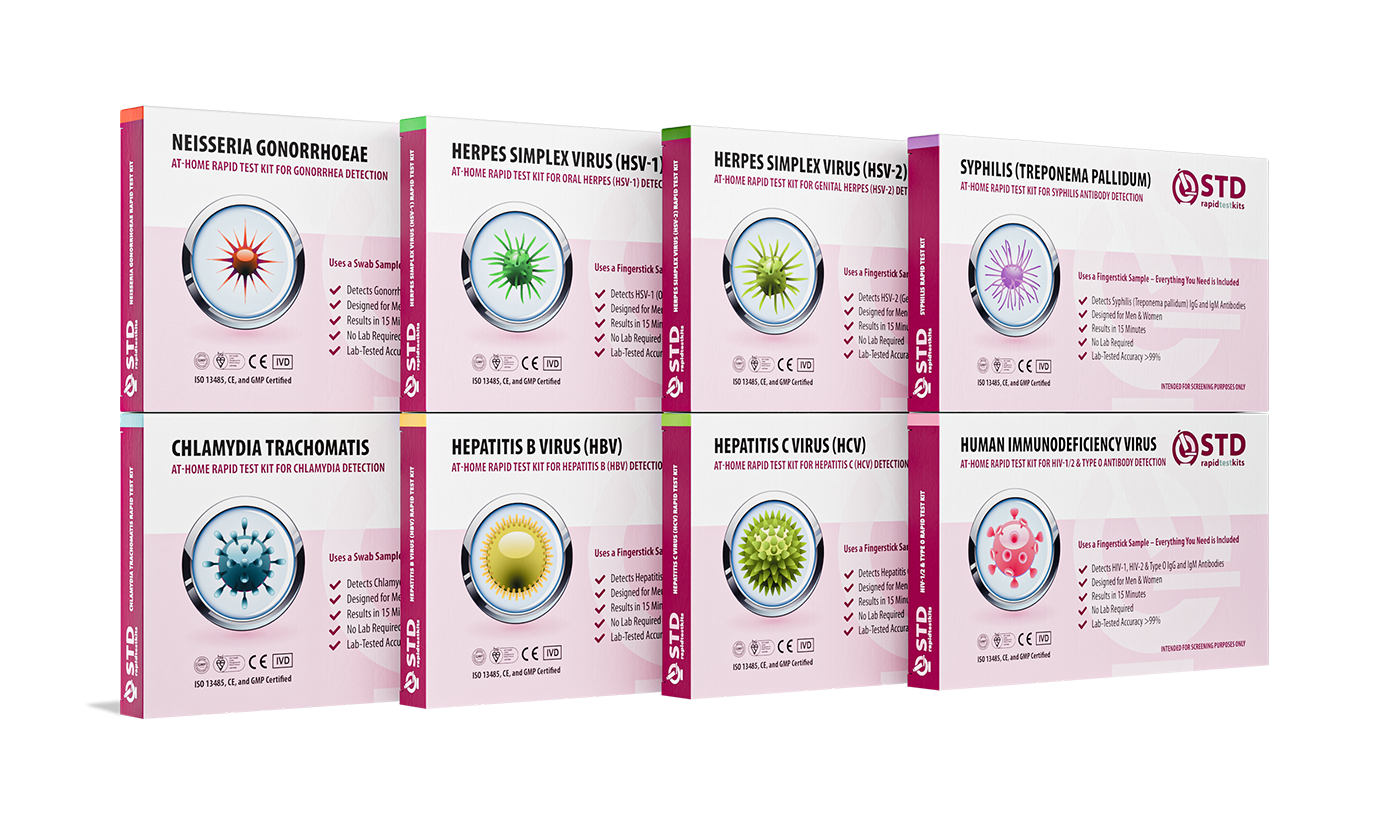 For Men & WomenResults in MinutesNo Lab NeededPrivate & Discreet
Order Now $149.00 $392.00
For all 8 tests
FAQs
1. Can Hepatitis C hurt the liver without showing any signs?
Yes. Hepatitis C can hurt your liver for years without you knowing it, and it often goes from fibrosis to cirrhosis without you knowing it.
2. How long does it take for Hepatitis C to lead to cirrhosis?
If you don't treat your Hepatitis C, it could take 10 to 30 years for it to turn into cirrhosis. However, things like drinking alcohol or having HIV can speed up this process.
3. What are the first signs that Hepatitis C has hurt your liver?
Early signs are hard to notice and can include being tired, having trouble thinking, not wanting to eat, and feeling a little sick. A lot of people think they are just stressed out or getting older.
4. Does everyone who has Hepatitis C get cirrhosis?
No. Over the course of 20 years, 15 to 25 percent of people get cirrhosis. Early treatment can stop the disease from getting worse.
5. Can having hepatitis C cause liver cancer?
Yes. People with long-term hepatitis C and cirrhosis are more likely to get hepatocellular carcinoma (liver cancer).
6. Is Hepatitis C an STD?
It can be passed on through sex, but not as easily as HIV or syphilis. Blood-to-blood contact during sex is more dangerous.
7. Is it possible to fix liver damage caused by Hepatitis C?
Getting rid of the virus early can stop more damage and even reverse mild fibrosis in some cases. Advanced cirrhosis is permanent, but you can learn how to live with it.
8. When is the best time for me to get tested for Hepatitis C?
People who had sex without protection, shared drug equipment, or got blood transfusions before 1992 should get tested, even if they don't have any symptoms.
9. What happens if you don't treat Hepatitis C?
If you don't treat Hepatitis C, it can get worse and cause cirrhosis, liver failure, and liver cancer. In some cases, a transplant may be needed.
10. Can you test for Hepatitis C at home?
Yes. You can get privacy and quick results from reliable at-home test kits that look for antibodies before going to a doctor for follow-up.
You Deserve Answers, Not Assumptions
Finding out your liver is in danger can be overwhelming, but waiting in silence is worse. Hepatitis C may move slowly, but time is on your side if you act now. Testing and treatment can stop the damage before cirrhosis changes your life forever.
Take the first step today. Know your status with a discreet at-home STD combo test kit and protect your liver before symptoms ever appear.
Sources
1. Hepatitis C: What happens in end‑stage liver disease? (Mayo Clinic)
2. Hepatitis C fact sheet – includes risk of cirrhosis over years (WHO)
3. Hepatic Cirrhosis – StatPearls (NCBI Bookshelf)
4. Hepatitis C Stages: Chronic to Cirrhosis Without Symptoms (Healthline)
5. Disease Progression in Chronic Hepatitis C – Gastroenterology (fibrosis to cirrhosis variability)


