Sexual behavior has long been linked with the spread of sexually transmitted infections; however, less traditional ways of sexual gratification remain somewhat mysterious, including fingering. This article details the risks of STDs with fingering and shares ways of having safe sex.
08 October 2024
5 min read
14382
Does Vaginal Fingering Expose One to the Risk of STDs?
There are several ways that lovers can be intimate. While perhaps the most well-known form of sex is penetrative, there are several other expressions in which skin-to-skin, genital-to-genital, and mouth-to-genital contact all occur and are distinctly different forms, all together referred to as frottage. A very common means through which people derive pleasure is oral sex. Fingering refers to the stimulation of a partner's sexual organs using the fingers. This can be given or received independently or can also be one component of foreplay. Although fingering is generally thought to carry minimal risk, it is not without possible health risks, including some risks of STDs.
Fingering and the Risks of Human Papillomavirus (HPV)
HPV is a virus that comes in different strains and affects a great percentage of sexually active individuals. While many are ultimately able to clear the infection as they get older, some types, particularly HPV 16 and 18, can cause cancerous or precancerous cervical lesions and cervical cancer. There is evidence that fingering can result in the transmission of HPV because the virus can survive under fingernails and be transmitted through vaginal or anal digital penetration. This sort of non-penetrative sex does not come without risks.
Fingering as a Potential Route of Transmission for STDs
There is, indeed, a possibility to transmit STDs—particularly, HPV—through fingering. When the fingers enter the vagina or anus of an infected person, an STD may be transferred from the fingernails into the recipient. Although the general risk for such transmission is relatively low, the ways to prevent this further do exist. These include encouraging partners to wash and trim their nails before sexual activity, and encouraging the use of different hands when touching self and partner.
Fingering Your Partner and Your Own Risk of STDs
The risk of STD transmission is not only for the receiver of fingering. The giver of the stimulation also risks acquiring STDs, notably HPV, from the genitals of their partner and to spread to their own via their hands. This can be reduced by washing hands before and after the act, or avoidance altogether when the risks are considered too high. Wearing an internal condom during will also lower this risk.
Low-Risk and No-Risk Sexual Behaviors
Beyond the steps described above, to reduce the risk of STD transmission even further, individuals can consider sexual behaviors that bear no or minimal risk. These include:
Masturbation or mutual masturbation
Cybersex or phone sex
The following bear little risks for transmitting STDs, but some, like oral sex, tend to risk infection with specific organisms:
Kissing
Manual stimulation including fingering
Rubbing or frottage
Oral sexual contact
Use of sex toys
Vaginal or anal intercourse with an internal condom
High-risk behaviors: A person is at a high risk of acquiring most types of STDs if he or she engages in unprotected vaginal or anal intercourse.
Strategies that Reduce the Risk of Getting an STD from Fingering
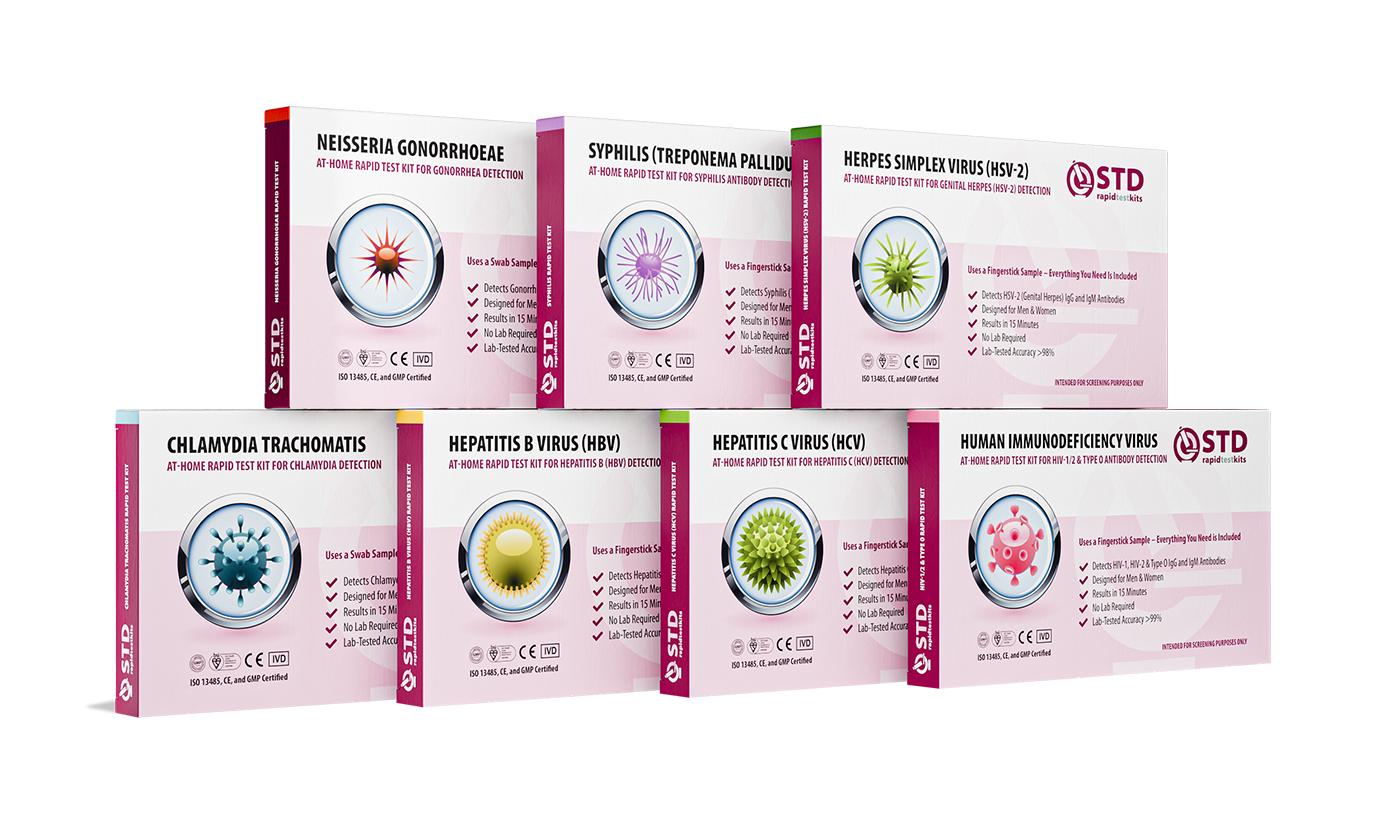
Fingering is one of the most common sexual behaviors and often is one of the first sexual behaviors that people engage in. While there is some risk from it, there are several things that can make fingering safer. Wearing gloves or finger cots while fingering may protect one from STDs, as is washing hands and trimming nails before the sexual act. It is also paramount that your partners take these measures to safeguard themselves and you. If you suspect that there is a possible exposure to STDs from fingering, take an STD rapid kit test for easy and quick access to the results.
Making Fingering Safer: Some Doable Steps
Regardless of active giving or receiving in the fingering act, there are some precautions that need to be followed. Cleaning your nails and keeping them short prevents scratches that can be a transmitting agent for STDs. Washing your hands regularly and well before and after will also minimize your chances further.
If these precautions are still not enough, consider other prevention means: gloves or finger cots may be used during sexual contact. This barrier will prevent injuries of your skin and reduce the possible transmission of sexually transmitted diseases.
Being Proactive: The Role of STD Testing
If you think you have been at risk of contracting an STD through fingering, then take the first step and get yourself tested. This may help you put your fears to rest, confirm your negative status, or should you test positive, get early treatment. You will find an STD rapid kit test quite handy, which will return results in less than 20 minutes. You can purchase them online for confidential in-home testing as a way to take responsibility for your sexual health proactively.
Whereas fingering presents less risk regarding the transmission of STDs, it is by no means safe from risks. This fact points to necessary precautions that enable persons to express their sexuality through this kind of activity without compromising their health and well-being.








 For Men & Women
 Results in Minutes
 No Lab Needed
 Private & Discreet


