





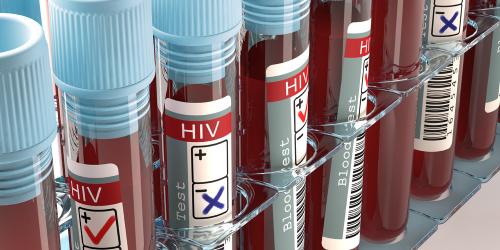

How HIV Affects Your Immune System, Brain, Gut, and Skin
HIV is infamous for its immediate and relentless onslaught on the body's immune system. It replicates with such aggressive rapidity that, when identified, antiretroviral treatment should be started as soon as possible.
Slamming the Door on HIV Replication
Early detection is critical for the effective replication of the virus in a manner that it doesn't cause irreversible damage. Diagnosis of HIV has considerably improved with the introduction of home-based STD rapid kit tests. People diagnosed with HIV can lead a life as close to an average lifespan as possible if treatment on time and manage cautiously.
Stage One: Acute Infection
The acute infection stage is the first stage of one's primary infection with the HIV virus. The virus may be contracted through blood, semen, pre-seminal, rectal, or vaginal fluids, and breast milk. Flu-like symptoms may start to appear between one to four weeks following initial exposure. These symptoms can last for a week, but there is no need to worry because these symptoms may not imply that one has been infected with the HIV virus due to the fact that they are similar to seasonal flu symptoms. Testing for this, then, is particularly crucial to get the right diagnosis in case you feel you have been exposed to infected fluids.
Symptoms and signs of HIV stage one infection are given as:
- Fever
- HIV rash
- Sore throat
- Lymphadenopathy or swollen lymph nodes
- Headache
- Ache in the joints, muscles, and bones
Body's Response During Stage One of HIV
It is during this initial phase that the human body recognizes the virus as a foreign agent and starts an immune attack. The by-product of all this battle between the virus and the immune system is the flu-like symptoms given off by it. In this process, along with all these, the body also produces antibodies to HIV, which is called seroconversion. But due to the rapid multiplication of the HIV antibodies during this period, false negatives may sometimes result when testing for it. However, the viral load is high during this period.
Check Your STD Status in Minutes
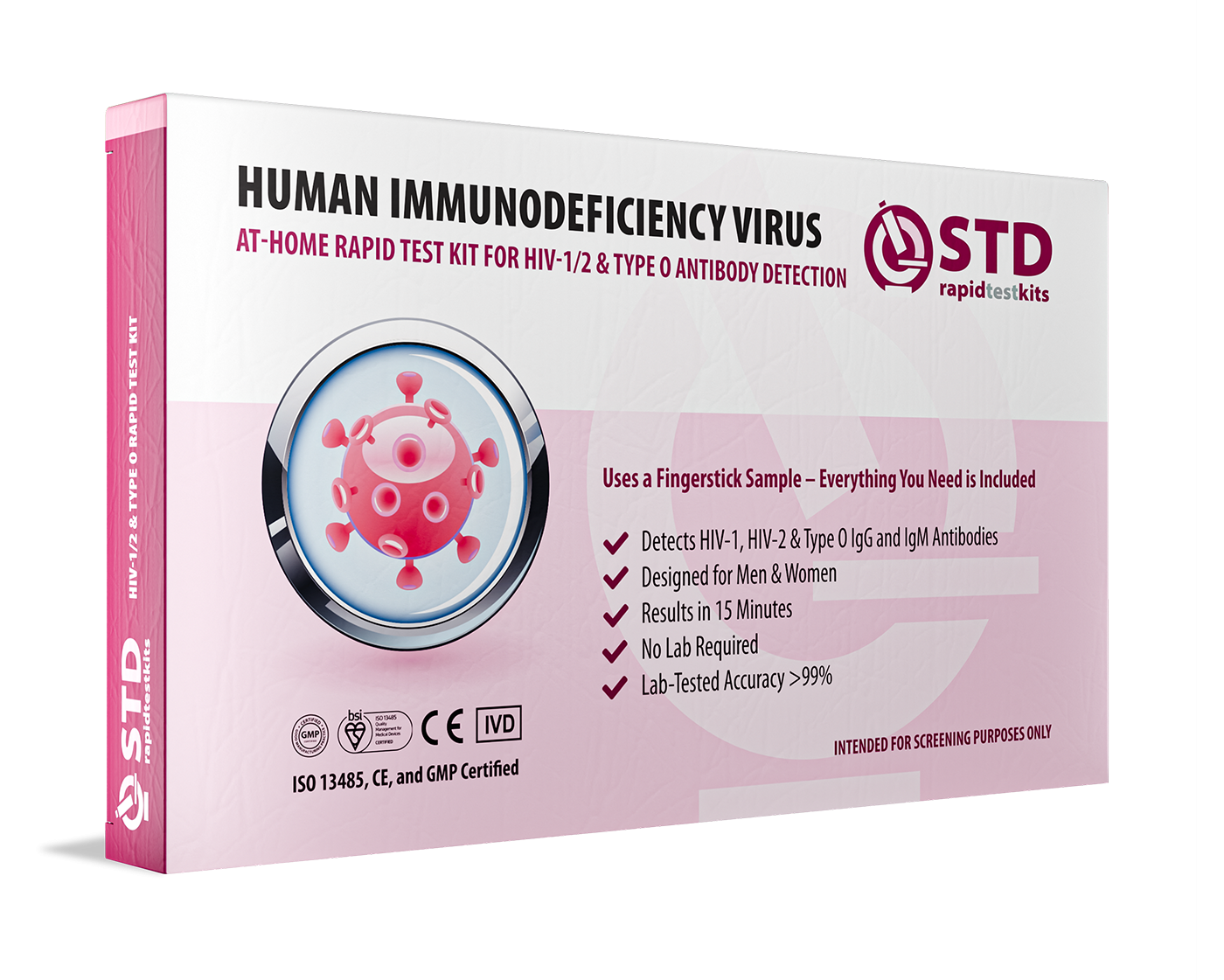
Test at Home with RemediumHIV Rapid Test Kit
Claim Your Kit Today
Save 31%
 For Men & Women
 Results in Minutes
 No Lab Needed
 Private & Discreet
Order Now $33.99 $49.00
Stage Two: Latency Phase
After the initial infection and seroconversion stage, a person suffering from HIV enters into a long asymptomatic period, which is also called the latency phase. This "honeymoon period" might last as long as fifteen years. By this time, though there will be no appearance of any symptoms, the virus would silently damage the body's immune system.
How the Body Reacts During Stage Two of HIV
Patients at this stage might be well and even strong, yet the virus is highly active, still replicating and killing new cells. The viral load has decreased and may not be easily transmitted; however, the virus can still be transmitted through infected bodily fluids. Not taking any antiretroviral treatment during this stage may lead to serious repercussions in the near future.
Stage Three: AIDS and Its Symptoms
The third stage represents the complete breakdown of a person's immunity; hence, opportunistic infections can set in. Opportunistic infection is an infection that is caused by a pathogen that usually does not cause disease in a healthy individual.
Symptoms and signs that are suggestive of stage three HIV infection include:
- Weight loss and night sweats
- Chronic diarrhea and persistent fever
- Prolonged cough
- Sores in the mouth or skin rashes
- Severe opportunistic infections
The Body's Response During Stage Three of HIV
By this stage, AIDS or Acquired Immune Deficiency Syndrome has taken place. AIDS defines a collection of symptoms and signs that show an inability of the body to fend off infections, in essence, because of severe damage to the body's immune system. Early medication can facilitate reclaiming control over HIV.
Preventing the Risk of HIV Transmission
HIV does not discriminate, and any person can acquire the virus. There are several things you can do, though, to lower your risk for getting the virus. The most effective ways to prevent or lower your risk for acquiring HIV include:
- Getting yourself and your partner tested for HIV before engaging in sexual activity
- Practicing safer sexual behaviors
- Always using protection such as condoms or dental dams
- Having fewer sexual partners
- Regular testing for other STDs that can put a person at greater risk of acquiring HIV
- Prompt treatment for any other STDs that a person may have
- Knowing about, and considering use of PrEP if at high risk for getting HIV
- Not using injection drugs
PrEP-Pre-Exposure Prophylaxis
PrEP is a strategy taken by people who are at very high risk of getting HIV, such as having a sexual partner with HIV infection. The intervention typically consists of a daily dosage of medication that can prevent HIV infection. According to studies, PrEP may reduce the risk of sexual transmission of HIV up to 99%. To be effective, it needs to be taken daily. Among users of injectable drugs, this daily PrEP decreases the odds of acquiring HIV infection by 74%.
Post-Exposure Prophylaxis (PEP)
PEP is a course of action followed after a possible infection with HIV to avoid the onset of the disease. It should, therefore, be an emergency response taken within 72 hours of contact with the virus. A series of ART medications are taken either once or twice a day for a period of time extending up to 28 days. The quicker PEP is begun after exposure, the more effective it will be; it provides no absolute assurance, however.
Antiretroviral Medication and Possible Side Effects
Like most medications, antiretroviral treatment does come with some side effects. These vary with the type of medication one is using, although the benefits outweigh these risks, which in most instances are manageable. Individualized HIV treatment options enable patients to choose therapies that best fit their lifestyles and minimize adverse effects. Another very important aspect that has to be taken into consideration is the interaction between ART and other drugs taken for various other diseases. The selection of an appropriate HIV regimen is one of the most sensitive steps toward improving quality of life and minimizing unnecessary symptoms.
Knowledge of the stages of HIV and how the body responds at each stage is very crucial for the management of the disease. Early detection and treatment, combined with certain lifestyle adjustments, could make a difference in the quality of life of a person with HIV. It should also be remembered that prevention through regular testing, safer sexual practices, and use of PrEP or PEP when indicated may lower one's risk of HIV infection.


