







First, Breathe: This Is More Common Than You Think
You’re not the first person to feel blindsided by a second positive test, and you won’t be the last. According to the CDC, nearly 20% of people treated for chlamydia will test positive again within a few months. And here’s the wild part: it’s often not because of cheating. It’s because:
- Their partner didn’t get treated properly or didn’t follow up
- There was a new exposure after treatment but before full clearance
- They assumed one pill was enough, and it wasn’t
So before you go full FBI on their social media or torch the relationship, let’s walk through the real possibilities.

People are also looking for: You Got Treated… But Is the Damage Done? Rebuilding Fertility After an STD
Reinfection vs. Betrayal: What the Science Says
Here’s a hard pill to swallow: monogamy doesn’t always protect you. You can be loyal and still get reinfected, especially if your partner didn’t get tested or didn’t follow treatment instructions correctly.
Reinfection looks like:
- You tested positive, got treated, then had unprotected sex with the same partner
- Your partner swore they were “fine” but never actually got tested
- They took meds but resumed sex too soon, before bacteria cleared
Cheating might look like:
- You both tested and treated, then abstained, and you still tested positive again weeks or months later
- They have a new or unexplained infection
- They’ve been cagey, inconsistent, or refuse to retest
But here’s the kicker: you usually can’t tell the difference with just one test result. You need context, communication, and in some cases, a second round of testing.
But I’m Monogamous, Why Is This Happening?
We tend to equate monogamy with safety. But monogamy is only as effective as the honesty and awareness behind it.
Here are 4 ways people in monogamous relationships still get chlamydia:
- Untreated infections from before the relationship: Chlamydia can live in the body for months without symptoms
- Misunderstood monogamy: One partner assumes exclusivity; the other doesn’t
- Breaks in monogamy: A “one-time” slip-up that no one discloses
- False negatives or early testing: They got tested, but too early for it to show up
If you're positive again, it doesn’t necessarily mean someone lied. But it does mean something was missed, or someone wasn’t fully honest.
Check Your STD Status in Minutes
Test at Home with Remedium10-in-1 STD Test Kit
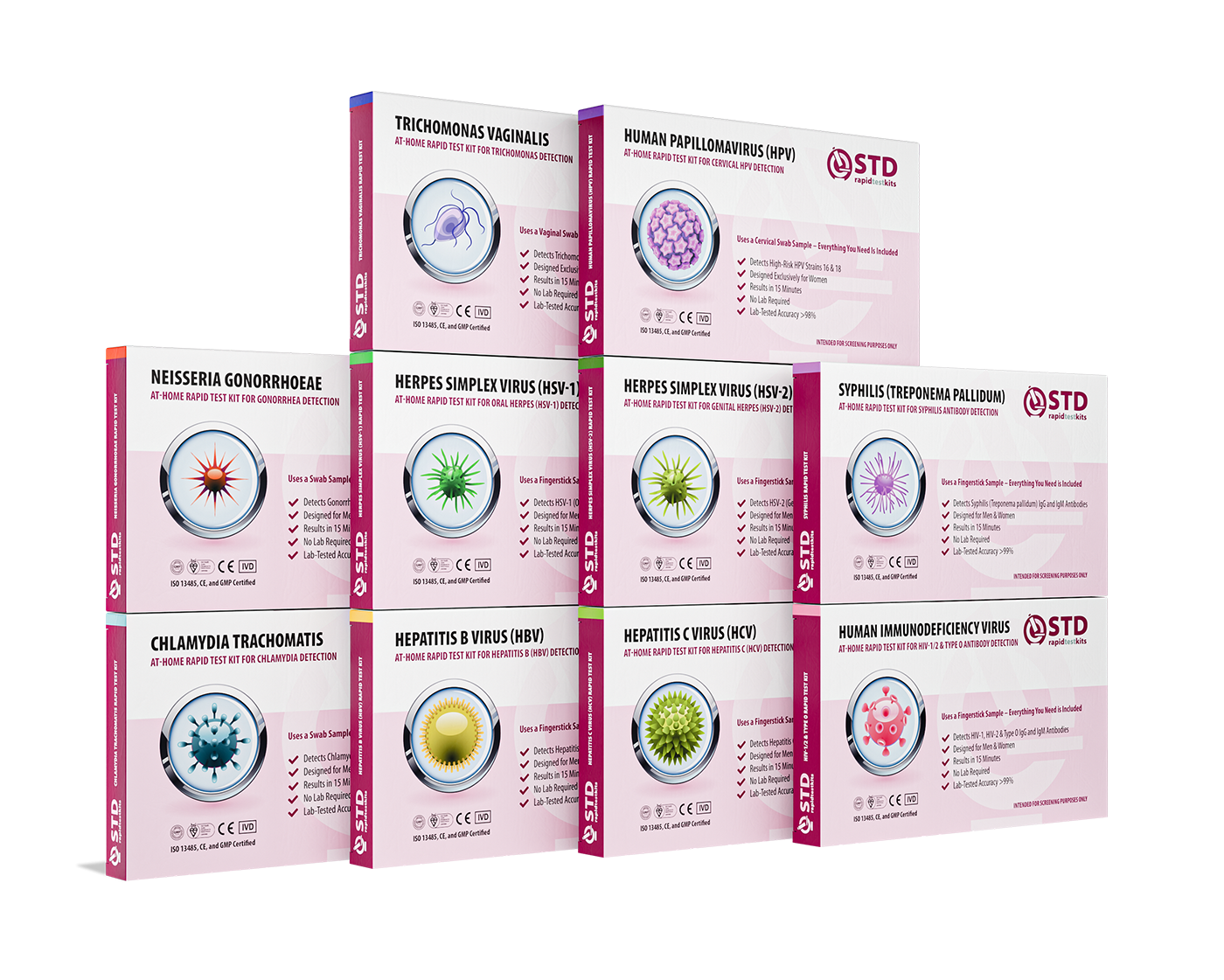
 For Women
 Results in Minutes
 No Lab Needed
 Private & Discreet
Order Now $189.00 $490.00
For all 10 tests
Should You Confront Them, or Get More Info First?
If your gut is screaming “they cheated,” you might be right. But you also might be reacting to fear, shame, or shock. Here’s a better plan:
1. Retest yourself: Use an at-home chlamydia test to confirm the result discreetly.
2. Ask your partner directly: Calmly tell them the situation and ask if they tested, when, and how. Avoid accusations. Ask for clarity.
3. Watch for deflection: “You’re just paranoid” or “It’s not a big deal” are red flags, not answers.
4. Recommend mutual retesting: Offer a solution: “Let’s both get retested so we can move forward safely.”
If they resist, that tells you something. And if they agree? That tells you something else.
How Chlamydia Actually Works in Relationships
The silent nature of chlamydia is what makes it so dangerous in relationships. According to Mayo Clinic, 70% of infected women and 50% of infected men show zero symptoms.
So your partner may truly believe they’re STD-free, because they’ve never felt a thing.
That said, the infection can still spread during vaginal, anal, or oral sex, even without ejaculation.
What if they swear they got treated?
That’s not enough. Many people:
- Start treatment but don’t finish it
- Take meds without proper testing
- Have sex again before their infection clears
So even if they “did everything right,” it’s possible something went wrong. And that’s a conversation worth having, with science, not shame.

People are also looking for: The Shame Spiral: Why STD Diagnosis Still Carries Stigma
What If You’ve Tested Positive and They’re Still Negative?
This happens more than people realize. It could mean:
- You got reinfected from a past untreated case
- They tested too early, within the incubation window
- They had a false negative, rare, but possible
- They were never infected in the first place
In relationships, this disconnect can tear trust to shreds. That’s why mutual testing, open communication, and proper timelines matter more than assuming guilt or innocence.
How to Protect Yourself Moving Forward
Even if the damage feels emotional, you still need to protect your physical health. Here’s what you can do:
- Use protection until both of you are tested and cleared
- Retest in 3 months per CDC guidelines, even if you feel fine
- Keep a record of your tests, treatment dates, and conversations
- Prioritize your gut instinct: If something feels off, it might be
Remember, testing positive again doesn’t mean you’re dumb, dirty, or doomed. It means you're dealing with something millions of people face, but few talk about honestly.
For quick answers and full privacy, try a combo at-home STD test kit. It checks for multiple infections and helps you catch anything that might’ve been missed the first time.
Reinfection ≠ Cheating: Understanding the Medical Reality
It’s easy to jump to conclusions when you test positive again for an STI, but medically speaking, a reinfection doesn’t always mean someone cheated. STIs like chlamydia, gonorrhea, and trichomoniasis can go unnoticed if both partners don't get checked at the same time. Even after successful treatment, you can get reinfected without any new infidelity involved.
Key scenarios to understand
- A treated partner may not start antibiotics or complete their course, leading to reinfection when you’re both intimate again.
- Testing too soon after exposure can give false-negative results, only for the infection to grow later.
- Certain STIs can become latent or reactivated (like herpes), leading to new symptoms without new partners.
So before accusing your partner, consider the medical facts. Reinfection is common and often unintentional, but clearing it requires mutual treatment, timed right. Remember, sex isn’t a detective story, it’s a shared responsibility.
Processing Betrayal: Red Flags vs. Real Risks
It's normal to feel hurt or suspicious, even if reinfection is possible. It's not paranoid to sort through your feelings; it's normal. But how do you know if something more serious is going on?
- Clarity of the timeline: Did the STI come back soon after you started having sex again? Or did it happen months later, after you went to the clinic? Ask your provider if the timing is right for reinfection.
- Changes in how you act: Have there been unexplained absences, new rules about phone privacy, or changes in how emotionally available you are?
- Breakdown in communication: Do people get defensive, quiet, or avoid talking about treatment when you ask them questions?
- History of testing: Do you both get tested on a regular basis? If one partner skips and the other stays negative, then suddenly positive, it might be time to talk more.
These aren't just puzzles for relationships; they're also signs of emotional health. If you and your partner are starting to not trust each other, couples counseling (especially sexual health–aware therapy) can help you deal with it.
A Smart Post-Treatment Protocol: Catch Reinfection (or Infidelity) Early
Whether you're worried about reinfection or suspect cheating, a clear sexual health protocol can reduce guesswork and guide conversations based on facts, not fear.
Here’s a recommended post-treatment timeline:
- Every partner is treated simultaneously and waits until antibiotics finish before re-engaging sexually.
- Retest after 4–6 weeks, not sooner. This lets microbial life show up accurately.
- Test again at 3 months; some STIs take time or have delayed replication in certain tissues.
- Use condoms consistently until you both test negative.
- Keep open records, and share results honestly and respectfully, even in monogamous relationships.
If a positive result still resurfaces, but one partner has stayed tested and treated, then it’s a clarity moment: you’ve done your part, and it might be time for a bigger conversation.
FAQs
1. Does it mean my partner did something wrong if they get a second positive chlamydia test?
Not all the time. A lot of the time, people get the disease again, especially if they didn't get the right treatment or if they got it before the relationship.
2. Can the same person give you chlamydia more than once?
Of course, chalmydia is always contagious. If your partner is still infected, they're capable of re-infecting you, even if you've gone through treatment.
3. What if my partner says they got tested and the results came out negative?
They could've tested too soon, gotten a false negative, or misunderstood the results. Always make sure to check what kind of test your partner got.
4. Can chlamydia stay dormant in the body without presenting any symptoms?
Yes, especially for people who don't have any symptoms. It could stay quiet for months if no one finds it.
5. Is it wrong to ask my partner to take the test again?
Not at all. It may seem strange, but it's a good move for both of your health.
6. How can I tell if it's a new infection or one I've already had?
Check the time. If you both got treatment and then had sex without protection again soon after, you probably got the disease again. It could mean you were outside and touched something if you get a new infection months later.
7. Should I stay with him or her if I think he or she is cheating?
You are the only one who can make that choice. But don't put your health or gut feelings on hold just to make someone else feel better.
8. Can chlamydia go away from good.
Chlamydia can be completely cured with the right antibiotics and follow-up care, however, that doesn't mean you'll never get it again. We don't have a permanent chlamydia cure yet, so it's better to take precautions.
9. Why do I feel guilty even though I wasn't unfaithful?
STD stigma is very strong, but remember, your diagnosis doesn't tell anything about you. It's not your fault you were infected if you were with a partner you thought you could trust.
10. How can I test without anyone else knowing?
Get a home test kit for chlamydia and gonorrhea that the FDA has approved. It's quick, private, and correct.
Trust Is Built With Truth and Testing
It’s easy to spiral when you test positive again. Your heart’s racing, your mind’s jumping to worst-case scenarios, and your trust feels shattered. But not every second positive test is proof of betrayal. Sometimes, it’s proof of how little we talk about STDs in relationships and how easy it is to miss a step.
The question isn’t “Did they cheat?”; it’s “Do we have all the facts?”
Here’s what you can do:
- Get retested and confirm the result
- Ask for transparency, not just apologies
- Offer mutual testing as a show of trust
- Use testing as a turning point, not a death sentence
And if you're done with guessing games? Order a discreet, accurate test from STD Rapid Test Kits, so you’re not just wondering, you’re knowing.
Sources
1. CDC: Clinical Retesting Guidelines for Chlamydia
2. Mayo Clinic: Chlamydia Overview
3. BMC Infectious Diseases: Doxycycline Treatment Study
4. Medical News Today – “I Tested Positive for Chlamydia but My Partner Did Not”
5. Verywell Health – “How You Can Get STIs Without Cheating”


