






STD Symptoms That Show Up Fast vs Slow: A Real Timeline After Sex
Quick Answer: At-home chlamydia and gonorrhea tests use lab-grade technology to detect bacterial DNA from urine or swab samples. They’re highly accurate, discreetly shipped, and usually deliver results within a few days, no clinic visit required.
Why Home Testing is a Game-Changer
If you’ve ever delayed STD testing because of embarrassment, cost, or the hassle of scheduling an appointment, you’re not alone. According to the CDC, chlamydia and gonorrhea are the most commonly reported STDs in the U.S., especially among people under 30, and yet millions go untested each year. At-home testing changes that equation by making sexual health care feel less like a public performance and more like something you can manage on your own terms.
For people living in rural areas, without insurance, or juggling work and family, at-home testing is often the only practical option. And for LGBTQ+ individuals, survivors of medical trauma, or anyone tired of being judged for having a sex life, testing in private is more than convenient, it’s empowering.
People are also looking for: Can HPV show up in the throat?
The Science Behind These Kits: Are They Legit?
Short answer? Yes. Most at-home test kits for chlamydia and gonorrhea use a technology called NAAT (nucleic acid amplification testing). It’s the same method used in clinics and labs, and it’s incredibly accurate. Studies show NAATs have a sensitivity of 89% to 100%, meaning they catch almost all infections, especially when the sample is collected properly.
The FDA has already approved several at-home STI kits for both prescription and over-the-counter use. These aren't gimmicky "maybe" tests; they’re real medical diagnostics. You send a urine or swab sample to a certified lab, and they analyze it for the DNA of the bacteria. No doctor’s visit, no awkward face-to-face. Just facts.
Types of Tests You Can Order
Not all test kits are created equal. Some are comprehensive, checking for multiple STDs at once, while others are targeted just for chlamydia and gonorrhea. Here's what you'll generally find:
- Urine-based kits: Best for detecting infections in the urethra, especially for penis owners. Easy to collect, low discomfort.
- Swab-based kits: These are great for vaginal, rectal, or throat testing. They capture more localized infections, which is crucial for folks engaging in oral or anal sex.
- Combo kits: These test for multiple STIs like syphilis, HIV, and trichomoniasis in addition to chlamydia and gonorrhea.
Check Your STD Status in Minutes
Test at Home with RemediumChlamydia & Gonorrhea Test
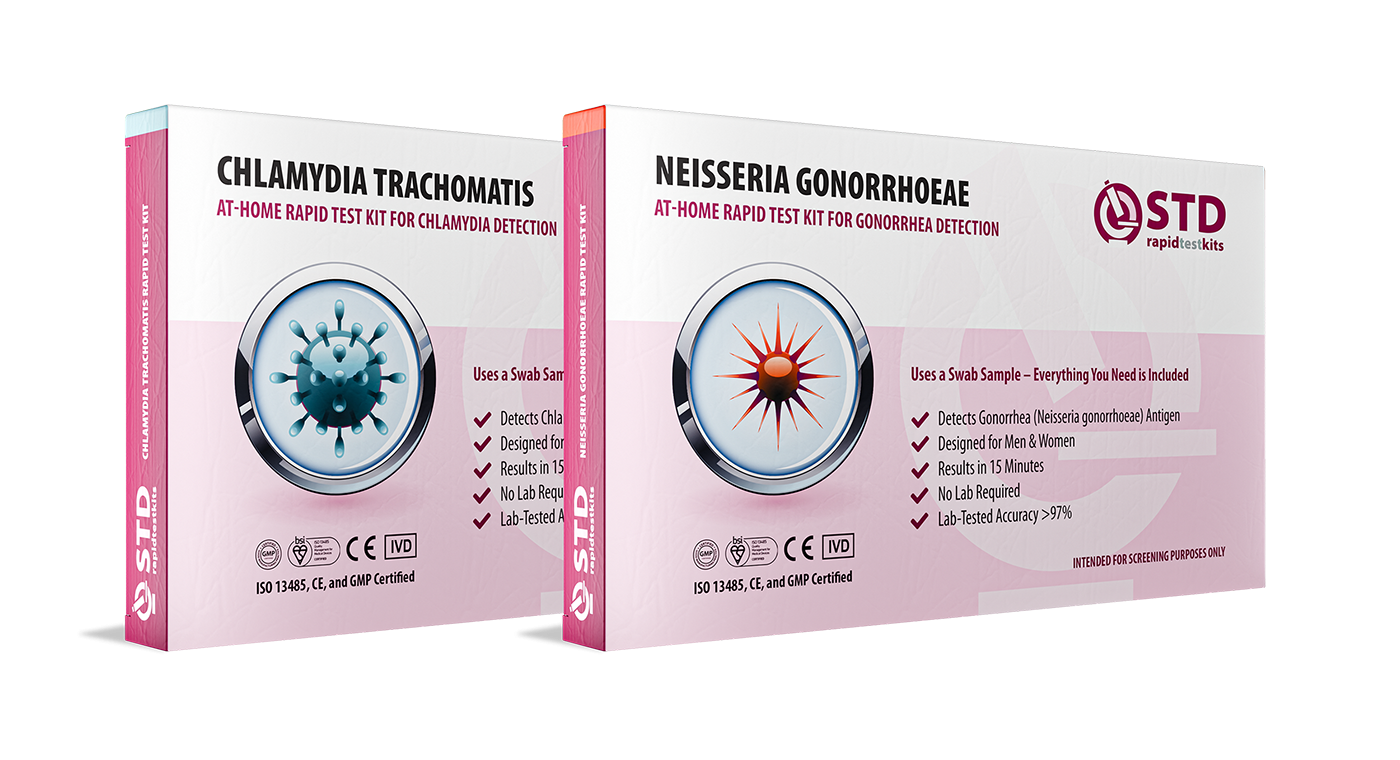
Claim Your Kit Today
Save 50%
 For Men & Women
 Results in Minutes
 No Lab Needed
 Private & Discreet
Order Now $49.00 $98.00
For all 2 tests
How to Use a Home STI Test Kit (Without Screwing It Up)
Let’s be real: the instructions are easy, but nerves can make anything feel complicated. Here’s what to expect:
Once your kit arrives, you’ll get a sealed set of materials: either a urine collection cup or a sterile swab (sometimes both), a labeled test tube or specimen bag, and a prepaid return mailer. Some kits include online activation for tracking. Just follow the step-by-step guide, collect your sample, seal it, and send it back.
The most common mistake? Not following timing instructions, like waiting too long after urinating or contaminating the swab. Most companies include a checklist or quick video tutorial, so don’t skip it. Treat it like a science experiment with your health on the line, because it is.
What Your Results Really Mean
Most results are available within 2–5 business days via a secure online portal. If your test comes back negative, congrats, you’ve got peace of mind. But if it's positive, don’t freak out. Both chlamydia and gonorrhea are treatable with antibiotics, often just a single dose.
The key is to act fast. The longer these infections go untreated, the higher the risk for complications like pelvic inflammatory disease (PID), infertility, or spreading it to partners. Some companies even offer prescriptions or telehealth consultations to get you started on treatment without needing to leave home.
People are also looking for: What happens if I get gonorrhea more than once?
When and How Often You Should Be Testing
Let’s talk timing. According to the CDC, sexually active individuals under 25 and those with new or multiple partners should test for chlamydia and gonorrhea at least once a year. But that’s a floor, not a ceiling. If you've had unprotected sex, notice symptoms (like unusual discharge or burning when you pee), or your partner tests positive, you should get tested right away.
Also important: these bacteria take a few days to show up on tests. Testing too soon after exposure (under 5 days) can yield false negatives. If you're doing a "just in case" test after a risky encounter, wait about a week, or test now, then retest in two weeks for confirmation.
What Happens If You Test Positive
This is the moment that makes most people freeze, but it’s more manageable than you think. If your test result is positive, the first thing to know is: it’s not a reflection of your worth, your choices, or your cleanliness. It’s bacteria. That’s it. And it can be treated.
Here’s what you do next:
- Start treatment: Most home testing services will link you to a provider for a prescription. You may get a one-dose antibiotic or a short course of meds.
- Tell your partners: Yeah, it's awkward. But they need to know so they can get treated too. Many sites offer anonymous notification tools.
- Retest after treatment: Especially for gonorrhea, the CDC recommends a follow-up test in 3 months to make sure you’re fully cleared.
If symptoms persist after treatment or you’re not sure your partner got treated too, check in with a provider. Reinfection is common, but avoidable.
Home Test Kits vs. Going to the Clinic
So is one better than the other? Not necessarily, it’s more about what fits your life. Here’s how they stack up:
Home kits are discreet, private, and available 24/7. You control when and where you test, and there’s no face-to-face awkwardness. But they can be slower than in-clinic rapid tests, and you won’t get hands-on medical support unless you book it separately.
Clinics offer same-day diagnosis and often free or low-cost treatment. If you’re experiencing symptoms like pelvic pain, testicle swelling, or fever, a clinic visit is better since they can check for complications right away.
In a perfect world? Use both. Get your routine screenings at home, and head to a clinic if something feels off.
Check Your STD Status in Minutes
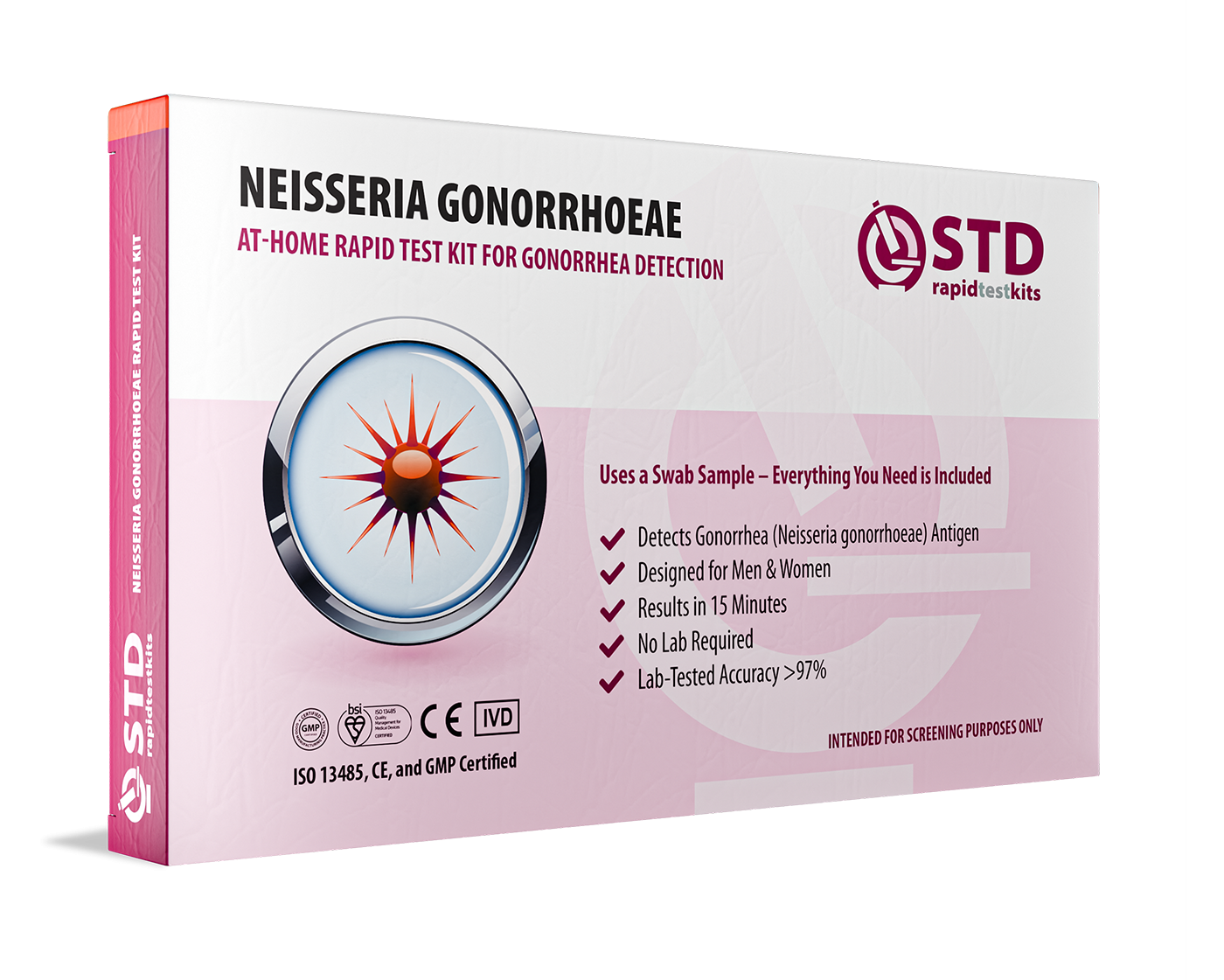
Test at Home with RemediumGonorrhea Test Kit
Claim Your Kit Today
Save 31%
For Men & WomenResults in MinutesNo Lab NeededPrivate & DiscreetOrder Now $33.99 $49.00
Emerging Tech: What’s Next in At-Home Testing
The future of STD testing is rapid, digital, and possibly sitting in your medicine cabinet. Several biotech companies are developing over-the-counter home kits that deliver results in under an hour, without mailing anything back. Think pregnancy test, only for STIs.
CRISPR-based kits (yes, that gene-editing tech) are being tested for fast bacterial detection. Meanwhile, compact PCR devices, like tiny lab machines, may soon allow people to test themselves for multiple STIs at once, using just a drop of urine or saliva.
Until then, the most reliable option is still a lab-based home kit, which balances accuracy and privacy beautifully.
What About Cost, Insurance, and Privacy?
Here’s the tea: most at-home chlamydia and gonorrhea tests range from $49 to $149 depending on the brand, number of infections tested, and whether results include follow-up care. Some services let you use HSA/FSA cards, and others partner with telehealth providers for bundled treatment.
Insurance usually doesn’t cover direct-to-consumer kits unless ordered through your doctor. But for many, the cost is worth the privacy. These kits are shipped in discreet packaging, no “STD” markings anywhere, and your results are delivered through encrypted portals, not your insurance app or primary care records.

People are also looking for: What happens if I get gonorrhea more than once?
Who Should Be Using These Kits?
Short answer: way more people than currently are. If you're sexually active and not in a mutually monogamous, recently tested relationship, regular screening is key. This includes:
- College students navigating hookup culture and early sexual health.
- LGBTQ+ folks, especially MSM, who face higher risks and more stigma.
- People with multiple or anonymous partners, or using dating apps.
- Anyone with limited access to clinics due to geography, work hours, or caregiving roles.
It’s also a great tool for couples wanting to test before going condom-free, or after a partner’s infidelity.
Personal Stories: “This Kit Changed Everything”
“I thought I had a yeast infection, until the test came back positive for chlamydia. If I hadn’t tested at home, I probably would’ve ignored it.” ,Asha, 27
“I was too scared to go to the campus clinic. The home test gave me privacy, and when it was positive, the company helped me get treated within 48 hours.” , James, 21
Behind every test is a real human who deserves care, not shame. The goal isn’t just diagnosis, it’s healing, protection, and confidence in your body again.
Common Misconceptions About Home STI Testing
Let’s clear up a few myths:
Myth: “They’re not as accurate as clinic tests.”
Truth: Most use the same lab tech (NAATs) as clinics do.
Myth: “You can’t get treatment after testing at home.”
Truth: Many kits include telehealth consults or referral options.
Myth: “Only people who ‘sleep around’ need these.”
Truth: Monogamy doesn’t always mean exclusivity or recent testing.
Check Your STD Status in Minutes
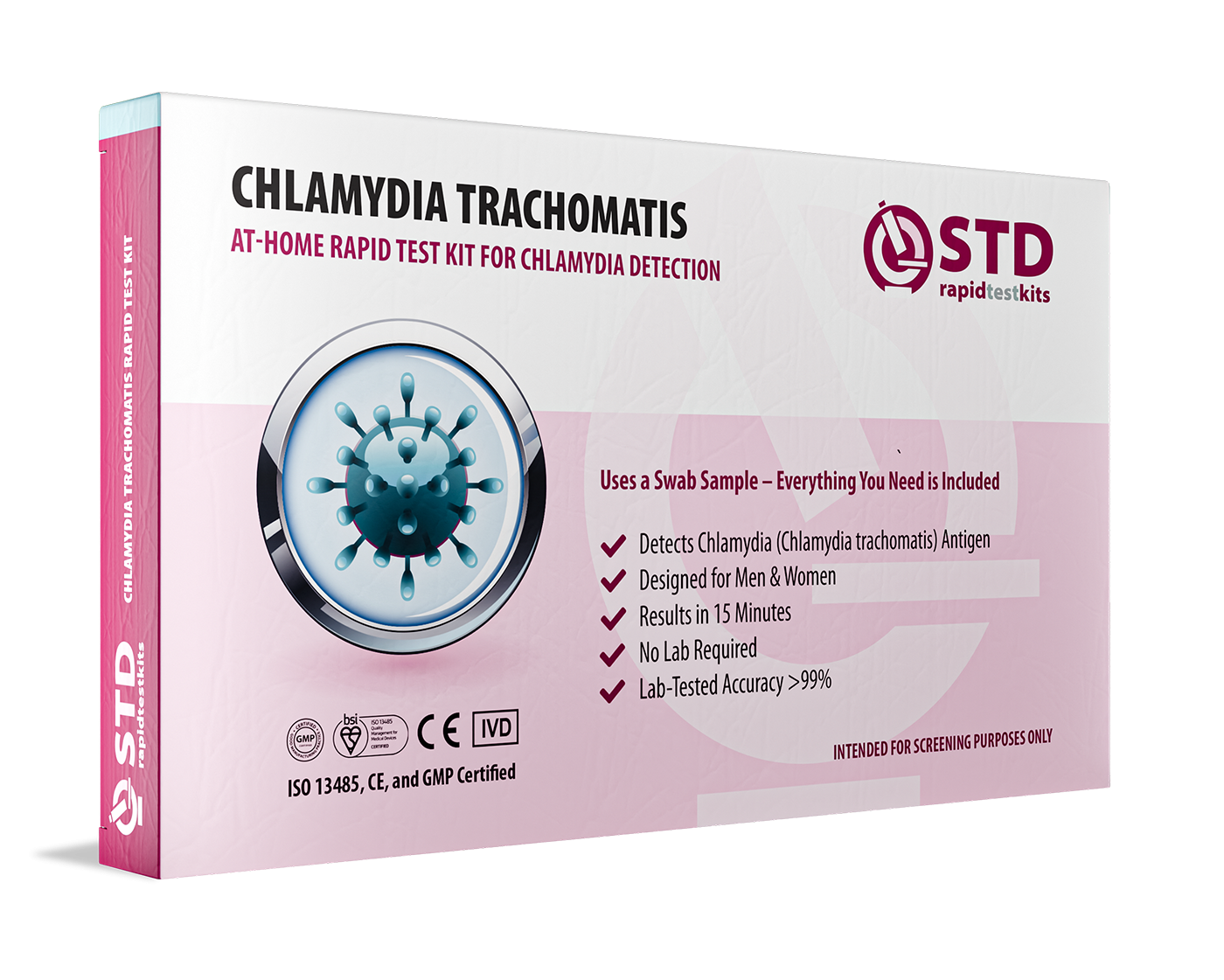
Test at Home with RemediumChlamydia Test Kit
Claim Your Kit Today
Save 31%
For Men & WomenResults in MinutesNo Lab NeededPrivate & DiscreetOrder Now $33.99 $49.00
FAQs
1. Can I test for chlamydia and gonorrhea at home?
Yes, with FDA-authorized kits that use urine or swab samples, you can test at home safely and discreetly.
2. How accurate are home chlamydia and gonorrhea tests?
Very accurate. NAAT-based kits have up to 100% sensitivity when used correctly.
3. Do I need symptoms to test?
Nope. Many infections are asymptomatic, routine screening is key.
4. How long after sex should I test?
Wait 5–7 days after exposure to allow the bacteria to build up enough to detect.
5. Will my parents/partner find out?
Not unless you tell them. Kits are shipped discreetly, and results are private.
6. Is there a rapid home test for gonorrhea?
Not yet OTC, but some clinical versions exist. Most kits still use mail-in lab testing.
7. Can I treat a positive result from home?
Often yes. Many services offer telehealth and prescription delivery.
8. What’s the difference between chlamydia and gonorrhea symptoms?
They’re often similar: discharge, pain when peeing, pelvic discomfort. Only a test can tell the difference.
9. Do I need to test more than one area?
If you’ve had oral or anal sex, yes, ask for throat or rectal swabs specifically.
10. Where can I order a kit?
You can order the Chlamydia + Gonorrhea Home Test directly, with fast, private delivery.
Your Sexual Health, On Your Terms
You don’t need a waiting room to take care of your sexual health. At-home testing for chlamydia and gonorrhea puts the power back in your hands, literally. Whether you're testing after a new partner, a slip-up, or just keeping tabs on your body, it’s a decision grounded in strength, not shame.
These infections are common. Treatment is easy. And the hardest part, getting tested, just became the simplest. So if your gut says it's time, listen. You can swab, ship, and move forward without ever putting on pants. That’s what health freedom looks like in 2025.
Sources
1. About Chlamydia – CDC (overview, symptoms in men and women, complications including infertility)
2. Chlamydia – NCBI / Clinical overview, prevalence, impact on fertility
What happens if chlamydia is untreated? – Medical News Today (complications and long-term risks)
Impact of Chlamydia trachomatis in the reproductive setting – PMC (focus on male fertility)
Chlamydia – Wikipedia (epidemiology, symptoms by sex, complications, infants)
Is Chlamydia Curable? – Verywell Health (treatment, reinfection, implications for pregnancy)


