







Herpes Isn’t What You Think: Debunking the Biggest Myths
Quick Answer: Herpes is a common, lifelong viral infection caused by HSV-1 or HSV-2. It often causes no symptoms and is easily managed with medication. You can still have a healthy, satisfying sex life, and you’re far from alone.
Finding out you have herpes can feel like getting slapped by shame. Your brain spins with what-ifs, your stomach drops, and suddenly sex feels like a loaded weapon. Take a breath. This isn’t the end of your sex life, your dating life, or your dignity. It’s just a virus, one that millions live with, love with, and manage every day. Here’s what to know if the test came back positive and your world just tilted on its axis.
Yes, herpes is common and manageable. Over 1 in 6 people between 14 and 49 in the U.S. have genital herpes. Most never even show symptoms. It’s caused by the herpes simplex virus (HSV), which comes in two types: HSV-1 (commonly oral) and HSV-2 (commonly genital). While it’s not curable, it’s treatable, and your life, especially your sex life, is far from over.
Herpes is a lifelong virus, but that doesn’t mean it’s a lifelong crisis. Once you're diagnosed, you’re forced into a club no one asked to join, but it’s a crowded one. Genital herpes affects an estimated 572 million people worldwide under age 50, according to the World Health Organization. And yet, it’s cloaked in silence, stigma, and urban legends that make it seem far scarier than it is.
Most people catch herpes without realizing it, either through oral sex, skin-to-skin genital contact, or even kissing, in the case of HSV-1. Many never develop symptoms. Others get outbreaks that are manageable and reduce over time. But here’s the truth bomb: being diagnosed doesn’t mean you’re dirty, irresponsible, or undateable. It means you have a virus that’s extremely common, and now you know how to protect yourself and your partners better.
People are also looking for: Herpes vs HPV: Symptoms, Risk, and Testing
Key Benefits of Knowing Early
Most people with herpes have no idea they have it, so finding out is actually an advantage. You’re in control. You can take steps to manage symptoms, avoid transmitting it to others, and address the emotional impact head-on. Here’s what early diagnosis gives you:
- Clarity: No more guessing if that bump is “just a razor burn.” Knowing lets you plan, not panic.
- Treatment Access: Antiviral meds like valacyclovir (Valtrex) reduce outbreak frequency and viral shedding.
- Informed Consent: You can have safer, more honest conversations with partners, without fear or lies.
- Transmission Control: Using condoms and avoiding sex during outbreaks cuts risk significantly.
Ignorance isn’t bliss when it comes to STDs, it’s exposure. If you’ve caught it early, you’ve got a head start on living well with it.
Challenges and Emotional Fallout
Herpes is emotionally heavier than medically dangerous. That’s what makes it so cruel. Many people spiral into shame, depression, or sexual avoidance after diagnosis, not because of the physical symptoms, but because of what they think it says about them. It doesn’t help that many health professionals still treat it with outdated dread.
Mental health fallout is real. A 2020 study in BMC Public Health found that stigma, not the virus, was the primary cause of psychological distress in newly diagnosed individuals. So let’s call it what it is: a trauma. Not because herpes is devastating, but because shame is.
You'll likely face:
- Shame or guilt: “How did I get this?” “Who gave it to me?” “I feel disgusting.”
- Isolation: Feeling like you can’t tell friends or partners.
- Fear of rejection: Wondering if anyone will want you again.
This is where healing starts, not just physically, but emotionally. Therapy helps. So does finding online communities where herpes isn’t treated like a dirty word. Herpes doesn’t define you. But how you respond to it might.
Check Your STD Status in Minutes
Test at Home with RemediumOral Herpes Test Kit

Claim Your Kit Today
Save 31%
 For Men & Women
 Results in Minutes
 No Lab Needed
 Private & Discreet
Order Now $33.99 $49.00
Solutions and Recommendations
You’ve got options, medical, emotional, and relational. Here’s your herpes care toolkit:
- Antivirals: Daily suppressive therapy like valacyclovir reduces outbreaks and transmission.
- Outbreak management: Keep the area dry, wear breathable underwear, and apply ice or lidocaine during flare-ups.
- Disclosure strategy: Don’t rush the “I have herpes” talk, but don’t hide it either. Choose calm, private settings. Practice first if needed.
- Partner communication: Use facts, not fear. Most partners appreciate honesty and want to stay safe, not bolt.
If you haven’t already been tested but suspect exposure, use a Herpes Home Test Kit to get clear answers privately and quickly. And remember: 50% of U.S. adults under 50 have HSV-1. You're far from alone.
Statistical Insights and Data
Let’s kill the myth that herpes is rare or “only dirty people get it.” Herpes is everywhere, and it doesn’t care how many people you’ve slept with. Here’s the hard data:
- 1 in 6 Americans aged 14–49 has genital herpes (CDC).
- Over 67% of the global population under 50 has HSV-1 (WHO).
- 80–90% of people with HSV-2 don’t know they have it.
This means most people spreading herpes don’t even know they’re carriers. That’s why testing and open conversation matter. According to The Lancet, suppressive therapy combined with condom use can reduce the risk of HSV-2 transmission by up to 75%.

People are also looking for: People are also looking for: Herpes vs HPV: Symptoms, Risk, and Testing
Expert Opinions and Case Studies
“Herpes is a skin condition, not a moral failing,” says Dr. Ashley Fife, a sexual health clinician and herpes educator. “The real damage comes from how we talk about it, or don’t.” According to her, the most common reaction from newly diagnosed patients isn’t fear of symptoms, but fear of social judgment.
Case Study: “Maria, 27”
Maria contracted HSV-2 after sleeping with a long-term partner who had no idea he was positive. Her first outbreak was painful, but short. What lasted longer was the emotional spiral.
“I cried for weeks,” she said. “But then I joined a herpes support subreddit. That’s when everything changed. I saw thousands of people dating, thriving, living. It took herpes from feeling like a prison sentence to just… a thing I manage.”
Doctors interviewed in Sexually Transmitted Infections Journal agree: patient outcomes improve drastically when herpes is discussed honestly and without stigma. Medical language matters, but so does emotional tone.
Historical Context
Why is herpes so demonized? Short answer: the pharmaceutical industry and a 1980s media panic. In 1982, a Time Magazine cover story called herpes “The New Scarlet Letter,” and suddenly it was framed not as a common skin virus, but a moral failing. Enter antiviral drug companies with marketing that stoked shame to boost sales.
Before that? Herpes was just a mild inconvenience. It wasn't even classified as a major STD until marketing narratives made it sound dire. And while it can be uncomfortable, it’s rarely dangerous. In fact, HSV-2 doesn’t impact fertility, and most cases don’t require hospitalization or serious intervention.
In other words, the fear we feel around herpes isn’t rooted in medicine, it’s rooted in history, marketing, and bad sex ed.
Future Trends
Research into herpes vaccines is growing. While there’s no cure yet, several candidates, including mRNA-based ones, are in development. The NIH and pharmaceutical companies are funding trials to create a preventative vaccine and even one that suppresses or eliminates outbreaks in those already infected.
Also emerging: improved testing methods. Traditional blood tests have limitations (especially for HSV-1), but new swab-based and PCR technologies are becoming more accurate and widely accessible, especially in home STD testing kits.
The future is also social: as more people share their herpes stories online, stigma continues to crumble. TikTok, Reddit, and sex-positive therapists are changing the narrative, and that change is long overdue.
Check Your STD Status in Minutes
Test at Home with RemediumGenital Herpes Test Kit
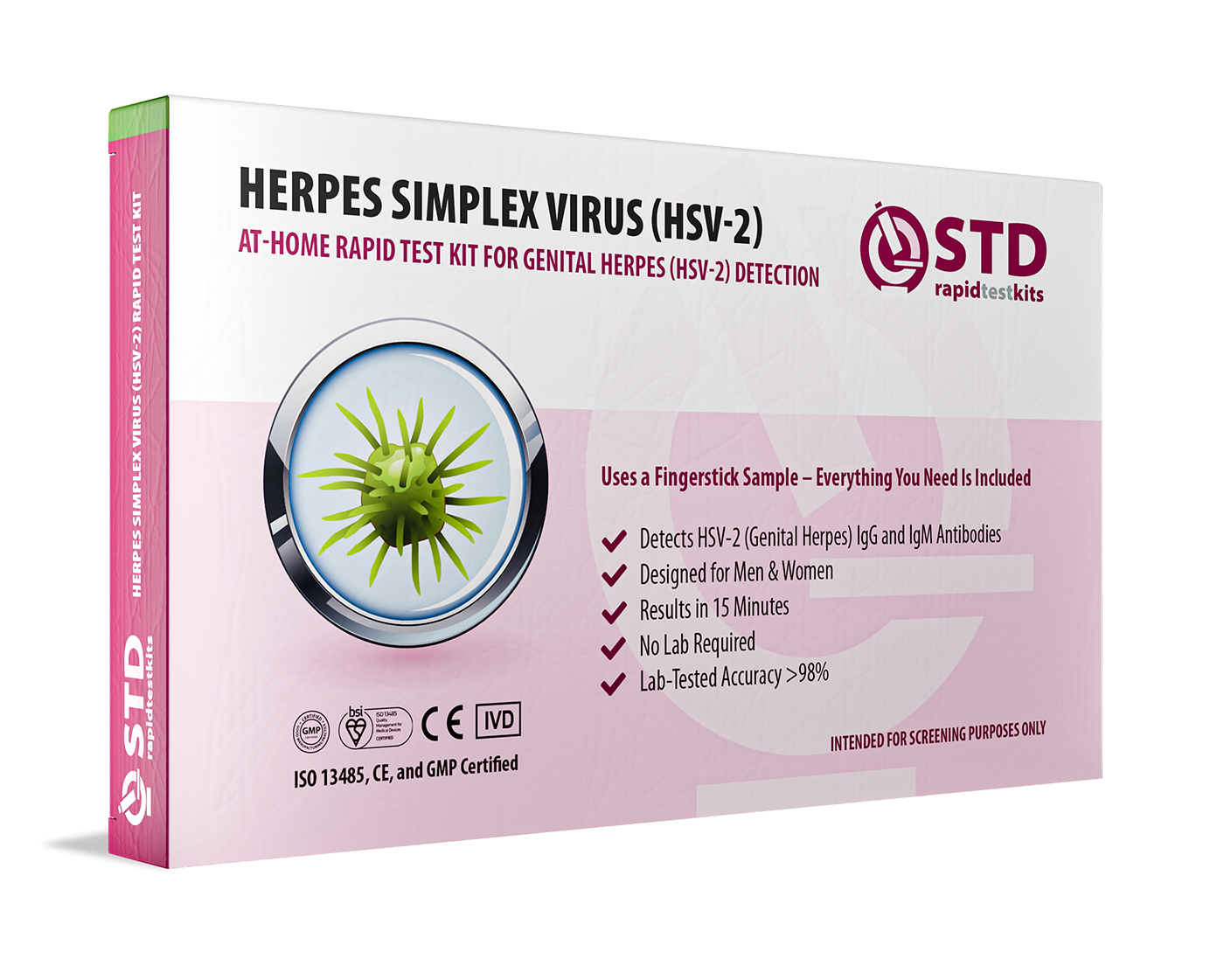
Claim Your Kit Today
Save 6%
For Men & WomenResults in MinutesNo Lab NeededPrivate & DiscreetOrder Now $45.99 $49.00
Practical Applications
Now that you know your herpes status, here’s what to actually do:
- Start Antivirals: If your doctor offers suppressive therapy, say yes, especially if you’re dating or prone to frequent outbreaks.
- Track Your Triggers: Outbreaks can be triggered by stress, friction, illness, or menstruation. Keep a diary if needed.
- Prep for the Talk: Use “I” language when disclosing to a partner. Example: “I have herpes, and I manage it with meds and honesty.”
- Use Barriers: Condoms and dental dams help, but remember, herpes can still spread from skin-to-skin contact.
- Join a Support Space: Online forums like Reddit’s r/Herpes or Positive Singles help reduce shame and give real-world advice.
Also: keep lube on hand. Seriously. Lube reduces friction, which lowers outbreak risk. Pleasure and prevention? Yes, please.
Industry Impact
The herpes diagnosis boom has transformed parts of the sexual health industry. Demand for Herpes Home Test Kits has surged, especially after the pandemic normalized telehealth and DIY testing.
Pharmaceutical companies continue to profit from long-term antiviral prescriptions, but grassroots movements are pushing for more transparency, access, and research funding. Herpes advocacy is finally gaining traction, challenging the idea that a lifelong STD makes someone unworthy of intimacy, love, or fun sex.
In dating apps, filters for STD status are becoming more common. Platforms like OkCupid and Tinder now include prompts about testing frequency and openness, another signal that herpes isn’t taboo. It’s just part of the conversation.
Personal Stories or Testimonials
When you’re first diagnosed with herpes, it can feel like your world is shrinking. But hearing from others, real people, not just statistics, can crack that feeling wide open.
Case Study: “James, 35”
James found out he had HSV-1 genitally after a routine STD screening. “I was gutted,” he said. “I thought no one would ever touch me again. But then I told someone I was dating, and they just shrugged. They had oral herpes. We laughed about it. That was the first time I realized the story in my head was worse than the virus itself.”
Case Study: “Lena, 24”
Lena’s first outbreak was severe, but what hit harder was the silence from her gynecologist. “No one told me it was manageable,” she said. “I found that out from TikTok.” Now she posts weekly videos demystifying herpes and has helped thousands of others stop spiraling. “It gave me a purpose,” she said. “Herpes didn’t end my life, it redirected it.”
Your story might not be Lena’s or James’s. But it will be yours. And it can still be sexy, loving, connected, and proud.

People are also looking for: Can anxiety cause STD-like symptoms?
Common Misconceptions
Let’s bust a few myths that just won’t die:
“You can only get herpes if someone has symptoms.”
False. Herpes can spread even when there are no visible sores.
“If you have HSV-1, you can’t get HSV-2.”
Also false. You can have both types, although prior infection may reduce severity of the second.
“Herpes is always painful.”
Many people with herpes have mild or no symptoms.
“You can’t have sex anymore.”
Definitely false. With protection, meds, and good timing, your sex life can still thrive.
Bottom line: Herpes isn’t a punishment, and it sure as hell isn’t rare.
FAQs
1. Can you get herpes from oral sex?
Yes, HSV-1 is often transmitted through oral sex. Someone with a cold sore can pass the virus to your genitals, even if the sore isn’t visible.
2. How long do herpes outbreaks last?
First outbreaks can last 2–4 weeks, but recurrent ones typically resolve in 5–10 days. Antivirals can shorten duration and ease symptoms.
3. Is herpes contagious all the time?
No, but asymptomatic shedding means it can be spread even without an active sore. Suppressive meds and condoms reduce this risk.
4. Should I tell my partner I have herpes?
Yes. Ethical sex includes informed consent. Timing and tone matter, don’t panic, but do share. Most people respond with understanding.
5. What does a herpes sore look like?
Small blisters that pop and crust over. They often appear in clusters and can be mistaken for razor bumps, ingrown hairs, or pimples.
6. Can you live a normal sex life with herpes?
Absolutely. With management and communication, you can have fulfilling, safe, and adventurous sex.
7. Do condoms fully protect against herpes?
Not fully. They reduce risk, but herpes can spread from skin not covered by a condom. Pair with suppressive therapy for best protection.
8. What’s the difference between HSV-1 and HSV-2?
HSV-1 typically affects the mouth; HSV-2 usually affects the genitals. But both can show up in either area depending on exposure.
9. Can herpes be cured?
Not yet. But it’s manageable with daily meds, lifestyle tweaks, and open conversation. Most people rarely think about it after year one.
10. Where can I get tested discreetly?
Try the Herpes Home Test Kit, accurate, fast, and totally private.
Check Your STD Status in Minutes
Test at Home with RemediumGenital & Oral Herpes Test Kit
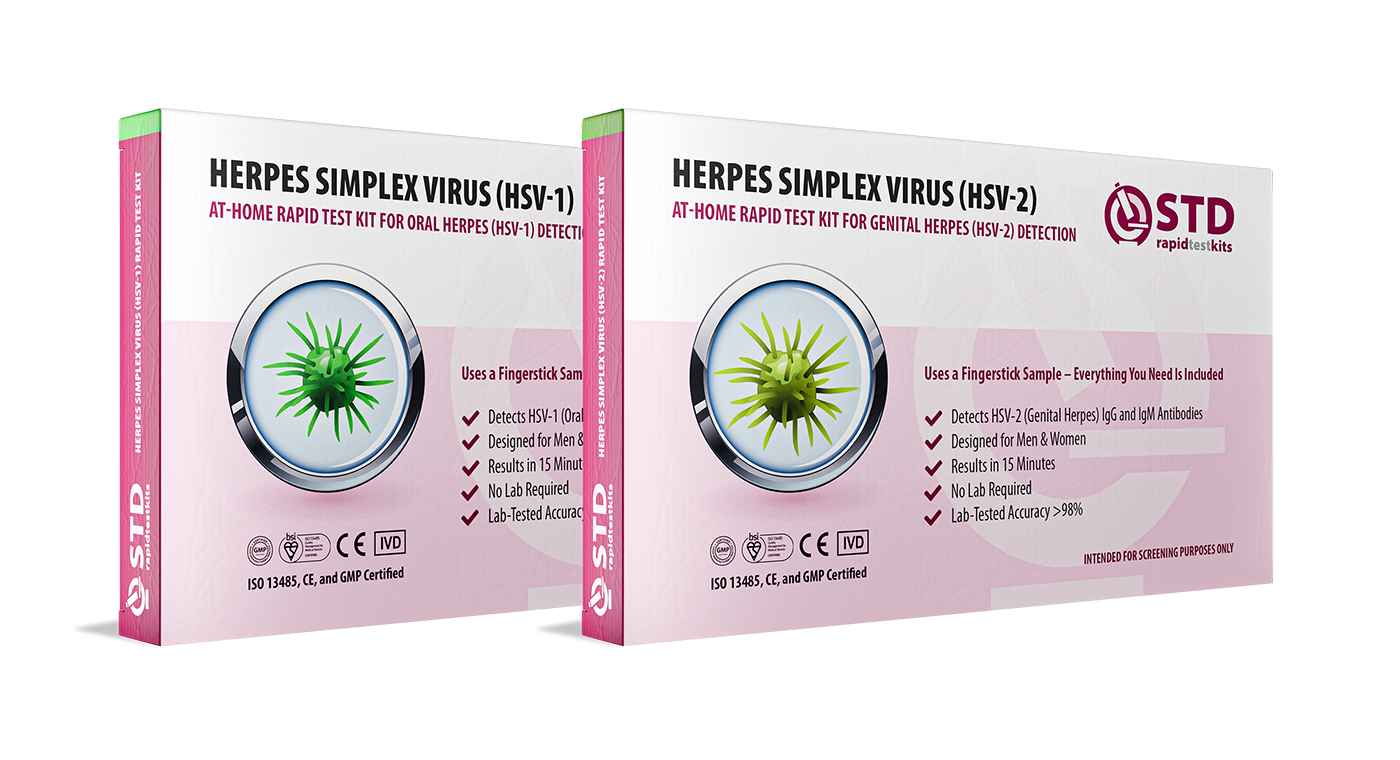
Claim Your Kit Today
Save 23%
For Men & WomenResults in MinutesNo Lab NeededPrivate & DiscreetOrder Now $75.00 $98.00
For all 2 tests
You’re Still You
Herpes doesn’t erase your worth, your desirability, or your right to love and be loved. It’s a virus, one that millions of people manage quietly, courageously, and confidently every single day. You’re not broken. You’re not dirty. You’re simply informed now. And with that knowledge, you have power.
Maybe today it feels like everything changed. But in time, herpes will be just one small part of your story, if you let it. Talk about it. Laugh about it. Have amazing, joyful, satisfying sex in spite of it. Because life goes on. And so do you.
Living with herpes starts with knowing you have it. Get tested today from home, discreetly, quickly, and on your terms.
Sources
2. Genital Herpes – Mayo Clinic


