







It Looks Like a Cold Sore, But Is It Herpes Down There?
Quick Answer: Cold sores are usually caused by oral herpes (HSV-1), a common virus that can be sexually transmitted. While many people treat them casually, they can carry real health and relationship implications, especially if your partner isn’t taking them seriously or communicating openly. Disclosure, safety, and education matter.
Why That “Cold Sore” Might Be a Bigger Deal Than They Admit
You spot a blister forming on your partner’s lip. They wave it off. “It’s just a cold sore,” they say, barely looking up. But your stomach drops. Because maybe you know something they don’t: cold sores aren’t just cosmetic. They're usually caused by Herpes Simplex Virus Type 1 (HSV-1), a lifelong, often misunderstood infection that can be sexually transmitted. And when someone brushes off herpes like it’s nothing, it can feel like they’re brushing off your safety too. This isn’t about fear-mongering. It’s about respect, informed consent, and risk awareness, things every relationship needs. If you’re here because your partner has cold sores but won’t talk about what they really mean, you’re not overreacting. You’re trying to take care of yourself. And that matters.
People are also looking for: Is Herpes Always Contagious?
Understanding Cold Sores: It’s Not “Just” a Skin Thing
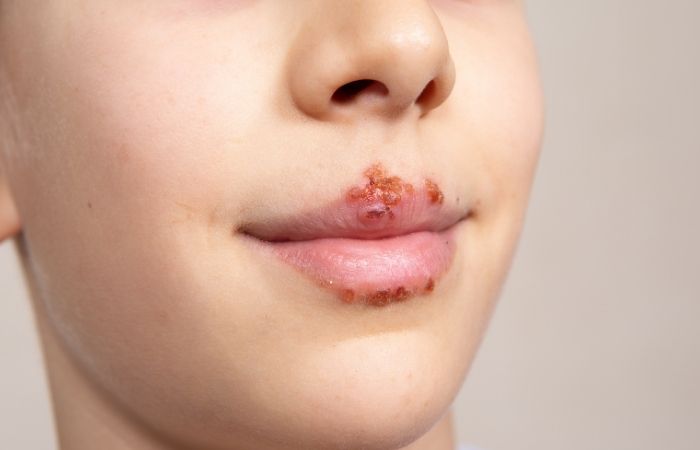
A cold sore isn’t a random rash. It’s almost always caused by HSV-1, the oral herpes virus, which affects more than half the global population under 50, according to the World Health Organization. Yes, it’s common. But that doesn’t mean it’s harmless. Symptom: Painful or tingling blisters around the lips or mouth.
- Cause: HSV-1, typically transmitted through kissing, oral sex, or shared utensils during active outbreaks.
- Contagious Period: From the tingling phase to full scab healing, even without visible sores in some cases.
The problem? Many people with HSV-1 don’t realize it can also cause genital herpes if transmitted during oral sex. And even fewer understand that asymptomatic shedding, when the virus spreads without any visible sores, can still pass the virus to others. So when someone says, “It’s just a cold sore,” they may not realize they’re also saying, “I don’t fully understand what this is.”
The Real Relationship Risk: Not Herpes, But Minimization
Here’s the emotional gut-punch: It’s not the virus that damages the relationship. It’s the gaslighting.
When your partner downplays something that could impact your health, whether it’s a cold sore, STI status, or past test results, it’s not just frustrating. It can feel like betrayal. Especially when it’s your body on the line.
Let’s be clear: cold sores = herpes. And herpes, even when managed well, requires honest disclosure in any sexual or intimate relationship.
If your partner is unwilling to acknowledge that, it raises bigger red flags about trust, emotional maturity, and communication. You deserve answers, not because you're paranoid, but because you have the right to make informed decisions about your health.
Herpes Disclosure: Why People Stay Silent (and Why That Needs to Change)
Not everyone who stays quiet about HSV-1 is malicious. Some are ashamed. Others genuinely don’t know they’re carrying the virus. And some have internalized the cultural message that cold sores are “no big deal”, a lie that gets repeated in sitcoms, beauty blogs, and locker-room talk. But silence doesn’t protect anyone.
In fact, a 2022 study in BMJ Sexual & Reproductive Health found that lack of herpes disclosure was directly linked to higher rates of partner transmission, anxiety, and resentment.
Why don’t people disclose?
- Stigma: “If I admit this is herpes, they’ll reject me.”
- Minimization: “Everyone has it, why bring it up?”
- Fear of Judgment: “I don’t want them to think I’m ‘unclean.’”
- Misinformation: “Cold sores aren’t the same as herpes, right?”
Disclosure isn’t about perfection. It’s about respect and agency. And you deserve both.
Check Your STD Status in Minutes
Test at Home with RemediumOral Herpes Test Kit

Claim Your Kit Today
Save 31%
 For Men & Women
 Results in Minutes
 No Lab Needed
 Private & Discreet
Order Now $33.99 $49.00
Emotional Fallout: When “It’s Just a Cold Sore” Hurts More Than It Heals
Let’s be real: it’s not about the blister. It’s about what it symbolizes. You might start to second-guess everything:
"If they won’t talk about herpes, what else won’t they talk about?"
You might even feel guilty for caring, as if you're being overly sensitive for not wanting to kiss someone mid-outbreak. But here’s the truth: you’re allowed to set boundaries around your body.
You’re allowed to say, “I don’t want to share drinks with someone during a cold sore flare-up.” You’re allowed to ask questions. And if your partner meets those questions with hostility or dismissiveness? That’s not about herpes. That’s about emotional immaturity.
How to Talk About Herpes Without Setting Off a Bomb
If your partner has a cold sore and you want to bring up herpes without triggering a defensive shutdown, it helps to start with curiosity, not confrontation. Try saying:
“Hey, I noticed the cold sore, do you know if it’s from HSV-1?”
“Have you ever been tested for herpes before?”
“I’ve been reading up on cold sores and HSV-1. Can we talk about how we both handle that risk?”
You’re not accusing them, you’re trying to understand. If they shut down or get angry, that’s not your fault. A mature partner should welcome safety conversations, not avoid them. The goal isn’t to make them feel bad. It’s to make both of you feel safe.
What the Science Says: Yes, Oral Herpes Can Be an STD
Let’s end the myth once and for all: Oral herpes (HSV-1) can absolutely be sexually transmitted. Especially through oral sex.
According to the CDC, HSV-1 is a growing cause of genital herpes, particularly among young adults.
A 2023 study published in JAMA found that oral-genital transmission is now one of the most common first-contact pathways for HSV-1.
Even without symptoms, asymptomatic shedding means the virus can still spread. The World Health Organization reports that people with HSV-1 can be contagious even when they don’t have visible sores.
So yes, if your partner has a cold sore and gives you oral sex, you could end up with genital herpes. That doesn’t make them evil. But it does mean you both need informed conversations and boundaries.

People are also looking for: Can You Get STDs From Oral Sex?
Risk Management: What You Can Actually Do (Besides Panic)
Here’s how to protect your body, and your peace of mind, when you’re in a relationship where cold sores are a factor:
- Use barriers during oral sex: Dental dams and condoms reduce HSV-1 transmission risk.
- Avoid contact during outbreaks: No kissing, no oral sex, no shared drinks or utensils.
- Ask about daily suppression therapy: Medications like valacyclovir can reduce transmission risk.
- Get tested together: Consider private testing options like the Herpes 1 Rapid Test Kit for clarity and control.
- Talk about expectations: What’s your plan when symptoms show up? Communication is key.
No, there’s no way to eliminate risk entirely. But there’s a world of difference between unspoken danger and consensual, educated choice.
Why You’re Not “Overreacting,” You’re Being Smart
If anyone’s ever rolled their eyes at your concern about cold sores, here’s your permission to ignore them.
According to a 2022 study published in The Lancet Infectious Diseases, people who set clear boundaries about STDs, including oral herpes, had lower anxiety, stronger partner communication, and higher relationship satisfaction.
Why? Because safety builds trust, not tension. So no, you’re not being dramatic. You’re just not willing to gamble your health for someone else’s comfort.
That’s not fear, it’s wisdom. Cold sores might be common, but that doesn’t make them a free pass to skip tough conversations. It makes them a reason to normalize honesty.
When It’s Time to Set a Boundary (Or Walk Away)
You’ve tried to talk. You’ve asked thoughtful questions. Maybe you even shared your own history with STIs. But your partner still won’t budge, or worse, they belittle your concern.
At that point, it’s not about HSV-1 anymore. It’s about respect, transparency, and emotional maturity. If your partner refuses to talk about something that directly affects your health, it’s okay to say:
“I care about you, but I can’t stay sexually active if I don’t feel safe.”
“I’m not judging you, I just need honesty and a plan.”
“Until we can communicate clearly about this, I need to protect myself.”
These aren’t ultimatums. They’re healthy boundaries. And if your partner responds with anger, guilt-tripping, or stonewalling? That’s your cue to rethink more than just kissing them.
Check Your STD Status in Minutes
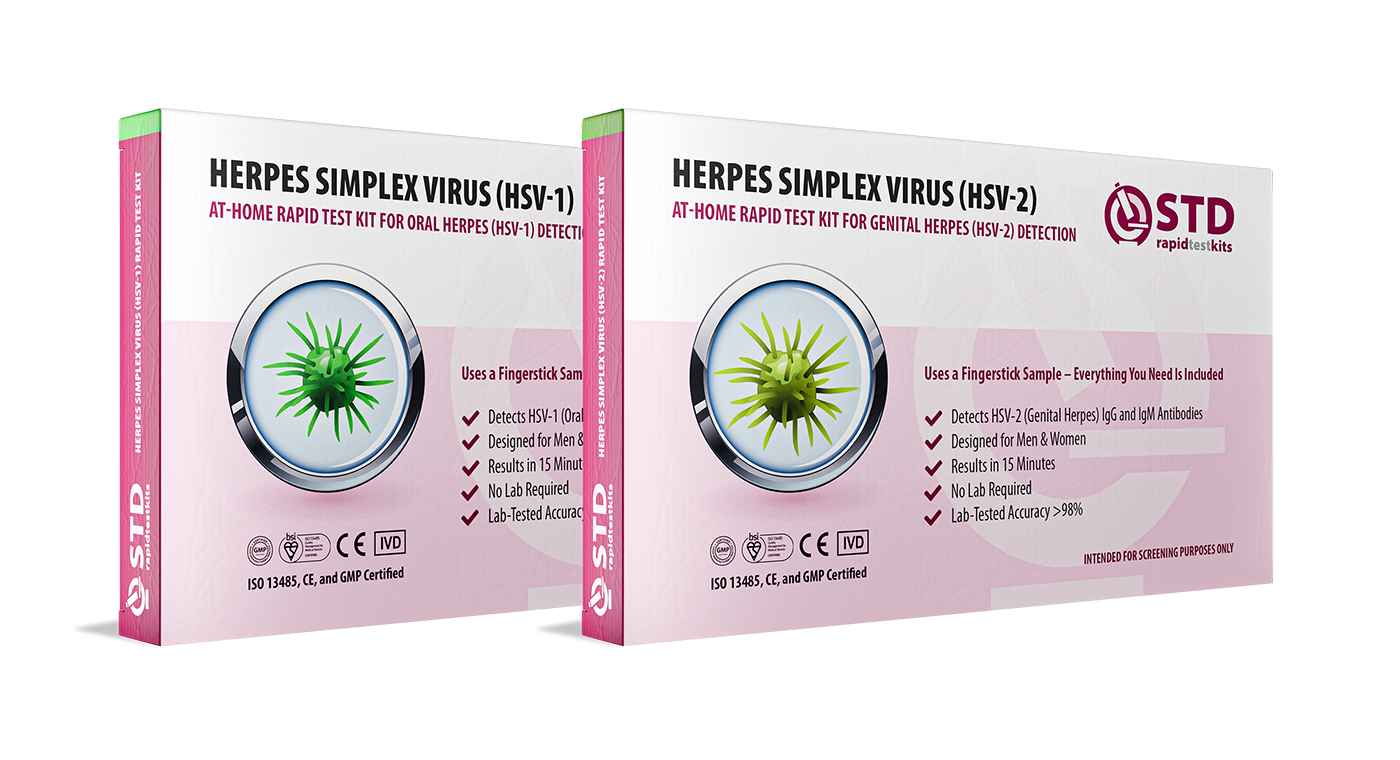
Test at Home with RemediumGenital & Oral Herpes Test Kit
Claim Your Kit Today
Save 23%
For Men & WomenResults in MinutesNo Lab NeededPrivate & DiscreetOrder Now $75.00 $98.00
For all 2 tests
What Cold Sore Conversations Reveal About Your Relationship
Here’s what no one tells you: talking about cold sores is never just about cold sores. It’s about how your partner handles discomfort. Do they:
- Get defensive or dismissive?
- Prioritize your safety?
- Know the facts, or want to learn them?
- Show up with compassion instead of shame?
If the answer is yes to those last three, congrats, you’re not just navigating HSV-1. You’re building a real foundation of trust.
If the answer is no, then herpes may have done you a favor: it showed you what they were really made of.
You can’t change someone who doesn’t want to grow. But you can choose what you tolerate. And if someone won’t take your health seriously, they don’t deserve access to it.
When Disclosure Is Done Right: What It Can Look Like
Let’s flip the script. Imagine a partner saying,
“I get cold sores sometimes, and I just want you to know it’s from HSV-1. I’ve been managing it for years, and I’m happy to talk about what that means for us.”
That’s what disclosure looks like: informed, honest, human. It’s not always easy. But when it’s done well, it makes the relationship stronger. It signals maturity, care, and an ability to face facts with love, not fear. And whether you decide to stay, set boundaries, or walk away, know this:
You are not unreasonable for asking someone to take your body seriously. In fact, that’s the most reasonable thing you can do.

People Are Also Looking For: What STDs Can You Get From Kissing?
FAQs
1. Can cold sores really be transmitted during oral sex?
Yes. HSV-1 can cause genital herpes if transmitted through oral-genital contact, even if no sore is visible.
2. Is a cold sore always herpes?
Most of the time, yes. Cold sores are commonly caused by HSV-1, a form of herpes simplex virus.
3. What should I do if my partner won’t talk about their cold sore?
Stay calm but clear. Ask direct questions and share your concerns. If they continue to dismiss you, it may be time to reevaluate boundaries.
4. Can I get HSV-1 even if my partner doesn’t have symptoms?
Yes. The virus can be transmitted through asymptomatic shedding, which means it spreads even without visible sores.
5. Is there a cure for herpes?
No, but HSV-1 can be managed with antiviral medications and by avoiding triggers. Suppressive therapy reduces outbreaks and transmission.
6. Should I stop kissing during a cold sore outbreak?
Yes. Kissing during an active outbreak significantly increases the risk of passing HSV-1 to others.
7. Is it safe to have sex if one partner has oral herpes?
With informed consent and protective measures, yes. Use barriers, avoid contact during outbreaks, and consider antiviral therapy.
8. Can I ask my partner to get tested for HSV-1?
Absolutely. Suggest mutual testing as a way to protect both of you. Consider the Herpes 1 Rapid Test Kit for a private, at-home option.
9. Does having HSV-1 mean I’ll get frequent cold sores?
Not necessarily. Some people never get outbreaks, while others experience them under stress or illness.
10. Can I live a normal life with HSV-1?
Yes. HSV-1 is extremely common and manageable. What matters most is communication, care, and confidence.
Take Control of Your Safety, Not Just Your Emotions
If your partner has a cold sore and won’t take it seriously, that’s not just frustrating, it’s risky. But you don’t have to stay stuck in fear or uncertainty. You have options:
- Start the conversation
- Set boundaries without guilt
- Get tested together with discreet tools like the Herpes 1 Rapid Test Kit or the Complete STD Home Test Kit Package
- Decide what kind of relationship you’re willing to have, one built on silence, or one built on safety
You’re not alone. You’re not overreacting. You’re just doing what smart, self-respecting people do: taking your sexual health seriously.
Sources
1. Herpes Support and Facts – ASHA
2. Herpes Simplex Virus: Clinical Considerations – JAMA
3. Oral Herpes and Relationship Disclosure – STD Journal
4. Stigma and Herpes: A Systematic Review – BMJ SRH
5. Perceptions of Risk in HSV Transmission – Health Psychology


