






Why STDs Can Be Silent for Years Then Suddenly Show Up
Genital Herpes Symptoms. Not Always What You Expect
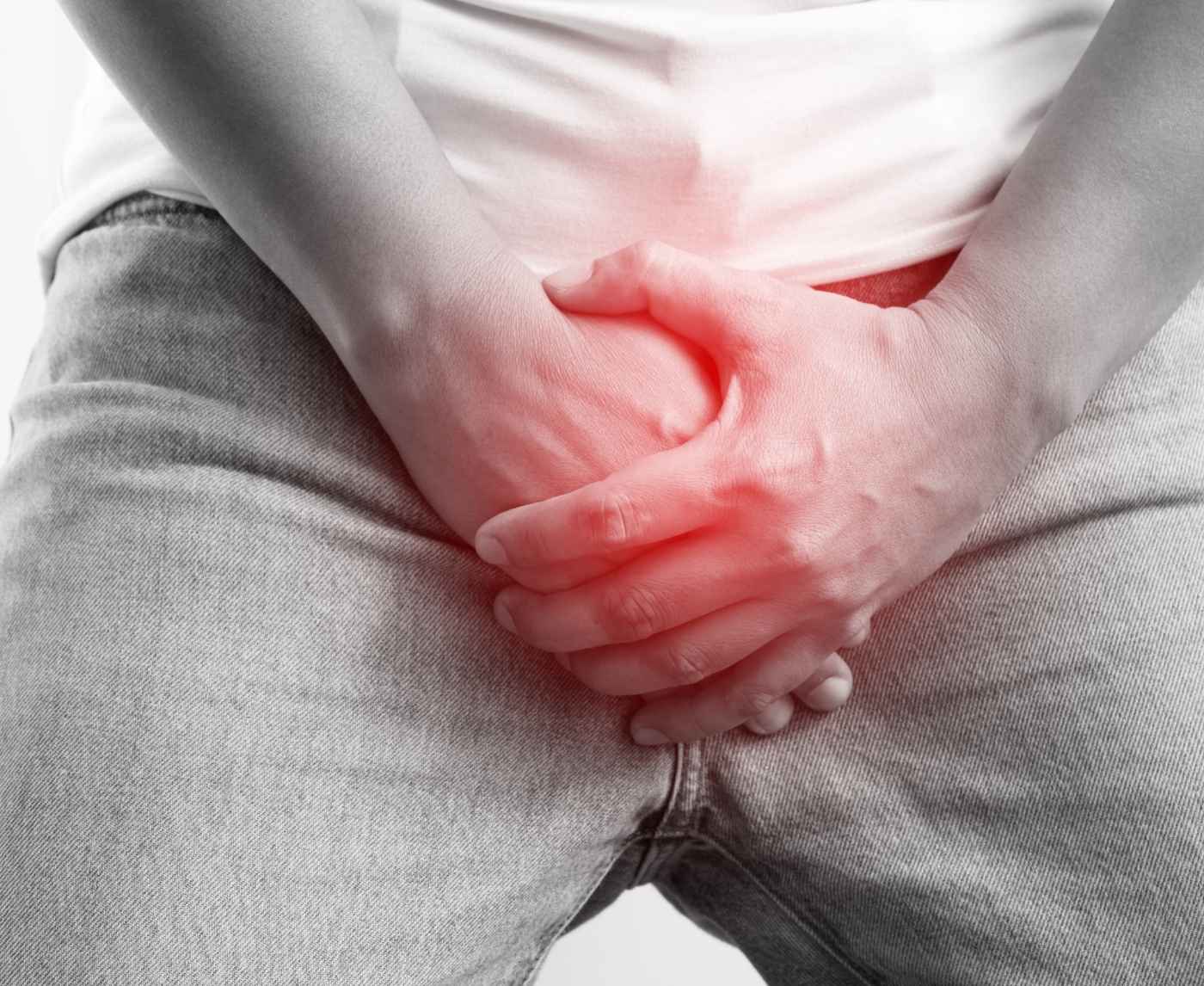
The most dangerous thing about genital herpes is how quiet it can be. Many people carry herpes simplex virus type 2 (HSV-2) for years without knowing it. Some never show obvious symptoms. Others only have vague signs that are easy to dismiss, especially during early outbreaks. So what should you be looking out for?
Let’s start with the classic symptoms. In a first-time outbreak, many people experience:
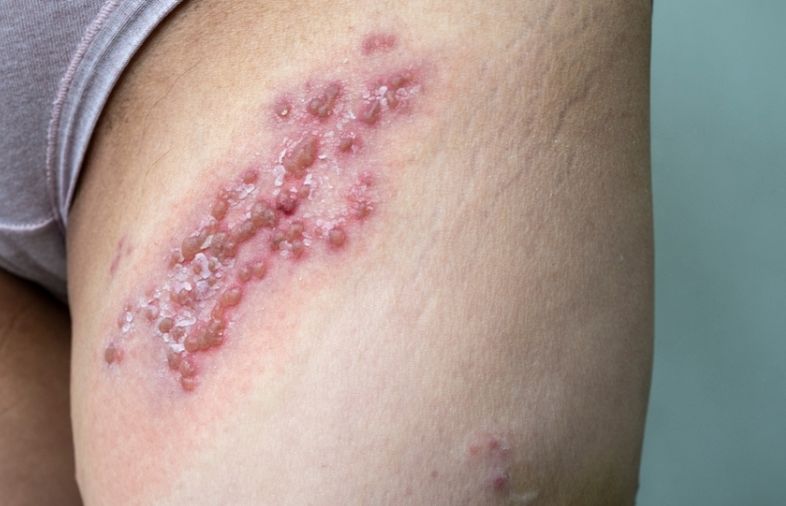
- Painful sores or blisters around the genitals, anus, buttocks, or thighs. These may look like red bumps at first and later ooze or crust over.
- Burning or itching at the site of infection, sometimes before visible sores appear. This "prodrome" stage is your body’s warning signal.
- Pain during urination, especially in women, due to sores near the urethra.
- Flu-like symptoms, such as fever, swollen lymph nodes, fatigue, or body aches.
But, and this is crucial, not everyone gets the full-blown “textbook” outbreak. Many people have atypical or very mild symptoms, including:
- Tiny, unnoticed cracks or cuts in the skin
- Redness or irritation easily mistaken for a yeast infection or razor burn
- Tingling, numbness, or nerve pain in the legs or buttocks
- Vaginal or penile discharge that doesn’t seem alarming
Because of this wide range, herpes is often misdiagnosed or missed entirely during early stages, especially in women, who may confuse symptoms with bacterial vaginosis or urinary tract infections. To complicate matters further, HSV-1 (traditionally linked to oral herpes) is increasingly responsible for genital infections via oral sex. The symptoms can be milder and less frequent, which makes them even easier to overlook.
What’s the takeaway? Don’t wait for a “perfect storm” of symptoms. If something feels off, especially if you’re sexually active with multiple partners or haven’t been tested recently, it’s time to consider herpes testing. Your body whispers before it screams. And when it comes to herpes, the whisper is often a tingle.
Why Early Diagnosis Changes Everything
You might be thinking: What’s the point of getting tested if there’s no cure? It’s a fair question, but also the wrong one. The point of getting diagnosed isn’t just about treating herpes. It’s about reclaiming control. Let’s break down the real-world benefits of a genital herpes diagnosis, even if you’re asymptomatic.
Better Outbreak Management
The earlier you know, the sooner you can manage outbreaks. Antiviral medications like valacyclovir (Valtrex) or acyclovir can dramatically shorten and reduce the frequency of outbreaks, especially when taken daily as suppressive therapy.
Preventing Transmission to Others
If you’re sexually active, knowing your herpes status is crucial. Herpes is most contagious during active outbreaks, but it can also spread via asymptomatic shedding. Armed with a diagnosis, you can take practical steps:
- Use condoms consistently (they reduce but don’t eliminate risk).
- Avoid sex during symptoms or outbreaks.
- Take daily antivirals to reduce transmission risk by up to 50%.
You may even consider disclosure conversations with partners, which, believe it or not, often strengthen trust rather than break it.
Peace of Mind and Emotional Relief
Living in limbo, wondering, worrying, obsessing, is exhausting. Getting tested and receiving a clear answer (positive or negative) can be a massive relief. For some, a diagnosis ends years of unexplained symptoms or painful relationships.
Protecting Your Fertility and Pregnancy
If you’re planning a pregnancy or already pregnant, an HSV diagnosis matters. Newborn herpes (neonatal herpes) can be life-threatening. But with proper medical care and antivirals during pregnancy, the risk of transmission can be minimized significantly.
Improved Sexual Health Literacy
One of the most underrated benefits? You become better at understanding your body. Herpes teaches you to pay attention, to your immune system, your sexual decisions, and your boundaries. It makes you more intentional. That’s not a curse. That’s a superpower.
But Here’s the Catch: You can’t get all this knowledge from symptoms alone. You need to get tested, and at-home STD test kits now make it easier than ever. No awkward clinic visits, no waiting rooms, no judgment. You don’t have to guess. You can know. And that’s a game changer.
Order Now $45.99 $49.00 Check Your STD Status in Minutes
Test at Home with Remedium
Genital Herpes Test Kit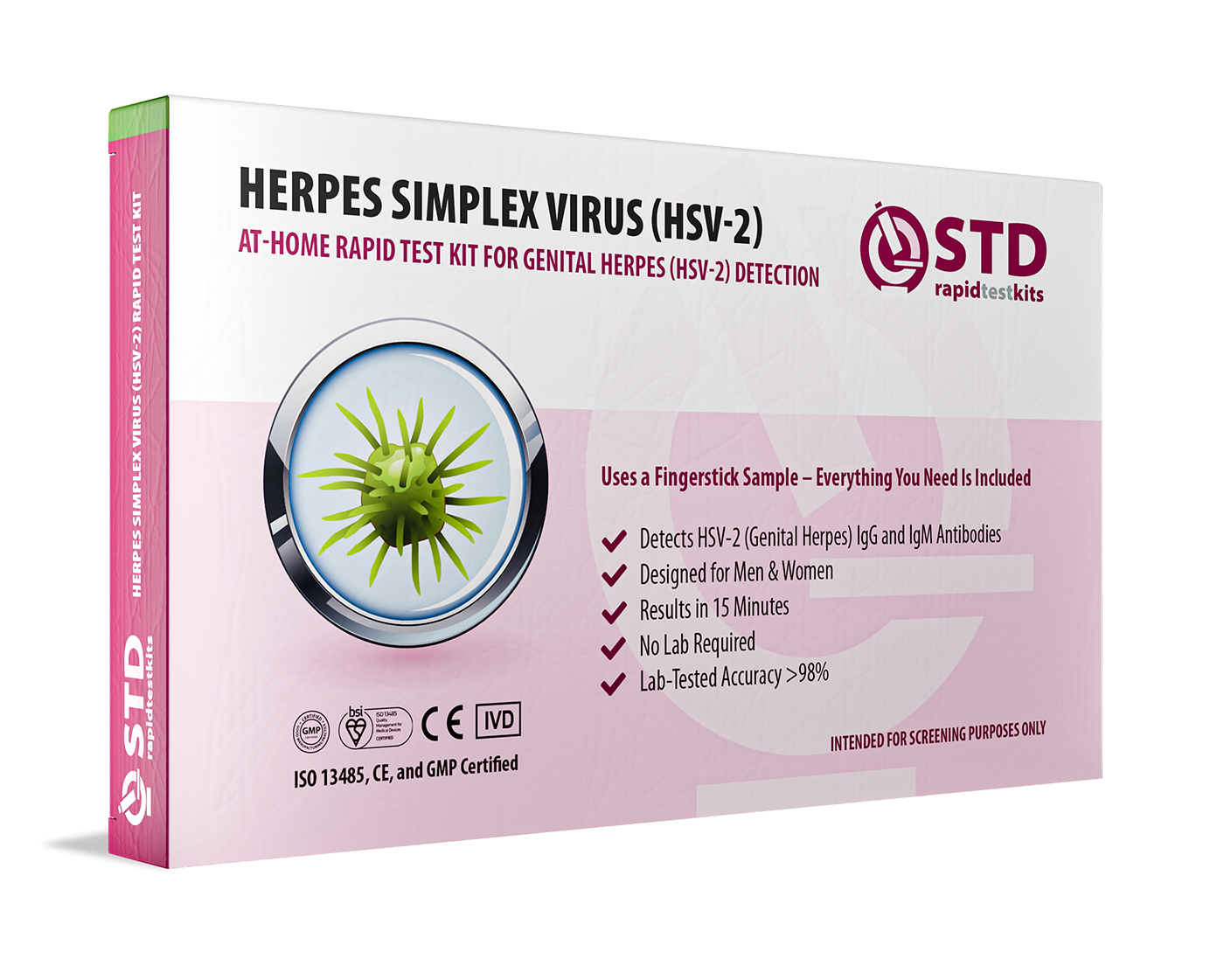 Claim Your Kit TodaySave 6%
 For Men & Women
 Results in Minutes
 No Lab Needed
 Private & Discreet
The Risks You Didn’t See Coming: What Happens When You Ignore Genital Herpes
If genital herpes were just a skin condition, it might not seem so terrifying. A few sores, a few days of discomfort, what’s the big deal, right?
But herpes doesn’t just affect your skin. It affects your health, your mind, your relationships, and sometimes, your life in ways that most people never see coming. And the longer it goes undiagnosed or unacknowledged, the more risks it carries.
Unknowingly Infecting Others
Herpes isn’t just spread during obvious outbreaks. In fact, up to 70% of transmissions happen when the infected person has no visible symptoms at all. That means without a diagnosis, and the precautions that come with it, you could pass HSV-2 to someone you love without ever knowing it. This is especially critical in relationships where you assume “we’re exclusive, so we’re safe.” If neither partner has been tested, the virus can still sneak in, and devastate trust.
Increased Risk of HIV
Here’s where things get serious. Herpes sores create openings in the skin, making it easier for HIV to enter the bloodstream. People with genital herpes are estimated to be two to four times more likely to acquire HIV if exposed. And if you already have both HSV and HIV? Herpes outbreaks may be more frequent, more severe, and harder to manage due to a weakened immune system.
Emotional and Psychological Toll
Herpes is a physical infection with emotional side effects. For many, the hardest symptoms aren’t visible, they’re in the mind:
- Shame or embarrassment
- Anxiety over disclosure
- Depression or isolation
- Fear of rejection in dating
There’s even a name for this: “herpes stigma trauma.” And it’s real. Studies show that people newly diagnosed with herpes often experience emotional distress comparable to chronic illness patients, even when outbreaks are rare. Ignoring symptoms and avoiding diagnosis doesn’t spare you this pain. It extends it.
Mistreatment and Misdiagnosis
Without testing, herpes can easily be mistaken for:
- Yeast infections
- Urinary tract infections
- Razor burn
- Eczema This leads to a frustrating cycle of ineffective treatments, unnecessary antibiotics, and worsening symptoms.
The truth is, herpes is manageable. What’s dangerous is not knowing you have it. The good news? Testing doesn’t just detect herpes, it disrupts the spiral of risk. And at-home kits make it easier, safer, and less humiliating than ever. If you’re silently hoping it’s nothing, that’s your signal: it might be something, and knowledge is your best defense.
Complications in Pregnancy
Women with undiagnosed genital herpes are at risk of passing the virus to their baby during delivery, especially if they acquire it late in pregnancy. Neonatal herpes is rare, but when it happens, it can cause:
- Brain damage
- Seizures
- Blindness
- Even death
This sounds terrifying, and it is, but it's also preventable with early diagnosis and treatment. Many OB/GYNs now recommend herpes testing during prenatal care, especially for women at higher risk.

Stopping the Spread: Smart Prevention Strategies That Actually Work
Let’s be honest, there’s a ton of misinformation floating around about how to prevent genital herpes. Some people think you can’t get it if you don’t see sores. Others assume condoms are a total shield. The truth is more nuanced, but the good news is, there are real, science-backed ways to protect yourself and your partners.
Get Tested, And Encourage Your Partners to Do the Same
It starts here. Testing is the foundation of prevention. You can’t avoid spreading what you don’t know you have. And remember: genital herpes isn’t included in standard STD panels unless you specifically request it. That’s why so many people are unknowingly positive. At-home STD test kits, like those from STD Rapid Test Kits, offer discreet, accurate results without the awkwardness of a clinic visit. They're especially helpful for people in new relationships or those exploring non-monogamy.
Use Condoms, But Don’t Stop There
Condoms reduce the risk of transmission by about 30–50%, which is significant but not perfect. Herpes can live on skin not covered by a condom, like the base of the penis, vulva, or inner thighs. That’s why other precautions matter too.
Avoid Sexual Contact During Outbreaks
Even if you’re using protection, do not have sex during an outbreak. This is when the virus is most active and contagious. You’re not only risking your partner’s health, you’re also likely to prolong and worsen your own outbreak. And here’s a crucial tip: many people experience a prodrome phase, a tingle, itch, or pain, before sores appear. If you feel that coming on, hold off on sex.
Consider Daily Antiviral Therapy
Daily suppressive therapy with antivirals like Valtrex can:
- Reduce the number of outbreaks
- Decrease asymptomatic viral shedding
- Lower transmission risk by up to 50%
If you’re in a long-term relationship where one partner is HSV-2 positive and the other isn’t, this can be a powerful tool to preserve intimacy without constant fear.
Have the Talk
Disclosing your status to a partner is terrifying, but also freeing. You may be surprised how many people are understanding, especially if you explain that you’re taking steps to manage and prevent transmission. Think of it this way: being honest about herpes isn’t the end of a love life. It’s the start of a safer, more informed one. You don’t need to live in fear of herpes. But you do need to respect it. Prevention is about more than protection, it’s about empowerment. And in a world full of myths, that’s a rare kind of safety.
Check Your STD Status in Minutes
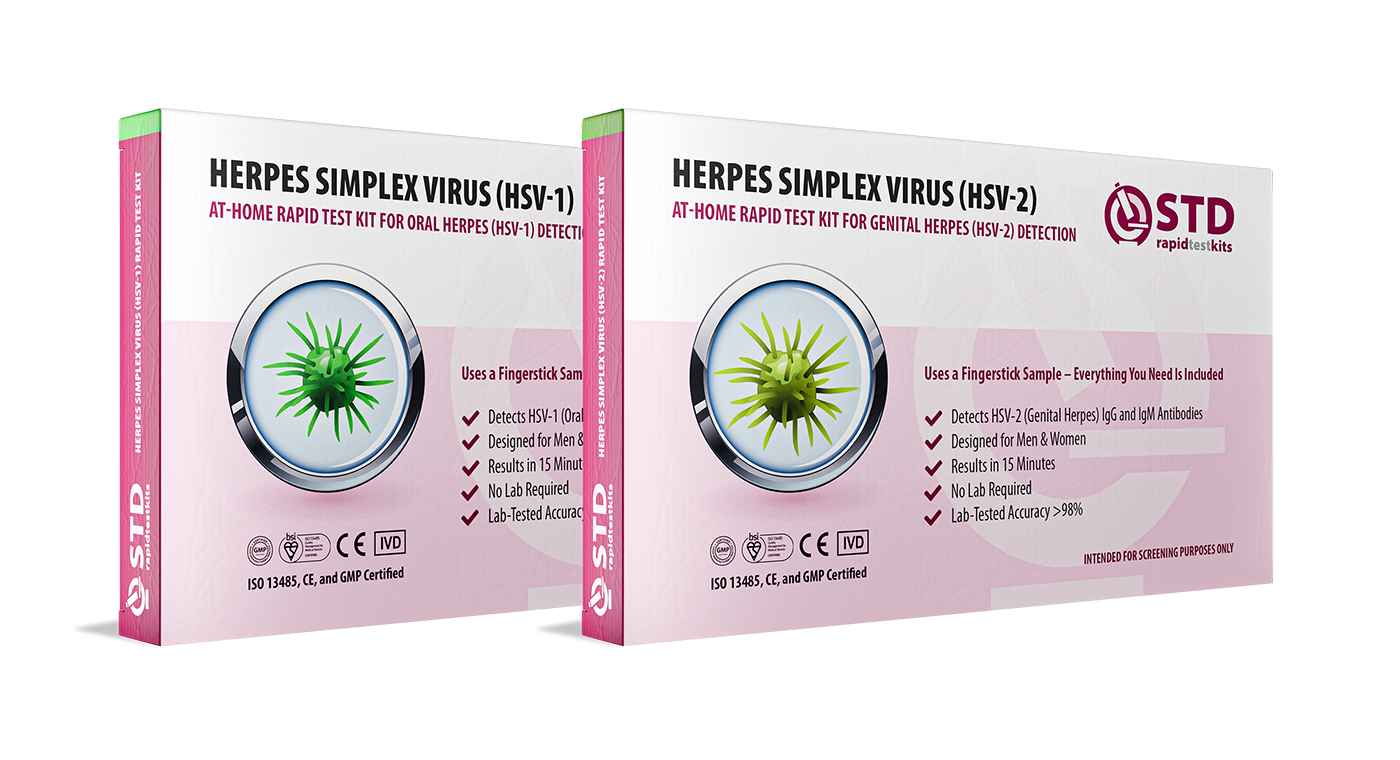
Test at Home with RemediumGenital & Oral Herpes Test Kit
Claim Your Kit Today
Save 23%
For Men & WomenResults in MinutesNo Lab NeededPrivate & DiscreetOrder Now $75.00 $98.00
For all 2 tests
The Numbers Don't Lie: What the Statistics Say About Genital Herpes
When it comes to genital herpes, people whisper opinions, but the science shouts truths. And if you’re still thinking “this is rare” or “I’m probably fine,” the data might change your mind. Herpes isn’t some fringe infection affecting the reckless or unlucky, it’s an everyday reality for millions.
Prevalence
According to the Centers for Disease Control and Prevention (CDC):
- 1 in 6 people aged 14 to 49 in the U.S. has genital herpes (HSV-2).
- More than 50% of new genital herpes cases are now caused by HSV-1 (traditionally the oral herpes virus).
- Women are more likely than men to be infected due to biological susceptibility during vaginal sex.
Globally, the World Health Organization (WHO) reports:
- An estimated 491 million people aged 15–49 (13% of the world’s population) are living with HSV-2.
- 3.7 billion people under the age of 50 have oral herpes (HSV-1), a growing cause of genital infection through oral sex.
So if you’re wondering, “How could I have herpes? I don’t sleep around,”, you’re not thinking statistically. Herpes doesn’t discriminate based on lifestyle. It spreads through skin-to-skin contact, and often, people pass it without knowing.
Testing Accuracy
Modern herpes tests include:
- PCR tests, which detect viral DNA and are over 95% accurate when lesions are present.
- Type-specific blood tests, which check for HSV-1 and HSV-2 antibodies. These are highly reliable but can take weeks to months to detect a new infection (a process called seroconversion).
False positives and false negatives are possible, especially in early stages, yet most people never retest or confirm with a different method. That’s why at-home testing from trusted providers like STD Rapid Test Kits is often paired with follow-up lab confirmation.
Emotional Impact in Numbers
A study published in Sexually Transmitted Infections found that:
- 70% of newly diagnosed patients reported feeling significant shame or anxiety.
- 1 in 4 said the diagnosis negatively impacted their relationships long-term, even when outbreaks were rare or nonexistent.
These aren’t just numbers, they’re lives. Each stat reflects someone who was scared, misinformed, or ignored until it became unavoidable. So what does the data tell us? Herpes is common. Often silent. Frequently misunderstood. But it’s also treatable, preventable, and no longer something you have to face alone. And if you’re serious about staying informed, testing is your first statistic that counts.

What the Experts (and the Infected) Want You to Know
If you’ve ever Googled your symptoms at 2am with tears in your eyes, wondering “What if I have herpes?”, you’re not alone. Behind every diagnosis is a human story. And behind every medical fact is a clinician trying to help you reclaim your confidence. Let’s talk real talk, from experts who treat herpes to people who live with it every day.
Dr. Jen Gunter, OB/GYN and author of The Vagina Bible
“Herpes is a virus, nothing more, nothing less. It doesn’t mean you’re dirty, reckless, or doomed. It’s a skin condition with a social stigma, not a moral judgment.”
She’s right. The stigma of herpes causes more damage than the sores. Most people with herpes experience a mild physical impact, but a massive emotional toll. That’s why compassionate care is as vital as prescriptions.
Amanda, 26, diagnosed with HSV-2 at 22
“I didn’t even know it was herpes. I thought it was ingrown hairs. When the test came back positive, I felt disgusting. I didn’t date for over a year. Then I realized, I’m still me. I just have a virus.”
Amanda eventually found love again. She told her new partner before their third date, he didn’t flinch.
“He said, ‘Thank you for telling me. I still want to see you.’ That moment changed how I saw myself.”
Dr. Hunter Handsfield, STD researcher at the University of Washington
“Genital herpes is often misunderstood by patients, and sometimes even by doctors. Many people live normal lives with it. And yes, they still have fulfilling sex lives.”
He emphasizes that transmission can be reduced to near-zero with proper precautions: suppressive antivirals, condoms, and avoiding sex during outbreaks.
Carlos, 34, lives with HSV-1 genitally
“I got it from oral sex. Never knew that was possible. My first outbreak was horrible. But honestly? That was five years ago. I haven’t had one since. It’s not my identity, it’s just something I manage.Test often. Communicate. And stop treating it like a death sentence, it’s not.”
FAQs
1. “Can I have genital herpes and not know it?”
Yes, and it’s more common than you think. Up to 80% of people with genital herpes (HSV-2) don’t realize they’re infected. Many never develop visible sores, and others have symptoms so mild they confuse them with a yeast infection, razor burn, or irritation from sex. If you’ve ever had an unexplained tingle or redness “down there,” don’t ignore it—at-home STD test kits can help you find out discreetly.
2. “Is a single blister on my genitals a sign of herpes?”
Possibly. Herpes sores can start as just one bump, blister, or lesion, especially during your first outbreak. It might tingle, itch, or feel tender. Even if it doesn’t hurt, it’s worth investigating. Herpes doesn’t always show up like textbook pictures. When in doubt, get tested—PCR swabs during an active sore are highly accurate.
3. “Can I test positive for herpes but never have an outbreak?”
Absolutely. Some people carry the herpes simplex virus for years without a single outbreak, especially if they were infected with HSV-1 genitally. But that doesn’t mean you can’t transmit it. Asymptomatic viral shedding is real, and why knowing your status matters.
4. “Do condoms fully protect against herpes?”
Condoms reduce your risk, but they’re not 100% effective. Herpes can be spread through skin-to-skin contact in areas not covered by condoms, like the vulva, scrotum, buttocks, or thighs. That’s why daily antivirals and testing matter too.
5. “How long after sex would herpes symptoms show up?”
Typically within 2 to 12 days, but it can take weeks, months, or even years for a first outbreak to appear. This delay is why people often assume a new partner was the source, when the infection could’ve been dormant for years.
6. “Can I still date or have sex if I have herpes?”
Yes, and many do, with fulfilling, happy relationships. It starts with honesty, protective measures, and open conversations. Antivirals, condoms, and avoiding sex during outbreaks can reduce transmission to near zero.
7. “Does herpes mean I can’t have kids?”
Not at all. People with herpes have healthy pregnancies and babies every day. The key is early diagnosis and prenatal care. If you’re pregnant or planning to be, talk to your OB/GYN about testing and antiviral management.
8. “Is it possible to get genital herpes from oral sex?”
Yes, especially from someone with oral HSV-1. In fact, HSV-1 now causes over 50% of genital herpes cases. If your partner has cold sores, skip oral sex until they’re fully healed.
9. “What’s the best test for genital herpes?”
A PCR test is best for active sores. For those without symptoms, a type-specific IgG blood test can detect HSV-1 and HSV-2 antibodies. At-home kits like those from STD Rapid Test Kits offer both options, depending on your needs.
10. “How can I tell my partner I have herpes without scaring them?”
Start by separating fact from fear. Explain what it is, how it’s managed, and what you’re doing to prevent transmission. People respect honesty, and many will surprise you with compassion. Disclosure isn’t rejection. It’s courage in action.
What These Stories Prove
- A diagnosis can feel earth-shattering, but it’s also survivable.
- Herpes is way more common than people think.
- With the right knowledge, people still date, marry, have kids, and live full lives.
- The worst part is often the fear of judgment, not the infection itself.
So why don’t we hear more stories like these? Because herpes is still treated like a secret. But secrets isolate, and this one doesn’t need to. That’s why education, compassion, and easy access to testing (like through STD Rapid Test Kits) is so powerful. It ends the shame cycle. Herpes doesn’t mean you're broken. It means you're human, and now, better informed than most.
Sources
1. Living With Genital Herpes: How To Prevent & Manage Outbreaks – Your Sexual Health
2. Genital Herpes – Dr. Karen Osborne
3. Genital Herpes: Causes, Symptoms, and Diagnosis – Healthline
5. Genital Herpes: Symptoms and Causes – Mayo Clinic
6. Genital Herpes: Causes, Symptoms, Treatment & Prevention – Cleveland Clinic


